
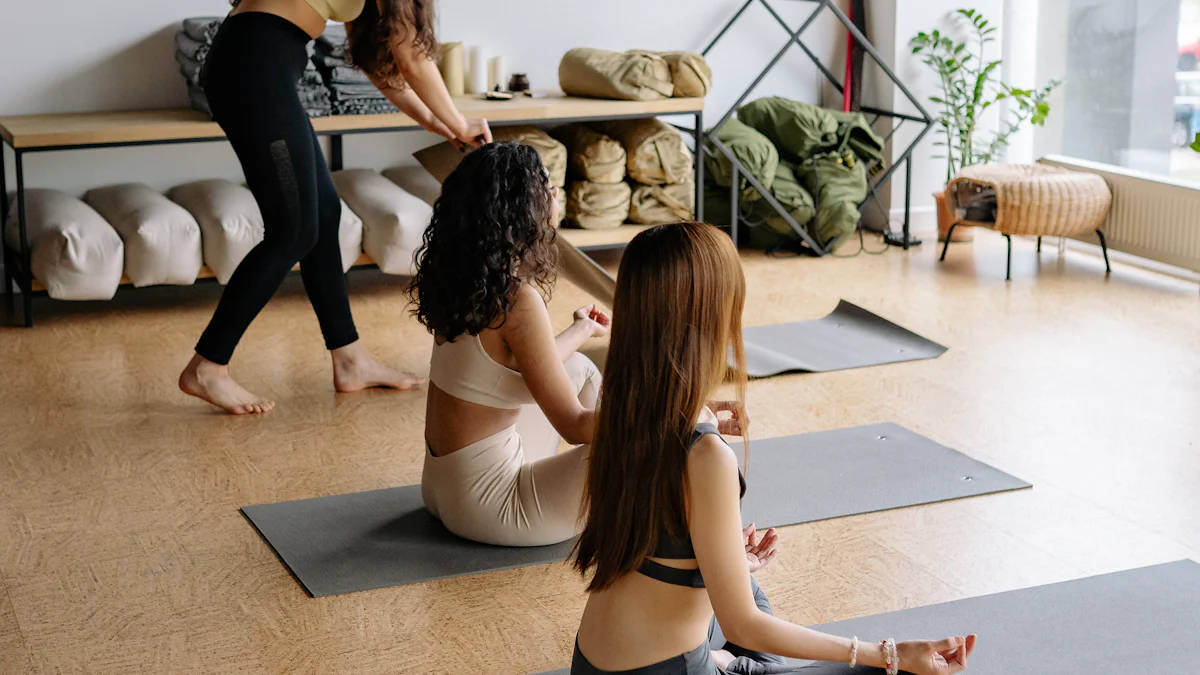
Image Source: pexels
What does the word yoga really mean? This question may seem simple, but the answer reveals a surprising depth. What does the word yoga mean? Derived from Sanskrit, it means "union." This ancient practice seeks to integrate body, mind, and spirit, promoting an essential balance in modern life. Understanding the profound meaning of yoga is crucial. Studies show that regular yoga practice can reduce blood pressure and pulse rate, especially in people over 40. By exploring the true meaning of yoga, you discover a path to inner harmony and well-being.
What Does the Word Yoga Mean?
Etymology and Origin
The word "yoga" has a rich and ancient origin. Derived from Sanskrit, the root of the word is "Yuj," which means "to join, to connect, to unite." This etymology reveals the profound meaning of union and connection, which is central to the practice of yoga. The word Yoga first appears in the Rig Veda, an ancient text dating from approximately 5000 BC. At that time, the term had the meaning of "application," showing how the word evolved over the centuries to acquire the meaning we know today.
Sanskrit Root and Literal Meaning
The Sanskrit root "Yuj" not only indicates union but also suggests a process of connection or attachment. When you ask yourself "what does the word yoga mean?", the literal answer is "union." This union refers to the connection between body, mind, and spirit, promoting a state of harmony and balance. The practice of yoga, therefore, is a path to achieving this complete integration.
Interpretations of 'Union' and 'Yoke'
The word yoga can also be interpreted as "yoke," a term that implies a connection or attachment. This interpretation offers a philosophical perspective on yoga as a means of uniting different aspects of the human being.
Philosophical and Practical Implications
Philosophically, yoga is seen as a practice that helps overcome the fragmentation of being and duality. By practicing yoga, you seek to integrate body, mind, and spirit, promoting greater self-knowledge. Essentially, this translates into techniques and exercises aimed at improving physical, mental, and spiritual health. When you explore "what the word yoga means," you discover that it's more than a physical practice; it's a path to personal transformation and self-knowledge.
Historical and Cultural Interpretations
Yoga in the Indian Tradition
Yoga, in the Indian tradition, is more than a physical practice; it's a philosophy of life. In India, yoga is deeply integrated into culture and religion, being considered a path to spiritual enlightenment. The practices and philosophies associated with yoga vary, but all share the goal of uniting body, mind, and spirit.
Associated Practices and Philosophies
In India, yoga is seen as a spiritual discipline. Practices include meditation, physical postures (asanas), and breathing techniques (pranayama). These practices aim to achieve inner peace and self-awareness. Ancient texts, such as the Yoga Sutras of Patanjali, offer a philosophical foundation for yoga, highlighting the importance of ethics and meditation. Yoga, therefore, is not just a physical activity, but a path to self-knowledge and personal transformation.
Global Spread of Yoga
Yoga has expanded beyond the borders of India, becoming a multicultural phenomenon. This global spread has brought adaptations and new interpretations, especially in the West. The book 'Yoga in Portugal' mentions that yoga is a multicultural phenomenon, reflecting the diversity of practices and beliefs of its followers.
Western Adaptations and Interpretations
In the West, yoga is often associated with fitness and physical well-being. Yoga classes focus on body stretching and muscle strengthening. However, many Western practitioners also explore the spiritual and philosophical aspects of yoga. Western adaptations of yoga show how the practice can be flexible and inclusive, allowing each individual to find their own meaning and purpose in yoga. By asking "what does the word yoga mean" in a Western context, you discover a practice that adapts to modern needs, promoting health and balance.
Definitions in Classical Texts
Patanjali's Yoga Sutras
Patanjali's Yoga Sutras are one of the most influential texts in defining yoga. Patanjali, an Indian sage of the 2nd century BC, systematized yoga in 196 aphorisms. These sutras offer a comprehensive view of the practice and philosophy of yoga. You will find teachings that address everything from personal ethics to meditation techniques.
Main Teachings and Definitions
In the Yoga Sutras, Patanjali defines yoga as "citta vritti nirodha," which means the cessation of the fluctuations of the mind. This central concept highlights the goal of yoga: to achieve a state of mental peace and clarity. The sutras also introduce the concept of Ashtanga Yoga, or the eight limbs of yoga, which include:
-
Yama (moral discipline)
-
Niyama (personal observances)
-
Asana (physical postures)
-
Pranayama (breath control)
-
Pratyahara (withdrawal of the senses)
-
Dharana (concentration)
-
Dhyana (meditation)
-
Samadhi (complete absorption)
These eight limbs offer a structured path for personal and spiritual development.
Bhagavad Gita and Other Texts
The Bhagavad Gita, part of the Indian epic Mahabharata, is another fundamental text that explores the meaning of yoga. In this dialogue between Arjuna and Krishna, yoga is presented as a path to spiritual realization and duty.
Perspectives on Yoga
In the Bhagavad Gita, Krishna describes different forms of yoga, such as Karma Yoga (yoga of action), Bhakti Yoga (yoga of devotion), and Jnana Yoga (yoga of knowledge). Each path offers a unique approach to achieving union with the divine. The text emphasizes that yoga is not just a physical practice, but a means of living in harmony with the universe.
Other classical texts, such as the Upanishads, also contribute to the understanding of yoga. They explore themes such as the nature of being and the connection between the individual and the cosmos. By studying these texts, you can deepen your understanding of what the word yoga means and how it applies to modern life.
Perspectives of Contemporary Authors
Modern Views on Yoga
Nowadays, yoga is seen as a practice that goes beyond simple physical exercise. Giordan, a specialist in modern yoga studies, highlights that yoga is perceived as a spiritual practice with potential for bodily development. He mentions that yoga can build bridges between the practitioner and divinity. This modern view of yoga reflects a "spiritual rediscovery" of the body, often supported by movements such as feminism.
Integration with Modern Life
Integrating yoga into modern life may seem challenging, but it's simpler than you might imagine. Yoga offers techniques that easily adapt to the fast pace of daily life. You can start with simple practices, such as breathing exercises or meditation, which can be done anywhere. These practices help reduce stress and increase concentration, promoting a balance between body and mind. By integrating yoga into your routine, you discover an effective way to deal with daily pressures and improve your quality of life.
Yoga as a Holistic Practice
Yoga is often described as a holistic practice, encompassing physical, mental, and spiritual benefits. Nevrin, another expert in modern yoga, emphasizes the importance of understanding the body experience in the context of yoga. He suggests that it is essential to problematize the relationships between body techniques and the contexts in which they are performed and interpreted.
Physical, Mental, and Spiritual Benefits
The benefits of yoga are vast and varied. Physically, yoga improves flexibility, strength, and balance. Mentally, it helps reduce stress and anxiety, promoting a sense of calm and clarity. Spiritually, yoga offers a path to self-knowledge and connection with the inner self. By practicing yoga, you not only improve your physical health, but also cultivate a tranquil mind and a peaceful spirit. This holistic approach makes yoga a valuable practice for anyone seeking a more balanced and harmonious life.
Practical Benefits of Yoga

Image Source: unsplash
Impact on Physical Health
Yoga offers numerous benefits for physical health. By practicing regularly, you can improve your flexibility, strength, and balance. These improvements are not merely superficial; they have a profound impact on your overall well-being.
Flexibility, Strength, and Balance
-
Flexibility: Yoga helps increase the flexibility of muscles and joints. With continued practice, you will notice a greater range of motion, which can prevent injuries and improve posture.
-
Strength: Yoga postures, known as asanas, require you to use your body weight to strengthen your muscles. This regular practice can tone the body and increase muscle endurance.
-
Balance: Yoga improves balance and coordination. Poses that challenge balance, such as the tree pose, help develop stability and concentration.
A 2023 study revealed that rheumatoid arthritis patients who practiced yoga for eight weeks showed a [significant reduction in their DAS28 score], an indicator of disease activity. Furthermore, there were improvements in epigenetic and inflammatory markers, demonstrating the positive impact of yoga on physical health.
Mental and Emotional Benefits
Yoga benefits not only the body but also the mind. Regular practice can transform your mental and emotional health, providing a sense of calm and clarity.
Stress Reduction and Increased Concentration
-
Stress Reduction: Yoga is a powerful tool for reducing stress. Breathing and meditation techniques help calm the mind and relieve accumulated tension. A study published in the Journal of Clinical Psychology in 2023 showed that participants who practiced yoga regularly had significantly lower stress levels and a better ability to cope with anxiety.
-
Increased Concentration: The practice of yoga improves concentration and focus. By learning to control your breathing and mind, you develop the ability to better focus on daily tasks. This skill is valuable in a world where distractions are constant.
The Journal of the American Osteopathic Association highlighted that mindful meditation and yoga significantly improve patients' perceptions of pain and depression. These mental and emotional benefits make yoga an essential practice for those seeking balance and well-being in daily life.
Integrating Yoga into Daily Life

Image Source: pexels
Simple Practices for Beginners
Starting a yoga practice may seem challenging, but with a few simple tips, you can begin to integrate this practice into your daily routine. Yoga doesn't require sophisticated equipment or a specific space. All you need is a comfortable mat and a quiet space.
Tips to Get Started
-
Choose a Quiet Space: Find a place in your home where you feel comfortable and free from distractions. A calm environment helps you concentrate better during practice.
-
Set a Regular Schedule: Try to practice yoga at the same time every day. This creates a routine and helps maintain consistency. Many prefer to practice in the morning to start the day with energy and clarity.
-
Start with Short Sessions: If you are a beginner, start with 10-15 minute sessions. As you become more comfortable, you can gradually increase the duration.
-
Use Online Resources: There are many videos and tutorials online that can guide you through the basic postures. Choose an instructor who resonates with you and follow their guidance.
-
Listen to Your Body: Don't force postures that cause discomfort. Yoga should be a pleasant and relaxing practice. Respect your body's limits and progress at your own pace.
Maintaining a Consistent Practice
Consistency is key to reaping the benefits of yoga. Maintaining a regular practice may seem difficult, but with a few strategies, you can effectively incorporate yoga into your daily life. Strategies for Incorporating Yoga into Daily Life
-
Set Realistic Goals: Define achievable goals for your yoga practice. This could be practicing three times a week or trying a new pose each month. Clear goals help maintain motivation.
-
Integrate Yoga into Daily Activities: Practice breathing or meditation techniques while waiting for something or during work breaks. These small practices can make a big difference in your well-being.
-
Participate in Group Classes: If possible, participate in group yoga classes. Interaction with other practitioners can be inspiring and motivating. Additionally, a teacher can offer valuable guidance.
-
Record Your Progress: Keep a yoga journal to record your experiences, challenges, and progress. Reflecting on your journey can help maintain focus and motivation.
-
Get Inspired by Others: Read books or articles about yoga and learn from the experiences of other practitioners. Yoga teachers, as mentioned in interviews, often share valuable insights on how to integrate yoga into daily life.
By following these tips and strategies, you can transform yoga into an essential part of your daily routine, promoting a more balanced and healthy lifestyle.
Yoga plays a vital role today, promoting the union between body, mind, and spirit. By practicing yoga regularly, you not only improve your physical health, but also develop a deeper awareness and emotional control. This ancient practice offers a path to deep relaxation and personal development, contributing to a better quality of life and mental health. By integrating yoga into your routine, you discover an inner universe of knowledge, expanding your awareness and achieving a state of balance and well-being.

Written by
Maria Yogalife
Maria | Yoga & Wellness Writer at YogaLife.World Maria is a passionate yoga and wellness writer at YogaLife.World, dedicated to sharing knowledge, inspiration, and practical guidance for a healthier, more balanced lifestyle. Through her articles, she explores yoga practices, meditation, mindfulness, holistic wellness, and the transformative benefits of mindful living. With an accessible and inspiring approach, Maria helps readers of all levels discover new practices, deepen their understanding of yoga, and bring greater balance, awareness, and well-being into their everyday lives.
Visit website


