
Image Source: pexels
When buying a yoga mat, you need to pay attention to various aspects. A good yoga mat is essential for your practice. It offers stability and prevents injuries. Did you know that 30,000 Americans ended up in the emergency room between 2001 and 2014 due to yoga-related injuries? This highlights the importance of a high-quality mat. Pay attention to the thickness, the material, and the grip. These factors determine your comfort and safety while practicing yoga. Choose a mat that suits your style and needs. This way, you get the most out of your yoga experience. ## Buying a Yoga Mat: Yoga Mat Dimensions
When buying a yoga mat, it is important to choose the right dimensions. The dimensions of your yoga mat can significantly influence your comfort and performance during your practice. Here are some guidelines to help you find the perfect size.
Standard Dimensions
Suitable Length for Different Heights
The length of a yoga mat should be tailored to your height. A general rule is that the mat should be at least 5 cm longer than your total height. This ensures that you have enough room for all your poses without sliding off the mat. If you are taller than average, consider an extra-long mat to keep your practice comfortable.
Width and Personal Preference
The standard width of a yoga mat is usually around 60 cm. However, if you need more room for your arms and legs, you can choose a wider mat. The width is often a matter of personal preference and comfort. When buying a yoga mat, it is important to consider how much space you need to be able to move freely.
Travel size and foldable options
Benefits of a compact mat
For those who travel frequently, a compact yoga mat can be an excellent choice. These mats are usually thinner, ranging from 1 to 3 mm, and are lightweight. They fit easily into a suitcase and are ideal for yoga classes on the go. A compact mat offers flexibility and convenience without sacrificing functionality.
When to choose a travel size
A travel size is perfect if you regularly want to take your mat with you to different locations. Whether you are going on vacation or traveling to a yoga studio, a foldable mat offers the mobility you need. When buying a yoga mat for travel, pay attention to the weight and foldability. This makes the difference in how easily you can take the mat with you. ## Yoga Mat Material
When buying a yoga mat, the material plays a crucial role. It determines not only the durability and comfort of the mat, but also the impact on the environment. Here are some important materials to consider.
Natural Materials
Benefits of Rubber and Jute
Natural materials such as rubber and jute are popular when buying a yoga mat. Rubber offers excellent grip and cushioning, which is essential for a safe practice. It is also biodegradable, making it an eco-friendly choice. Jute, another natural material, is lightweight and breathable. It offers a unique texture that helps maintain grip during intensive sessions. #### Eco-friendly options
If you are environmentally conscious, consider yoga mats made from sustainable materials such as cork, cotton or sheep wool. These materials are biodegradable and contain no harmful substances. When buying a yoga mat, it is important to check if the mat is certified organic. This guarantees that the production processes are environmentally friendly.
Synthetic materials
PVC and TPE: pros and cons
Synthetic materials such as PVC and TPE are also commonly used when buying yoga mats. PVC mats are durable and offer good grip, but they are less environmentally friendly. TPE, on the other hand, is a synthetic rubber that is biodegradable and contains no toxic substances. It offers a good balance between durability and environmental friendliness.
Durability and maintenance
When choosing a synthetic yoga mat, it is important to consider durability and maintenance. PVC mats are easy to clean and last a long time, but they are less good for the environment. TPE mats are easier to maintain and have a longer lifespan without a harmful impact on nature. When buying a yoga mat, it is essential to consider how often you will use the mat and how you intend to maintain it.
Thickness of the yoga mat
When buying a yoga mat, the thickness of the mat plays a crucial role. The right thickness can significantly improve your yoga experience, depending on your needs and preferences.
Thin mats
Suitable for balance and stability
Thin yoga mats, usually ranging from 1 to 3 mm, are ideal for yogis focusing on balance and stability. These mats offer a direct connection to the floor, which helps with performing balance exercises. You feel the ground better, which helps you maintain your balance during challenging poses. When buying a yoga mat, if stability is important to you, consider a thinner mat.
Ideal for travel
Thin mats are also perfect for travelers. They are lightweight and easy to roll up, making them easy to take along to yoga classes or on vacation. If you are often on the go and do not want to miss your yoga practice, a thin mat is an excellent choice. When buying a yoga mat for travel, pay attention to the weight and portability of the mat. ### Thick mats
Extra comfort and support
Thick yoga mats, usually between 4 and 6 mm, offer extra comfort and support. They are ideal for yogis who need more cushioning during their practice. These mats absorb shocks better, which is especially useful during intensive exercises. If you are looking for comfort and support, choose a thicker mat when buying a yoga mat.
Best for sensitive joints
For people with sensitive joints, thick mats offer the necessary protection. They provide a soft surface that reduces pressure on knees, elbows, and other joints. This makes them particularly suitable for beginners or people recovering from injuries. When buying a yoga mat, if joint comfort is important to you, a thick mat is the best choice. ## Grip and texture
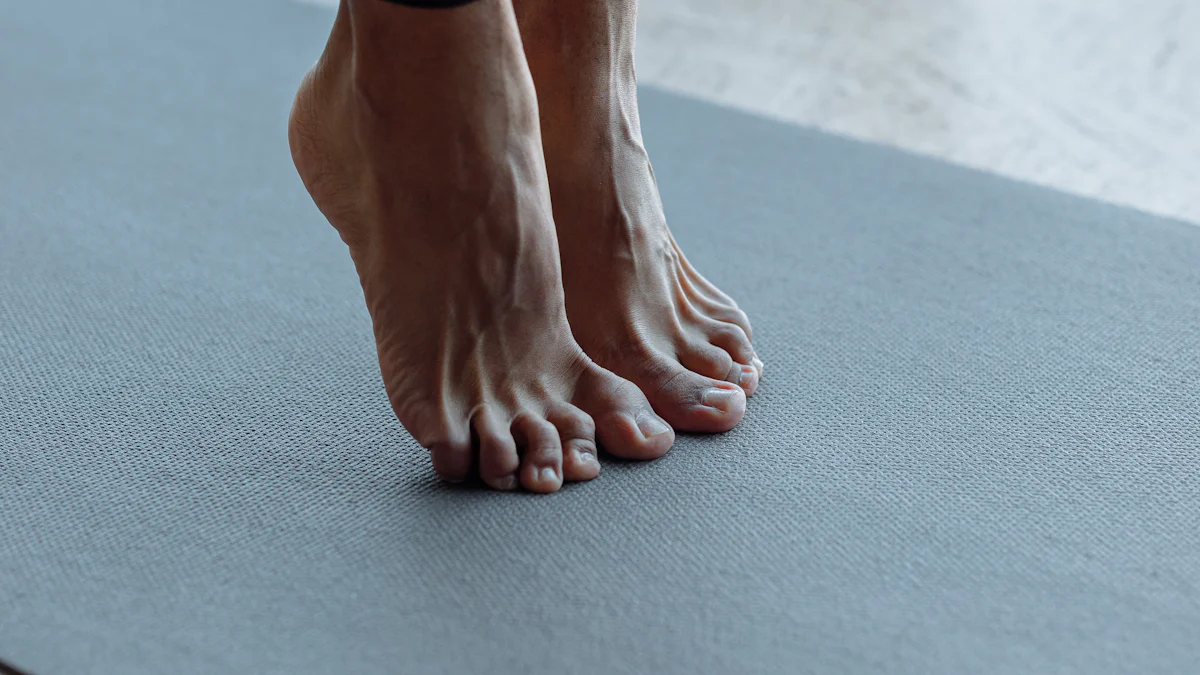
Image Source: pexels
When buying a yoga mat, grip is one of the most important features to look for. Good grip ensures that you remain safe and stable during your yoga sessions. It prevents you from slipping, which is especially important for intensive or dynamic yoga styles.
Anti-slip properties
Importance of grip for safety
Grip is crucial for your safety while practicing yoga. A mat with good anti-slip properties prevents you from slipping, especially when you start to sweat. This is essential to prevent injuries and to perform your poses correctly. When buying a yoga mat, choose one with a texture that offers sufficient friction. This helps you maintain your focus without worrying about your stability.
Different textures and their benefits
Yoga mats are available in various textures, each with its own benefits. A slightly rough texture often offers better grip, which is ideal for gentle forms of yoga such as Yin Yoga or Restorative Yoga. These textures help you hold your poses longer without shifting. When buying a yoga mat, consider a mat with a texture that suits your yoga style and personal preference.
Maintaining grip
Cleaning tips
To maintain the grip of your yoga mat, regular cleaning is essential. Use mild soap and warm water to remove dirt and sweat. Avoid harsh cleaning agents that can damage the material. After cleaning, let the mat dry completely before rolling it up. This prevents mold growth and keeps the mat in good condition.
How to maintain grip
Besides cleaning, there are other ways to maintain the grip of your yoga mat. Store the mat in a dry place and avoid direct sunlight, which can weaken the material. If you notice the grip diminishing, consider using a special yoga mat spray. These sprays are designed to revitalize the texture and improve the anti-slip properties. When buying a yoga mat, choose one that is easy to maintain so that you can enjoy it for a long time.
Price and budget
Your budget plays an important role when buying a yoga mat. It is essential to understand what you can expect within different price ranges and how to get the best value for your money.
Price ranges and quality
What to expect in different price ranges
Yoga mats vary greatly in price, depending on the material, the thickness, and the brand name. In the lower price range, usually under €20, you often find basic PVC mats. These offer sufficient grip for beginners but may be less durable. In the mid-range, between €20 and €50, you often get mats of better quality, such as TPE or natural materials. These offer better grip and comfort. In the higher price range, above €50, you find premium mats made of materials such as natural rubber or cork. These mats offer excellent grip, durability, and eco-friendliness.
Investing in quality
An investment in a high-quality yoga mat can be beneficial in the long run. Although the initial costs may be higher, these mats often last longer and offer more comfort and support. This means you won't need to buy a new mat as quickly, which ultimately saves money. Moreover, high-quality mats often offer a better yoga experience, which benefits your practice.
Where to buy
Online versus physical stores
When buying a yoga mat, you have the choice between online stores and physical stores. Shopping online offers the convenience of a wide range and often lower prices. You can easily compare prices and read reviews to make an informed choice. Physical stores, on the other hand, offer the opportunity to view and feel the mats in person. This can be especially useful if you are unsure about the texture or thickness of the mat.
Offers and discounts
When buying a yoga mat, look out for offers and discounts. Many stores, both online and physical, regularly offer discounts, especially during sales periods or holidays. By shopping smartly, you can find a high-quality mat for a lower price. Don't forget to also look at bundle offers, where you can, for example, buy a yoga mat together with other yoga accessories for a reduced price.
Sustainability and lifespan
Image Source: pexels
How long does a yoga mat last?
Factors influencing lifespan
The lifespan of a yoga mat depends on various factors. The material plays a major role. Mats made of natural rubber or TPE are known for their durability. They withstand daily use and wear and tear. The way you maintain the mat also affects its lifespan. Regular cleaning and proper storage significantly extend the lifespan. Additionally, the intensity of your yoga practice has an impact. With intensive use, a mat wears out faster.
When is it time for a new mat?
You will notice it is time for a new mat when the grip decreases. A slippery mat can be dangerous during your practice. Replacement is also necessary if tears or holes appear. A worn mat offers less support and comfort. This can negatively affect your yoga experience. Pay attention to these signs to purchase a new mat in time. ### Sustainable Choices
Eco-friendly Brands
When choosing a yoga mat, you can look for eco-friendly brands. These brands use sustainable materials such as cork, cotton, or sheep wool. These materials are biodegradable and free from harmful substances. They offer an eco-friendly option for conscious yogis. Certified brands guarantee that their production processes are environmentally friendly.
Recyclable Options
Recyclable yoga mats are an excellent choice for those who value sustainability. Mats made of TPE or natural rubber are 100% biodegradable. They offer comfort and strength without a harmful impact on the environment. By choosing recyclable options, you contribute to a more sustainable world. When purchasing, look for labels that indicate the mat is recyclable. This helps you make an informed choice.
When choosing the perfect yoga mat, there are a few important points to consider:
-
Dimensions and thickness: Ensure the mat suits your height and comfort needs. A thicker mat offers extra support, especially for gentle forms of yoga.
-
Material and grip: Choose a mat with good anti-slip properties. This is crucial for your safety, especially during dynamic poses.
-
Price and durability: Invest in quality without exceeding your budget. There are affordable options that offer comfort and durability.
"A good yoga mat is essential for a safe and comfortable practice."
Always test a yoga mat before you buy it. Feel the texture and check the grip. This is how you make an informed choice that suits your personal needs.
See also
Top 10 Yoga Brands For Outfit Inspiration And Comfort
Useful Advice For A Yoga Retreat In Ibiza
Guide To Finding Yoga Classes In Oostkamp

Written by
Maria Yogalife
Maria | Yoga & Wellness Writer at YogaLife.World Maria is a passionate yoga and wellness writer at YogaLife.World, dedicated to sharing knowledge, inspiration, and practical guidance for a healthier, more balanced lifestyle. Through her articles, she explores yoga practices, meditation, mindfulness, holistic wellness, and the transformative benefits of mindful living. With an accessible and inspiring approach, Maria helps readers of all levels discover new practices, deepen their understanding of yoga, and bring greater balance, awareness, and well-being into their everyday lives.
Visit website


