

How to choose the best children's yoga teacher training
 Maria Yogalife
Image Source: pexels
Kids yoga plays a crucial role in children's development. It not only promotes physical health but also supports emotional and mental growth. Choosing the right kids yoga teacher training lays the foundation for the success of your future yoga classes. A well-rounded training program will equip you with the necessary skills and knowledge to teach children effectively. You will learn how to spark their curiosity and nurture their abilities. Therefore, choosing the right training is of paramount importance.
What is Kids Yoga and Why is it Important?
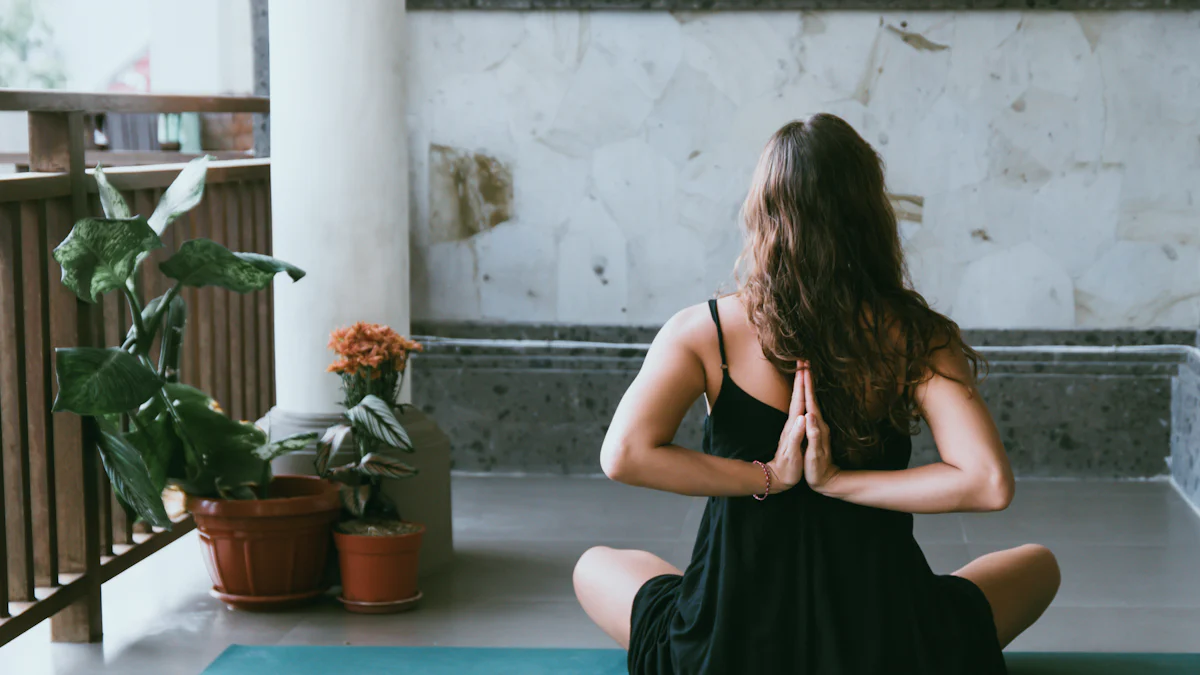
Image Source: unsplash
Definition of Kids Yoga
Kids yoga is a special form of yoga tailored to the needs and abilities of children. You will find that it differs from traditional yoga because it incorporates playful elements and creative exercises. This method helps children connect with their body and mind in a natural way.
Origin and History
Kids yoga has its roots in the ancient Indian tradition of yoga. Originally, yoga was developed as a practice for adults, but over time its benefits for children were recognized. In recent decades, children's yoga has spread worldwide. Today, you can find many programs specifically designed for children.
Benefits for Children
Children's yoga offers numerous benefits. It promotes physical health by improving flexibility, strength, and coordination. You'll also notice that it strengthens children's concentration and self-confidence. Furthermore, it helps them reduce stress and develop a positive attitude. These benefits make children's yoga a valuable addition to a child's life.
Importance of Children's Yoga Today
In today's fast-paced world, children's yoga is more important than ever. You can see how children are often under pressure, whether at school or in their social environment. Children's yoga provides them with a safe space to relax and rejuvenate.
Promoting Physical Health
Through regular children's yoga classes, you can significantly improve children's physical health. The exercises promote flexibility and strengthen muscles. You will also find that children develop better body awareness through yoga, which helps them avoid injuries.
Supporting Emotional Development
Children's yoga plays a crucial role in emotional development. It teaches children to recognize and regulate their emotions. You can observe how they learn to cope with stress and anxiety. These skills are invaluable in today's world and help children become more confident and balanced.
With the right children's yoga training, you can help children reap these benefits. You will be able to give them the tools they need to thrive in a complex world. Choosing the right training is the first step in enabling these positive changes.
What qualifications are needed to become a children's yoga teacher?
Basic Requirements
Prior Yoga Experience
You should already have some experience in yoga before teaching children's yoga. This experience will help you better understand the techniques and principles of yoga. You'll find that a solid foundation in yoga gives you the confidence to teach children effectively. It's important to master the various asanas and breathing techniques so you can teach them correctly to children.
Personal Qualities
As a children's yoga teacher, you need certain personal qualities. Patience is crucial, as children learn at their own pace. You should also be creative to make yoga classes interesting and engaging. Empathy helps you understand and respond to children's needs. You'll find that a positive attitude and enthusiasm motivate and inspire children.
Additional Qualifications
Certifications
Certification in children's yoga is often required. These certificates confirm that you have acquired the necessary knowledge and skills. You can get certified by recognized organizations such as the Yoga Alliance. These certifications offer structured training and ensure you are familiar with best practices in children's yoga.
Continuing Education
Continuing education is important for expanding your knowledge and skills. You can participate in workshops and seminars to learn new techniques. These courses keep you up-to-date with the latest developments in children's yoga. You'll find that continuous learning helps you become a better teacher and offer more to the children.
How to Choose the Best Children's Yoga Teacher Training
Selection Criteria
Accreditation and Recognition
You should ensure that the training you choose is accredited by a recognized organization. Accreditation by the Yoga Alliance or a similar institution guarantees that the training meets certain quality standards. This recognition gives you the assurance that you will receive a sound and comprehensive education. You can also look for testimonials from former participants to learn more about the reputation of the training institution.
Curriculum and Content
A well-structured curriculum is crucial for successful teacher training. You should ensure that the training program covers all relevant topics. This includes movement anatomy, respiratory physiology, and age-appropriate yoga techniques. A comprehensive curriculum ensures that you acquire all the necessary skills to teach children effectively. You can also check whether the program includes practical elements that help you apply what you've learned.
Practical Considerations
Costs and Financing
The cost of children's yoga teacher training can vary. You should compare different programs to find the best value for your money. Some training institutions offer payment plans or scholarships that can help reduce the financial burden. It's important to consider the total cost of the training, including any additional fees for materials or exams.
Duration and Flexibility
The duration of the training can vary depending on the provider. You should choose a program that fits your schedule. Some programs offer flexible learning options, such as online courses or modular structures, which allow you to complete the training while working. This flexibility can help you integrate the training into your daily life without neglecting your other commitments.
What career opportunities does children's yoga teacher training offer?

Image Source: pexels
Career opportunities
Working in schools and kindergartens
With children's yoga teacher training, you can work in schools and kindergartens. These institutions often look for qualified professionals who can integrate yoga into children's daily routines. You can offer regular yoga classes that help children relax and improve their concentration. Your work contributes to creating a healthy and balanced learning environment.
Self-employment and your own classes
You also have the option of becoming self-employed and offering your own children's yoga classes. You can conduct classes in yoga studios, community centers, or even online. This flexibility allows you to design your own program and cater to the individual needs of the children. You can also organize workshops and holiday programs to expand your offerings and reach more children.
Potential earning opportunities
Salary expectations
Salary expectations for children's yoga teachers vary depending on the work environment and experience. In schools and kindergartens, you can expect a fixed salary, often based on the number of hours you teach. As a self-employed teacher, you set your own prices, giving you the opportunity to increase your income. You can also offer special packages or subscriptions to ensure a regular income.
Additional Income Sources
Besides teaching yoga classes, there are other ways to increase your income. You can develop books or online courses focused on children's yoga. These products offer parents and teachers valuable resources for integrating yoga into children's daily lives. You can also give lectures or seminars to share your knowledge and expand your network. These additional income sources will help you further develop and solidify your career in children's yoga.
What challenges might arise and how can they be overcome?
Common Challenges
Working with Different Age Groups
You will find that children of different ages have different needs and abilities. Younger children often require more playful elements, while older children prefer more complex exercises. You need to be flexible and adapt your teaching methods to meet the needs of each child. Observe the children closely and adjust the exercises to their developmental stage.
Adapting to Different Learning Styles
Children learn in different ways. Some children learn through visual stimuli, others through hearing or movement. You should use a variety of teaching methods to cater to all learning styles. Use pictures, stories, and music to motivate and inspire the children. You will find that varied lesson planning sparks the children's interest and helps them better understand the exercises.
Coping Strategies
Continuous Professional Development
You should always strive to expand your knowledge and skills. Attend training courses and workshops to learn new techniques and approaches. This professional development will help you stay up-to-date and improve your teaching methods. You will find that continuous learning gives you the confidence to overcome challenges in the classroom.
Networking and Support
A strong network can help you overcome challenges. Connect with other children's yoga teachers and share experiences and tips. You can also participate in online forums and groups to get support and advice. These networks offer valuable resources and help you develop further. You'll find that connecting with like-minded individuals opens up new perspectives and helps you develop creative solutions.
You've now learned the most important criteria for choosing the best children's yoga teacher training. Make sure the training is accredited and offers a comprehensive curriculum. Consider which practical aspects, such as cost and flexibility, are crucial for you. Careful selection of the training lays the foundation for your success as a children's yoga teacher. Children's yoga is gaining increasing importance and offers exciting future prospects. Seize this opportunity to help children promote their physical and emotional well-being.
... ## See also
Tips for Teaching Yoga to Children
Discover the Top Yoga Studios in Basel
Find the Best Yoga Holidays in Austria
Written by
Maria Yogalife
Maria | Yoga & Wellness Writer at YogaLife.World Maria is a passionate yoga and wellness writer at YogaLife.World, dedicated to sharing knowledge, inspiration, and practical guidance for a healthier, more balanced lifestyle. Through her articles, she explores yoga practices, meditation, mindfulness, holistic wellness, and the transformative benefits of mindful living. With an accessible and inspiring approach, Maria helps readers of all levels discover new practices, deepen their understanding of yoga, and bring greater balance, awareness, and well-being into their everyday lives.
Visit website


