
Pilates vs. Yoga for Weight Loss: Which to Choose?
Image Source: unsplash
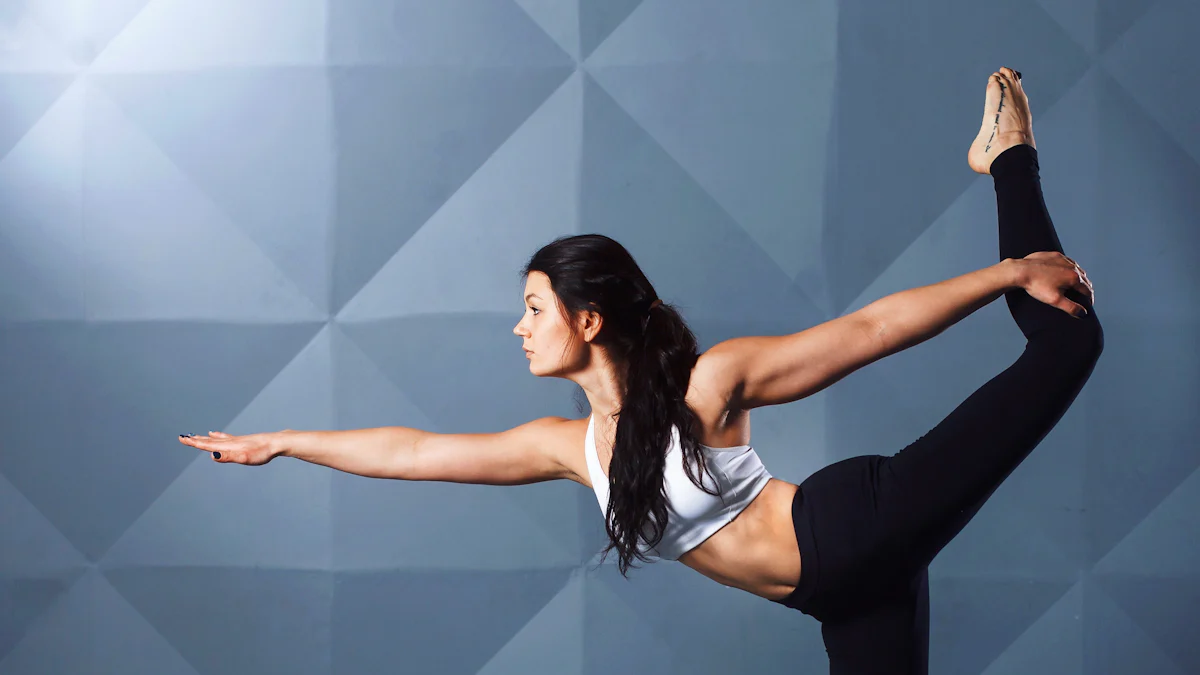
You've probably wondered what to choose for weight loss: Pilates or yoga? Both practices have gained popularity due to their unique approaches to physical and spiritual development. The question of "Pilates vs. yoga for weight loss" is a pressing one for many. Pilates, with its dynamic exercise cycles, can be more effective for weight loss and for beautiful body contours. Yoga, on the other hand, emphasizes flexibility and a spiritual component. Which of these methods is best for you? Let's find out.
History and Origin
History of Yoga
Ancient Roots and Philosophy
Yoga is an ancient practice that originated in India over 5,000 years ago. It is a holistic system that connects body and mind through breathing and meditation. The main goal of yoga is to achieve harmony and inner peace. In ancient times, yoga was used as a means of spiritual development and self-knowledge. It incorporates various philosophical teachings that help a person understand their place in the world and find inner harmony.
Development and Popularization in the Modern World
In the modern world, yoga has become popular due to its ability to improve physical and mental health. In the 20th century, yoga began to spread beyond India and gained popularity in Western countries. Today, yoga is practiced by millions of people worldwide, and its popularity continues to grow. It has adapted to modern conditions while maintaining its ancient roots and philosophy.
History of Pilates
Created by Joseph Pilates
Pilates is a relatively young fitness movement, created by Joseph Pilates in the early 20th century. Pilates was originally developed for rehabilitation of soldiers after World War I. Joseph Pilates used elements of Eastern practices, such as yoga, to create a system of exercises aimed at strengthening muscles and improving coordination. Pilates emphasizes concentration, control, and breathing, making it a unique training system.
Evolution and Adaptation in Fitness
Since its inception, Pilates has undergone significant evolution and adaptation. It has become popular among people seeking to improve their physical fitness and strengthen their muscles. Pilates is actively used in the fitness industry and offers a variety of training programs suitable for people of all fitness levels. Due to its effectiveness and versatility, Pilates continues to attract the attention of both professional athletes and fitness enthusiasts.
Spiritual Aspects
Spirituality in Yoga
Meditation and Mindfulness
Yoga offers you a unique opportunity to immerse yourself in the world of meditation and mindfulness. These practices help you focus on the present moment, which helps reduce stress and improve overall well-being. Meditation in yoga teaches you to listen to your body and mind, allowing you to better understand your needs and desires. This awareness can lead to healthier habits, including mindful eating, which in turn helps you maintain a healthy weight.
Impact on Mental Health
Yoga practice has a positive impact on your mental health. Regular practice helps you find peace of mind and improve your resilience to stress. Research shows that yoga improves mood and reduces anxiety. This is because yoga helps you better understand your body's signals and prevents overeating due to stress. Thus, yoga not only strengthens your body but also supports your mental well-being.
Spirituality in Pilates
Concentration and Control
Pilates emphasizes concentration and control. These aspects help you focus on each movement, which improves coordination and strengthens your muscles. The focus of Pilates allows you to better understand your body and its capabilities. This awareness helps you develop self-confidence and achieve your goals. Pilates teaches you to control your body, which contributes to improved physical fitness and increased endurance.
Impact on Emotional Well-Being
Pilates classes have a positive impact on your emotional well-being. They help you find peace of mind and increase self-confidence. Pilates promotes an improved mood and reduced stress levels. This is because Pilates helps you better understand your body and its needs. Regular Pilates classes strengthen muscles and joints, which contributes to improved physical fitness and increased endurance. Therefore, Pilates not only strengthens your body but also supports your emotional well-being.
Exercise Characteristics
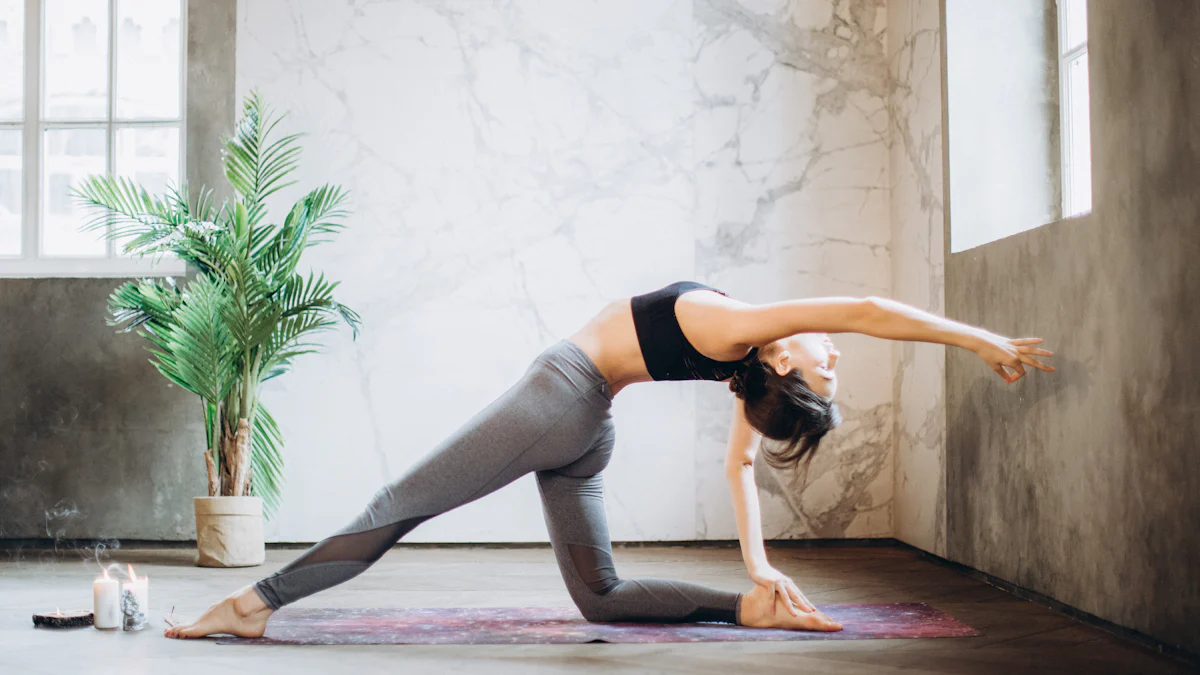
Image Source: pexels
Yoga Exercises
Asanas and Their Variations
Asanas are the foundation of yoga. They are a variety of poses that help you develop flexibility and strength. Each asana has its own variations, allowing you to adapt the exercises to your fitness level. For example, Downward-Facing Dog can be performed either in the classic version or using hand supports. This makes yoga accessible to everyone, regardless of fitness level.
Effect on Flexibility and Balance
Yoga significantly improves your flexibility and balance. Research shows that regular yoga practice helps athletes become more flexible compared to those who engage in regular exercise. Asanas stretch muscles and ligaments, which helps improve joint mobility. This is especially important for preventing injuries and maintaining joint health. Furthermore, yoga develops balance, which helps you better control your body in everyday life.
Pilates Exercises
Basic Movements and Techniques
Pilates includes a variety of movements and techniques aimed at strengthening muscles and improving coordination. Basic exercises such as the Hundred, Leg Circles, and Plank help you develop strength and endurance. These exercises emphasize control and concentration, allowing you to better understand your body and its capabilities. Pilates also incorporates breathing techniques, which promotes overall well-being and stress reduction.
Impact on Strength and Endurance
Pilates significantly strengthens your muscles and increases endurance. Research shows that Pilates improves dynamic balance and muscle endurance. This is because Pilates exercises emphasize strengthening the deep muscles that support your spine and joints. Regular Pilates practice helps you build muscle mass, which helps you burn more calories and maintain a healthy weight.
Benefits for Weight Loss
Image Source: pexels
Benefits of Yoga
Calorie Burn and Metabolism
When you practice yoga, you not only improve flexibility and balance, but you also burn calories. While yoga isn't always associated with intense exercise, it does promote calorie burn. Depending on the style and intensity, an hour of yoga can burn between 180 and 460 calories. This helps boost your metabolism, which is important for weight loss. Yoga also improves digestion and reduces stress, which can positively impact your weight.
Long-Term Results
Yoga offers long-term results for those seeking sustainable weight loss. Regular practice helps you develop mindfulness, which promotes healthier eating habits. You learn to listen to your body and understand its signals, preventing overeating. Additionally, yoga strengthens muscles and improves posture, making your body more toned and slender. These changes occur gradually, but they are sustainable and long-lasting.
The Effectiveness of Pilates
Strengthening Muscles and Burning Fat
Pilates is an excellent choice for those looking to strengthen muscles and burn fat. Unlike yoga, Pilates emphasizes dynamic exercises that help you develop strength and endurance. An hour of Pilates can burn 200 to 250 calories. This strengthens the deep muscles that support your spine and joints. Pilates helps you build muscle mass, which increases your metabolism and promotes fat burning.
Maintaining Shape and Tone
Pilates helps you maintain shape and tone your body. Regular exercise strengthens muscles and improves coordination. You learn to control your body and develop self-confidence. Pilates also helps improve posture and reduce stress, making your body more toned and slender. Thanks to its effectiveness and versatility, Pilates continues to attract the attention of both professional athletes and fitness enthusiasts.
Expert Opinions and Recommendations
Advice from Instructors
How to Choose the Right Practice
Choosing between yoga and Pilates can be difficult, especially if you're new to these practices. Certified instructors recommend considering your personal goals and preferences. If you want to develop flexibility and spirituality, yoga may be the right choice. For those seeking to strengthen muscles and improve coordination, Pilates may be more suitable. It's important to try both practices to see which one best suits your needs.
The Importance of Consulting a Doctor
Before starting yoga or Pilates, it's recommended to consult a doctor, especially if you have chronic illnesses or injuries. This will help avoid potential complications and choose a safe exercise program. Your doctor can provide recommendations on the intensity and frequency of your sessions, which is especially important for achieving your weight loss goals.
Frequently Asked Questions
How often should I practice for results?
To achieve noticeable results in weight loss and improved fitness, regularity is key. Instructors recommend practicing yoga or Pilates at least three times a week. This will allow your body to adapt to the workouts and gradually improve your fitness. However, it's important to listen to your body and not overexert it to avoid injury.
Can I combine both practices?
Combining yoga and Pilates can be an excellent solution for those who want to maximize the benefits of both. These disciplines complement each other, developing both flexibility and strength. You can alternate between classes, for example, doing yoga one day and Pilates the next. This variety will help you maintain interest in your workouts and achieve more balanced results.
Choosing between Pilates and yoga depends on your personal goals and preferences. Both methods offer unique benefits for your body and mind. Pilates helps strengthen muscles and improve coordination, while yoga develops flexibility and promotes spiritual growth.
"All practices, both yoga and Pilates, ultimately lead to one goal: harmonizing and improving the human body."
We recommend trying both practices to see which one is best for you. This will allow you to achieve harmony and improve your overall health.
See also
Pink Yoga Leggings: Style and Comfort
Improving the Effectiveness of Your Practice with Pivot Yoga Smart Clothing

Written by
Maria Yogalife
Maria | Yoga & Wellness Writer at YogaLife.World Maria is a passionate yoga and wellness writer at YogaLife.World, dedicated to sharing knowledge, inspiration, and practical guidance for a healthier, more balanced lifestyle. Through her articles, she explores yoga practices, meditation, mindfulness, holistic wellness, and the transformative benefits of mindful living. With an accessible and inspiring approach, Maria helps readers of all levels discover new practices, deepen their understanding of yoga, and bring greater balance, awareness, and well-being into their everyday lives.
Visit website


