
Image Source: unsplash
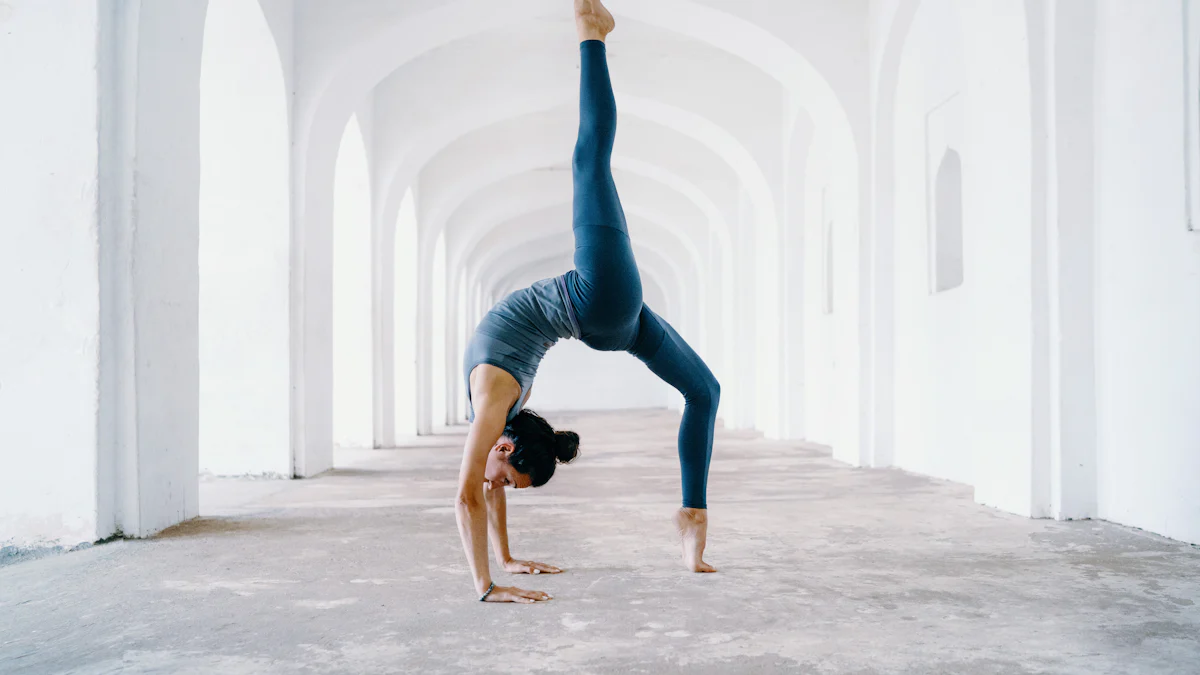
Ashtanga Vinyasa Yoga is a dynamic practice that combines breathing with movement. Originating in India, this form of yoga has evolved into one of the most popular worldwide. Ashtanga Vinyasa Yoga is characterized by its strict structure and offers multiple benefits for the body and mind. Ashtanga vinyasa yoga poses are performed with synchronization of breathing and movement, creating a flow that enhances physical and mental well-being.
Basic Principles of Ashtanga Vinyasa Yoga
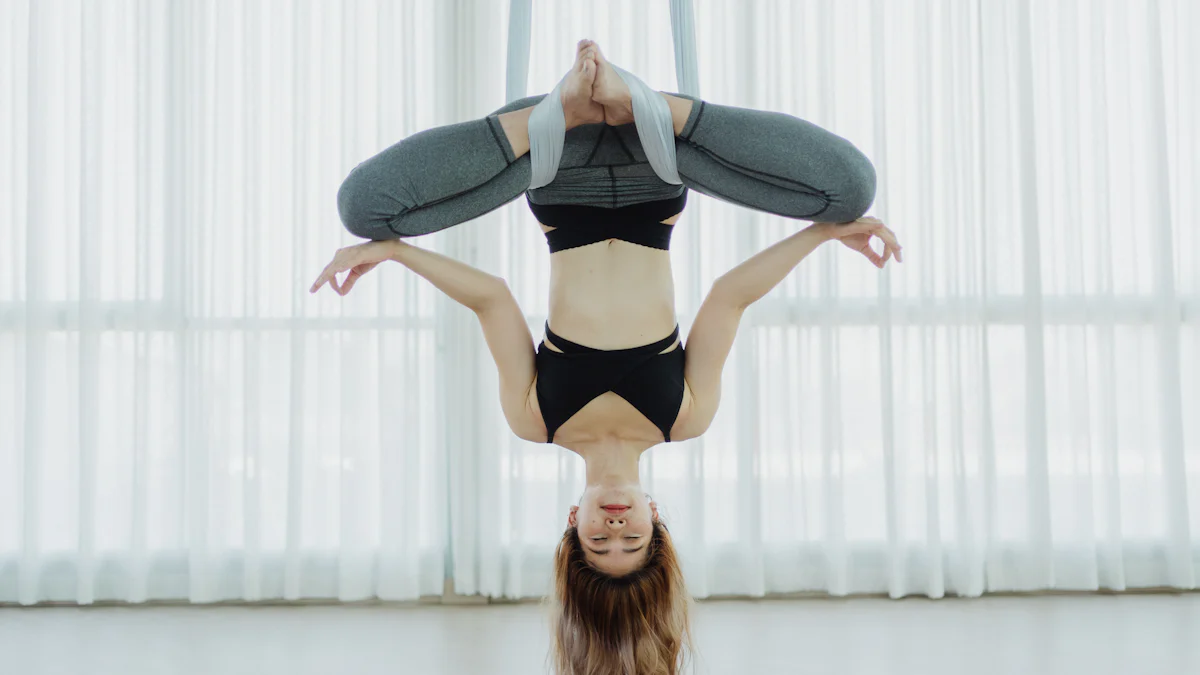
Image Source: pexels
Ashtanga Vinyasa Yoga is based on specific principles that guide your practice. These principles include the sequence of poses, the importance of breathing, and the focus of the mind.
The Sequence of Poses
Ashtanga Vinyasa Yoga includes three main sequences of poses. Each sequence has its own level of difficulty and goals.
Primary Sequence
The Primary Sequence focuses on flexibility and strengthening the body. You start with basic Ashtanga Vinyasa Yoga poses that help detoxify and align the body. This series is ideal for beginners.
Secondary Series
The Secondary Series progresses to more complex poses. Here, you work on strengthening the spine and deepening your practice. This series requires greater concentration and physical strength.
Advanced Series
The Advanced Series is aimed at experienced practitioners. You perform Ashtanga Vinyasa Yoga poses that require a high level of flexibility and endurance. This series enhances your spiritual development and inner balance.
The Importance of Breath
Breathing plays a crucial role in Ashtanga Vinyasa Yoga. You learn to combine breath with movement to create a harmonious flow.
Ujjayi Breathing
Ujjayi Breathing is a technique that helps you control your breathing. You inhale and exhale through your nose, creating a soft sound. This technique enhances your concentration and helps you maintain your energy.
Bandhas (Energy Locks)
Bandhas are energy locks that you use to direct energy in your body. There are three main Bandhas: Mula Bandha, Uddiyana Bandha, and Jalandhara Bandha. These locks enhance your stability and balance.
Drishti (Eye Focus)
Drishti is the technique of focusing your eyes on specific points during practice. You use Drishti to enhance your concentration and cultivate your inner peace.
Benefits of Ashtanga Vinyasa Yoga
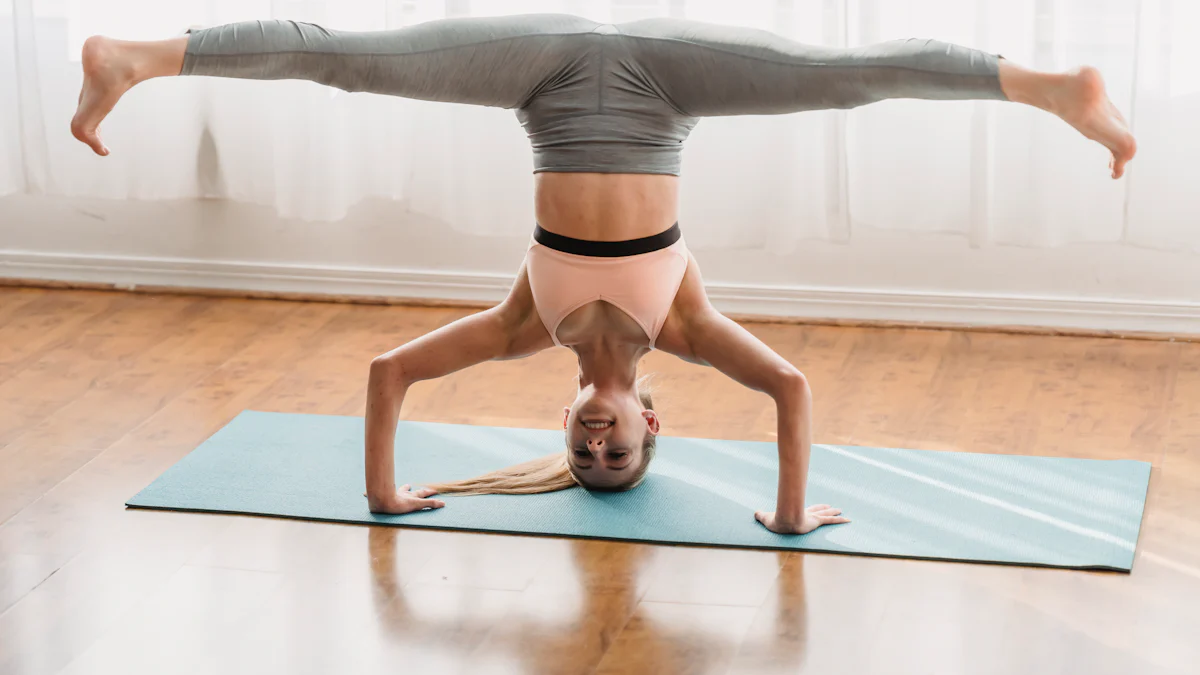
Image Source: pexels
Ashtanga Vinyasa Yoga offers numerous benefits for the body and mind. This practice enhances physical fitness and promotes mental well-being.
Physical Benefits
Strengthening and Flexibility
With Ashtanga Vinyasa Yoga, you strengthen your muscles and improve your flexibility. Ashtanga Vinyasa Yoga Poses require you to hold difficult poses for long periods of time. This process strengthens your body and increases the elasticity of your muscles. This practice generates intense internal heat, which helps detoxify the body and improve blood circulation.
Improve Cardiorespiratory Function
Ashtanga Vinyasa Yoga improves your cardiorespiratory function. The continuous flow of movements and synchronized breathing strengthen your cardiac endurance. You learn to control your breathing, which contributes to improving your endurance and overall physical condition.
Mental Benefits
Stress Reduction
Ashtanga Vinyasa Yoga helps you reduce stress. Concentrating on Ashtanga Vinyasa Yoga Poses and focusing on your breathing allows you to calm your mind. This practice offers you a sense of calm and inner peace, reducing stress and tension.
Concentration Enhancement
Ashtanga Vinyasa Yoga enhances your concentration. Consistent practice requires you to focus on the present and cultivate your attention. This process improves your mental focus and helps you develop a deeper understanding of yourself.
How to Start the Practice
When starting the practice of Ashtanga Vinyasa Yoga, it is important to prepare yourself properly and equip yourself with the necessary tools.
Preparation and Equipment
Mat Selection
Choosing the right mat is critical to your comfort and safety. Look for a mat that offers good traction and adequate support. A mat with a non-slip surface will help you maintain your stability during the poses.
Comfortable Clothing
Wear comfortable clothing that allows for free movement. Your clothing should be lightweight and sweat-wicking so that you stay cool and comfortable during the practice.
Basic Tips for Beginners
When starting Ashtanga Vinyasa Yoga, it is important to follow some basic tips to ensure a safe and effective practice.
Teacher Guidance
Guidance from an experienced teacher is invaluable. A teacher can help you learn the correct techniques and avoid injuries. It will also provide you with support and encouragement as you progress in your practice.
Gradual Progression
Ashtanga Vinyasa Yoga requires patience and persistence. Start with the basic poses and gradually progress to more complex poses. Listen to your body and respect its limits. Gradually, you will see improvements in your flexibility and strength.
Expert Advice: "Avoid overexertion and excessive pressure on yourself. The point of Ashtanga Yoga may be to increase the intensity the exercises, but you should listen and respect the limits that your body sets. Gradually, you will be able to adapt to the difficulty."
By following these instructions, you will be able to begin the practice of Ashtanga Vinyasa Yoga with safety and confidence.
Tips for Advanced Practitioners
Ashtanga Vinyasa Yoga offers a deep and demanding practice for those already experienced. Here you will find tips to deepen your practice and face the challenges that may arise.
Deepening the Practice
Personal Practice
Personal practice is the key to deepening your knowledge of Ashtanga Vinyasa Yoga. You can dedicate time every day to practice the Ashtanga Vinyasa Yoga Poses. Consistency in practice allows you to discover new aspects of yoga and improve your technique. The Mysore-Style method is ideal for personal practice, as it allows you to progress at your own pace, under the guidance of an experienced teacher.
Participation in Workshops
Participating in workshops can provide you with new knowledge and techniques. You can learn from experts and exchange experiences with other practitioners. The workshops offer an opportunity to delve deeper into the philosophy of yoga and explore more advanced Ashtanga Vinyasa Yoga Poses.
Overcoming Challenges
Injury Management
Injury management is critical to your safety. You must listen to your body and adapt your practice to its needs. If you experience injuries, it is important to consult a specialist and adjust your Ashtanga Vinyasa Yoga Poses to avoid further aggravation.
Staying Motivated
Staying motivated is essential to continuing your practice. You can set goals and track your progress. Participating in yoga communities can provide you with support and inspiration. Remember that yoga is a lifelong practice that offers ongoing growth and self-awareness.
Ashtanga Vinyasa Yoga offers numerous benefits for the body and mind, making it a complete practice. You can improve your physical condition and enhance your mental well-being. Continued practice allows you to explore deeper levels of yoga, promoting your personal growth. Yoga brings body, mind and spirit into balance, offering a more positive relationship with yourself. You are encouraged to continue your practice and discover the benefits it can bring to your life.

Written by
Maria Yogalife
Maria | Yoga & Wellness Writer at YogaLife.World Maria is a passionate yoga and wellness writer at YogaLife.World, dedicated to sharing knowledge, inspiration, and practical guidance for a healthier, more balanced lifestyle. Through her articles, she explores yoga practices, meditation, mindfulness, holistic wellness, and the transformative benefits of mindful living. With an accessible and inspiring approach, Maria helps readers of all levels discover new practices, deepen their understanding of yoga, and bring greater balance, awareness, and well-being into their everyday lives.
Visit website


