
Image Source: pexels
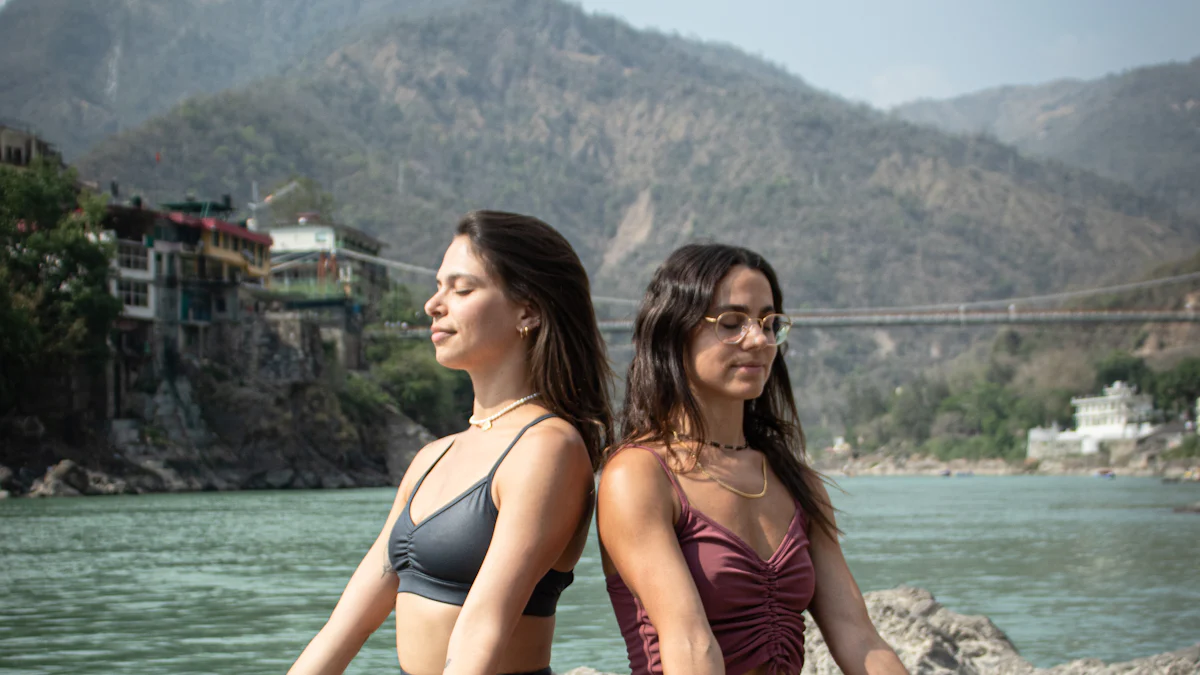
Anapurna yoga offers a unique opportunity to combine spiritual growth with adventure. During the trek, yoga strengthens your endurance and improves your flexibility. In Annapurna, you will find one of the most impressive landscapes in the world. The region is known for its variety of trails, covering over 4,000 meters altitude. This experience is not only a physical challenge, but also a spiritual escape that will inspire you to discover new aspects of yourself.
Preparing for the Trip
Physical Condition and Training
Preparing for the Annapurna trek requires good physical condition. Yoga can help you strengthen your body and improve your flexibility.
Yoga Exercises for Strength and Flexibility
A daily yoga practice can strengthen your legs and core. Try exercises like Side Plank and Chair to strengthen your muscles. Bridge and Camel will improve the flexibility of your spine. These exercises will prepare you for the demands of trekking.
Body Preparation Tips
Fitness training is essential. Focus on leg strength and balance. Walk on uphill trails and use hiking poles for support. These tools will help you maintain your balance on challenging terrain. Endurance is also important. Gradually increase the distance you walk each day.
Equipment and Packing
The right choice of equipment will make your trip more comfortable and safe. Packing light is key to an enjoyable experience.
Mountain Yoga Essentials
For mountain yoga, you need a lightweight yoga mat that is easy to carry. A warm outfit is a must for morning and evening practices. Don't forget a water bottle to stay hydrated.
Light Packing Tips
Light packing is important to keep your body weight down. Choose multi-functional clothing that dries quickly. Use compression bags to save space. Avoid unnecessary items and focus on the essentials. With these tips, you'll be ready to enjoy your Annapurna trek in comfort and safety.
During Trekking
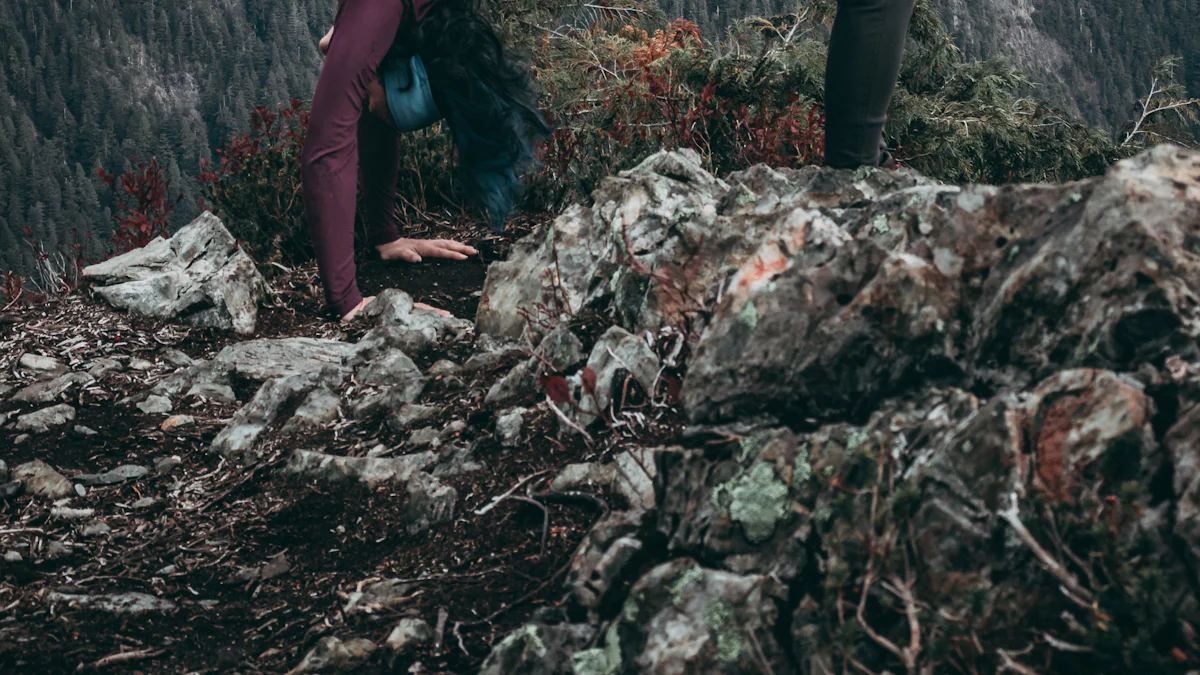
Image Source: unsplash
During trekking in Annapurna, yoga can become an integral part of your daily routine. Incorporating Anapurna Yoga into your activities will help you maintain your energy and balance.
Integrating Yoga into Your Daily Routine
Morning and Evening Yoga Practices
Start your day with a morning yoga practice. Exercises like Sun Salutation will help you wake up your body and prepare for the day. In the evening, yoga can provide you with relaxation and relief from the fatigue of the day. Exercises like Child's Pose and Body Pose will help you calm down and regain your energy.
Breathing and Meditation for Energy and Relaxation
Breathing is the key to energy and relaxation. While trekking, take a few minutes to focus on your breathing. The technique Pranayama can help you increase your energy and reduce stress. Meditation, even for a few minutes, can provide you with inner peace and connect you with the nature around you.
Cultural Etiquette and Respect
The Annapurna region is rich in cultural diversity. While trekking, it is important to show respect for local traditions and people.
Understanding and respecting local traditions
Communities in the Annapurna region, such as the Gurungs and Sherpas, have unique traditions and customs. Respect local practices and try to learn about their culture. Understanding these traditions will enrich your experience and allow you to connect more deeply with the region.
Tips for interacting with locals
When interacting with locals, be polite and open. Use simple phrases in the local language to show respect and interest. Anapurna Yoga is not only a physical activity, but also an opportunity to connect with the people and culture of the region.
Anapurna Yoga can transform your trekking into a spiritual and cultural experience. By following these practices, you will enjoy your Annapurna trek with respect and gratitude.
After Trekking
Recovery and Relaxation
After a demanding Annapurna trek, recovery and relaxation are essential for your body and mind. Yoga can help you regain your energy and restore your balance.
Yoga Exercises for Recovery
Yoga exercises after trekking are ideal for recovering your muscles. Try Child's Pose to relax your back and Pigeon Pose to release tension from your hips. These exercises will help you relieve fatigue and restore your flexibility.
Post-trekking nutrition and hydration
Proper nutrition and hydration are equally important. Eat foods rich in proteins and carbohydrates to replenish your energy. Don't forget to drink plenty of water to stay hydrated. Proper nutrition will help you recover quickly and maintain your well-being.
Review and Reminiscence
Your Annapurna experience is unique and worth recording and reflecting on. Reviewing your experiences can provide you with valuable memories and inspire you for the future.
Recording experiences and feelings
Record your experiences and feelings in a diary. Describe the moments that impressed you and the challenges you faced. This process will help you discover new aspects of yourself and appreciate the progress you have made.
"Our trekking experience was much better with the help of our guide, who guided us every step of the way."
Tips for Maintaining Your Yoga Practice
Yoga is not just for trekking. Continue your practice after the trip. Incorporate yoga into your daily routine to maintain your well-being and balance. Consistency in your practice will help you maintain the benefits you gained on Annapurna and continue to evolve.
With these tips, you will be able to fully enjoy your Annapurna experience and maintain your well-being for the future.
Anapurna Yoga offers unique benefits during trekking. It enhances your physical fitness and offers spiritual renewal. As you explore the Annapurna region, you will enjoy the diversity of flora and fauna while admiring the natural beauty. The Poon Hill viewpoint offers panoramic views that will take your breath away. We encourage you to discover this experience, combining adventure with spiritual growth. Let Anapurna Yoga guide you on a journey of self-knowledge and discovery.
See also

Written by
Maria Yogalife
Maria | Yoga & Wellness Writer at YogaLife.World Maria is a passionate yoga and wellness writer at YogaLife.World, dedicated to sharing knowledge, inspiration, and practical guidance for a healthier, more balanced lifestyle. Through her articles, she explores yoga practices, meditation, mindfulness, holistic wellness, and the transformative benefits of mindful living. With an accessible and inspiring approach, Maria helps readers of all levels discover new practices, deepen their understanding of yoga, and bring greater balance, awareness, and well-being into their everyday lives.
Visit website


