
Image Source: pexels
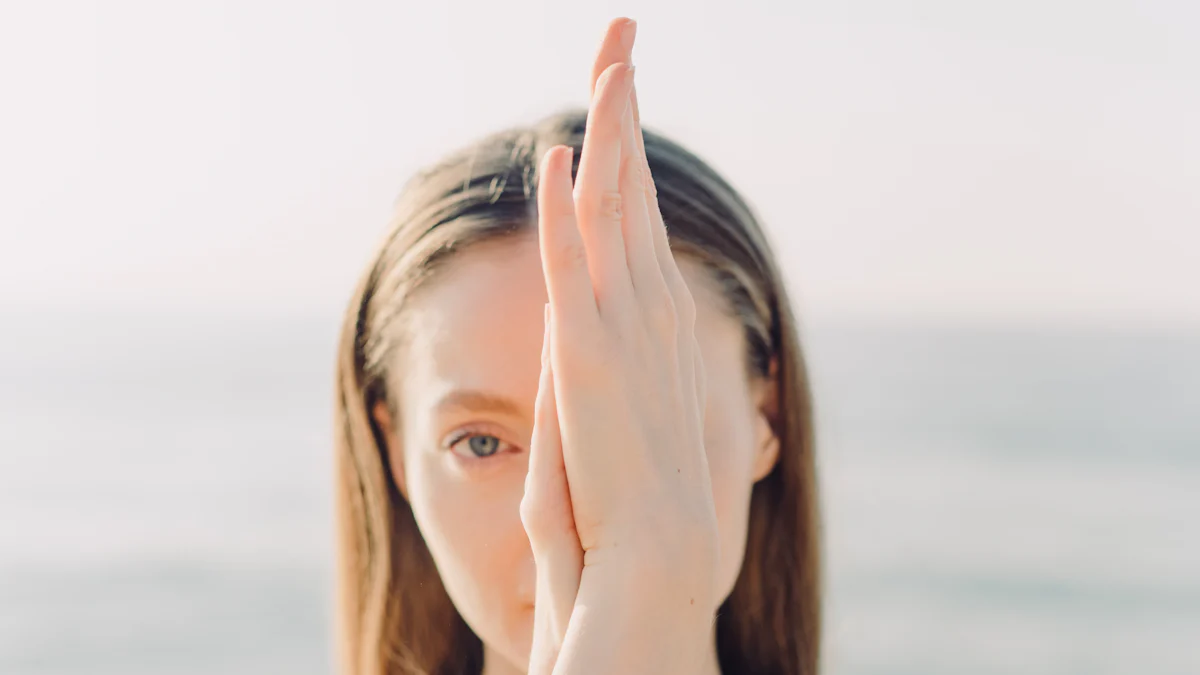
Garudasana, also known as Eagle Yoga, is a fascinating pose that challenges both body and mind. Originating in ancient Indian tradition, this asana symbolizes the strength and vigilance of the eagle. Practicing this pose not only improves your flexibility and balance but also your inner equilibrium. Regular practice of Garudasana can help you experience a sense of inner freedom and joy. Let yourself be inspired by the power of this pose and discover how it can enrich your life.
Benefits of Garudasana
Physical Benefits
Improved Flexibility
Garudasana is an excellent exercise for increasing your flexibility. With regular practice, you'll notice that your hips, legs, and shoulders feel more supple. This pose stretches and relaxes the neck and shoulders, which is especially helpful if you spend a lot of time at a desk. Joint flexibility improves, particularly in the shoulders and hips. You'll notice how your mobility in everyday life improves.
Muscle Strengthening
In addition to flexibility, Garudasana also has a strengthening effect. This pose strengthens the legs, calves, and hands. You will notice that the muscles in these areas become stronger. Garudasana promotes growth and strengthens the kidneys and nerves. This pose can also help with hip pain and rheumatism. If you practice regularly, you will notice an improvement in your body shape and an overall strengthening of your muscles.
Mental Benefits
Improved Concentration
Garudasana is not only a physical challenge but also a mental one. This pose requires focused attention, which enhances your concentration skills. While maintaining your balance, you are simultaneously training your mind to concentrate on a single point. This skill can help you be more focused and productive in everyday life.
Stress Reduction
Practicing Garudasana can also have a calming effect on your mind. The gentle stretch and pressure on blood vessels and nerve pathways improve circulation and stimulate lymphatic drainage. This can help reduce mental stress and promote a sense of inner freedom and joy. You will find that you feel more relaxed and balanced after practicing.
Preparing for Garudasana
Before you begin the Garudasana pose, it is important to prepare well. Good preparation helps you perform the pose safely and effectively. Here are some tips that can help you prepare optimally for Garudasana.
Essential Equipment
To master the Garudasana pose, you need the right equipment. This ensures not only comfort but also safety during the practice.
Yoga Mat
A yoga mat is essential. It provides the necessary stability and prevents you from slipping on smooth surfaces. Make sure the mat is non-slip and offers enough cushioning to protect your joints. A good yoga mat helps you maintain your balance and perform the pose correctly.
Comfortable Clothing
Wear comfortable clothing that allows you complete freedom of movement. Tight or restrictive clothing can hinder your movements and make it more difficult to perform the pose. Choose breathable materials that absorb sweat and keep you cool during your practice. This way, you can fully concentrate on the pose without feeling uncomfortable.
Warm-up Exercises
Before you begin Garudasana, you should warm up your body. Warm-up exercises prepare your muscles and joints for the upcoming exertion and reduce the risk of injury.
Stretching Exercises
Start with stretching exercises to loosen your muscles and increase flexibility. Focus on your shoulders, hips, and legs, as these areas are particularly stressed in Garudasana. Stretching helps improve joint mobility and increase synovial fluid, which reduces joint stiffness.
Breathing Exercises
Breathing exercises are also important to mentally prepare for the pose. They help calm your mind and promote concentration. Breathe deeply in and out to oxygenate your body and improve circulation. These exercises will help you stay calm and focused during Garudasana.
With the right equipment and appropriate warm-up exercises, you'll be well-prepared to master Garudasana safely and effectively. Enjoy your practice!
Step-by-Step Instructions for Garudasana
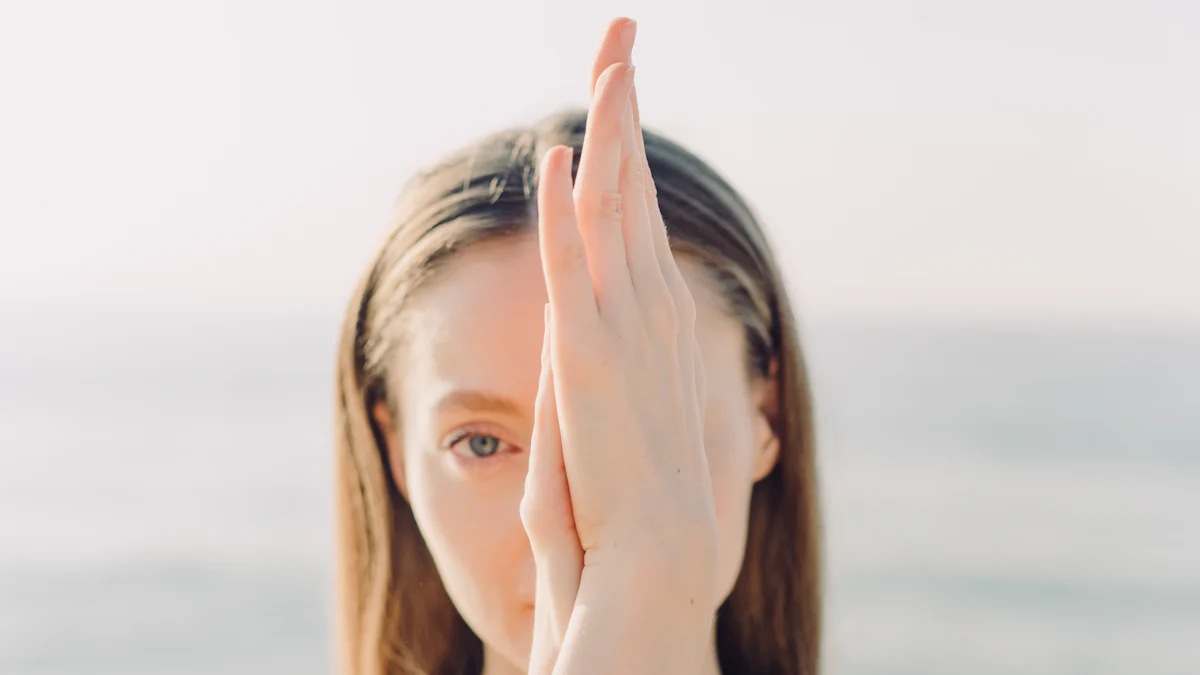
Image Source: pexels
Starting Position
Standing Position
Begin in Tadasana, the Mountain Pose. Stand upright with your feet together and distribute your weight evenly on both feet. This position helps you create a stable base, which is essential for Garudasana (Eagle Pose). Breathe deeply in and out to center yourself and prepare your mind for the upcoming pose.
Arm Position
Extend your arms parallel to the floor. Cross your right arm over your left so that your elbows are stacked on top of each other. Bend your elbows and bring your palms together, if possible. This arm position promotes flexibility in the shoulders and stretches the neck. It also helps you increase concentration by focusing on the connection between your hands.
````````````` ### Performing the Pose
#### Leg Positioning
Shift your weight onto your left foot. Lift your right leg and wrap it around your left leg so that your right thigh is over your left. Try to hook your right foot behind your left calf. This position improves hip flexibility and strengthens your leg muscles.
#### Maintaining Balance
Keep your torso upright and focus your gaze on a fixed point in front of you. This focus, also called **Drishti**, helps you maintain your balance. Continue breathing calmly and feel yourself finding stability in the movement. This balancing exercise not only strengthens your body but also your mind by teaching you to remain calm amidst change.
### Ending the Pose
#### Returning to the Starting Position
Slowly release your legs and arms. Gently return to Tadasana (Garudasana). This return to the starting position allows your body to relax and integrate the effects of the pose. Breathe deeply in and out to ease the transition.
#### Relaxation
Take a moment to reflect on the pose. Feel the stretch in your shoulders and the relaxation in your lower back. This relaxation helps reduce mental stress and promotes a sense of inner peace. Enjoy the feeling of balance and freedom that Garudasana gives you.
## Common Mistakes and How to Avoid Them
#### Balance Issues
Garudasana requires good balance, which can be challenging for many. You stand on one leg with your arms and legs crossed. This pose can be wobbly at first, but with the right technique, you can improve your balance.
#### Tips for Improvement
1. **Focus your gaze**: Fix your gaze on a fixed point in front of you. This technique, known as Drishti, helps you maintain your balance. A stable focus can work wonders for finding your equilibrium.
2. **Engage your core muscles**: Engage your abdominal muscles for stability. A strong core helps you hold the pose securely.
3. **Distribute your weight evenly**: Make sure your weight is evenly distributed on your standing leg. This prevents you from tipping to the side.
4. **Practice regularly**: Balance requires practice. The more often you practice Garudasana, the better your balance will become. Patience and consistency are key.
2. **Engage your core muscles**: **Expert Opinion**: "Garudasana teaches the art of finding [stability within movement](https://fastercapital.com/de/inhalt/Fokustechniken--Yoga-Uebungen--Yoga-Uebungen--Koerper-und-Geist-fuer-einen-schaerferen-Fokus-in-Einklang-bringen.html). By balancing on one leg while simultaneously crossing your arms and the other leg, you develop deep inner strength."
### Incorrect Arm Position
The correct arm position is crucial for the proper execution of Garudasana. Many people make the mistake of not crossing their arms correctly, which impairs the stretch and the benefits of the pose.
#### Correction Tips
1. **Cross your arms correctly**: Begin by extending your arms parallel to the floor. Cross your right arm over your left so that your elbows are on top of each other. Bend your elbows and bring your palms together, if possible.
2. **Pay attention to your shoulders**: Keep your shoulders relaxed and don't raise them towards your ears. This helps prevent tension in your neck.
3. **Use props**: If you have trouble bringing your hands together, you can use a strap or band to connect them. This allows for a gentle stretch and helps improve flexibility.
4. **Be patient**: The correct arm position requires flexibility in the shoulders. Be patient with yourself and work on your mobility consistently.
> **Expert opinion**: "Garudasana, with its knotted arms and legs, improves flexibility and mobility in the joints, especially in the shoulders and hips."
With these tips, you can avoid common mistakes in Garudasana and perform the pose safely and effectively. Practice makes perfect, so keep at it and enjoy the journey to greater balance and flexibility!
## Tips for Advanced Practitioners
### Variations of Garudasana
Once you've mastered the basics of Garudasana, you can venture into more advanced variations. These variations offer you the opportunity to deepen your practice and discover new challenges.
#### Single-Leg Variations
Single-leg variations of Garudasana require more balance and concentration. You can try bending your knees and practicing single-leg squats. This exercise strengthens your leg muscles and improves your stability. When you feel confident, you can also integrate Garudasana into other asanas, such as headstand or shoulder stand. These combinations promote flexibility and strengthen your entire body.
#### Extended Arm Poses
Extended arm poses in Garudasana offer an additional challenge for your shoulders and arms. You can try extending your arms further or clasping your hands behind your back. These variations promote flexibility in the shoulders and improve mobility. Be patient with yourself and work consistently on your flexibility to master these advanced arm poses.
#### Integration into Yoga Practice
Integrating Garudasana into your regular yoga practice can help you develop a deeper connection with your body and mind. Here are some tips on how to incorporate Garudasana into your practice.
#### Combining with Other Poses
Garudasana combines beautifully with other yoga poses. You can integrate it into a flowing Vinyasa sequence or use it as part of a balance exercise. These combinations promote coordination and help you develop a harmonious practice. Experiment with different poses and find out which combinations work best for you.
#### Building a Routine
A regular practice is key to mastering Garudasana. Develop a routine that includes both warm-up exercises and Garudasana variations. This routine will help you continuously improve your flexibility and balance. Set realistic goals and stay motivated to track your progress. Over time, you'll find that your practice deepens and you develop a sense of inner strength and balance.
... **Expert Opinion**: "Advanced practitioners can bend their knees in Garudasana and practice single-leg squats. They can also practice Garudasana in other asanas, such as headstand or shoulder stand."
## Eagle Yoga in Practice
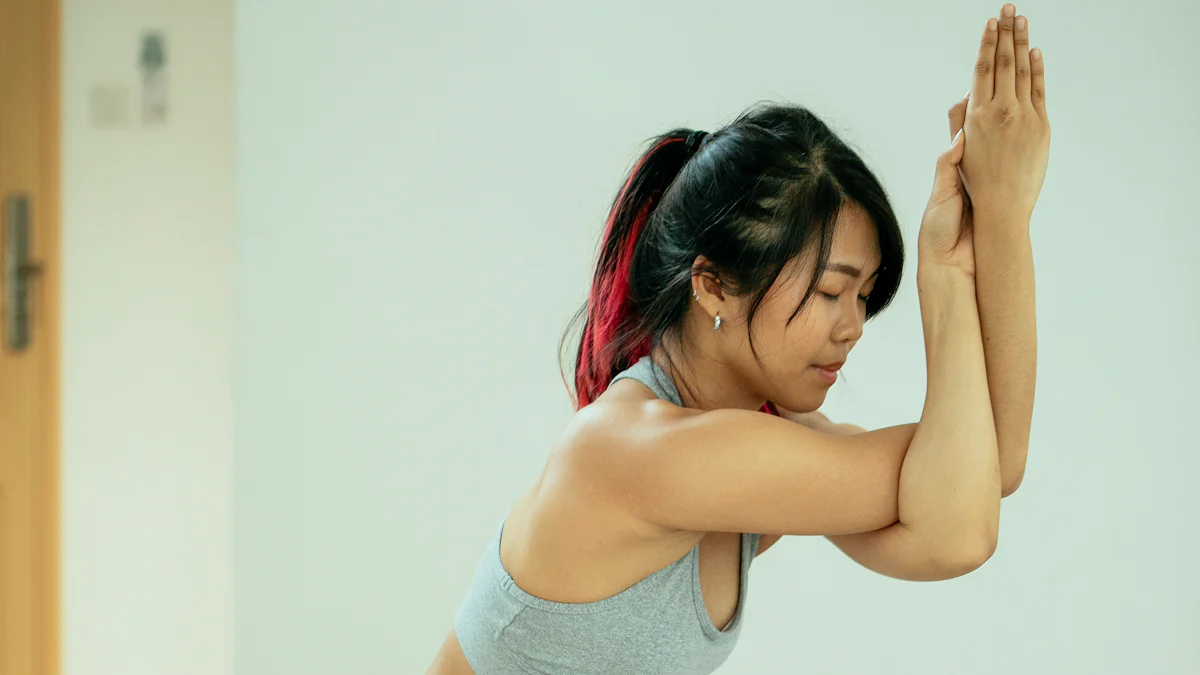
Image Source: [pexels](https://pexels.com)
### Eagle Yoga in Everyday Life
Garudasana, also known as Eagle Yoga, can help you bring more stability and balance to your daily life. This pose is not only a physical exercise but also a way to find your inner peace. You can use Garudasana to alleviate Vata symptoms such as nervousness and anxiety. When you feel stressed, take a moment to practice this pose. It will help you center yourself and calm your mind.
In everyday life, you can also use Garudasana to improve your flexibility and mobility. Stretching the muscles in your shoulders and hips promotes range of motion and reduces joint stiffness. You can feel these benefits with regular practice. The pose stimulates the body and helps overcome the sluggishness of the Kapha dosha. You will find that you feel refreshed and energized after practicing.
... ### Eagle Yoga and Mindfulness
Garudasana is a wonderful way to integrate mindfulness into your life. The pose requires balance and concentration, which helps you stay in the present moment. While holding the pose, you focus on your breath and the alignment of your body. This concentration sharpens your mind and promotes mental clarity.
The connection to meditation is particularly strong in Garudasana. You can use the pose as part of your meditation practice to develop a deeper connection to your inner self. The balance requirement of the pose trains your mind to remain calm and focused, even when external circumstances are challenging. This ability to be present in the moment can help you bring mindfulness into all areas of your life.
> **Expert Opinion**: "Garudasana promotes concentration and sharpens the mind. It trains the mind to stay in the present moment and helps overcome the inertia of the Kapha dosha."
Garudasana offers you numerous benefits, both physical and mental. You improve your flexibility, strengthen your muscles, and enhance your concentration. This pose helps you reduce stress and find inner peace.
> **Liam**: "[This practice taught me patience] and allowed me to observe the patterns of my mind, leading to a new clarity."
I encourage you to practice Garudasana regularly. You will feel the positive changes in your everyday life. Share your experiences with others and inspire them to discover the power of this pose as well.
## See also
[Master the 108 Key Yoga Exercises Effectively](https://yogalife.world/blog/how-to-practice-108-key-yoga-exercises-effectively/)
[Discover Yoga on Dinghoferstrasse in Linz](https://yogalife.world/blog/yoga-dinghoferstrasse-linz-kurse-angebote/)
[Enhance Your Yoga Practice Through Proper Nutrition](https://yogalife.world/blog/how-nutrition-enhances-your-yoga-practice/)
[Effective Weight Loss Support Through Yoga](https://yogalife.world/blog/how-yoga-supports-weight-loss-effectively/)

Written by
Maria Yogalife
Maria | Yoga & Wellness Writer at YogaLife.World Maria is a passionate yoga and wellness writer at YogaLife.World, dedicated to sharing knowledge, inspiration, and practical guidance for a healthier, more balanced lifestyle. Through her articles, she explores yoga practices, meditation, mindfulness, holistic wellness, and the transformative benefits of mindful living. With an accessible and inspiring approach, Maria helps readers of all levels discover new practices, deepen their understanding of yoga, and bring greater balance, awareness, and well-being into their everyday lives.
Visit website


