
The Lotus Flower in Yoga and Its Symbolism
Image Source: pexels
The lotus flower, a symbol of beauty and purity, plays a fundamental role in yoga. Its ability to emerge immaculate from the mud represents the purity of heart and mind. In yoga practice, the flower of a [yoga pose, known as Padmasana](https://www.ayurera.it/il-fiore-di-loto- simbologia-e-yoga/), symbolizes enlightenment and spiritual awakening. This pose, used for meditation, integrates all aspects of yoga, promoting physical and spiritual well-being. The lotus, associated with the 7 main chakras, inspires personal growth and detachment from material impurities.
Origins and Cultural Significance of the Lotus Flower
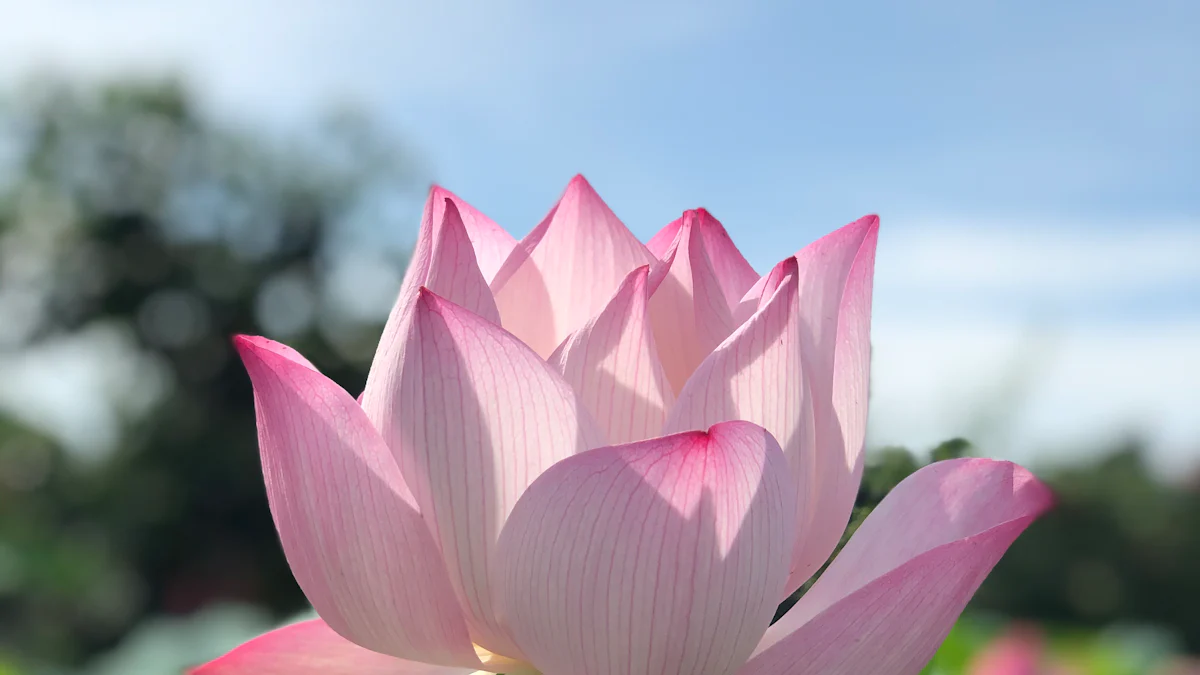
Image Source: pexels
History of the Lotus Flower
Origins in Ancient Cultures
The lotus flower has deep roots in ancient cultures, where it was revered for its beauty and symbolism. In Egypt, the blue lotus was associated with the sun and creation, representing the sun's daily rebirth. The ancient Egyptians considered it a symbol of resurrection and regeneration. In India, the lotus has always been a symbol of purity and divinity, often depicted in the hands of Hindu deities such as Vishnu and Lakshmi. Its ability to emerge immaculate from muddy water made it a powerful symbol of spiritual purity.
Historical and mythological references
In Greek mythology, the lotus was associated with oblivion and peace. Homer's Odyssey tells of a people, the Lotus Eaters, who fed on lotus flowers to forget the past and live in a state of bliss. In China, the lotus flower has been a symbol of perfection and beauty since ancient times, often depicted in art and poetry as an emblem of purity and nobility. These historical and mythological references demonstrate how the lotus has profoundly influenced various cultures over the centuries.
Meaning in Different Cultures
Symbolism in Asia
In Asia, the lotus flower is a symbol of enlightenment and spiritual growth. In Buddhism, it represents the path to enlightenment, with the Buddha often depicted sitting on a lotus. This flower symbolizes the ability to emerge from suffering and impurities to reach a state of purity and wisdom. In Japan, the lotus is associated with beauty and grace, representing perfection and elegance.
Western Interpretations
In Western cultures, the lotus flower is seen as a symbol of beauty and rebirth. Its ability to grow in muddy waters and bloom uncontaminated makes it a powerful symbol of resilience and perseverance. In the West, the lotus is often used as a metaphor for personal growth and overcoming adversity. Its exuberant beauty and its ability to emerge from difficulty make it a universal symbol of hope and transformation.
Symbolism of the Lotus Flower in Yoga
Purity and Enlightenment
Meaning of Spiritual Purity
The lotus flower symbolizes spiritual purity in yoga. Its ability to emerge immaculate from the mud represents the heart and mind remaining uncontaminated by the impurities of the world. A Buddhist expert states that the lotus represents the heart, which blossoms thanks to virtues acquired over time. This symbol inspires yogis to cultivate inner purity, keeping the mind free of negative thoughts and material distractions.
Representation of Enlightenment
In the context of yoga, the lotus flower is also a powerful symbol of enlightenment. Its growth from muddy waters to blossom represents the individual's spiritual path to awareness and wisdom. A Yoga Expert emphasizes that the lotus indicates the path of the soul's growth from materialism to enlightenment. This spiritual journey is symbolized by the lotus position, or Padmasana, which promotes deep meditation and detachment from external distractions.
Resilience and Growth
Growth in Muddy Waters
The lotus flower grows in muddy waters, yet blooms uncontaminated. This characteristic makes it a symbol of resilience. Yogis see in this flower the ability to overcome adversity and emerge stronger and purer. Its growth in difficult conditions represents the inner strength needed to face life's challenges.
Metaphor for Personal Growth
The lotus is a metaphor for personal growth. Its transformation from a seed in the mud to a shining flower symbolizes the individual's journey toward self-realization. A Buddhist expert describes the lotus as a symbol of spiritual development and self-awareness. This flower inspires yogis to pursue personal growth, encouraging them to develop patience, love, and self-confidence.
Lotus Flower Colors and Their Meanings
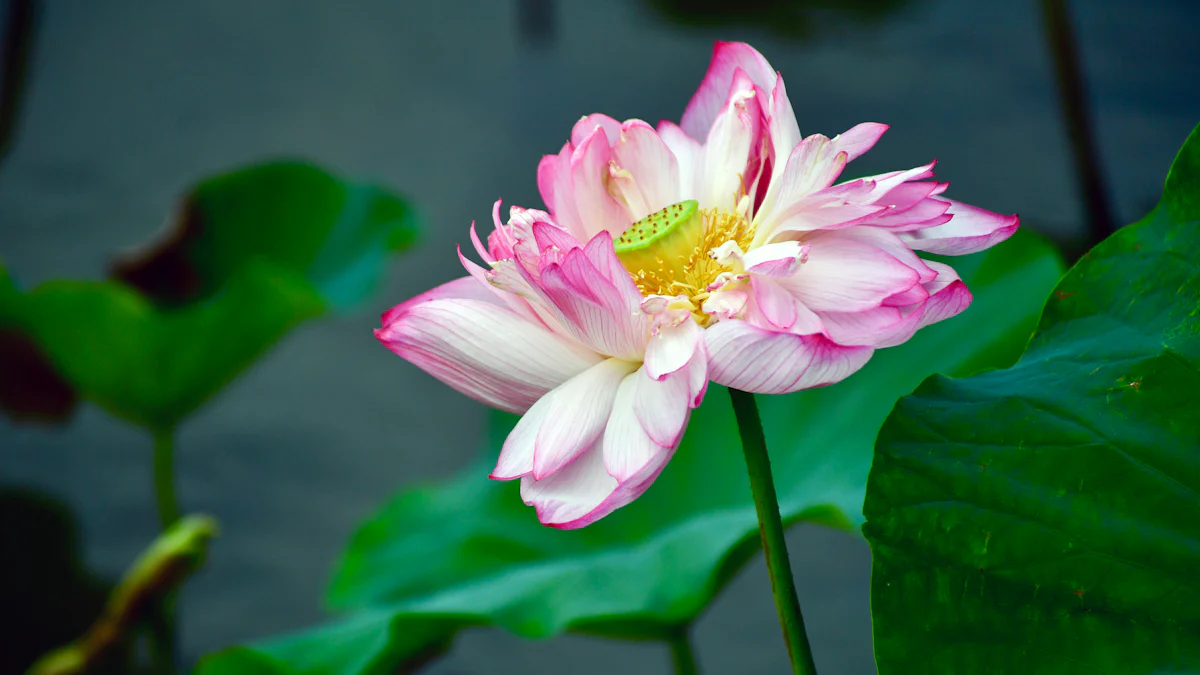
Image Source: pexels
Meaning of Colors
White Lotus and Purity
The white lotus represents [purity of the body, mind](https://www.ilgiardinodeilibri.it/speciali/fiore-di-loto-un- simbolo-per-la-tua-crescita-spirituale.php?srsltid=AfmBOooT4UgxzYXFnz0hP4FauiuXJtnMFlAThd33Ipl5wQFzy9WFQ-vy) and speech. This color symbolizes spiritual enlightenment and perfection. In Buddhist tradition, the white lotus is often associated with the figure of the Buddha, who embodies purity and wisdom. Its immaculate beauty emerges from the mud, a reminder that inner purity is not compromised by external circumstances.
Blue Lotus and Wisdom
The blue lotus symbolizes wisdom and knowledge. This color represents the spirit's control over the senses and the importance of mind over matter. In Eastern culture, the blue lotus is often depicted half-open, indicating that wisdom is a continuous process of growth and discovery. Its presence inspires individuals to seek truth and develop a deeper understanding of life.
Chakra Associations
Red Lotus and the Heart Chakra
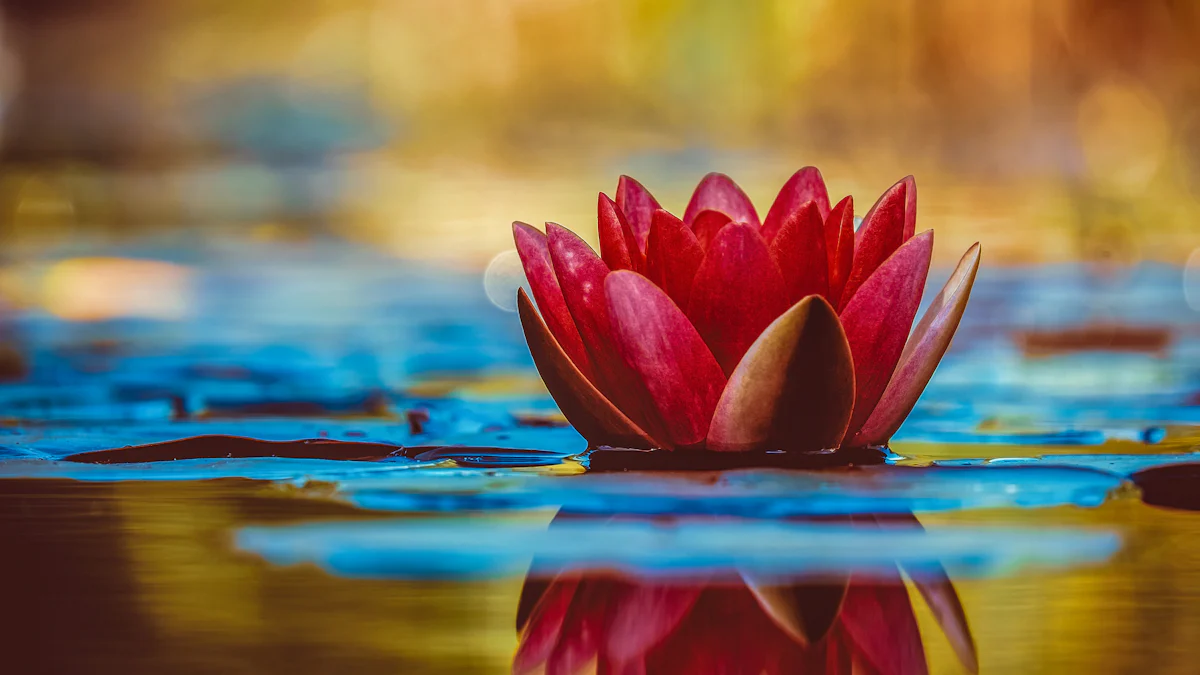
The red lotus is closely linked to the heart chakra, which represents love, compassion, and passion. This color symbolizes the openness of the heart and the ability to love unconditionally. In yoga practice, the red lotus inspires yogis to cultivate love and kindness towards themselves and others, promoting harmony and inner balance.
Purple Lotus and the Crown Chakra
The purple lotus is associated with the crown chakra, which represents spirituality and connection with the universe. This color symbolizes enlightenment and transcendence. In meditation, the purple lotus helps one reach a higher state of awareness, fostering connection with the divine. Its presence inspires individuals to explore their spirituality and seek a deeper understanding of their place in the universe.
The Lotus Flower in Yoga Practice
Lotus Pose (Padmasana)
The lotus pose, known as Padmasana, is one of the most iconic yoga poses. This pose not only symbolizes spiritual enlightenment, but also offers numerous physical and mental benefits.
Physical Benefits
-
Reduced Blood Pressure: Regular practice of Padmasana helps stabilize blood pressure, promoting a healthy cardiovascular system.
-
Improved Digestion: Sitting in this pose stimulates the abdominal organs, improving digestion and preventing digestive disorders.
-
Blood Circulation: The lotus pose improves blood circulation in the pelvic organs, contributing to overall well-being.
Spiritual Benefits
-
Calm and Introspection: Padmasana promotes emotional states of calm and stillness, facilitating meditation and contemplation.
-
Relaxation and Concentration: This pose helps relax the mind, improving concentration and promoting a state of deep relaxation.
-
Spiritual Growth: The flower in a yoga pose like Padmasana represents the growth of the soul, a symbol of patience, love, and self-awareness.
Meditation and Visualization
Meditation is a fundamental element of yoga practice, and the flower in a yoga pose like the lotus plays a crucial role in this process.
Meditation Techniques
-
Mindful Breathing: Focusing on the breath while in Padmasana helps calm the mind and enter a meditative state.
-
Mantras and Visualizations: Chanting mantras or visualizing positive images while sitting in the lotus position can intensify the meditative experience.
Lotus Visualization
-
Lotus Image: Visualizing a blooming lotus flower during meditation can symbolize personal and spiritual growth.
-
Symbol of Purity: The flower of a yoga pose like the lotus represents purity and enlightenment, inspiring yogis to pursue their inner growth.
Practicing the flower of a yoga pose like the lotus not only enriches the physical practice, but also nourishes the soul, promoting a state of balance and inner harmony.
Personal Reflections and Practical Applications
Applications in Daily Life
Symbolism in Personal Growth
The lotus flower, with its ability to emerge immaculate from the mud, represents a powerful symbol of personal growth. Every individual, like the lotus, can face life's difficulties and transform into a better version of themselves. This symbol inspires people to maintain purity of heart and mind, despite daily challenges. The beauty of the lotus, which opens at dawn and closes at night, reminds us that true inner beauty is not compromised by external circumstances.
Uses in Spiritual Practice
In spiritual practice, the lotus flower offers a model of resilience and enlightenment. Yogis use the lotus as a guide to keep the mind free from impurities and material distractions. Meditation on the lotus symbol helps cultivate inner purity and achieve a higher state of awareness. This flower becomes a companion on the spiritual journey, encouraging personal growth and transformation.
Reflections on Symbolism
Importance in Modern Culture
In modern culture, the lotus flower continues to be a symbol of beauty and purity. Its deep roots in ancient cultures make it a universal emblem of hope and rebirth. In a world where people search for meaning and connection, the lotus offers a reminder of the power of resilience and the ability to emerge from adversity. Its symbolism finds application in various fields, from art to philosophy, inspiring individuals and communities to pursue personal and spiritual growth.
Relevance to Personal Development
The lotus flower is relevant to personal development, as it represents the individual's journey toward self-realization. Its transformation from a seed in the mud to a radiant flower symbolizes each person's potential to overcome difficulties and flourish uncontaminated. This symbol inspires people to cultivate patience, love, and self-confidence, promoting a state of balance and inner harmony. The lotus thus becomes a beacon of hope and a model of continuous growth.
The lotus flower embodies symbols of purity, rebirth, and resilience. Growing in murky waters, it blooms uncontaminated, representing the ability to emerge from difficulties with spiritual purity. In yoga, the lotus symbolizes detachment from the outside world and the pursuit of inner enlightenment. Its beauty and integrity inspire personal growth, encouraging individuals to maintain purity of heart and mind. In an ever-changing world, the lotus flower remains a powerful symbol of hope and transformation.
See also

Written by
Maria Yogalife
Maria | Yoga & Wellness Writer at YogaLife.World Maria is a passionate yoga and wellness writer at YogaLife.World, dedicated to sharing knowledge, inspiration, and practical guidance for a healthier, more balanced lifestyle. Through her articles, she explores yoga practices, meditation, mindfulness, holistic wellness, and the transformative benefits of mindful living. With an accessible and inspiring approach, Maria helps readers of all levels discover new practices, deepen their understanding of yoga, and bring greater balance, awareness, and well-being into their everyday lives.
Visit website


