
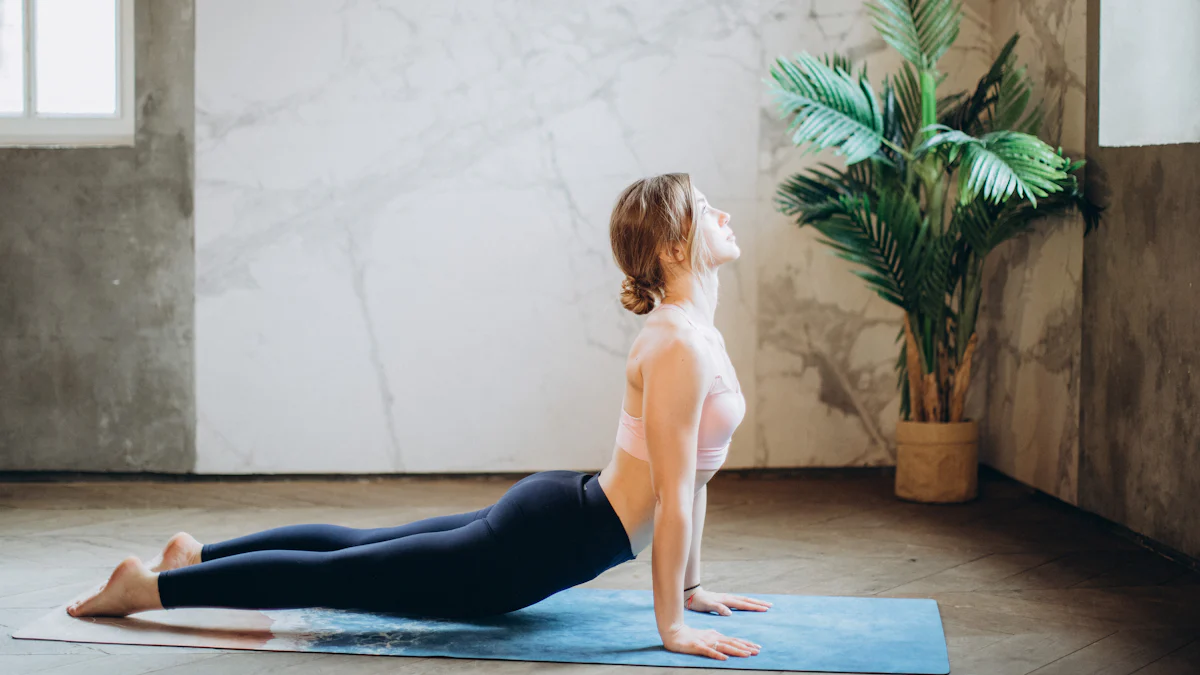
How to Start Yoga: Tips for Beginners (https://statics.mylandingpages.co/static/aaanxdmf26c522mp/image/56b4133a3a6f42e4b07a6d9e919a22aa.webp)
Image Source: pexels
Yoga is becoming increasingly popular in Russia. From 2021 to 2022, the number of yoga centers in major cities increased by 21. This is not surprising, as yoga offers many benefits, especially if you're just starting out. It helps improve flexibility and strengthen muscles, while also promoting relaxation and stress reduction. If you're new to yoga, don't worry. Yoga is suitable for everyone, regardless of age or skill level. Once you begin practicing, you will quickly feel positive changes in your body and mind.
Yoga Basics for Beginners
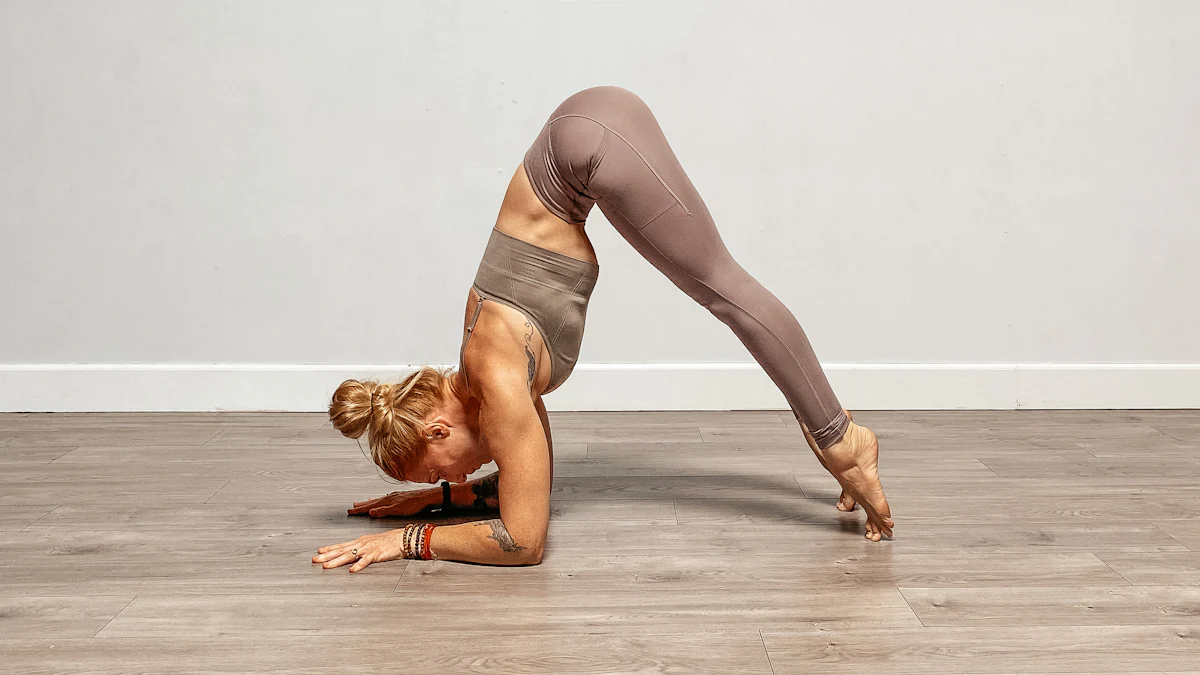
Image Source: unsplash
What is Yoga?
Yoga is an ancient practice that combines physical exercise, breathing techniques, and meditation. It helps improve physical and mental health and promotes harmony between body and mind.
History and Philosophy of Yoga
Yoga originated in India over 5,000 years ago. It is based on a philosophy that strives for the unity of body, mind, and spirit. Ancient texts such as the Vedas and Upanishads describe yoga as a path to self-knowledge and inner peace. For a yoga beginner, it is important to understand that yoga is not only physical exercise but also a profound philosophy that helps find balance in life.
Basic Principles and Goals
The basic principles of yoga include ahimsa (non-violence), satya (truthfulness), and asteya (non-appropriation). These principles help develop awareness and respect for oneself and others. The goals of yoga are varied: from improving physical fitness to achieving inner peace. For a yoga beginner, it is important to remember that every step along the path brings benefit.
Different Types of Yoga
There are many styles of yoga, each with its own characteristics and benefits. Choosing the right style depends on your goals and preferences.
Hatha Yoga
Hatha yoga is one of the most popular styles, especially for yoga beginners. It focuses on asanas (postures) and pranayama (breathing exercises), which help strengthen the body and improve flexibility. Hatha yoga is ideal for those who want to start with the basics and gradually deepen their practice.
Vinyasa Yoga
Vinyasa yoga is characterized by dynamic and fluid transitions between poses. This style helps develop endurance and coordination. Vinyasa yoga is suitable for those who prefer more active practices and want to improve their physical fitness.
Other Popular Styles
Besides hatha and vinyasa yoga, there are other popular styles such as Ashtanga, Bikram, and Kundalini. Each has its own unique characteristics and can offer something new for a yoga beginner. For example, Ashtanga yoga is known for its strict sequence of poses, while Bikram is performed in a hot room, which promotes detoxification.
Research shows that yoga helps with back problems, improves cardiovascular health, and reduces stress. This makes yoga especially useful for beginners looking for ways to improve their health and mental well-being.
Preparing for Yoga
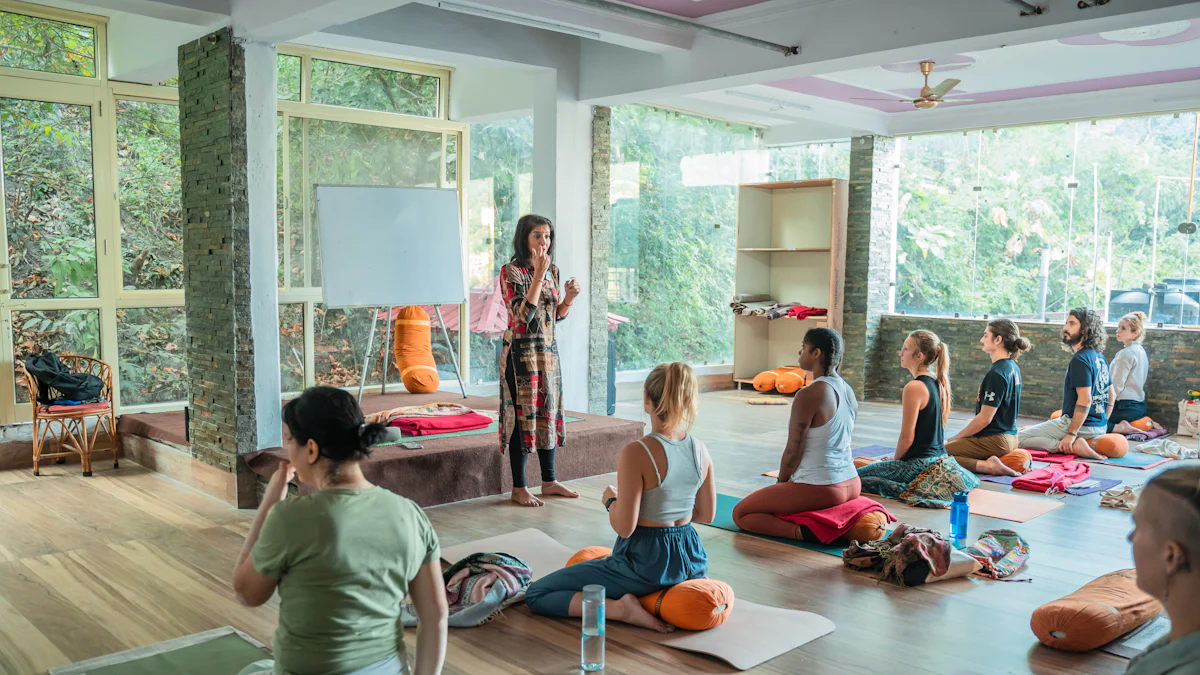
Image Source: pexels
Necessary Equipment
When starting your yoga journey as a beginner, it's important to prepare properly. The first thing you'll need is a yoga mat. It provides good traction and prevents your hands and feet from slipping during asanas. This is especially important for standing and inverted poses. Regular fabric mats or blankets are not suitable, as they do not provide the necessary stability.
It's also worth paying attention to comfortable clothing. Choose lightweight and breathable materials, such as cotton. Clothing should not restrict movement so you can perform all the exercises freely. Convenience and comfort are key factors for a successful practice.
Choosing a Location for Practice
Now that you have all the necessary equipment, it's time to choose a location for your practice. You have two main options: practicing at home or in a studio.
At Home
Practicing yoga at home is an excellent choice for those who value comfort and flexibility in their schedule. You can create a cozy space where nothing will distract you. Make sure you have enough space to perform all the poses. You can use video tutorials or online resources to follow the instructions of experienced instructors. This is especially helpful for yoga beginners just beginning to master the basics.
At a Studio
If you prefer practicing in a group setting and under the guidance of a professional, a yoga studio is your choice. The benefits of practicing in a studio include the opportunity to receive feedback from an instructor and interact with other practitioners. This can be especially helpful for a yoga beginner who wants to master the technique faster and avoid mistakes. At the studio, you can also try different yoga styles and find the one that's right for you.
Tip: Regardless of where you choose to practice, it's important to establish a regular schedule. This will help you progress faster and enjoy your practice more.
Tips for a Successful Start
Establishing a Regular Schedule
Regularity is the key to yoga success. To experience the full benefits of your practice, it's important to establish a consistent practice schedule.
Choosing a Time for Practice
Choose a time that works best for you. Morning practices help you recharge for the day, while evening practices help you unwind after work. The key is to choose a time when you can fully focus on your practice, without the distractions of everyday life.
Duration of Practice
Start with short sessions. Experts recommend practicing half an hour every day, rather than three hours once a month. This will help you get used to the practice faster and avoid overexertion. Gradually increase the duration of your sessions when you feel ready.
The Importance of Warming Up and Stretching
Warming up and stretching are essential elements of any workout, and yoga is no exception. They help prepare the body for the stress and prevent injury.
Basic Warm-Up Exercises
Before starting your practice, do a few simple warm-up exercises. These can include shoulder circles, head tilts, and light stretches. These exercises warm up the muscles and joints, preparing them for more challenging asanas.
Stretching After Practice
After completing your practice, take some time to stretch. This will help loosen your muscles and improve flexibility. Simple exercises like forward bends or child's pose can help relieve tension and end your practice on a positive note.
Tip: Music can be a great addition to your practice. It helps set the right mood and promote relaxation, which is especially important for beginners. Choose calming tunes that will help you focus and enjoy the process.
Overcoming Difficulties and Motivation
Starting a yoga practice can be challenging, especially if you're new to yoga. However, knowing how to cope with difficulties and maintain motivation can help you overcome any obstacles on the path to harmony and health.
How to Cope with Difficulties
Overcoming Physical Fatigue
Physical fatigue is a natural part of the process, especially for a yoga beginner. To cope with it, it's important to listen to your body. If you feel tired, give yourself time to rest. Don't forget the importance of proper breathing during practice. It helps you relax and recharge. Yoga is not a race, but a path to self-discovery and improved health.
Psychological Barriers
Psychological barriers can include fear of failure or doubts about your abilities. Remember that every yoga beginner faces these challenges. Try to focus on the process, not the outcome. Yoga teaches us to accept ourselves as we are, and this is one of its most important lessons.
Maintaining Motivation
Setting Goals
Setting goals is a great way to stay motivated. Start with small, achievable goals, such as practicing regularly three times a week. Gradually increase their difficulty. This will help you see progress and stay motivated. Every step towards your goal is a success.
Keeping a Practice Journal
Keeping a practice journal is a useful tool for tracking your progress. Record how you feel after each session, noting your achievements and challenges. This will help you better understand your strengths and weaknesses. The journal will become your personal mentor and source of inspiration.
Story of one practitioner: "I love the intimacy of the classes and the informal approach of the instructors. Yoga helps me in my life, especially in my fight against depression. I regret not starting earlier."
Remember that yoga is not only a physical practice but also a path to inner peace. Every yoga beginner can face difficulties, but with the right approach and motivation, you can overcome them and achieve harmony.
Questions and Answers for Beginners
Should I study with an instructor?
When you're just starting out as a yoga beginner, the question arises: should I study with an instructor or can I practice independently? Let's find out.
Benefits of Studying with an Instructor
Studying with an instructor has many benefits. First, an instructor will help you perform the asanas correctly, which is especially important for those new to yoga. Incorrect poses can lead to injury, so professional help is essential at the beginning.
Tanya Meshcheryakova, an experienced yoga teacher, notes: "The teacher plays a key role in the yoga practice. They not only correct technique but also inspire students to further develop."
Furthermore, classes with an instructor allow you to receive feedback and correct mistakes in real time. This helps you progress faster and avoid bad habits. The instructor can also offer personalized recommendations based on your physical abilities and goals.
Independent Practice
Independent practice also has its advantages. It allows you to practice at a convenient time and in a comfortable environment. You can use online resources and video tutorials to follow the instructions of experienced instructors. This is especially helpful if you're new to yoga and want to master the basics at your own pace.
However, it's important to remember that practicing on your own requires discipline and attention. Be mindful of your body and safety. If you have any doubts, it's best to seek professional advice.
Contraindications and Precautions
Yoga is suitable for most people, but there are some contraindications and precautions to consider, especially if you're new to yoga.
Medical Restrictions
It's recommended to consult a doctor before beginning a yoga practice, especially if you have chronic illnesses or recent injuries. Some asanas may be contraindicated for certain medical conditions, such as high blood pressure or spinal problems.
Safety Tips
Safety is a priority in yoga practice. Here are some tips to help you avoid injury:
-
Warm up before class. This will help prepare your muscles and joints for the activity.
-
Monitor your breathing. Proper breathing helps you relax and improves concentration.
-
Don't overexert yourself. If you feel discomfort or pain, stop and rest.
-
Use a yoga mat. It provides stability and prevents slipping.
Remember that yoga is a path to harmony and health. Every yoga beginner can face difficulties, but with the right approach and attention to your body, you can enjoy this amazing practice.
Starting a yoga practice is a step toward improving your physical and mental well-being. Yoga helps to establish harmony in the body and mind, restoring peace and well-being. As one practitioner notes:
"Yoga helps me in life, especially in fighting depression_. I regret not starting earlier."
Don't put it off; start today. Roll out your mat and immerse yourself in a practice that will change your life for the better. You'll feel yourself becoming stronger, more flexible, and calmer. Let yoga be your guide on the path to harmony and health.
See also
The Path to Yoga with Nike Training Club
The Impact of Yoga on Your Well-Being
The Health Benefits of Nude Yoga

Written by
Maria Yogalife
Maria | Yoga & Wellness Writer at YogaLife.World Maria is a passionate yoga and wellness writer at YogaLife.World, dedicated to sharing knowledge, inspiration, and practical guidance for a healthier, more balanced lifestyle. Through her articles, she explores yoga practices, meditation, mindfulness, holistic wellness, and the transformative benefits of mindful living. With an accessible and inspiring approach, Maria helps readers of all levels discover new practices, deepen their understanding of yoga, and bring greater balance, awareness, and well-being into their everyday lives.
Visit website


