
Image Source: pexels
Traveling to Myanmar to practice Burma yoga is a unique experience that combines spiritual development with the discovery of the country's beauty. Burma yoga offers not only the opportunity for deep meditation but also exposure to the rich culture and traditions of Theravada Buddhism. In Myanmar, also known as Burma, Burma yoga becomes a bridge to inner peace and harmony. Every step of this journey inspires reflection and personal growth, making it an unforgettable adventure.
Choosing the Right Place
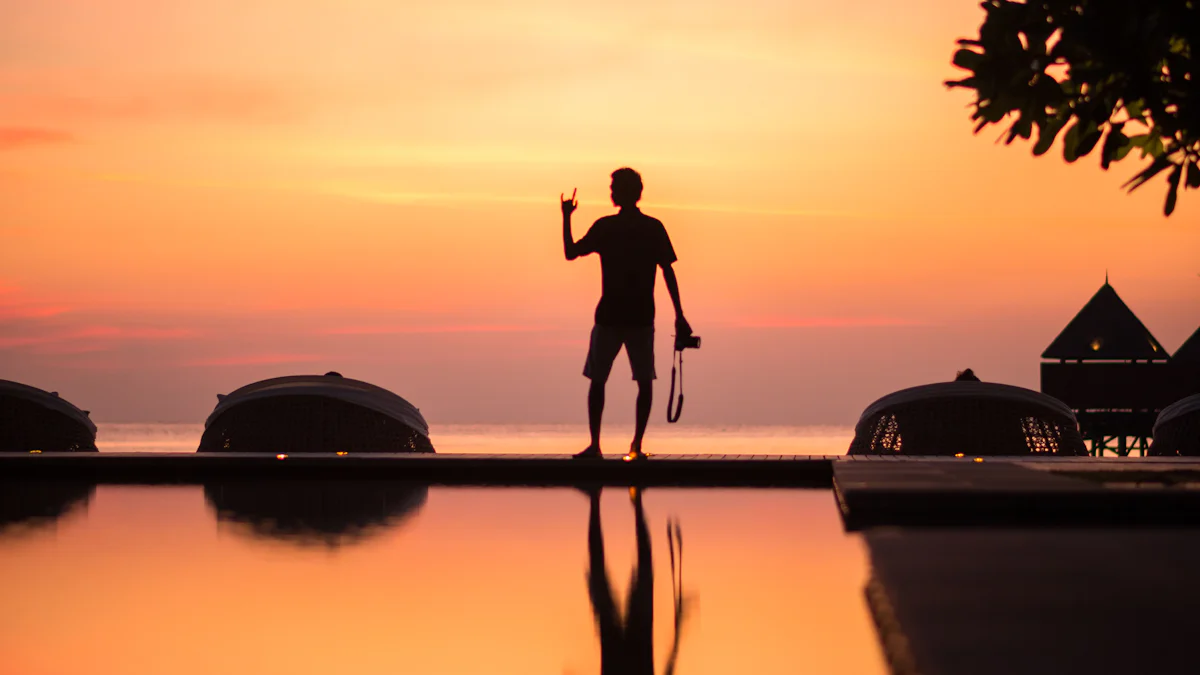
Image Source: unsplash
Choosing the right place to practice yoga in Myanmar is a crucial step in planning your trip. Each location offers unique experiences that can enrich your practice and spiritual growth.
Popular Locations for Yoga Practice
Mandalay
Mandalay, the heart of Myanmar culture, attracts visitors with its spiritual atmosphere. The city boasts numerous monasteries and temples, offering a peaceful setting for meditation and yoga practice. Walking through Mandalay, I feel the history and spirituality permeating every corner. This place inspires deep reflection and inner peace. Bagan
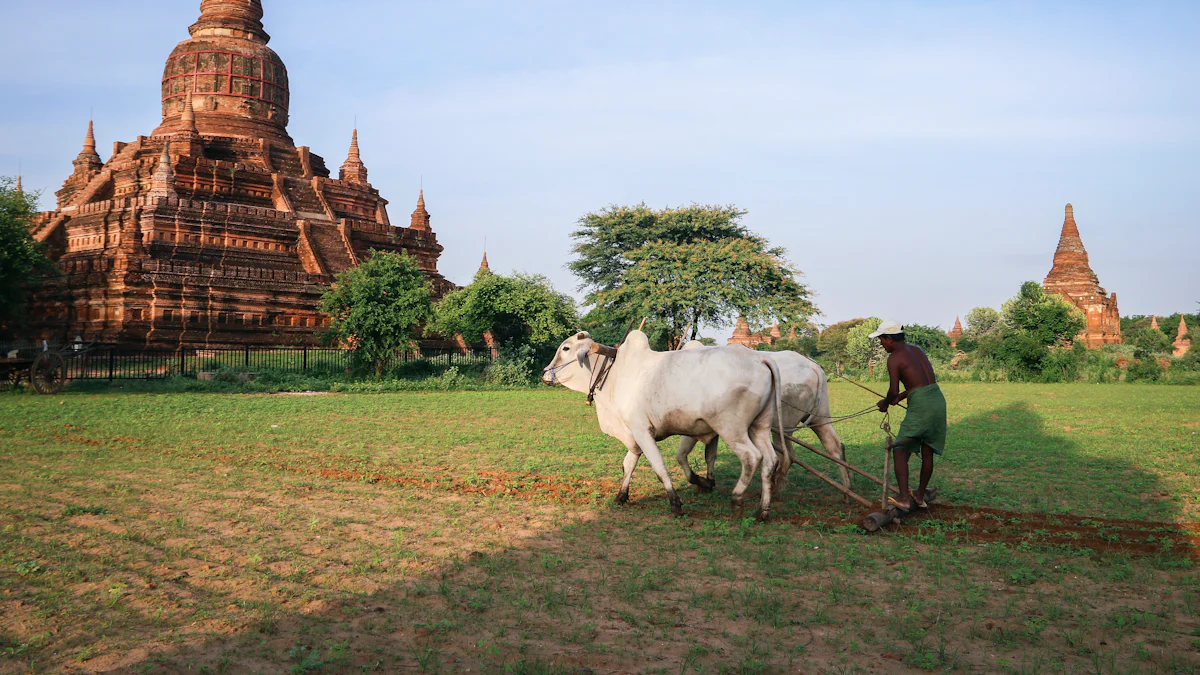
Bagan, known for its thousands of ancient pagodas, is a true paradise for yoga lovers. Practicing yoga amidst these majestic structures allows for a profound connection with nature and history. Sunrises and sunsets over Bagan are moments that remain forever etched in my memory. Every yoga session here becomes a unique experience that enriches my spiritual journey.
Factors to Consider When Choosing a Location
Accessibility
When planning a trip to Myanmar, it's worth considering the accessibility of your chosen location. Mandalay and Bagan are well-connected to other parts of the country, making travel easy. It's also worth checking the availability of local transportation to freely explore the area.
Spiritual Atmosphere
The spiritual atmosphere of a place is crucial to the quality of your yoga practice. Both Mandalay and Bagan offer unique spiritual experiences that can enrich your practice. When choosing a location, I follow my intuition and personal preferences to find the space that best suits my spiritual needs.
Choosing the right place to practice yoga in Myanmar is not just a matter of logistics, but above all, a spiritual connection with the surroundings. Each location offers something unique that can enrich our journey and yoga practice.
Preparing for Travel
Visa Requirements
Traveling to Myanmar requires advance preparation, including obtaining the appropriate visa. It's important to understand the available options and the application process.
Visa Types
When planning a trip to Myanmar, I need to decide which type of visa best suits my needs. For tourists, there is an tourist e-visa, which allows for a stay of up to 28 days. For business travelers, there is a business e-visa, which allows for a stay of up to 70 days. Both visas are valid for 90 days from the date of issue, allowing for flexibility in travel planning.
Application Process
The Myanmar visa application process is simple but requires attention to detail. The application can be submitted online, which is convenient and quick. It's worth remembering that purchasing travel insurance is required before travel. The price of insurance depends on the length of stay and the applicant's age. This is an important step that ensures safety during travel.
Travel Planning
Once I obtain my visa, I can focus on planning the rest of my trip. Booking flights and accommodations are key.
Booking Flights
Booking flights to Myanmar is the next crucial step. It's worth researching the best deals and booking tickets in advance to avoid high prices. I choose flights that best fit my schedule and budget. This allows me to focus on the adventure ahead.
Accommodation
Accommodation in Myanmar should be comfortable and tailored to my needs. I choose places that offer peace and relaxation after intense days of yoga and meditation. It's worth considering accommodations near the places I plan to visit to maximize my time in Myanmar.
Preparing for a trip to Myanmar requires careful planning, but every step brings me closer to an unforgettable adventure. With proper preparation, I can fully enjoy spiritual growth and discovering the beauty of this extraordinary country.
Organizing Yoga Classes
Choosing a Yoga Instructor
Choosing the right yoga instructor is a key element in organizing classes. The instructor should not only have the appropriate qualifications but also experience that will enrich our practice.
Qualifications
A yoga instructor should have solid training in yoga. Justyna Wojciechowska, a certified B.K.S. Iyengar yoga teacher, is a perfect example of someone who combines knowledge from various fields. Her skills encompass not only yoga but also physiotherapy and Pilates. Such an instructor can tailor classes to the individual needs of participants, which is crucial for achieving harmony and progress in practice.
Experience
An instructor's experience is just as important as their qualifications. Justyna Wojciechowska has been conducting yoga retreats since 2005, which demonstrates her extensive experience. She studied under the guidance of outstanding teachers in Indonesia, China, Poland, and Burma, as well as in the Indian Himalayas. Such an instructor brings not only knowledge to the classes but also inspiration and passion, which motivates further development.
Class Schedule
A carefully planned yoga schedule allows you to fully utilize your time in Burma. It's important to include both daily sessions and special workshops that will enrich your practice.
Daily Sessions
Daily yoga sessions are the foundation of our practice. Regularity and consistency allow you to gradually deepen your skills and develop inner peace. I try to dedicate time every day to meditation and asana, which helps me achieve balance and harmony.
Special Workshops
Special workshops are an excellent opportunity to explore specific aspects of yoga. They can include breathing techniques, meditation, or advanced postures. Participating in such workshops allows me to expand my knowledge and skills, as well as make new connections with other participants. This makes my yoga journey even more inspiring and valuable.
Organizing yoga classes in Myanmar requires care and attention, but it brings extraordinary benefits. Choosing the right instructor and a well-planned schedule are key to success and fully enjoying your spiritual journey.
Monastery Life
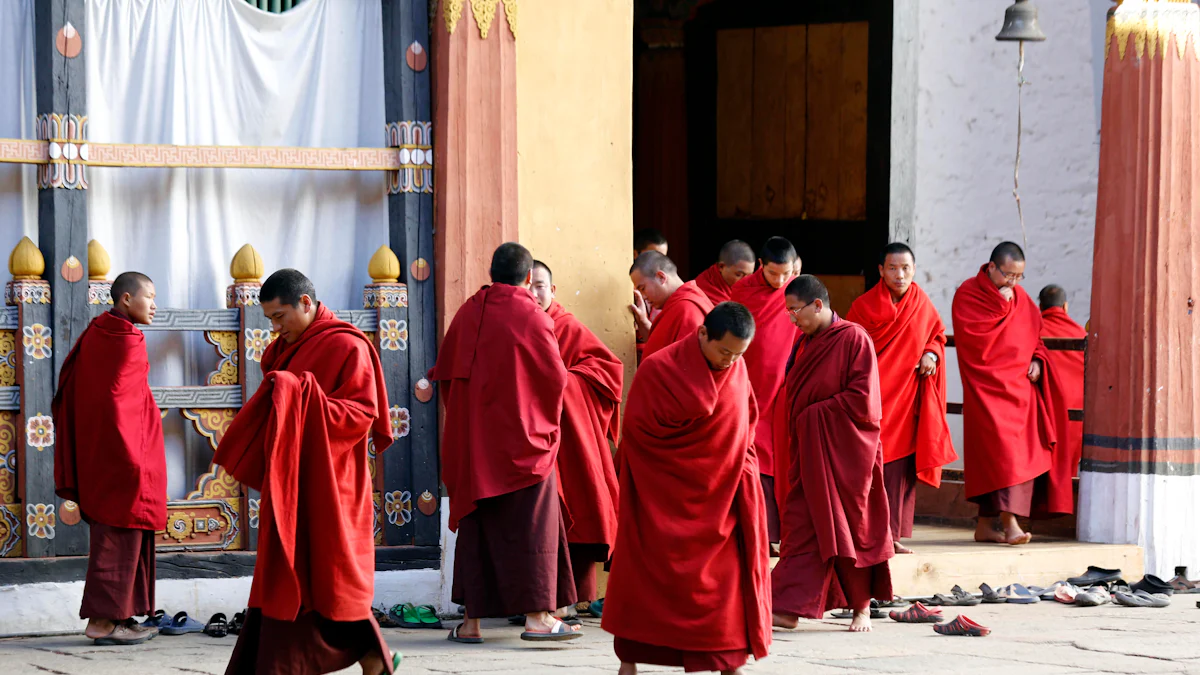
Image Source: pexels
Living in a monastery in Myanmar is a unique experience that allows for a deep immersion in spiritual practice. Each day brings new challenges and opportunities for personal growth.
Daily Responsibilities
Meditation
Meditation is the foundation of monastic life. Every morning I wake up before dawn to begin the day in silence and concentration. Meditation allows me to quiet my mind and find inner peace. At the monastery, I learn various meditation techniques that help me deepen my practice. This is a time when I can focus on my breath and be fully present in the moment.
Community Service
Community service is an integral part of life at the monastery. Every day, I engage in various tasks that support the community. These activities can include helping in the kitchen, cleaning, or gardening. These responsibilities teach me humility and cooperation with others. Collaborative activities strengthen the bonds between monks and participants and allow me to practice mindfulness in daily activities.
Rules and Regulations
Etiquette
Monastery etiquette is crucial to maintaining harmony and respect. I am learning how to behave in the presence of monks and other participants. It is important to follow the dress and behavior codes. The monastery maintains an atmosphere of peace and concentration, requiring me to conform to the established norms. This allows me to fully benefit from my spiritual experience.
Restrictions
Living at the monastery comes with certain restrictions that help me focus on my spiritual development. I limit my contact with the outside world, allowing me to immerse myself more deeply in my practice. I forgo the comforts of everyday life to focus on simplicity and minimalism. These limitations teach me gratitude for what I have and help me achieve inner balance.
Living in a monastery in Myanmar is not only a challenge but, above all, an inspiring journey into myself. Each day brings new lessons and opportunities for growth, and the spiritual atmosphere of the monastery supports me in my pursuit of harmony and peace.
Deciding on the Length of Stay
Deciding on the length of your stay in Myanmar is an important step in planning your yoga trip. Each option has its own unique advantages and disadvantages, which are worth considering before making a decision.
Short-Term Stays
Short-term stays, typically lasting from a few days to a few weeks, can be an excellent choice for those who want to quickly immerse themselves in the spiritual atmosphere of Myanmar.
Advantages
-
Flexibility: Short-term stays allow for greater flexibility in planning. I can easily adjust my schedule to suit my daily responsibilities and commitments.
-
Costs: A shorter stay often means lower costs for accommodation and meals. This is ideal for those on a budget.
-
Intensity of the experience: In a short period of time, I can focus on intensive yoga and meditation sessions, allowing me to quickly achieve inner peace.
Disadvantages
-
Limited time for adaptation: A short stay may not be enough to fully adapt to the new environment and rhythm of life at the monastery.
-
Shallow experience: Limited time may not allow for a deep immersion in Burmese culture and spirituality.
-
Time stress: Short-term stays can be stressful if I try to see and experience too much in a limited time.
Long-Term Stays
Long-term stays, lasting from several months to even a year, offer a deeper immersion in Burmese spiritual practice and culture.
Advantages
-
Deep Immersion: A longer stay allows for full immersion in Burmese culture and spirituality. I have time to learn the language, learn about local traditions, and develop deeper relationships with locals.
-
Personal Development: Long-term stays foster deep personal growth. I can focus on long-term spiritual goals and yoga practice.
-
Stability: A longer stay provides a sense of stability and allows for full adjustment to a new rhythm of life.
Disadvantages
-
Costs: Long-term stays can be expensive, especially when it comes to accommodations and meals.
-
Commitments: A longer stay requires more commitment and may be difficult to balance with professional and family obligations.
-
Adaptation: Long-term stays may require more time to adapt to the new environment and culture.
The decision on the length of stay in Myanmar should be carefully considered, taking into account personal goals, resources, and commitments. Each option offers unique experiences that can enrich my spiritual journey.
A yoga trip to Myanmar is a unique adventure that combines spiritual growth with discovering the beauty of the country. Key steps in organizing such a trip include choosing the right location, arranging a visa, planning the trip, organizing yoga classes, and deciding on the length of stay. Each of these elements brings me closer to the full spiritual experience that Myanmar offers.
Justyna Wojciechowska: After last year's incredible trip to Burma_(https://yogamudra.pl/podroze-joginow-nepal/) with yogis, it's time for Nepal and the Himalayas.
I encourage you to embark on this spiritual journey. Burma leaves unforgettable memories and inspires further development. Anyone who visits this country leaves enchanted by its culture and people. It's a place that will remain in your heart forever.
See also
Instructions for performing the Cow Pose in yoga
How to perform the Cow Pose in yoga correctly

Written by
Maria Yogalife
Maria | Yoga & Wellness Writer at YogaLife.World Maria is a passionate yoga and wellness writer at YogaLife.World, dedicated to sharing knowledge, inspiration, and practical guidance for a healthier, more balanced lifestyle. Through her articles, she explores yoga practices, meditation, mindfulness, holistic wellness, and the transformative benefits of mindful living. With an accessible and inspiring approach, Maria helps readers of all levels discover new practices, deepen their understanding of yoga, and bring greater balance, awareness, and well-being into their everyday lives.
Visit website


