
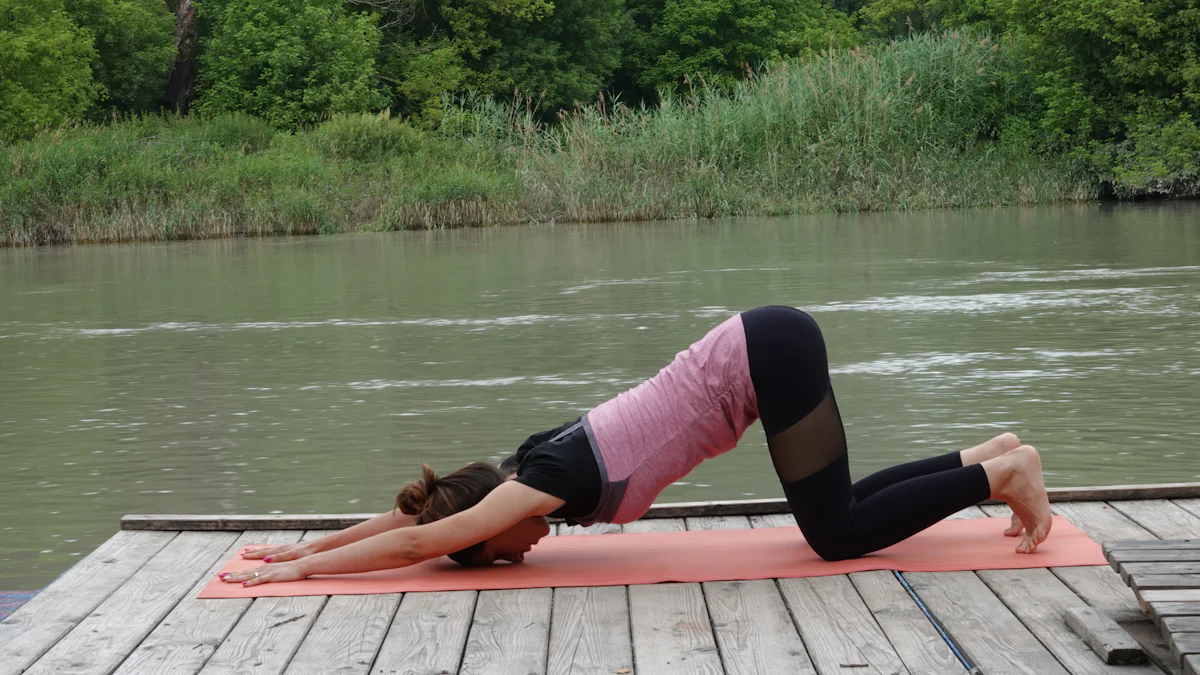
How to Introduce Children to Yoga
Image Source: Pexels
Yoga offers numerous benefits for children and families. By practicing yoga, you help your children improve their concentration, balance, and self-confidence. This also helps reduce stress and anxiety. To make yoga fun, incorporate games and stories into your sessions. Create a playful environment where every children's yoga pose becomes an adventure. By integrating yoga into your family routine, you strengthen bonds and improve family harmony. So why not start today and discover the joys of yoga together?
The Benefits of Yoga for Children
Yoga offers a multitude of benefits for children. By practicing regularly, you can help your children develop essential skills that will serve them throughout their lives.
Improved Concentration and Confidence
Yoga is an excellent way to improve concentration in children. By focusing on each children's yoga pose, they learn to channel their energy and focus on the present moment. This can translate into better attention at school and in other activities. Furthermore, successfully holding a children's yoga pose builds self-confidence. Children feel proud of their accomplishments, which boosts their self-esteem.
Developing Flexibility and Strength
Children's yoga poses are designed to be fun and accessible, while also promoting physical development. By practicing poses like Tree Pose or Downward-Facing Dog, children improve their flexibility and muscle strength. These exercises help strengthen muscles while increasing flexibility, which is essential for their overall growth and development.
Stress and Anxiety Reduction
Yoga is known for its calming effects on the nervous system. By teaching children breathing and relaxation techniques, you give them valuable tools to manage stress and anxiety. Each children's yoga pose becomes an opportunity to relax and refocus. This allows them to better manage their emotions and regain inner peace, even in stressful situations.
By integrating yoga into your children's lives, you offer them a fun and effective way to develop essential skills for their physical and mental well-being. So, why not try a children's yoga pose today and see the benefits for yourself?
Tips for Starting Yoga with Children
Create a Welcoming Practice Space
To introduce your children to yoga, start by creating a welcoming practice space. Choose a quiet, uncluttered area in your home. Add colorful mats or comfortable cushions to make the space inviting. You can also use fun props like stuffed animals to help your children focus on their breathing. A pleasant environment encourages children to explore each children's yoga pose with enthusiasm and curiosity.
Establish a Regular Routine
Regularity is key to integrating yoga into your children's lives. Try setting aside a specific time each day to practice together. This could be in the morning to start the day off right or in the evening to unwind before bedtime. A regular routine helps children feel secure and look forward to their yoga time. By practicing regularly, they will develop essential skills such as self-confidence and a better understanding of their bodies.
The Importance of Breathing and Relaxation
Breathing is a fundamental element of yoga. Teach your children to breathe deeply and calmly. This will help them relax and concentrate. You can turn this learning into a game by asking them to imitate the sound of the wind blowing or a cat purring. Each children's yoga pose then becomes an opportunity to practice breathing and discover inner peace. Relaxation, meanwhile, allows children to refocus and manage their emotions more serenely.
By following these tips, you offer your children an enriching introduction to yoga. Each children's yoga pose becomes a fun and educational adventure, strengthening their physical and mental well-being.
Simple and Fun Poses for Children
Simple and Fun Poses for Children
Image Source: pexels
The Tree Pose
How to Do It
To do the tree pose, have your child stand with their feet together. Then, they should lift one foot and place the sole of that foot against the inside of the other leg's thigh. Their hands should come together above their head, like the branches of a tree. Encourage them to focus on a point in front of them for balance.
Benefits for Children
This children's yoga pose helps improve balance and concentration. By holding a tree pose, your child learns to channel their energy and focus on the present moment. It also boosts self-confidence, as successfully holding this pose provides a sense of accomplishment.
The Cat Pose
How to Perform It
For the cat pose, your child should get on all fours, with their hands under their shoulders and their knees under their hips. As they inhale, they should arch their back and lift their head towards the ceiling. As they exhale, they round their back and draw their head towards their navel. Encourage them to synchronize their movements with their breathing.
Benefits for Children
This children's yoga pose is excellent for releasing tension and improving spinal flexibility. It also helps develop body awareness and deep, calm breathing. By imitating a cat, your child has fun while learning to relax.
Downward-Facing Dog Pose
How to Perform It
To perform Downward-Facing Dog Pose, your child starts on all fours. Then, they lift their hips toward the sky, forming an inverted V with their body. Their hands and feet remain firmly planted on the ground. Encourage them to keep their heels as close to the floor as possible.
Benefits for Children
This children's yoga pose strengthens arms and legs while stretching the back. It also stimulates blood circulation and helps release accumulated tension. By transforming into a downward-facing dog pose, your child discovers a new way to move and have fun.
By incorporating these simple and fun poses into your child's routine, you offer them a playful way to discover yoga. Each children's yoga pose becomes an adventure that stimulates their imagination and well-being.
Integrating Play and Fun into Yoga
Integrating Play and Fun into Yoga
Image Source: pexels
Using Stories and Role-Playing
To capture children's attention, incorporate stories and role-playing into your yoga sessions. Transform each pose into an exciting adventure. For example, when practicing the tree pose, tell a story where the children become majestic trees in an enchanted forest. Ask them to imagine the wind blowing through their branches. This approach stimulates their imagination and makes yoga more engaging.
Role-playing games allow children to immerse themselves in the world of yoga. You can organize a session where each child chooses an animal and imitates its movements. This helps them understand the postures while having fun. By using stories and games, you transform yoga into a playful and educational experience.
Encouraging Creativity and Imagination
Children's yoga isn't limited to postures. It includes breathing exercises, concentration, and relaxation. These activities stimulate all of children's senses. Encourage them to invent their own postures or create stories around the movements. This develops their creativity and imagination.
You can also introduce props like stuffed animals or colorful cushions. These objects become playmates that help children focus on their breathing. By incorporating these elements, you create an environment where each yoga session becomes a unique adventure. Children learn to explore their bodies and minds in a playful way.
By integrating play and fun into yoga, you offer children an enriching experience. They develop essential skills while having fun. So, let your imagination run wild and transform each yoga session into a moment of joy and discovery.
Strengthening Family Bonds Through Yoga
Practicing as a Family
Practicing yoga as a family creates precious moments of connection. You share not only a physical activity, but also a space for relaxation and togetherness. By coming together on the mats, you strengthen family bonds and foster open communication. Sarah, a mother who practices yoga with her family, shares her experience:
"Yoga has given me the tools to better manage stress and be more present for my family. We now have a family yoga routine, and it's a time of connection and joy for all of us."
Together, you can explore different postures and breathing techniques. Each family member can add their personal touch to the session, making the experience unique and enriching. You can even organize themed sessions, where everyone chooses a posture or a story to share. This stimulates creativity and strengthens team spirit.
Sharing Moments of Relaxation and Connection
Family yoga offers a welcome break from the whirlwind of daily life. You can transform these moments into relaxation rituals, where everyone releases accumulated stress and tension. Sophie shares her experience:
"Family yoga is all good!"
These sessions become opportunities to laugh together, support each other, and understand each other better. You can end each session with a guided meditation or relaxation, where everyone expresses their feelings. This fosters an atmosphere of trust and kindness within the family.
By integrating yoga into your family routine, you create a space where everyone feels valued and heard. You strengthen emotional bonds and develop a connection that lasts beyond the mat. So, why not try it today and discover the benefits of family yoga together?
Encourage Regular and Sustainable Practice
Set Realistic Goals
To make yoga a lasting habit for your children, start by setting realistic goals. You could, for example, decide to practice yoga twice a week. This allows your children to gradually get used to this new activity. By setting achievable goals, you avoid frustration and encourage motivation.
Consider involving your children in the goal-setting process. Ask them what they would like to accomplish through yoga. It can be as simple as managing to hold a pose for a few seconds longer. By involving them, you give them a sense of responsibility and autonomy.
Celebrating Progress and Achievements
Every little bit of progress deserves to be celebrated. When your children manage to hold a pose or concentrate for longer, take the time to acknowledge their efforts. This boosts their self-confidence and encourages them to continue. You can organize a small family celebration, such as a special snack or a trip to the park.
Celebrations don't have to be complicated. A simple word of encouragement or a hug can be enough to show your children you're proud of them. By valuing their achievements, you create a positive and motivating environment.
"Yoga has taught me to appreciate every little step forward and to celebrate my children's progress, no matter how small they are." - Testimonial from a mom practicing yoga as a family.
By setting realistic goals and celebrating progress, you encourage a regular and lasting yoga practice. Your children will learn to appreciate the journey and set new challenges for themselves. Yoga then becomes an ongoing adventure, full of discovery and joy.
Yoga offers children a fun way to manage stress and anxiety while improving their concentration and self-confidence. Regular practice strengthens family bonds and creates a space for relaxation and connection. Why not explore yoga further as a family? Each session becomes a shared adventure, full of discovery and laughter. So, give it a try and discover together the benefits of yoga for a more peaceful and balanced daily life.
See also
How to Practice Yoga Easily at Home
Yoga Exercises Against a Wall to Improve Flexibility
Yoga as a Tool for Relaxation and Well-being
Discover the Yama and Niyama Principles in Yoga
Selection of Ideal Yoga Mats for Children
Selection of Ideal Yoga Mats for Children 2024](https://yogalife.world/blog/best-yoga-mats-for-kids-2024-comparison-guide/)

Written by
Maria Yogalife
Maria | Yoga & Wellness Writer at YogaLife.World Maria is a passionate yoga and wellness writer at YogaLife.World, dedicated to sharing knowledge, inspiration, and practical guidance for a healthier, more balanced lifestyle. Through her articles, she explores yoga practices, meditation, mindfulness, holistic wellness, and the transformative benefits of mindful living. With an accessible and inspiring approach, Maria helps readers of all levels discover new practices, deepen their understanding of yoga, and bring greater balance, awareness, and well-being into their everyday lives.
Visit website


