
Image Source: pexels
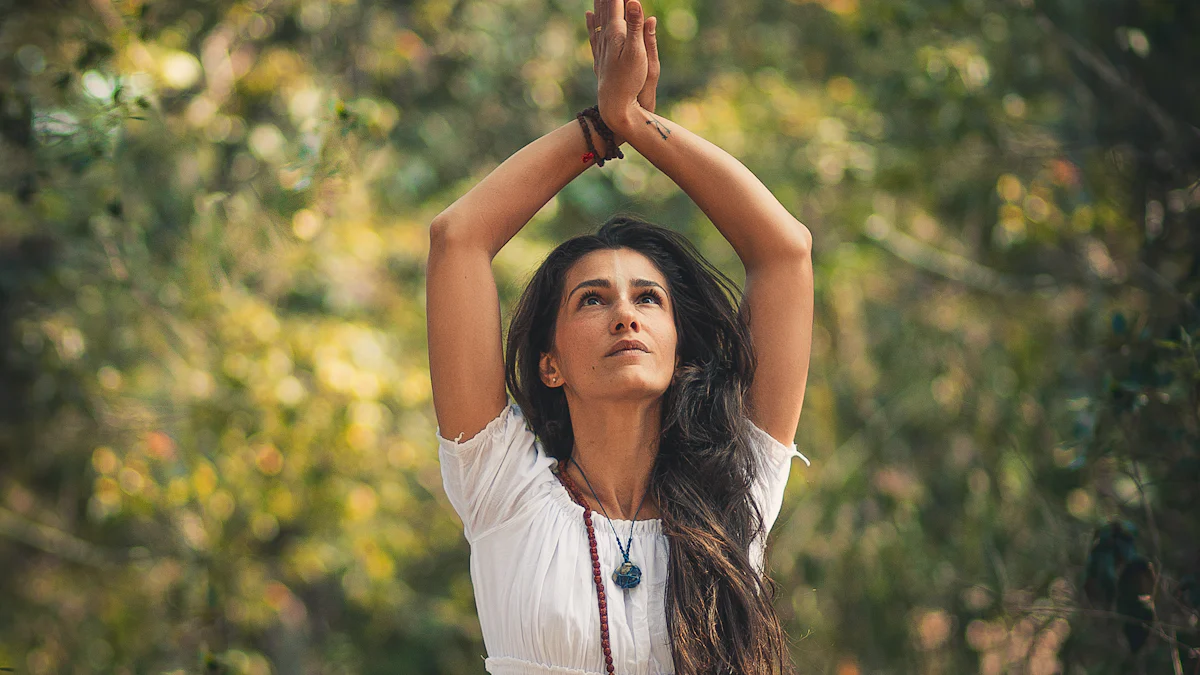
Yoga is a great way to start exercising. With simple steps, you can incorporate yoga into your daily routine. To begin, you will need a comfortable space and basic equipment, such as a yoga mat. Before starting, consult your doctor, especially if you have any pre-existing conditions. Yoga can reduce stress and anxiety, while improving quality of life and mental health. Follow a yoga tutorial for beginners to learn the basic poses and techniques.
Introduction to Yoga
Yoga is an ancient practice that combines the body, mind, and spirit. It originates from Ancient India and has evolved into various forms, offering wellness and mental clarity. Yoga is not just a form of exercise, but a philosophy of life that enhances awareness and self-confidence.
Goals and Philosophy of Yoga
Yoga aims to achieve inner peace and [spiritual clarity]. According to the Yoga Sutras of Patanjali, yoga is described as the cessation of the fluctuations of the mind. This means that yoga helps to reduce stress and achieve inner peace. The philosophy of yoga focuses on unity with oneself, others and the environment. Through practice, you develop awareness and self-confidence, while strengthening your relationship with the world around you.
How to Choose the Right Type of Yoga
There are many types of yoga, each with their own unique characteristics and benefits. To choose the right type, consider your goals and needs. If you want to improve your physical fitness, Hatha Yoga may be ideal. If you are looking for relaxation and mental clarity, Yin Yoga may be right for you. For beginners, a yoga tutorial for beginners can guide you through the basic poses and techniques, helping you better understand your options.
First Steps for Beginners
When starting yoga, it is important to create an environment that allows you to focus and relax. Follow these steps to make your start easier and more enjoyable.
Choosing a space and equipment
To start yoga, you need a quiet and comfortable space. Find a place in your home where you can practice without interruption. A yoga mat is essential for your practice. If you don't have a mat, you can use a mat or something soft to protect your body from the hard floor.
Choose yoga clothes that are comfortable and flexible. These clothes allow you to move freely and are ideal for various poses. You can also use yoga blocks to support your body and reduce pressure on your muscles and joints. The striping on the surface of the mat can help you align properly during exercises.
How to find the right class or teacher
Choosing the right class or teacher is critical to successfully learning yoga. Look for classes that are specifically designed for beginners. A yoga tutorial for beginners can guide you through the basic poses and techniques. These classes are usually slower and focus on learning the fundamental principles of yoga.
Consider taking classes at a local yoga studio. An experienced teacher can provide you with personal guidance and help you improve your technique. If you prefer to learn at home, there are many online platforms that offer yoga classes for beginners. Choose the approach that best suits your needs and schedule.
Yoga Tutorial for Beginners: Basic Exercises
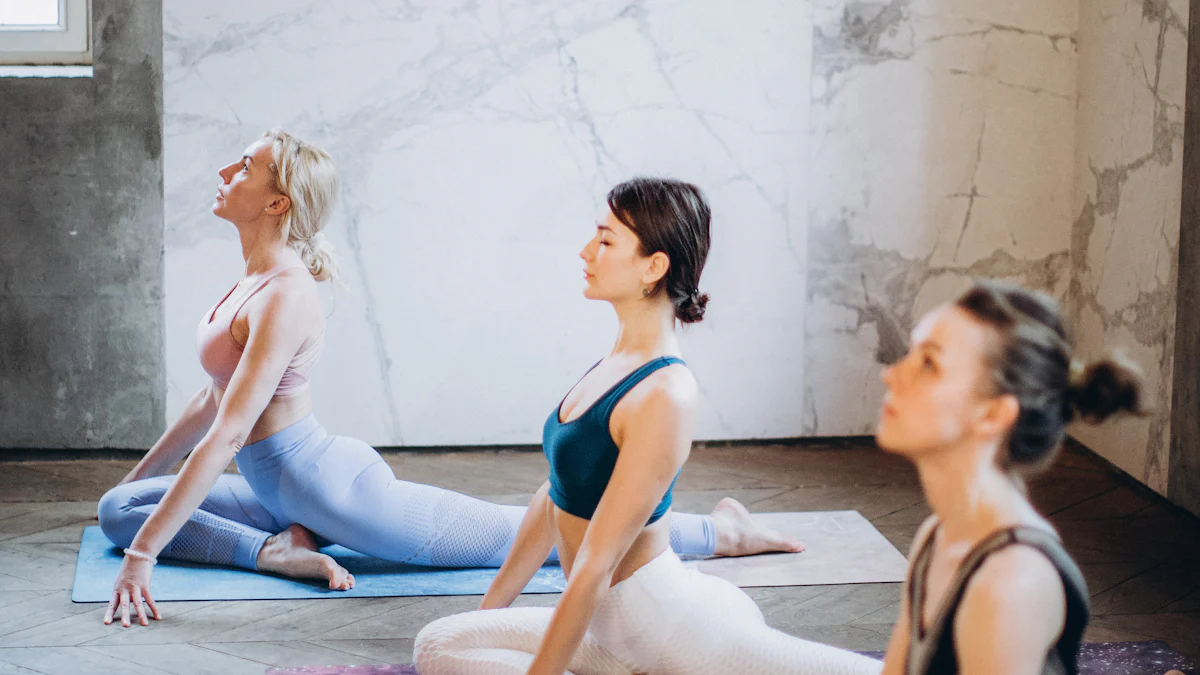
Image Source: pexels
Yoga offers a variety of poses that are ideal for beginners. These poses help to improve your flexibility and balance. Follow this yoga tutorial for beginners to learn the basic exercises that will introduce you to the world of yoga.
Simple Poses for Beginners
Simple poses are the first step to getting started with yoga. These poses are easy to perform and help you understand the basic principles of yoga.
Mountain Pose (Tadasana)
Mountain Pose is one of the most basic poses in yoga. It helps you improve your posture and strengthen your balance. To perform this pose, stand tall with your feet together and your arms at your sides. Breathe deeply and feel your spine lengthen. This pose teaches you to be present and focus on your breath.
Warrior Pose (Virabhadrasana)
Warrior Pose is great for strengthening your legs and stamina. Start with your feet shoulder-width apart and turn your right foot out. Bend your right knee and raise your arms overhead. Hold the pose for a few breaths and repeat on the other side. This pose builds confidence and helps you develop your inner strength.
Poses for flexibility and balance
Flexibility and balance are important elements of yoga. By practicing these poses, you can improve your mobility and flexibility.
-
Tree Pose (Vrksasana): This pose helps you improve your balance. Stand tall and place one foot on the inside of the other thigh. Keep your hands clasped in front of your chest. This pose enhances concentration and inner peace.
-
Downward-Facing Dog Pose (Adho Mukha Svanasana): This pose enhances flexibility in the spine and legs. Start on all fours and lift your hips up, forming a triangle with your body. This pose relieves tension and improves blood circulation.
By following this yoga tutorial for beginners, you will be able to incorporate yoga into your daily routine and enjoy its multiple benefits for your health. Yoga can help you find balance and well-being, both physically and mentally.
Breathing and Relaxation
Yoga is not just a physical exercise. It also includes breathing and relaxation techniques that enhance mental well-being. These techniques help reduce stress and improve concentration.
Basic breathing techniques
Breathing techniques in yoga are extremely beneficial for everyday life. They help reduce stress and blood pressure.
Ujjayi Breathing
Ujjayi Breathing is one of the most well-known techniques in yoga. It increases internal heat and helps with concentration. To perform it, inhale deeply through your nose and exhale slowly, creating a rustling sound. This technique allows you to control your breathing and calm your mind.
Nadi Shodhana Breathing
Nadi Shodhana Breathing, also known as alternate nostril breathing, balances the nervous system. Start by closing the right nostril with your thumb and inhale through the left. Then, close the left nostril with your finger and exhale through the right. Repeat the same process on the other side. This technique helps calm the mind and improve concentration.
Relaxation and meditation techniques
Relaxation and meditation are essential elements of yoga. They help free the mind from tension and worry.
-
Savasana: The relaxation pose, also known as the corpse pose, is ideal for completing your practice. Lie on your back with your arms and legs slightly apart. Close your eyes and focus on your breathing. This posture allows you to absorb the benefits of the practice and relax completely.
-
Meditation: Meditation in yoga helps with concentration and inner peace. Sit in a comfortable position with your back straight. Close your eyes and focus on your breathing or a mantra. Meditation enhances concentration and mental clarity.
Incorporating these techniques into your daily routine can improve the quality of your life. Yoga offers a holistic approach to achieving physical and mental well-being.
Health Benefits of Yoga
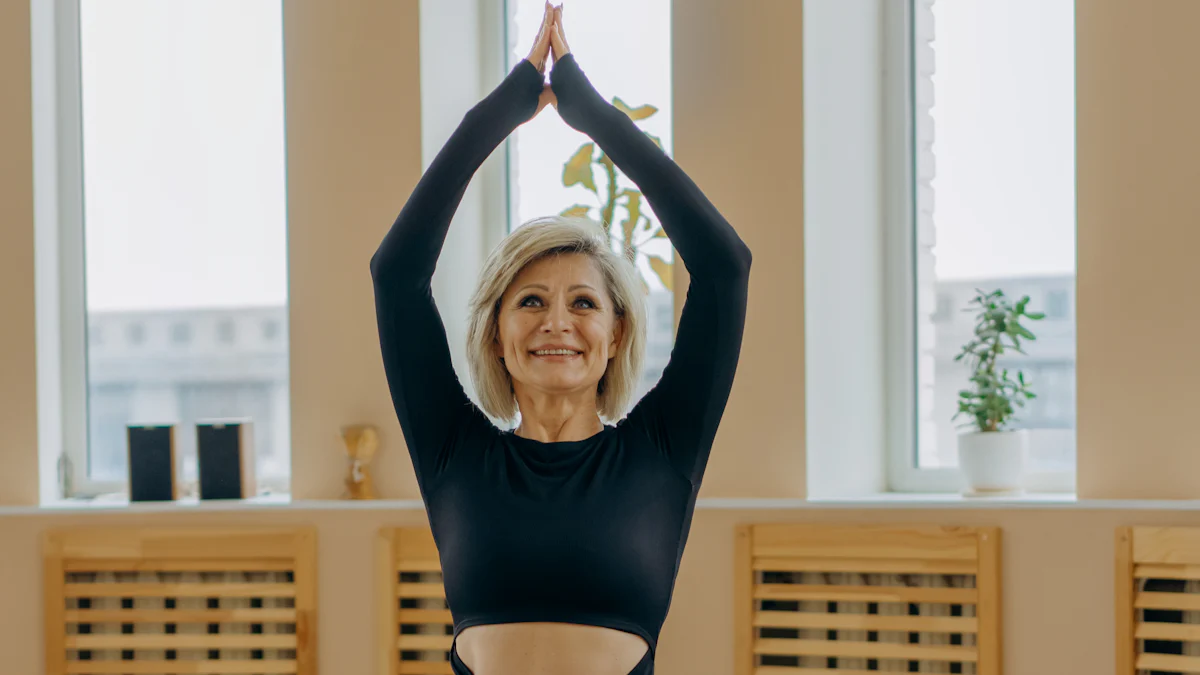
Image Source: pexels
Yoga offers multiple benefits for your health, both physical and mental. By following a regular practice, you can improve your well-being and enhance your quality of life.
Physical Benefits
Yoga enhances your physical health in several ways:
-
Increases strength and flexibility: Through postures and exercises, yoga strengthens your muscles and improves your flexibility. This helps you keep your body in good physical shape and avoid injuries.
-
Improving posture: Yoga exercises strengthen the spine and help maintain proper posture. This can reduce back pain and improve your overall appearance.
-
Weight loss: Yoga can help you make better dietary choices and [lose weight]. The mindful approach to yoga enhances self-discipline and self-awareness, leading to healthier habits.
Mental and emotional benefits
Yoga is not just for your body. It also boosts your mental health:
-
Reduce stress and anxiety: The breathing and relaxation techniques in yoga help reduce stress and anxiety levels. With practice, you can develop a calmer and more focused mindset.
-
Improve mental health: Yoga has been shown to improve mental health, reducing symptoms of depression and anxiety. Focusing on breathing and mindful movement enhances concentration and inner peace.
-
Enhance emotional balance: Yoga helps you develop a deeper understanding of your emotions and better manage emotional challenges. This leads to a more balanced and happy life.
Yoga is a holistic approach to your health, offering physical and mental well-being. By incorporating yoga into your daily routine, you can enjoy its multiple benefits and improve your quality of life.
Frequency and Consistency in Practice
How Often to Do Yoga
Yoga is a practice that can be easily incorporated into your daily routine. To reap the maximum benefits, it is important to practice regularly. It is recommended to start with 2-3 times a week. This frequency will allow you to become familiar with the postures and breathing techniques. As you progress, you can increase the frequency to 4-5 times a week.
Regular yoga practice strengthens your body and mind. It helps reduce stress and improve mental health. Studies have shown that yoga can improve your quality of life. Focusing on inner calm and deep breathing enhances your inner peace.
How to Maintain Consistency
Consistency is the key to success in yoga. To maintain consistency, follow these tips:
-
Set a fixed time: Choose a specific time of day for your practice. This will help you establish a routine and integrate yoga into your daily life.
-
Create a comfortable space: Find a quiet and comfortable space in your home. A space that allows you to focus and relax will enhance your practice.
-
Set realistic goals: Start small and gradually increase the intensity and duration of your practice. This will help you stay motivated and avoid frustration.
-
Seek support: Join a yoga community or find a friend to practice with. Support from others can encourage you to keep going.
-
Listen to your body: It is important to listen to your body and not push yourself too hard. Yoga is a practice that enhances self-awareness and self-centeredness.
Yoga is a great ally for strengthening your body, mind, and spirit. With consistency and dedication, you can enjoy its multiple benefits and improve your quality of life.
Start yoga today and discover its long-term health benefits. Yoga can improve your quality of life by reducing stress and enhancing your physical and mental well-being. Studies have shown that yoga can reduce symptoms in cancer patients and improve mood and appetite for life.
To incorporate yoga into your daily routine, start with short sessions and gradually increase the duration. Create a comfortable space in your home and choose a fixed time for your practice. With consistency and dedication, yoga can become a valuable ally in your daily life.
See also
Yin Yoga for Beginners: A Beginner's Guide
Yoga with Cassandra: A Beginner's Guide
Couples Yoga: How to Start Together

Written by
Maria Yogalife
Maria | Yoga & Wellness Writer at YogaLife.World Maria is a passionate yoga and wellness writer at YogaLife.World, dedicated to sharing knowledge, inspiration, and practical guidance for a healthier, more balanced lifestyle. Through her articles, she explores yoga practices, meditation, mindfulness, holistic wellness, and the transformative benefits of mindful living. With an accessible and inspiring approach, Maria helps readers of all levels discover new practices, deepen their understanding of yoga, and bring greater balance, awareness, and well-being into their everyday lives.
Visit website


