
How to effectively practice the 108 most important yoga exercises
 Maria Yogalife
Image Source: unsplash
The number 108 has a deeply rooted meaning in yoga. It is considered sacred and is associated with cosmic energies. This number frequently appears in mantras and meditations, where it is often repeated 108 times. The practice of 108 sun salutations not only strengthens physical endurance but also spiritual discipline. By exploring the 108 most important yoga postures and their holistic effects, you can develop a deeper connection to your body and mind. Effective practice is crucial to experiencing the full benefits of these postures.
... ## The Spiritual and Cultural Significance of the Number 108
Historical Perspectives
Origin of the Number 108 in Ancient Cultures
The number 108 has held special significance for millennia in various cultures. Many spiritual traditions honor this number as sacred. It plays a central role in meditation and prayer. The number 108 appears in ancient texts and practices that emphasize its significance in the connection between humanity and the universe. Yogis consider the number 108 magical and sacred, which is reflected in the repetition of mantras and the performance of rituals.
Meaning in Different Religions
In Hinduism and Buddhism, the number 108 is considered sacred. This number is found in many religious practices. Hindus and Buddhists use 108 beads in their prayer beads to count mantras. This practice promotes concentration and spiritual growth. The number 108 also holds special significance in other Asian religions (https://www.lotuscrafts.com/blogs/blog/die-bedeutung-der-zahl-108-im-yoga?srsltid=AfmBOoohanrFaxQza6tBiLIkX6_PKpqgNh1_UMdcWfioIwnyWwxdNYny). It symbolizes completeness and perfection and is often used in religious ceremonies.
Mathematical and Scientific Aspects
The Mathematical Fascination of the Number 108
The number 108 is fascinating not only spiritually but also mathematically. It is the product of 1, 2, 3, and 4, which underscores its significance in numerology. This number is also significant in geometry. A circle has 360 degrees, and 108 is one-third of that. These mathematical properties give the number 108 a special place in science and mathematics.
Scientific Explanations and Theories
Scientists have developed various theories about the significance of the number 108. Some believe it is connected to the structure of the universe. The distance between the Earth and the Sun is approximately 108 times the diameter of the Sun. This striking correspondence demonstrates how the number 108 appears in nature. Such scientific explanations enhance the fascination and interest surrounding this remarkable number.
Yoga: The 108 Most Important Exercises and Their Holistic Effects
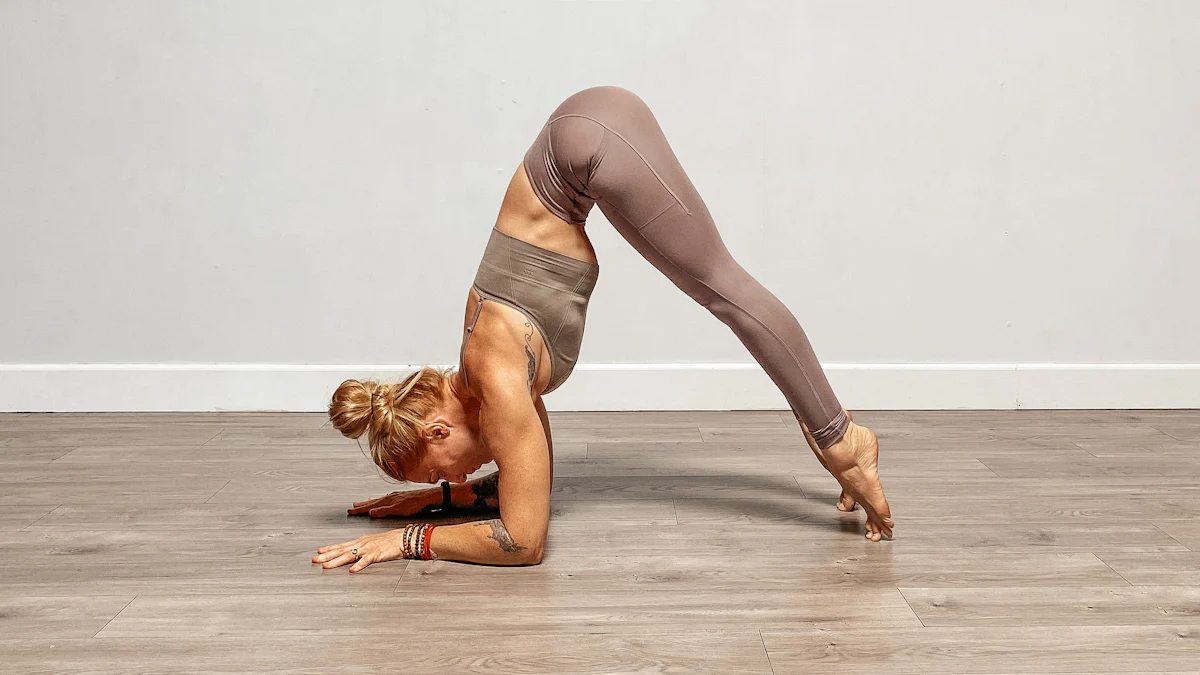
Image Source: unsplash
Selection Criteria
Effectiveness and Benefits
You want to effectively practice the 108 most important yoga exercises to experience their holistic effects. The selection of these exercises is based on their effectiveness and benefits. Studies show that regular yoga asanas can reverse bone loss in osteoporosis. Just 12 minutes of yoga a day significantly improves bone health. These exercises not only promote physical health but also mental well-being. Regular Hatha yoga practice can significantly reduce anxiety and depression. The practice of 108 sun salutations also strengthens physical endurance and spiritual discipline.
Traditional Meaning
The traditional meanings of yoga exercises play an important role in their selection. Many of these exercises have deep roots in yoga philosophy and have been practiced for centuries. They help you create a connection between body, mind, and spirit. Breathing exercises, also called pranayama, are an essential part of yoga practice. They promote concentration and inner peace. Meditative practices support you in clearing your mind and deepening your spiritual journey.
Overview of the Practices
Physical Exercises (Asanas)
Physical exercises, known as asanas, are at the heart of yoga practice. They improve your flexibility, strength, and balance. Asanas such as Downward-Facing Dog or Warrior pose strengthen muscles and promote blood circulation. These exercises help you release tension and improve posture. Regular practice of asanas can also positively influence the central nervous system and strengthen the immune system.
Breathing Exercises (Pranayama)
Breathing exercises, or pranayama, are crucial for controlling and directing life energy. They help you regulate your breath and increase lung capacity. Pranayama techniques such as alternate nostril breathing promote relaxation and reduce stress. These exercises help you increase concentration and improve mental clarity. Pranayama is an essential component of the 108 most important yoga postures and contributes to their holistic effect.
Meditative Practices
Meditative practices are another important aspect of yoga practice. They help you calm your mind and find inner peace. Regular meditation has a positive effect on memory and mental health.. It promotes mindfulness and awareness of the present moment. Meditative practices support you in establishing a deeper connection to your inner self and strengthening spiritual discipline.
Effective Practice of Yoga Postures
Preparation and Mindset
Mental Preparation
You begin your yoga practice with clear mental preparation. Set a goal for each session. This can help you stay focused. Visualize the exercises you want to perform. This strengthens your concentration and promotes mental clarity. Experts emphasize that yoga has not only a physical but also a mental effect. The meditative elements help you relax and strengthen your resilience.
Physical Preparation
Prepare your body for the yoga exercises. Start with gentle stretches to warm up your muscles. Make sure you practice in comfortable clothing that allows freedom of movement. Ensure you have enough space to perform the exercises safely. A quiet environment supports your concentration and helps you immerse yourself in the practice.
Practical Tips for Practice
Regularity and Discipline
Regularity is key to an effective yoga practice. Schedule fixed times for your exercises. This creates a routine and promotes discipline. Start with short sessions and gradually increase the duration. Studies show that regular yoga practice improves mental well-being. Even just a few minutes a day can have positive effects on body and mind.
Adapting to Individual Needs
Adapt the yoga exercises to your individual needs. Listen to your body and respect its limits. Use props like blocks or straps to make the exercises easier. Vary the intensity of the exercises according to how you feel. Yoga is a personal practice designed to help you feel better. Experts emphasize that breathing and meditative elements in yoga are crucial for promoting relaxation and reducing stress.
The Benefits of Regular Practice
Physical Benefits
Improved Flexibility and Strength
You will become more flexible and stronger through regular yoga practice. Yoga exercises stretch and strengthen your muscles. This practice improves mobility and strengthens the core muscles. Many people report that yoga improves their posture and relieves tension. A survey shows that two-thirds of respondents practice yoga to improve their physical well-being. Athletes also benefit from yoga, as it improves balance and overall performance.
Promoting Health and Well-being
Yoga promotes your health and well-being. It has a positive effect on the cardiovascular system and can lower blood pressure. Studies show that yoga, in combination with medication, is helpful for high blood pressure. Yoga also helps with stress-related symptoms such as back pain or migraines. A German study found that yoga improves mood and vitality in cases of mild depression. Through yoga, you can develop greater mindfulness and eat a healthier diet.
Mental and Emotional Benefits
Stress Reduction and Relaxation
Yoga reduces stress and promotes relaxation. You can find inner peace through breathing exercises and meditation. These practices help you calm your mind and manage everyday life with greater serenity. According to a study, just 12 sessions of regular Hatha yoga practice can significantly reduce anxiety and depression. Yoga supports you in reducing stress and strengthening your resilience.
Promoting Mental Clarity
Yoga helps you become more mentally clear and focused. Meditative practices promote mindfulness and awareness of the present moment. Several studies show that yoga improves self-esteem and body image. These benefits are particularly important for teenagers and young adults. Yoga helps you establish a deeper connection with your inner self and promote mental clarity.
Integrating Yoga into Everyday Life
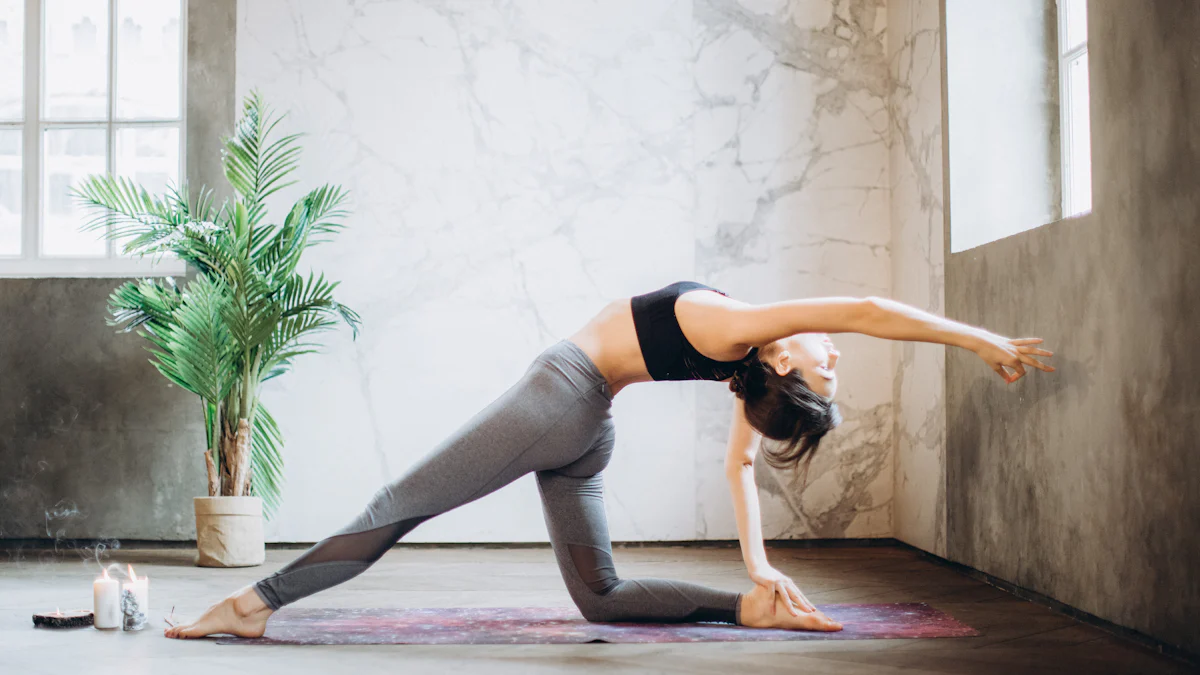
Image Source: pexels
Creating a Daily Routine
Time Management and Priorities
You can effectively integrate yoga into your daily life by setting clear priorities. Start by scheduling fixed times for your yoga practice. This will help you develop a routine and make yoga a regular part of your day. Many people report finding more peace and serenity through regular yoga practice. Yoga gives you the opportunity to focus on what's essential and to be more mindful throughout your day.
Integrating Yoga into Your Lifestyle
Yoga can easily be integrated into your lifestyle. You can incorporate short yoga sessions into your daily routine, whether in the morning to start your day or in the evening to unwind. Thanks to regular practice, you'll experience more inner peace and less pain. Yoga will become a part of you and accompany you every day. It enhances your body awareness and helps you live more mindfully.
Long-term goals and progress
Setting realistic goals
Set realistic goals for your yoga practice. Start with small steps and gradually increase the intensity. This will motivate you and help you make continuous progress. Yoga has changed my body awareness and my emotional balance. You will find that over time you become more flexible and grounded. These positive changes will boost your motivation and commitment.
Tracking Your Progress
Track your progress to stay motivated. You can keep a journal to record your experiences and successes. This will give you an overview of your development and help you achieve your goals. Thanks to yoga, my body awareness has improved. You will find that regular practice makes you more relaxed and mindful. These positive effects will encourage you to continue integrating yoga into your daily life.
You have now learned the most important aspects of the 108 yoga postures. These postures offer you a comprehensive way to grow both physically and mentally. Regular practice not only enhances your flexibility and strength, but also your mental clarity and emotional balance.
Yoga Newbie: "I was skeptical, but yoga has positively changed my life. The balance of physical exertion and mental relaxation has increased my stress resilience and performance."
Begin your yoga journey and discover the personal benefits this practice can offer you.
See also
Written by
Maria Yogalife
Maria | Yoga & Wellness Writer at YogaLife.World Maria is a passionate yoga and wellness writer at YogaLife.World, dedicated to sharing knowledge, inspiration, and practical guidance for a healthier, more balanced lifestyle. Through her articles, she explores yoga practices, meditation, mindfulness, holistic wellness, and the transformative benefits of mindful living. With an accessible and inspiring approach, Maria helps readers of all levels discover new practices, deepen their understanding of yoga, and bring greater balance, awareness, and well-being into their everyday lives.
Visit website


