
Image Source: unsplash
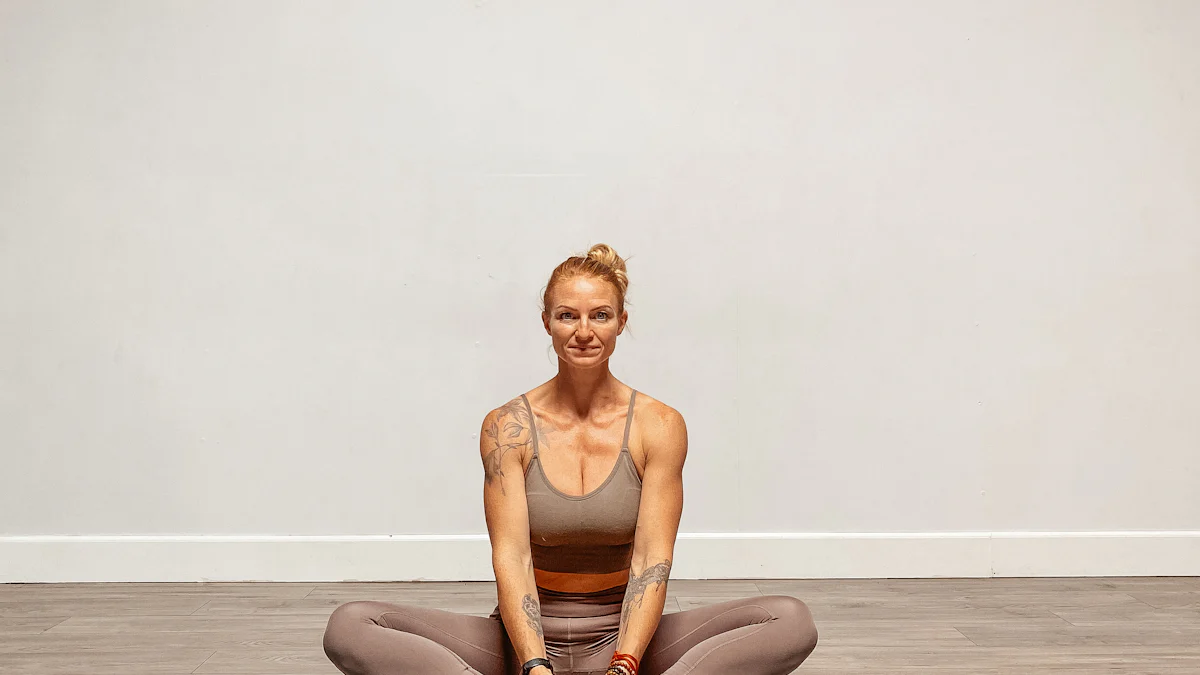
The frog pose in yoga offers numerous benefits for your body. This pose, also known as the frog pose in yoga, helps to open your hips and relax your back. By practicing regularly, you improve the flexibility of your hips and strengthen the muscles in your lower back. The stretch targets the groin and inner thighs, contributing to better mobility. You will find that this pose offers not only physical benefits but also promotes mental relaxation. ## Preparation for the Frog Pose in Yoga
Starting Position
Child's Pose as a Starting Point
Begin the frog pose from the child's pose. This pose helps you center your body and calm your mind. Sit on your knees and bring your big toes together. Lower your hips back towards your heels. Stretch your arms out in front of you and let your forehead rest gently on the mat. Breathe deeply in and out to prepare your body for the following movements.
Alternative Starting Positions
If the child's pose is not comfortable for you, you can try alternative starting positions. For example, sit on your hands and knees in the table pose. Ensure that your wrists are under your shoulders and your knees are under your hips. This position provides a stable base to begin the frog pose. You can also start from a seated position with your legs crossed, if that feels more comfortable. ### Equipment and Environment
Use of Yoga Mat and Cushions
A yoga mat provides grip and comfort during the frog pose. Place the mat on a flat surface. Use cushions or rolled-up blankets under your knees for extra support. This helps to reduce pressure on your joints and makes the pose more comfortable. Ensure you have enough room to move your legs to the sides.
Create a Quiet Environment
A quiet environment promotes concentration and relaxation. Choose a spot where you won't be disturbed. Put on soft music or use an aromatic diffuser to create a calming atmosphere. Ensure the room is well-ventilated and that you have enough light to clearly see your movements. A serene environment helps you focus fully on the pose and maximize its benefits. ## Step-by-Step Explanation of the Frog Pose in Yoga
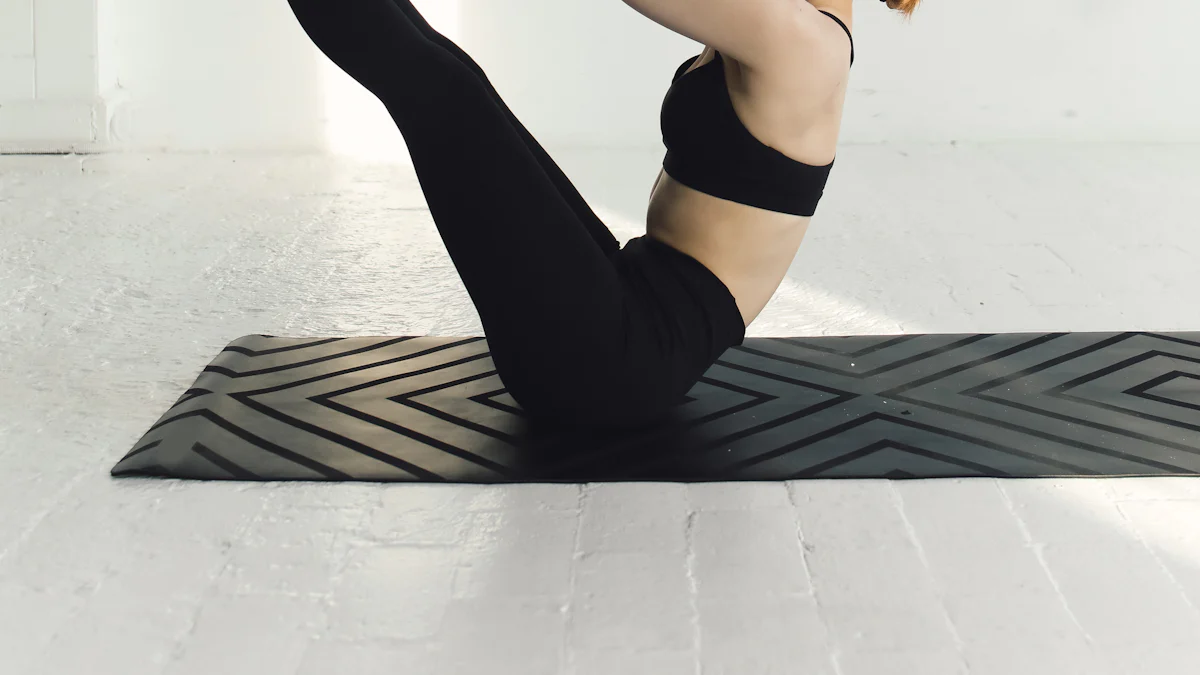
Image Source: pexels
Movements to the Frog Pose
Position your knees and hips
Begin by placing your knees on the mat. Ensure they are aligned with your hips. This creates a stable base for the pose. Keep your back straight and your head in a neutral position. This alignment helps you maximize the stretch in your hips.
Move your feet further apart
Slowly move your feet outwards. Keep your knees bent and your ankles in line with your knees. This movement increases the stretch in your groin and the inside of your thighs. Feel the opening in your hips as you spread your feet further apart. Continue breathing deeply to release tension.
Placing hands and elbows
Elbows under the shoulders
Place your elbows directly under your shoulders. This provides good support for your upper body. Keep your forearms parallel to each other. This position helps you distribute your weight evenly and prevents tension in your shoulders.
Hands flat on the ground
Place your hands flat on the ground. Spread your fingers for extra stability. This posture helps you maintain your balance while in the frog pose. Feel the connection with the ground and use it as an anchor point. Stay focused on your breathing and allow your body to relax in the pose.
Tips for Comfort and Safety
Relaxation Techniques
Breathing Exercises
Breathing plays a crucial role in promoting relaxation during the frog pose. Begin by inhaling deeply through your nose and filling your lungs completely. Hold your breath briefly and then exhale slowly through your mouth. Repeat this cycle several times. This technique helps you release tension and calm your mind. Focus on your breathing and feel your body relax with each exhalation.
Using Supportive Aids
Supportive aids can significantly improve your comfort. Place a pillow or rolled-up blanket under your knees to reduce pressure. This provides extra support and prevents discomfort. Use a yoga block under your chest if you have difficulty supporting your upper body. These aids help you hold the pose longer without experiencing tension.
Avoiding Common Mistakes
Overloading the Knees
Overloading the knees is a common mistake in the frog pose. Ensure your knees are well supported by a soft surface. Avoid forcing your knees further than feels comfortable. Listen to your body and stop if you experience pain. It is important to build up the stretch gradually and respect your limits. #### Incorrect Spinal Alignment
Proper spinal alignment is essential for safely performing the Frog Pose. Keep your back straight and avoid letting your lower back sag. Gently pull your navel inward to activate your core. This alignment helps prevent tension in your back and ensures an effective stretch. Check your posture regularly and adjust it if necessary.
The Frog Pose offers significant benefits for your body and mind. Your hips become more supple and your back feels less tense. This pose also promotes mental relaxation and enhances your overall well-being. By practicing regularly, you strengthen your lower back and improve your flexibility.
"Consistent practice leads to mastery."
Continue to integrate the Frog Pose into your yoga routine. You will notice your body opening up more and more and your mind becoming calmer. Persevere and enjoy the positive changes this pose brings. ## See also

Written by
Maria Yogalife
Maria | Yoga & Wellness Writer at YogaLife.World Maria is a passionate yoga and wellness writer at YogaLife.World, dedicated to sharing knowledge, inspiration, and practical guidance for a healthier, more balanced lifestyle. Through her articles, she explores yoga practices, meditation, mindfulness, holistic wellness, and the transformative benefits of mindful living. With an accessible and inspiring approach, Maria helps readers of all levels discover new practices, deepen their understanding of yoga, and bring greater balance, awareness, and well-being into their everyday lives.
Visit website


