

Image Source: pexels
Hamstring pain after yoga often occurs when you overstretch or strain your hamstring muscles. This can happen especially during yoga if you don't perform the exercises correctly. This pain can restrict your range of motion and often requires a break from the activity. Preventing hamstring pain after yoga is crucial to avoid long-term injuries and ensure a safe practice. By paying attention to proper technique and warming up your body thoroughly, you can significantly reduce the risk of hamstring pain after yoga.
Causes of Hamstring Pain After Yoga
Muscle Overstretching
It's easy to overstretch your muscles during yoga. The hamstrings are particularly vulnerable if you don't perform the exercises correctly. Common mistakes in yoga practice include:
-
Too Deep a Stretch: You try to achieve maximum stretch without listening to your body's signals.
-
Insufficient Control: You lose control of your movements and overstress the muscles.
These mistakes can lead to overstretching, which causes pain. The effects on the hamstrings are often painful and can restrict your range of motion.
-
Inadequate Warm-up
A proper warm-up is crucial to avoid hamstring pain after yoga. The importance of warming up lies in preparing your muscles for the upcoming exertion. Without a sufficient warm-up, you risk injury.
Recommended Warm-up Exercises:
-
Light Cardio Exercises: A short walk or light jog to get your circulation going.
-
Dynamic Stretching: Movements that gently stretch and warm up your muscles, such as leg raises or arm circles.
Incorrect Posture
Incorrect posture can also lead to hamstring pain after yoga. Correct alignment in yoga poses is essential to avoid injury. Make sure your spine remains straight and your joints are aligned.
Tips for Improving Posture:
-
Use Props: Yoga blocks or straps can help you find the correct posture.
-
Focus on Your Breath: Your breath can help you find and maintain proper alignment.
By following these tips, you can significantly reduce the risk of hamstring pain after yoga. Remember that every body is different, and you should listen to your body's signals to avoid injury.
Preventive Measures
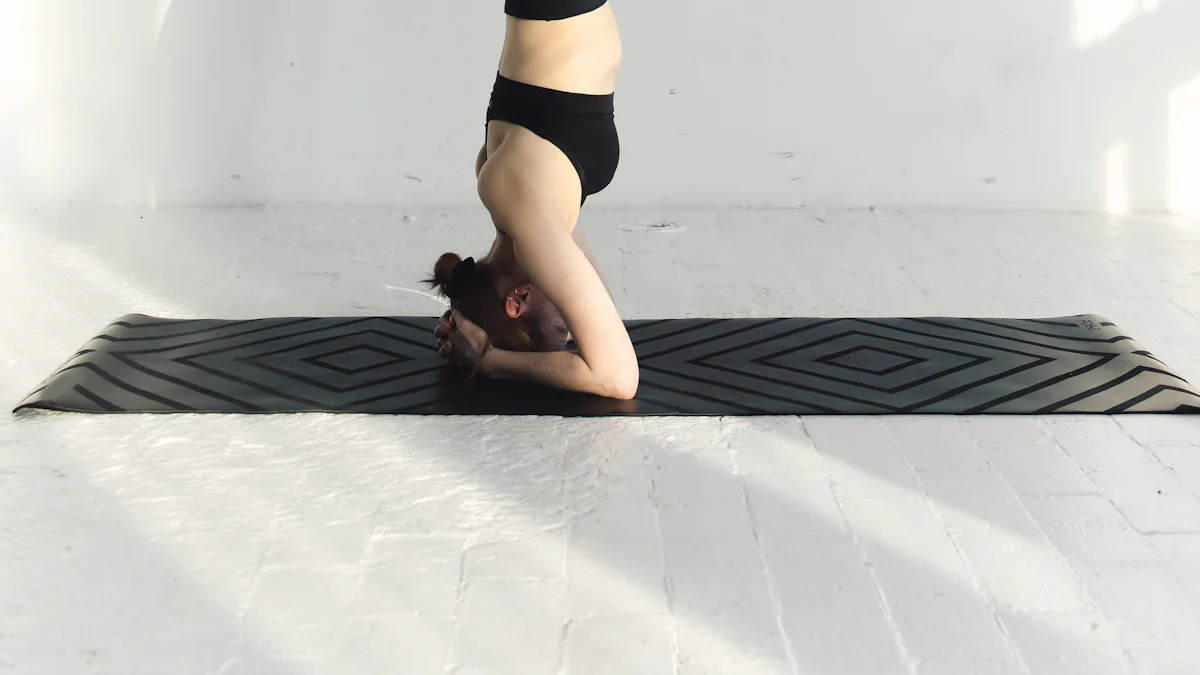
Image Source: pexels
Proper Technique and Execution
Proper technique is crucial to avoid hamstring pain after yoga. You should pay attention to performing each yoga pose correctly. Here are some tips that can help you:
Guide to Correctly Performing Yoga Poses
-
Pay attention to your alignment: Keep your spine straight and your joints aligned. This helps distribute the load evenly and avoid overstretching.
-
Listen to your body: If you feel pain, don't go deeper into the pose. Every body is different, and it's important to listen to your body's signals.
Common Mistakes and How to Avoid Them
-
Entering poses too quickly: Take your time getting into the pose. A slow and controlled entry helps protect the muscles.
-
Ignoring pain: If you feel pain, stop. Pain is a sign that something is wrong.
Regular Stretching and Strengthening
Regular stretching and strengthening of the hamstrings can help prevent hamstring pain after yoga. It's important to promote both flexibility and strength in these muscles.
Effective Stretches for the Hamstrings
-
Gentle Stretches: Gently stretch your hamstrings to improve flexibility. Claudia Bahl, an experienced Yin yoga teacher, recommends distributing the stretch harmoniously along the entire dorsal fascial line. This reduces localized stress and prevents inflammation.
-
Dynamic Stretches: Perform dynamic stretches to prepare the muscles for exercise.
Strengthening Exercises to Support the Muscles
-
Eccentric Strength Exercises: These exercises are particularly effective for building hamstring strength. They help strengthen the muscles and reduce the risk of injury.
-
Regular Training: Remember the principle "use it or lose it." Without targeted training, the muscles cannot become stronger.
Using Props
Props can be a valuable aid in preventing hamstring pain after yoga. They help you find the correct posture and perform the exercises more safely.
Using Yoga Blocks and Straps
- Yoga Blocks: These can help you find the correct alignment in poses, especially if you haven't yet achieved full flexibility.
* Yoga straps: They help you deepen stretches without overstretching your muscles.
Benefits of Using Props
-
Safety: Props offer additional support and help prevent injuries.
-
Improved Technique: They allow you to perform poses correctly, even if you are still working on your flexibility.
By following these preventative measures, you can significantly reduce the risk of hamstring pain after yoga. Remember, prevention is key to making your yoga practice safe and pain-free.
Tips for Recovery After Yoga
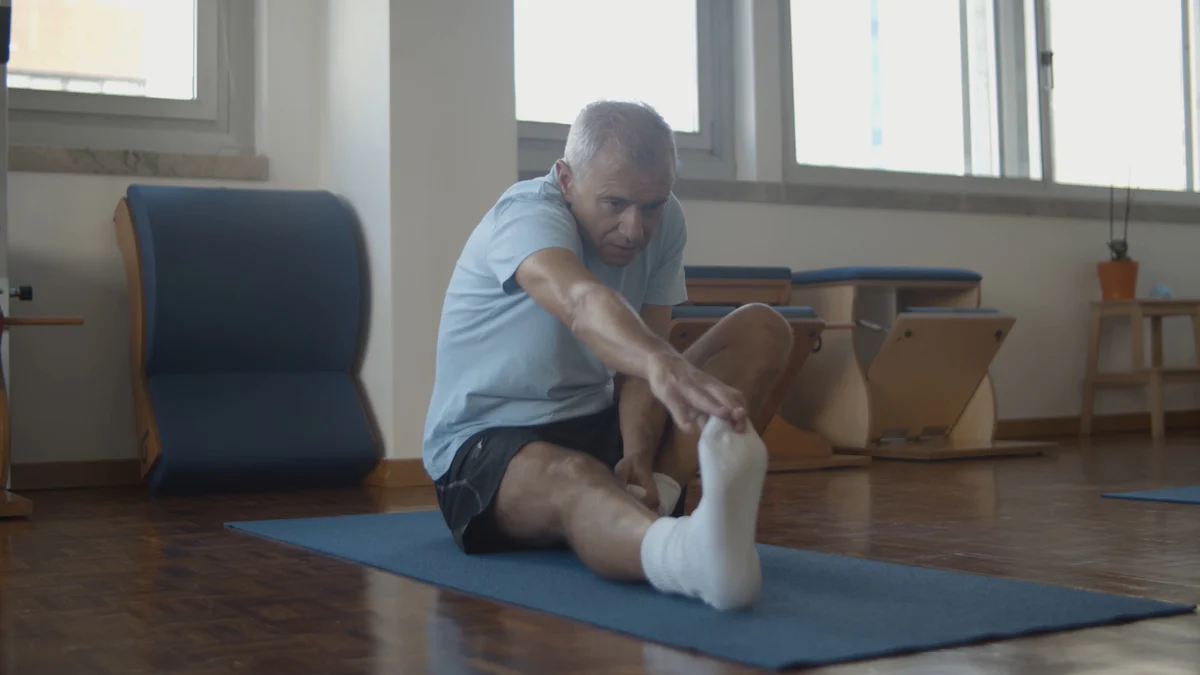
Image Source: pexels
After an intense yoga session, it's important to give your body the necessary rest. Here are some tips that can help you avoid hamstring pain after yoga and optimally regenerate your muscles.
Cooling and Relaxation Techniques
Using Ice and Heat
To relieve hamstring pain after yoga, you can use both ice and heat. Ice helps reduce swelling and inflammation. You can apply an ice pack to the affected area to relieve the pain. Heat, on the other hand, promotes blood circulation and relaxes muscles. A warm compress or a warm bath can work wonders for loosening muscles.
Relaxation Techniques for Muscle Regeneration
Relaxation techniques play a crucial role in muscle regeneration. Fascial yoga (https://www.geo.de/wissen/gesundheit/faszien-yoga--diese-vier-uebungen-helfen-gegen-schmerzen-34437500.html) is an excellent method for stimulating connective tissue and reducing discomfort. Fascial training (https://blackroll.com/de/artikel/warum-faszien-die-ursache-von-schmerzen-sein-koennen), such as foam rolling, can also help release muscle tension. These techniques promote blood circulation and support muscle healing.
The Importance of Proper Nutrition
Nutrients to Support Muscle Health
A balanced diet is essential to prevent hamstring pain after yoga. Make sure you consume enough protein, as it supports muscle growth. Omega-3 fatty acids have anti-inflammatory properties and can help reduce muscle inflammation. Antioxidants from fruits and vegetables also promote muscle health.
Hydration and Its Role in Recovery
Don't forget to drink enough fluids. Hydration plays a crucial role in recovery after yoga. Water helps keep muscles supple and flush out toxins. Proper hydration can prevent muscle cramps and accelerate regeneration.
By following these tips, you can effectively prevent hamstring pain after yoga and make your yoga practice safer. Remember that recovery is just as important as the workout itself. Listen to your body and give it the rest it needs.
Hydration and Its Role in Recovery
Hydration plays a crucial role in recovery after yoga. ## Frequently Asked Questions
How long does it take for hamstring pain to subside?
Average Recovery Time
Recovery time for hamstring pain can vary. It usually takes about one to two weeks for the pain to subside. However, this timeframe depends on the severity of the strain and your body's individual healing capacity. It's important to give your body the necessary rest and avoid putting further strain on the affected area.
When to See a Doctor
If the pain persists for more than two weeks or worsens, it's advisable to see a doctor. You should also seek medical advice if you experience swelling, bruising, or severe pain that restricts your movement. A doctor can determine the exact cause and recommend appropriate treatment.
Can I Continue Yoga with Hamstring Pain?
Adjustments and Modifications
Yes, you can continue practicing yoga with hamstring pain, as long as you make some adjustments. It's important to listen to your body and adapt the exercises accordingly. For example, you can reduce the intensity of stretches or use props like yoga blocks and straps to lessen the strain.
-
Avoid deep forward bends: These poses can put additional strain on the hamstrings.
-
Use props: Yoga blocks and straps help you find the correct posture without overworking the muscles.
When to Take a Break
If the pain increases during your yoga practice or you feel the injury is worsening, you should take a break. It's better to give your body the necessary time to heal than to risk a serious injury. Remember that everyone's body is different, and you should listen to your body's signals to avoid long-term damage.
Further Resources and Support
Recommended Literature and Online Resources
Books on Yoga and Muscle Health
If you'd like to delve deeper into the topic of yoga and muscle health, here are some recommended books that can offer valuable insights:
-
"Yoga Anatomy" by Leslie Kaminoff and Amy Matthews: This book provides a detailed overview of the body's anatomy in the context of yoga. It helps you better understand how your muscles function during the exercises.
-
"The Key Muscles of Yoga" by Ray Long: Another excellent work that focuses on the most important muscles used in yoga. It explains how you can effectively stretch and strengthen these muscles.
-
Useful Websites and Blogs
Besides books, there are also numerous online resources that can help you improve your yoga practice and prevent hamstring pain:
-
Physiotutors: This website offers comprehensive information on various orthopedic tests (https://www.physiotutors.com/de/conditions/proximal-hamstring-tendinopathy/) and treatments, including proximal hamstring tendinopathy. It's a great resource for learning more about the diagnosis and treatment of muscle problems.
-
Yoga Journal: A popular blog that regularly publishes articles on yoga techniques, health tips, and personal experiences. Here you'll find many helpful tips to improve your practice.
Professional Help and Advice
Physiotherapists and Yoga Teachers
Sometimes it's beneficial to seek professional help to effectively treat hamstring pain. Physiotherapists and experienced yoga teachers can give you personalized advice and help you improve your technique:
-
Physiotherapists: They can recommend specific exercises and treatments tailored to your individual needs. Their expertise can help you accelerate healing and prevent future injuries.
-
Yoga teachers: An experienced teacher can show you how to adjust your poses to avoid pain. They can also help you find proper alignment and make your practice safer.
When professional support is beneficial
It's important to know when to seek professional support. If you continue to experience pain or significant limitations in your range of motion despite taking all precautions, it's advisable to consult an expert. An experienced teacher or therapist can also provide valuable support if you're unsure whether you're performing the exercises correctly. Remember, there's no shame in seeking help—it shows you take your health seriously and are willing to take the necessary steps to improve.
You've now learned valuable tips and techniques for avoiding hamstring pain after yoga. Proper technique and regular stretching are crucial. Preventive measures, such as targeted strengthening and stretching exercises, can significantly reduce the risk of injury.
"Regular training can reduce the risk of injury."
I encourage you to incorporate these tips into your practice. This will help make your yoga experience safer and more enjoyable. Explore further how you can improve your health and flexibility. Your body will thank you!
See also
Start with Hatha Flow Yoga: Your Initial Impulse
Pure Relaxation: Your Path to Hatha Yoga in Aachen
Radiant Skin Through Gentle Facial Yoga Exercises for Beginners

Written by
Maria Yogalife
Maria | Yoga & Wellness Writer at YogaLife.World Maria is a passionate yoga and wellness writer at YogaLife.World, dedicated to sharing knowledge, inspiration, and practical guidance for a healthier, more balanced lifestyle. Through her articles, she explores yoga practices, meditation, mindfulness, holistic wellness, and the transformative benefits of mindful living. With an accessible and inspiring approach, Maria helps readers of all levels discover new practices, deepen their understanding of yoga, and bring greater balance, awareness, and well-being into their everyday lives.
Visit website


