
Complete Guide to Using Your Yoga Mat Correctly
Image Source: pexels
Using your yoga mat correctly is essential to ensure a safe and effective practice. A well-maintained mat not only prolongs its durability but also enhances your yoga experience. When choosing a mat, it's important to check which side should face up. This attention to detail helps prevent slips and maximizes comfort during exercises. Furthermore, the growing popularity of yoga as a form of exercise highlights the importance of investing in a quality mat, which contributes to your overall well-being.
Yoga Mat Cleaning
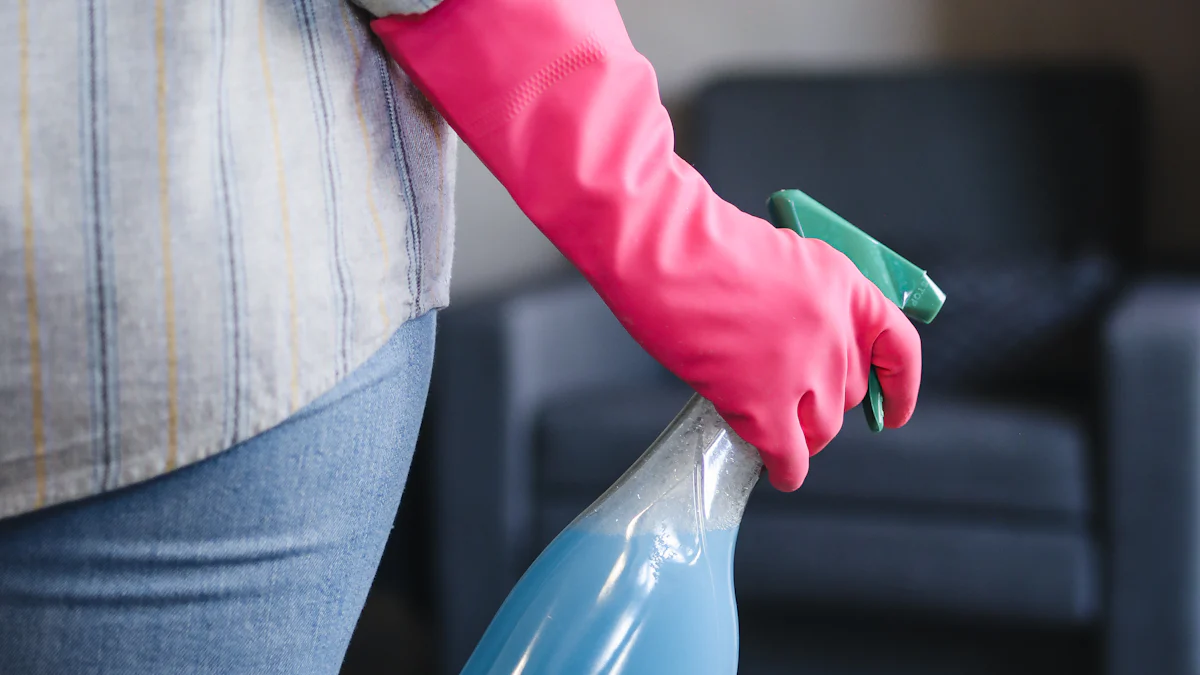
Image Source: pexels
Keeping your yoga mat clean is essential to ensure a safe and hygienic practice. Regular cleaning not only prolongs the life of the mat but also prevents the accumulation of germs and unpleasant odors.
Cleaning Methods
Dry Cleaning
Dry cleaning is a quick and effective option for removing dust and surface debris from your mat. Use a dry cloth or a soft brush to gently sweep the surface of the mat. This method is ideal for daily maintenance, especially if the mat is not very dirty.
Cleaning with Soap and Water
For a deeper clean, use mild soap and water. Mix a small amount of mild soap with warm water. Use a cloth or sponge to apply the solution to the mat, rubbing gently. Rinse with clean water and allow to dry completely before rolling up the mat. This method is recommended for weekly cleaning or when the mat is visibly soiled.
Recommended Cleaning Products
Natural Products
Natural products are an excellent choice for cleaning your yoga mat. Orange Yoga Mat Cleaner is an example of an organic product that uses essential oils and natural substances to disinfect and eliminate odors. These products are effective in removing germs and bacteria, keeping your mat fresh and clean.
Commercial Products
If you prefer commercial products, opt for those with organic certification. Rosemary Scented Yoga Mat Cleaning Product is an option that combines organic active ingredients for deep cleaning. This product is ideal for non-slip mats, ensuring they remain free of sweat residue and unwanted odors.
Cleaning Frequency
Daily Cleaning
To keep your mat in optimal condition, clean it daily with a dry cloth or a soft brush. This practice helps remove dust and surface residue, preventing the accumulation of dirt.
Weekly Cleaning
Perform a deeper cleaning weekly using soap and water or a recommended cleaning product. Regular care ensures your mat remains hygienic and germ-free, extending its lifespan and guaranteeing a safer and more comfortable yoga practice.
Frequently Asked Questions
How to Prevent Mat Wear and Tear?
Maintaining your yoga mat in good condition is essential to prolonging its lifespan. Here are some practical tips to prevent wear and tear:
Storage Tips
-
Roll up the mat correctly: After each yoga session, carefully roll up the mat. Avoid folding it, as this can cause permanent creases.
-
Choose a suitable location: Store the mat in a cool, dry place. Avoid leaving it exposed to sunlight or in humid environments, as this can damage the material.
-
Use a carrying bag: A carrying bag protects the mat from dust and dirt when not in use.
Use of Protectors
-
Carpet Protectors: Use carpet protectors to avoid direct contact with rough surfaces. These protectors help preserve the integrity of the material.
-
Yoga Towels: Place a yoga towel on your mat during practice. This towel absorbs sweat and reduces wear and tear caused by frequent use.
What to Do if the Mat Slips?
A slippery mat can compromise your safety during yoga practice. Here are some solutions to solve this problem:
Anti-Slip Solutions
-
Anti-slip Sprays: Apply an anti-slip spray to the surface of the mat. These products increase grip and reduce the risk of slipping.
-
Anti-slip Mats: Consider investing in a mat with anti-slip properties. These mats are designed to offer better traction.
Adjustments to the Use Surface
- Suitable Surfaces: Practice yoga on flat, clean surfaces. Avoid slippery or uneven floors that could compromise the stability of the mat.
Regular Check: Before each session, check that the mat is properly positioned and that the surface is free of dust or debris that could cause slipping.
Yoga Oui Yoga, a specialist in yoga mat care, states: "Taking care of your yoga mat is the best way to ensure it has a long lifespan. If you really want to use your mat for years, some tips are important." By following these guidelines, you can enjoy a safe and comfortable yoga practice.
Care for Different Materials
PVC Mats
Characteristics
PVC mats are known for their durability and affordability. This material offers good grip, making it a popular choice for beginners. Its non-slip surface helps maintain stability during yoga practice. Furthermore, PVC mats are lightweight and easy to transport, making them ideal for those who practice yoga in different locations.
Specific Care
To keep your PVC mat in good condition, clean it regularly with a damp cloth. Avoid using harsh cleaning products, as they can damage the surface. Store the rolled-up mat in a cool, dry place away from direct sunlight. This will help prevent wear and tear and extend the mat's lifespan.
Natural Rubber Mats
Features
Natural rubber mats are eco-friendly and offer excellent grip. This material is known for its strength and durability, making it a popular choice among more experienced yoga practitioners. Natural rubber provides a comfortable and secure surface, ideal for intense practices.
Specific Care
To care for your natural rubber mat, use natural cleaning products. Avoid exposing the mat to extreme temperatures, as this can compromise its integrity. After cleaning, allow the mat to dry completely before rolling it up. Store it in a well-ventilated place to prevent odor buildup.
Cotton Mats
Features
Cotton mats are known for their softness and comfort. This material is breathable and absorbent, making it ideal for yoga practices that involve a lot of sweat. Cotton mats are frequently used in traditional yoga practices, such as Ashtanga.
Specific Care
Wash your cotton mat regularly to maintain hygiene. Use a mild detergent and avoid fabric softeners, as they can affect the material's absorbency. Air dry the mat, avoiding direct sunlight. Store it in a dry place to prevent mold and prolong its durability.
Additional Care Tips
Proper Storage
Keeping your yoga mat in good condition starts with proper storage. Here are some tips to ensure your mat stays in top condition:
Ideal Locations
-
Choose a cool, dry place: Store your mat in a location with a stable temperature and low humidity. A cupboard or shelf away from heat sources is ideal.
-
Avoid humid places: Humidity can damage the mat material and promote mold growth. Ensure the storage area is well-ventilated.
Avoid Sun Exposure
-
Protect the mat from direct sunlight: Prolonged sun exposure can fade colors and weaken the mat material. Store it in a place where it does not receive direct sunlight.
-
Use a carrying bag: When not using the mat, store it in a carrying bag. This bag offers additional protection against sunlight and dust.
Regular Maintenance
Regular maintenance of your yoga mat is essential to prolong its lifespan. Here are some practices you can adopt:
Wear Inspection
-
Check the mat regularly: Before each yoga session, inspect the mat for signs of wear, such as tears or discolored areas.
-
Pay attention to signs of deterioration: If you notice that the mat is losing grip or becoming thinner in certain areas, it may be time to consider replacing it.
Simple Repairs
-
Repair minor damage immediately: If you find small tears or holes, repair them as quickly as possible. Use adhesives or patches specifically designed for yoga mats.
-
Avoid using regular adhesive tape: This can further damage the mat's material. Opt for repair solutions suitable for the type of material your mat is made of.
By following these additional care tips, you can ensure your yoga mat remains in optimal condition, providing you with a safe and comfortable practice.
Yoga Mat Which Side Up
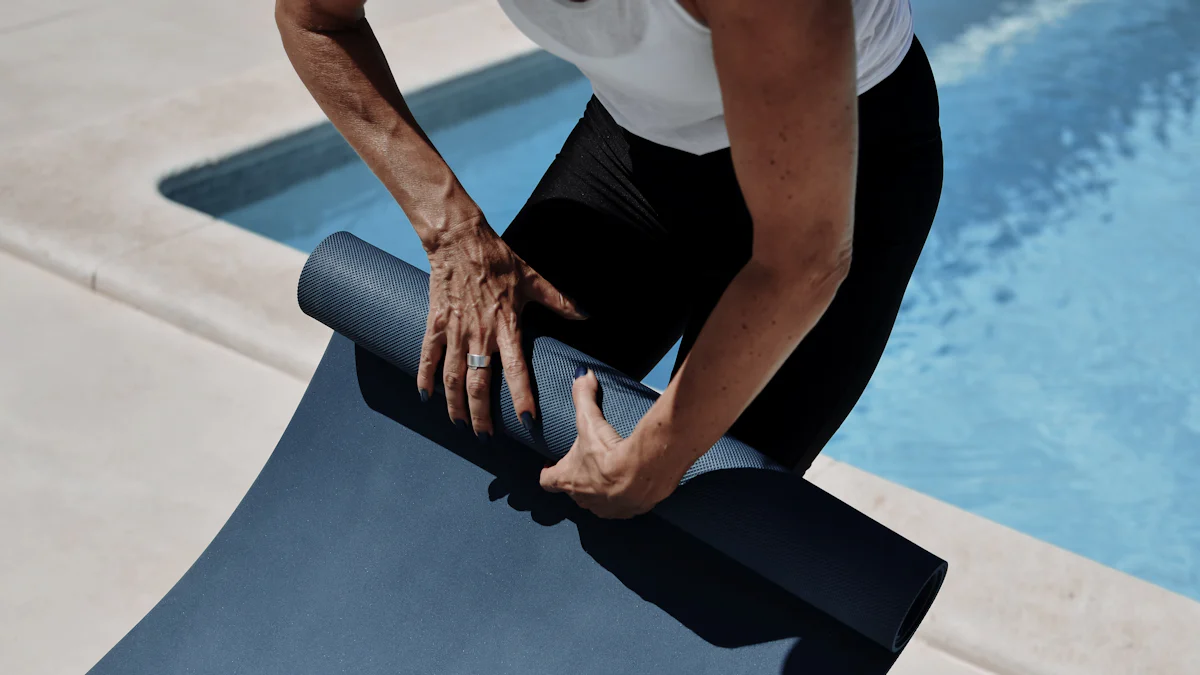
Image Source: unsplash
Identifying the Correct Side
Choosing the correct side of the yoga mat is crucial for a safe and comfortable practice. Each side of the mat is designed to offer different levels of support and grip. Here are some tips for identifying the correct side:
Checking Labels or Logos
-
Look for labels or logos: Many yoga mats come with a logo or mark indicating which side should face up. This is a helpful visual guide to ensure you are using the mat correctly.
-
Read the manufacturer's instructions: The instructions provided by the manufacturer may contain valuable information about which side of the mat should be used. Be sure to consult them before starting your practice.
Grip Test
-
Perform a grip test: Place the mat on the floor and press lightly with your hands or feet. The side that offers the most resistance and least slippage is usually the correct side facing up.
-
Try different surfaces: Test the mat on various surfaces to see which side offers the best grip. This may vary depending on the type of flooring you are practicing on.
Importance of Using the Correct Side
Using the correct side of your yoga mat is not just a matter of comfort, but also of safety. Here are some reasons why it's important to pay attention to this detail:
Slip Prevention
-
Avoid slips: The correct side of the mat is designed to maximize grip, reducing the risk of slipping during poses. This is especially important in practices involving fast movements or balance poses.
-
Protect yourself from injuries: A slippery mat can lead to falls and injuries. Ensuring you are using the correct side helps maintain stability and safety during practice.
Maximizing Comfort
- Increase comfort: The correct side of the mat provides a smoother, more cushioned surface, increasing comfort during yoga poses. This is essential for prolonged or intense practices.
Improve your practice experience: Using the correct side of your mat can significantly improve your yoga experience, allowing you to focus on postures and breathing without distractions.
By following these guidelines, you can ensure you are using your yoga mat in the best possible way, maximizing both the safety and comfort of your practice.
Caring for your yoga mat is essential to ensure a safe and long-lasting practice. Keep it clean and store it correctly to extend its lifespan. Remember to identify the correct side to maximize comfort and safety. Regular yoga practice not only improves your physical health but also promotes self-regulation and body awareness. Encourage yourself to explore self-knowledge through yoga, integrating personal experiences that enrich your practice. By following these guidelines, you can enjoy a more conscious and rewarding yoga practice.

Written by
Maria Yogalife
Maria | Yoga & Wellness Writer at YogaLife.World Maria is a passionate yoga and wellness writer at YogaLife.World, dedicated to sharing knowledge, inspiration, and practical guidance for a healthier, more balanced lifestyle. Through her articles, she explores yoga practices, meditation, mindfulness, holistic wellness, and the transformative benefits of mindful living. With an accessible and inspiring approach, Maria helps readers of all levels discover new practices, deepen their understanding of yoga, and bring greater balance, awareness, and well-being into their everyday lives.
Visit website


