
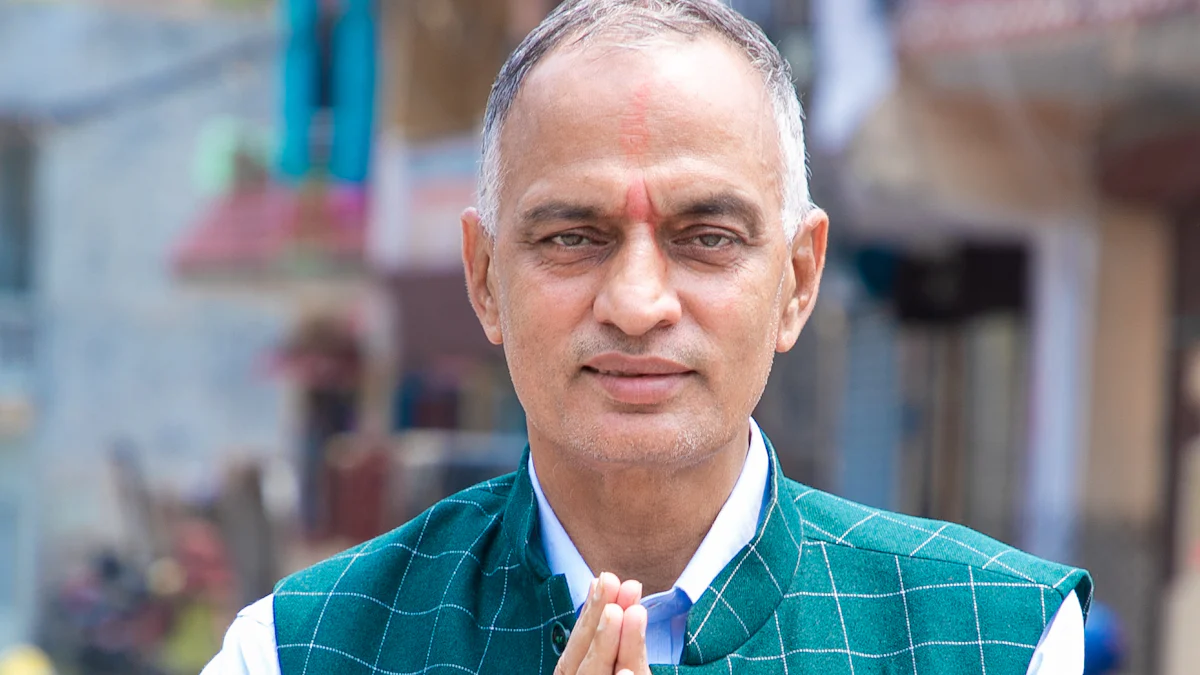
Discover the Deep Meaning of Namaste in Yoga
Image Source: Pexels
Namaste is a word you've surely heard at the end of your yoga classes. This term, originating in South Asia, has become a common greeting in yoga and meditation worldwide. By saying "Namaste," you're not just greeting, but also acknowledging the divine within yourself and others. Understanding the meaning of namaste in yoga allows you to go beyond a simple gesture of courtesy. It invites you to reflect on the spiritual connection and mutual respect that this word embodies.
Origin of Namaste
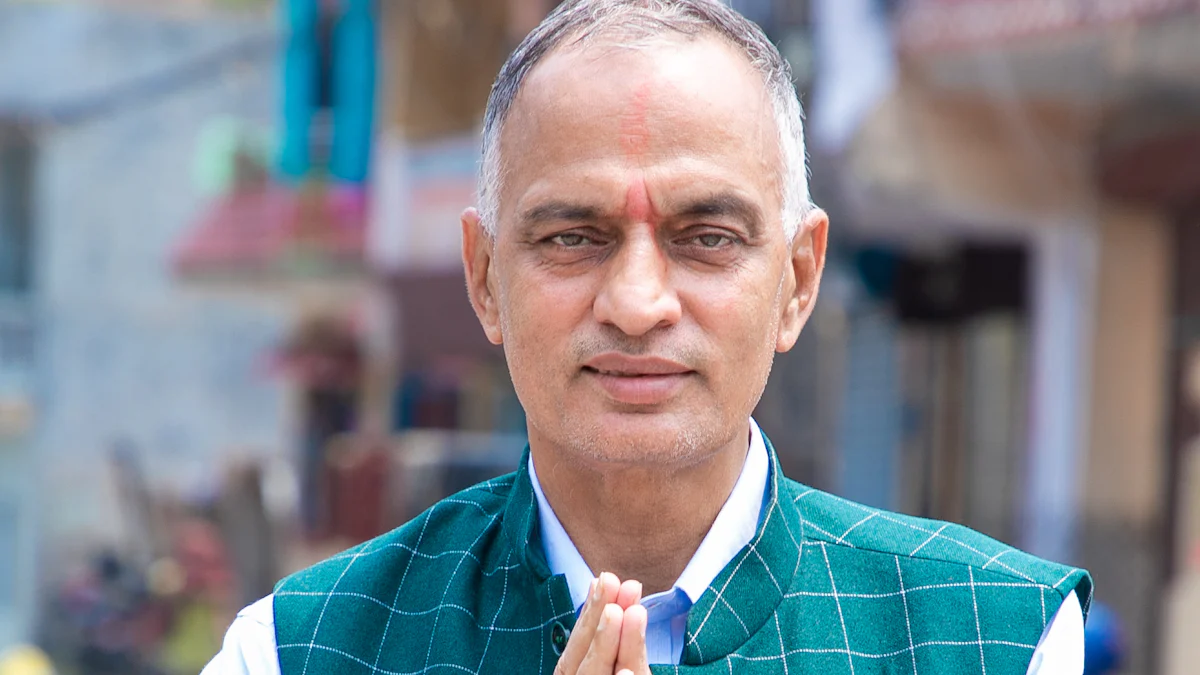
Image Source: pexels
Etymological Roots
Literal Meaning of "Namaste"
The word "Namaste" comes from Sanskrit, a sacred language in Hinduism. It consists of two parts: "namas," which means reverence or bowing, and "te," which translates as "to you." By combining these terms, "Namaste" becomes a greeting that transcends words, symbolizing deep respect for the other person. This greeting does not require physical contact, making it especially meaningful in spiritual and cultural contexts.
Evolution of the term over time
Throughout the centuries, "Namaste" has maintained its essence of respect and reverence. However, its use has evolved. Originally, it was used in India both as a greeting and a farewell, and also to express gratitude. Today, "Namaste" has spread far beyond the borders of India, being adopted by diverse cultures and spiritual practices, especially in Western yoga. This evolution reflects its ability to connect people on a deeper, more universal level.
Historical Context
Use in Indian Culture
In India, "Namaste" is a sacred greeting that shows respect for the divine being within each person. It is widely used by Hindus, Sikhs, Jains, and Buddhists, both in India and Nepal. This greeting is not only a form of courtesy but also an expression of the region's spirituality and culture. By saying "Namaste," you acknowledge the divinity in the other person, elevating the greeting to a spiritual level.
Introduction of the Term in Western Yoga
With the popularization of yoga in the West, "Namaste" has found a new home in yoga and meditation classes. It is commonly used at the beginning and end of sessions, symbolizing a gesture of respect and gratitude toward other practitioners and the instructor. In this context, "Namaste" is not only a greeting but also an invitation to reflection and spiritual connection. By incorporating "Namaste" into your yoga practice, you foster an atmosphere of peace and harmony, aligned with the philosophical principles of yoga.
Cultural Meaning of Namaste
Spiritual Interpretations
Connection with Inner Divinity
Namaste is not just a greeting; it is a profound acknowledgment of the divinity that resides within each of us. By saying "Namaste," you recognize the divine spark within yourself and others. This gesture symbolizes the unity of all existence, transcending the barriers of ego and individuality. In the practice of yoga, this spiritual connection becomes an essential part, inviting you to honor the divine presence in every being.
Relationship with Yoga Philosophy
Yoga philosophy centers on the union of body, mind, and spirit. Namaste aligns perfectly with these principles, as it promotes respect and reverence for all forms of life. By integrating Namaste into your yoga practice, you are not only greeting, but also expressing gratitude and love for the world around you. This greeting becomes a constant reminder of the interconnectedness of everything in the universe.
Namaste in Daily Life
Use in Greetings and Farewells
In India and Nepal, Namaste is traditionally used to greet and say goodbye. This everyday use reflects a deep respect for the person you are addressing. By incorporating Namaste into your daily interactions, you can show courtesy and honor to others, recognizing their intrinsic value and divine essence.
Impact on Interpersonal Relationships
Using Namaste in interpersonal relationships fosters an atmosphere of respect and mutual understanding. By recognizing the divine in others, you can strengthen your personal connections and promote a sense of unity and peace. This greeting not only improves your relationships but also invites you to live with humility and gratitude, honoring who you are and who others are.
Meaning of Namaste in Yoga

Image Source: pexels
Use in Yoga Classes
Appropriate Time to Use "Namaste"
In yoga classes, the use of "Namaste" marks significant moments. At the end of the session, when the body and mind have reached a state of calm, it is the ideal time to say "Namaste." This greeting not only closes the practice but also symbolizes an inner connection and an acknowledgment of the peace achieved. By saying "Namaste," you remind yourself that yoga is a space for introspection and deep connection with your inner self.
How it's integrated into asana practice
During asana practice, "Namaste" is integrated as a gesture of respect and gratitude. By bringing your palms together in front of your chest, in a prayer position, you connect with your divine essence. This gesture, accompanied by the word "Namaste," reinforces the intention of each posture, promoting an atmosphere of respect for yourself and other practitioners. By incorporating "Namaste" into your practice, you not only improve your technique but also enrich your spiritual experience.
Benefits of incorporating Namaste
Fostering humility and respect
Incorporating "Namaste" into your yoga practice fosters humility and respect. By recognizing the divine within yourself and others, you open yourself to the possibility of living with gratitude and humility. This greeting reminds you that we are all equal and that every being deserves respect. By practicing "Namaste" regularly, you strengthen your interpersonal relationships and promote an environment of mutual understanding.
Creating an Environment of Peace and Harmony
The meaning of Namaste in yoga goes beyond a simple greeting. By integrating "Namaste" into your practice, you contribute to creating an environment of peace and harmony. This gesture acts as a constant reminder that yoga is a path to inner peace and balance. By saying "Namaste," you connect with your divine essence, finding serenity amidst the chaos of daily life. This greeting not only improves your personal well-being but also positively influences your surroundings.
Comparison with Other Spiritual Greetings
Greetings in Other Cultures
"Shalom" in Hebrew Culture
Shalom is a traditional greeting in Hebrew culture that means "peace." This term is used both to greet and to say goodbye, similar to "Namaste." By saying "Shalom," you acknowledge and wish peace and well-being for the other person. This greeting reflects a desire for harmony and tranquility, values deeply rooted in Hebrew tradition.
"Salaam" in Arab Culture
In Arab culture, the greeting "Salaam" also means "peace." Like "Shalom," it is used to greet and say goodbye, expressing a wish for peace and security for the other person. "Salaam" is an integral part of daily interactions in Arab communities, symbolizing respect and goodwill toward others.
Differences and Similarities
Focus on Peace and Respect
Although Namaste, Shalom, and Salaam originate from different cultures, they share a common focus on peace and respect. Each of these greetings transcends the verbal, becoming a gesture of recognition and honor toward the other person. By using these greetings, you are not only expressing courtesy, but also a sincere wish for well-being and harmony.
Contexts of Use
The contexts of use for these greetings vary depending on the culture. Namaste is primarily used in spiritual and yoga contexts, symbolizing a connection with the divine. Shalom and Salaam, on the other hand, are used in everyday interactions, reflecting a desire for peace in daily life. Despite these differences, all these greetings promote a sense of unity and mutual respect, reminding us of the importance of peace in our interpersonal relationships.
Final Thoughts on Namaste
Importance of Deep Understanding
Avoiding Superficial Use
When using Namaste, it is crucial to understand its profound meaning. It is not just a greeting, but a recognition of the divinity within every human being. Using Namaste superficially can distort its essence. By understanding its true meaning, you can avoid trivializing its use and respect its spiritual and cultural value.
"Namaste" symbolizes the union of the physical, mental, and spiritual, recognizing the essence of the other and creating an environment of peace, respect, and healing.
Fostering Cultural Respect
"Namaste" is more than a word; it's a bridge between cultures. By using it, you show respect for the traditions from which it originates. This greeting invites us to recognize cultural diversity and honor the spiritual practices of other communities. By fostering cultural respect, you contribute to a more harmonious and understanding world.
Application in Modern Life
Integration into Daily Practices
Incorporating "Namaste" into your daily life can transform your interactions. By greeting others with "Namaste," you acknowledge the divine spark within them, promoting an atmosphere of respect and unity. This simple gesture can enrich your personal and professional relationships, reminding you of the importance of human connection.
Promoting Inner Peace
"Namaste" not only affects your external relationships but also your inner world. By practicing this greeting, you connect with your divine essence, promoting inner peace. This recognition of the unity of all existence helps you transcend the barriers of the ego and find serenity amidst daily chaos. By integrating "Namaste" into your life, you embark on a path toward harmony and spiritual balance.
In this exploration of the meaning of "Namaste," you have discovered its profound symbolism and its capacity to transform relationships. This greeting not only expresses gratitude and respect but also honors the divine spark in every human being. We invite you to reflect on how you use "Namaste" in your daily life. Consider deepening your study of yoga and its cultural practices to enrich your understanding and spiritual connection. By integrating "Namaste" into your interactions, you can foster an environment of peace and unity, recognizing the divine in everyone.
See also
Explore the benefits of SUP yoga
Tips for practicing soul yoga at home
10mm Yoga Mat: Which is the best option?

Written by
Maria Yogalife
Maria | Yoga & Wellness Writer at YogaLife.World Maria is a passionate yoga and wellness writer at YogaLife.World, dedicated to sharing knowledge, inspiration, and practical guidance for a healthier, more balanced lifestyle. Through her articles, she explores yoga practices, meditation, mindfulness, holistic wellness, and the transformative benefits of mindful living. With an accessible and inspiring approach, Maria helps readers of all levels discover new practices, deepen their understanding of yoga, and bring greater balance, awareness, and well-being into their everyday lives.
Visit website


