
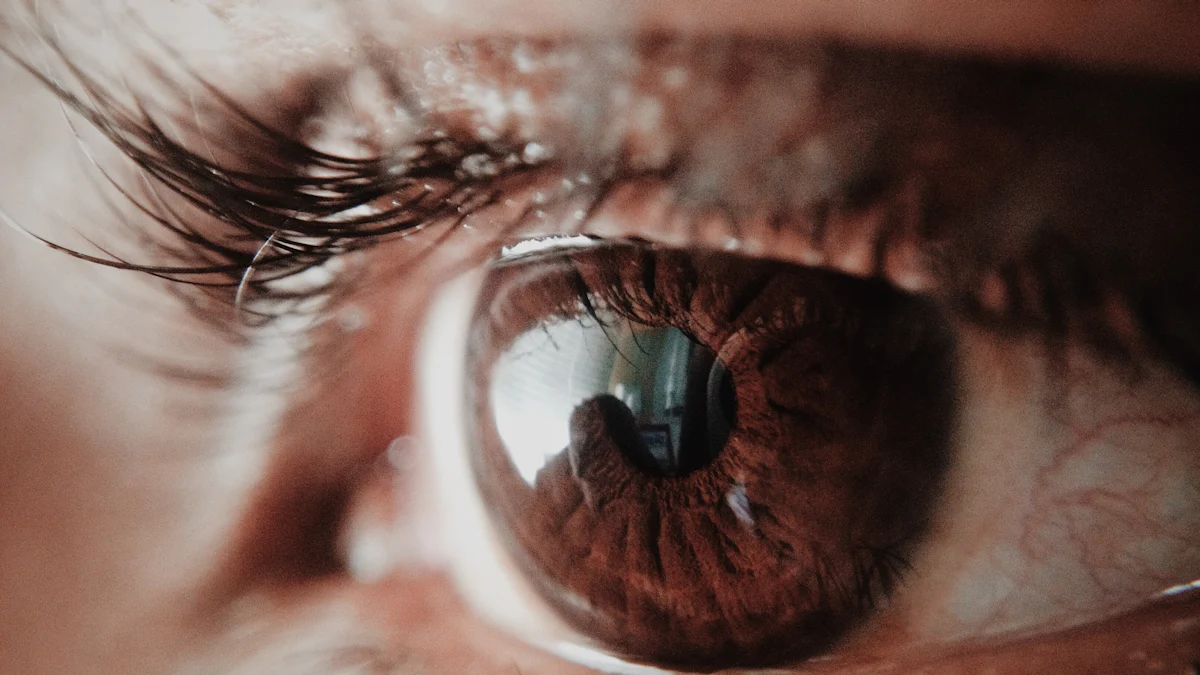
Image Source: pexels
The practice of eye yoga offers an innovative approach to caring for your vision. With the increased use of electronic devices, eye health has become a growing concern. You may experience symptoms such as dry eyes, irritation, and blurred vision after long periods in front of screens. Eye yoga emerges as an effective solution to alleviate eye fatigue. By incorporating simple exercises, you can strengthen your eye muscles and improve flexibility, promoting healthier and more comfortable vision.
What is Eye Yoga?
Eye yoga is a practice that aims to improve eye health through specific exercises. You can strengthen your eye muscles, increase flexibility, and reduce eye fatigue. Let's explore the history and basic principles of this practice.
History and Origin
Ancient Practices
Eye yoga has roots in ancient practices. Civilizations like the Indian one already used techniques to improve vision and eye health. These practices involved focus and relaxation exercises, which helped maintain eye health.
Modern Evolution
Over time, eye yoga has evolved. Today, it incorporates modern techniques that adapt to current lifestyles. You can find exercises that help relieve eye strain caused by excessive screen use. Modern practice combines ancient knowledge with new scientific discoveries.
Basic Principles
Relaxation Techniques
Relaxation techniques are fundamental in eye yoga. They help relieve accumulated tension in the eye muscles. You can practice exercises like "palming," which involves covering your eyes with the palms of your hands to provide deep rest.
Focus and Concentration
Focus and concentration are essential in eye yoga. Exercises like Trataka, which consists of fixing the gaze on a specific point, help improve visual concentration. This practice strengthens the eye muscles and can reduce eye fatigue.
Benefits of Eye Yoga
The practice of eye yoga offers a series of benefits that can transform your eye health. By incorporating these exercises into your routine, you can experience significant improvements in visual acuity and a noticeable reduction in eye strain.
Improved Visual Acuity
Eye yoga can improve visual acuity in several ways. Studies published in the U.S. National Library of Medicine highlight that regular practice of these exercises can strengthen the eye muscles and improve visual focus. This translates into sharper and clearer vision.
Studies and Research
Scientific research has shown that eye yoga can alleviate symptoms of dry eye syndrome and reduce intraocular pressure in glaucoma patients. These studies reinforce the effectiveness of the practice in promoting eye health. Regular practice can help maintain healthy vision and prevent future problems.
Testimonials from Practitioners
Many practitioners report significant improvements after incorporating eye yoga into their daily routines. They mention clearer vision and less eye strain. These personal testimonials are a powerful testament to the benefits the practice can offer.
Reducing Eye Strain
Eye strain is a common problem, especially in a world where screen use is constant. Eye yoga can be an effective solution to this problem.
Causes of Eye Strain
Eye strain usually results from prolonged use of electronic devices, reading in dimly lit environments, or lack of adequate breaks during intense visual activities. These factors can cause tension in the eye muscles and lead to symptoms such as headaches and blurred vision.
How Yoga Helps
Eye yoga helps relieve eye strain by promoting relaxation of the eye muscles and improving blood circulation in the area. Exercises such as "palming" and "conscious blinking" are effective in reducing tension and providing immediate relief. By practicing regularly, you can keep your eyes rested and healthy, even after long hours of work.
How to Practice Eye Yoga
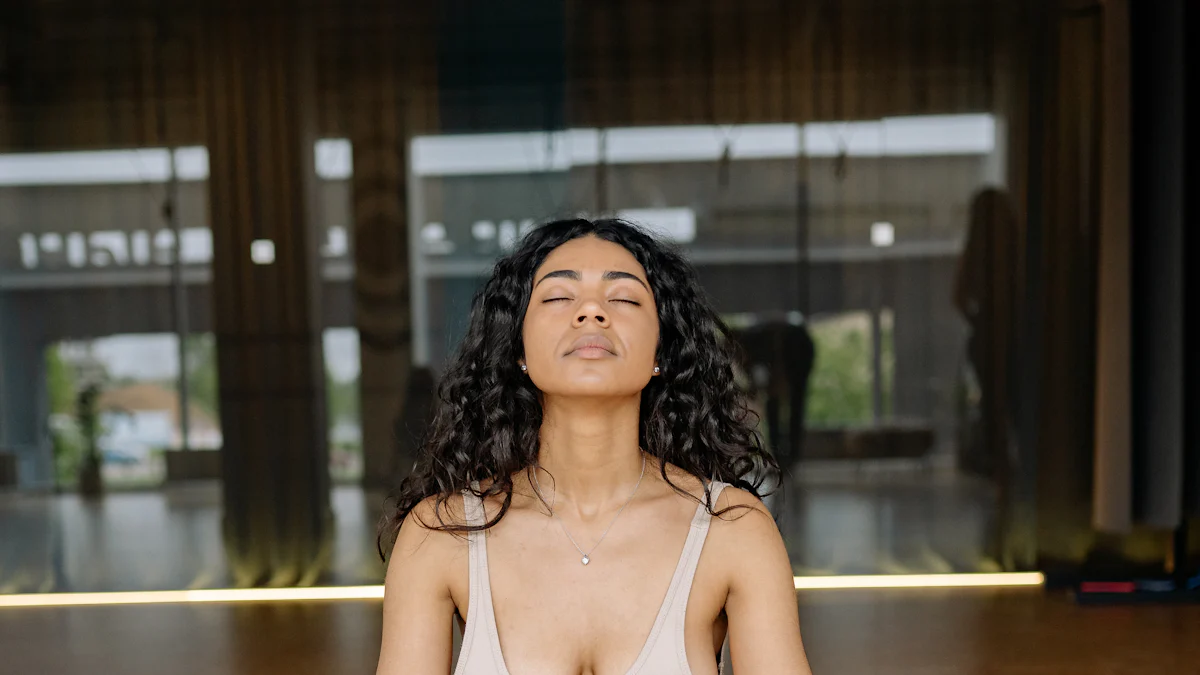
Image Source: pexels
Incorporating eye yoga practice into your routine can bring numerous benefits to eye health. Below, you will find daily exercises and a weekly routine that will help strengthen your eye muscles and improve flexibility.
Daily Exercises
Palming
"Palming" is a simple and effective relaxation technique. To practice it, follow the steps below:
-
Sit comfortably in a chair or on the floor.
-
Rub your palms together until they are warm.
-
Cover your eyes with your palms, without pressing them.
-
Breathe deeply and relax for a few minutes, allowing the darkness to calm your eyes.
This exercise helps relieve eye strain and promotes deep rest.
Conscious Blinking
Blinking is a natural movement that lubricates and cleans the eyes. However, we often forget to blink properly, especially when we are in front of screens. To practice conscious blinking:
-
Close your eyes gently for one second.
-
Open them slowly and repeat the process for one minute.
-
Focus on each blink, feeling the relief it provides.
This simple exercise can reduce eye fatigue and improve eye lubrication.
Weekly Routine
Circular Movements
Circular movements help improve the flexibility of the eye muscles. To practice them:
-
Sit comfortably and keep your head still.
-
Look up and begin moving your eyes in a circle, clockwise.
-
Repeat the movement counterclockwise.
-
Do this for one minute in each direction.
These movements help to strengthen the eye muscles and improve coordination.
Alternating Focus
Alternating focus is an exercise that improves visual concentration. To practice it:
-
Hold a small object in front of your face.
-
Focus on the object for a few seconds.
-
Look away to a distant point and maintain focus for a few seconds.
-
Repeat the process for a few minutes.
This exercise helps train the eyes to change focus quickly, which is useful in daily activities.
Incorporating these eye yoga exercises into your routine can not only strengthen your eye muscles but also promote a deeper, more introspective meditation experience. By practicing regularly, you will be taking care of your eye health effectively and naturally.
Tips to Maximize Results
Practice Environment
Creating a suitable environment for eye yoga practice is essential for achieving the best results. Here are some tips to optimize your practice space:
Adequate Lighting
Lighting plays a crucial role in eye health. Make sure the environment is well-lit, but avoid very bright or direct lights that may cause discomfort. Natural light is ideal, as it provides soft and even illumination. If possible, position yourself near a window during practice.
Correct Posture
Maintaining correct posture is fundamental to avoid unnecessary tension in the body and eyes. Sit in a comfortable chair or on the floor, with your back straight and shoulders relaxed. Keep your head aligned with your spine and avoid leaning forward or backward. Proper posture helps maintain focus and concentration during exercises.
Consistency and Patience
To maximize the benefits of eye yoga, it is important to be consistent and patient. Here are some strategies to help you maintain a regular practice:
Establish a Routine
Create a daily or weekly routine for your eye yoga practice. Choose a time that works best for you, whether it's in the morning, during a break at work, or in the evening. Consistency is key to strengthening eye muscles and improving visual health. Consider setting reminders on your phone so you don't forget to practice.
Monitoring progress
Tracking your progress can be motivating and help you identify improvements over time. Keep a practice journal, noting the exercises you perform and any changes you notice in your vision or eye comfort. This will allow you to adjust your routine as needed and celebrate your achievements.
"Trataka, a technique of eye yoga, involves staring at an object, which can strengthen the eye muscles and improve concentration." This practice not only helps eliminate eye strain but also contributes to the development of clairvoyance.
By following these tips, you'll be on the right track to maximizing the benefits of eye yoga. Remember that regular practice and patience are fundamental to achieving healthier and more comfortable vision.
Testimonials and Case Studies

Image Source: pexels
Personal Experiences
Success Stories
Many practitioners of eye yoga report remarkable transformations in their eye health. One example is Maria, who suffered from intense eye strain due to prolonged computer use. After incorporating eye yoga exercises into her daily routine, Maria noticed a significant reduction in eye strain and an improvement in visual clarity. She describes the practice as a "relief for the eyes" and states that she can now work longer without discomfort.
Challenges Faced
Despite the benefits, some practitioners face challenges when starting eye yoga. João, for example, found it difficult to maintain consistency in his practice. However, by establishing a routine and monitoring his progress, he was able to overcome this obstacle. João now notices gradual improvements in his vision and less eye strain. These initial challenges are common, but with patience and dedication, positive results can be achieved.
Scientific Evidence
Recent Research
Recent studies highlight the effectiveness of eye yoga in promoting eye health. Research indicates that regular practice can alleviate symptoms of dry eye syndrome, a common condition in people who spend long hours in front of screens. Eye yoga exercises help stimulate the production of tear fluid, providing relief and comfort for the eyes.
Study Conclusions
The study conclusions reinforce that eye yoga offers various benefits for eye health. In addition to relieving symptoms of dry eye syndrome, the practice can improve the flexibility of eye muscles and reduce eye strain. These scientific findings support the incorporation of eye yoga as a complementary practice to maintain visual health. By adopting this practice, you can experience clearer and more comfortable vision, contributing to the overall well-being of your eyes.
Eye yoga offers numerous benefits for your eye health. You may experience improved visual acuity and a significant reduction in eye strain. Regular practice is essential to reap these benefits. By integrating eye yoga into your daily routine, you promote healthier and more comfortable vision. Remember that consistency is key to success. Start today and feel the difference these exercises can make in your life. Take good care of your eyes, and they will take good care of you.
See also
Exploring Yoga in Atibaia: Top Locations
Celebrities Who Rock Their Yoga Looks
Explore the Best Yoga Spaces in Campo Grande, RJ

Written by
Maria Yogalife
Maria | Yoga & Wellness Writer at YogaLife.World Maria is a passionate yoga and wellness writer at YogaLife.World, dedicated to sharing knowledge, inspiration, and practical guidance for a healthier, more balanced lifestyle. Through her articles, she explores yoga practices, meditation, mindfulness, holistic wellness, and the transformative benefits of mindful living. With an accessible and inspiring approach, Maria helps readers of all levels discover new practices, deepen their understanding of yoga, and bring greater balance, awareness, and well-being into their everyday lives.
Visit website


