
How do you choose the perfect yoga teacher training?
 Maria Yogalife
Image Source: pexels
Choosing the right Core Yoga Teacher Training is a crucial step on your journey. It not only influences your career opportunities but also your personal development. Imagine investing time and money in a training program that doesn't align with your goals—that would be frustrating, wouldn't it?
A suitable Core Yoga Teacher Training program helps you strengthen your values and interests. Whether you want to practice yoga out of passion or as a profession, the right decision will open doors for you. With the increasing demand for yoga in Germany, where 2.6 million people already practice yoga, a solid Core Yoga Teacher Training program will allow you to inspire others.
Key Insights
-
Define your personal goals and expectations to choose the right yoga teacher training program.
-
Consider your time and financial constraints to find a program that fits into your daily life.
-
Choose the yoga style that aligns with your interests and goals to teach authentically.
-
Pay attention to the quality of the training, including the content and the teachers' qualifications.
-
Take advantage of trial classes and information sessions to experience the school's atmosphere and teaching style.
-
Practical experience is crucial; look for training programs that offer practice sessions and feedback.
-
- Flexibility in training, such as online or hybrid models, can help you adapt your training to your life circumstances.
Analyze your personal needs
Choosing the perfect yoga teacher training begins with considering your personal needs. What do you want to achieve? What kind of framework suits your life? By clarifying these questions, you can make an informed decision.
Define your own goals and expectations
Why do I want to become a yoga teacher? Personal or professional motivation.
First, ask yourself: Why do you want to become a yoga teacher? Perhaps you're looking for a balance to your stressful professional life, like many others. Or you want to share your passion for yoga with others and support them on their journey. Some see the training as an opportunity to deepen their personal practice, while others find a professional perspective in it. Your motivation is key to choosing the right training.
Why do I want to become a yoga teacher? "Yoga has helped me manage my daily life better. Now I want to show others how they can benefit from it." – Frauke, Yoga Enthusiast
What type of yoga do I want to teach? (e.g., Hatha, Vinyasa, Yin).
Yoga is diverse. Would you like to teach dynamic styles like Vinyasa or Ashtanga? Or are you more drawn to calmer styles like Yin or Hatha? Consider which type of yoga inspires you the most. Your preferences and experiences play a significant role. If you're unsure, try out different styles before making a decision.
Time and Financial Considerations
How much time can I invest? (Full-time, Part-time, Intensive Course).
Time is a crucial factor. Can you afford a full-time training course that requires several weeks of complete dedication? Or would a part-time course better fit your daily routine? Intensive courses offer you the opportunity to delve deeply into the subject in a short amount of time, while weekend courses offer more flexibility. Consider how much time you can realistically invest without overexerting yourself.
What financial resources do I have available?
The cost of yoga teacher training can vary significantly. Set a budget and explore which options fit within your means. Remember that high-quality training is an investment in your future. Ensure that the content and quality of the training justify the price.
Consider your personal circumstances
Location and flexibility (local or international, in-person or online).
Where would you like to complete your training? Local courses allow you to stay in your familiar surroundings. International programs, on the other hand, can offer you a new perspective. In-person courses allow for direct contact with teachers and fellow students, while online options offer maximum flexibility. Choose the format that best suits your lifestyle.
Work-life balance.
Compatibility with your daily life is crucial. If you work or have family commitments, you need a training program that fits into your schedule. Many participants report that good time management is one of the biggest challenges during the training. Plan ahead to avoid stress.
"The biggest challenge was balancing the training with my job and family. But with proper planning, it worked out." – Participant Testimonial
Choosing the Right Training Format
Choosing the right training format is a crucial step on your path to becoming a yoga teacher. Different formats offer flexibility to adapt the training to your lifestyle and needs. Let's take a closer look at the options.
Different Yoga Teacher Training Formats
Intensive Courses (e.g., 4 weeks at a time)
Intensive courses are ideal if you want to fully concentrate on your training. In a compact period of about four weeks, you'll immerse yourself in the world of yoga. You'll often live on-site, giving you the opportunity to connect with like-minded individuals and enjoy an intensive learning experience. This format is particularly suitable if you want to get started quickly and can't make long-term commitments.
Weekend or Day Blocks (Spread Over Several Months)
This format offers you more flexibility, as the training takes place over several months on weekends or in day blocks. It's perfect if you're employed or have family obligations. You can apply and deepen what you've learned in your daily life between modules. However, this option requires more patience, as the program takes longer to complete.
Online Training and Hybrid Models
Online training is a modern and flexible way to complete your yoga teacher training. You can learn from home and create your own schedule. Hybrid models combine online learning with in-person modules to offer you the best of both worlds. These formats are especially convenient if you want to remain location-independent or don't have the opportunity to be on-site regularly.
Advantages and Disadvantages of the Formats
Intensive Courses: Immersion vs. Time Pressure
Intensive courses allow you to fully immerse yourself in the yoga practice. You can concentrate fully on the training without distractions from your daily life. However, the time pressure can be challenging, as you have to absorb a lot of knowledge in a short period. If you are well-organized, this is a great option.
Weekend Courses: Flexibility vs. Longer Duration
Weekend courses offer maximum flexibility, as they can easily be integrated into your daily routine. You can continue working or taking care of your family. The disadvantage is the longer duration of the training, which requires patience and perseverance. For many, however, this is a good balance between learning and everyday life.
Online Options: Convenience vs. Lack of Personal Contact
Online training programs score points with their convenience and flexibility. You can learn at your own pace and often have access to recorded content. However, the lack of personal contact with teachers and fellow students can be a drawback. Hybrid models can offer a solution here by combining online learning with occasional in-person modules.
"I opted for a hybrid training program. The combination of online learning and in-person modules gave me the flexibility I needed without sacrificing personal interaction." – Testimonial from a participant
Choosing the right format depends on your individual needs. Consider how much time you can invest, which learning environment appeals to you most, and how you want to integrate the training into your daily life. Making the right decision lays the foundation for a successful and fulfilling yoga teacher journey.
Finding the Right Teacher or School
Choosing the right teacher or school is a crucial step on your path to yoga teacher training. A teacher who inspires you and a school that shares your values can enrich your experience and positively influence your learning process.
The Importance of Rapport and Trust
How do I find a teacher who's right for me?
A teacher should not only be professionally competent but also a good personal fit for you. Check out the teachers' profiles, read their stories, and learn more about their yoga journey. Many schools offer information about their instructors on their websites. Consider whether their philosophy and style resonate with you.
"Our team of teachers was amazing. Meghan is an incredibly wonderful and fun teacher who continues to be a huge inspiration to me. If you ever get the chance to practice with her, definitely do it." – Kathie, former participant
This personal experience illustrates the importance of finding a teacher who motivates and inspires you.
Why Teacher-Student Chemistry Matters
The chemistry between you and your teacher plays a significant role. A teacher you trust creates a safe environment in which you can grow. You'll feel more comfortable asking questions and accepting feedback. This trust not only fosters your learning but also your personal development. When you feel connected to your teacher, the training becomes a truly enriching experience.
Research and Reviews
Testimonials and Recommendations from Former Participants
Testimonials from former participants are a valuable source of information. Read what others have to say about their training. What were their experiences? What did they particularly enjoy? Recommendations from friends or acquaintances who have already completed a training program can also help you make an informed decision.
Online Reviews and the School's Social Media Presence
A school's online presence gives you a first impression. Look at reviews on platforms like Google or Facebook. Pay attention to how the school responds to feedback. An active social media presence can give you insights into the teaching style, the atmosphere, and the school's values. Videos, photos, and posts often convey an authentic picture.
Take advantage of trial lessons or information sessions
How trial lessons help you get to know the atmosphere and style
Trial lessons are a great way to experience the atmosphere and style of a school. You can observe the lessons firsthand and find out if they meet your expectations. Pay attention to how the teacher teaches, how the group interacts, and whether you feel comfortable. This experience will help you make an informed decision.
Questions to ask at information sessions
Information sessions offer you the opportunity to clarify any questions you may have. Think about what you would like to know in advance. Here are some examples:
-
How is the class structured?
-
What qualifications do the teachers have?
-
What support does the school offer during and after the training?
Use this opportunity to find out if the school and the team are a good fit for you. Your questions also demonstrate your interest and help you make the right choice.
Choosing the right teacher or school is a personal process. Take your time, research thoroughly, and trust your instincts. Making the right decision lays the foundation for a successful and fulfilling yoga teacher training.
Choosing the Right Yoga Style
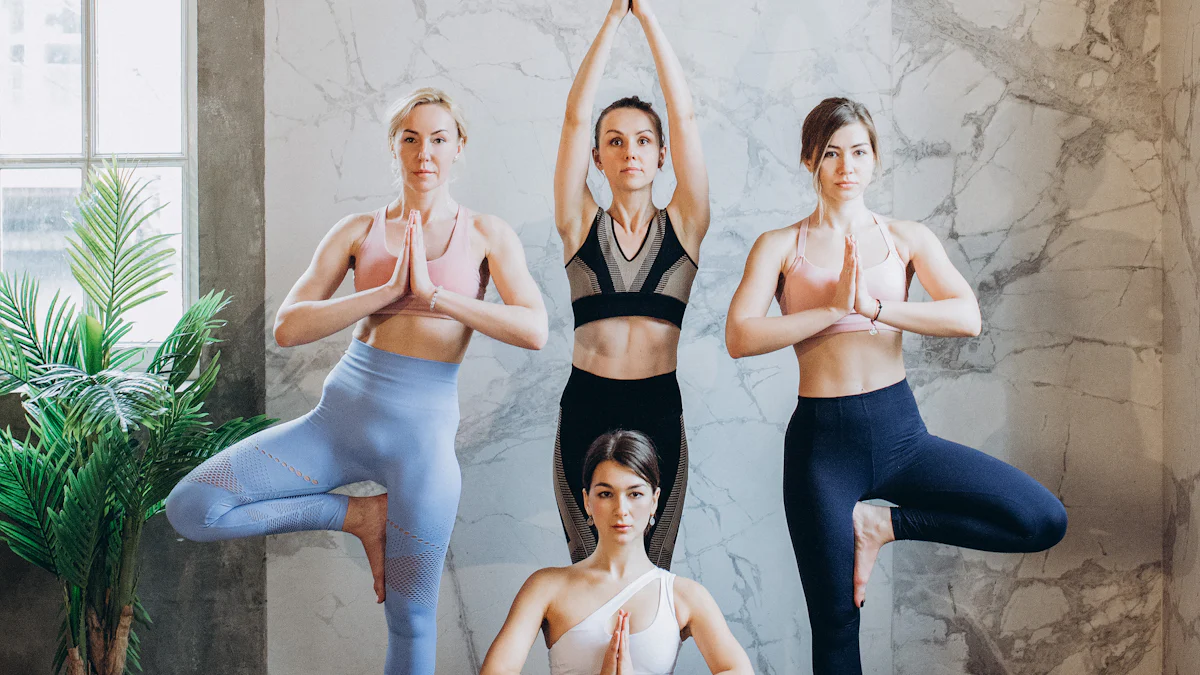
Image Source: pexels
Choosing the right yoga style is a crucial step on your path to becoming a yoga teacher. Each style has its own philosophy, practice, and target audience. By finding the style that suits you and your goals, you lay the foundation for a fulfilling and authentic yoga career.
Understanding the Diversity of Yoga Styles
Yoga is incredibly diverse. There are numerous styles of yoga, each with its own distinct practice and focus. Here's an overview of some of the most popular styles:
Overview of Popular Styles (Hatha, Vinyasa, Ashtanga, Yin, Kundalini)
-
Hatha Yoga: The classic yoga style. Hatha Yoga focuses on fundamental asanas (postures) and breathing exercises. It's particularly suitable for beginners due to its slow pace and emphasis on teaching the basics.
-
Vinyasa Yoga: Dynamic and flowing. Vinyasa combines breath and movement in creative sequences. This style is ideal if you're looking for an active practice that promotes strength and flexibility.
-
Ashtanga Yoga: A structured and demanding practice. Ashtanga follows a fixed sequence of poses and requires discipline. Perfect for those who love an intense physical challenge.
-
- Yin Yoga: Calm and meditative. Yin Yoga focuses on holding poses for extended periods to penetrate deep into the connective tissue. It's ideal for reducing stress and improving flexibility.
-
Kundalini Yoga: Spiritual and energetic. Kundalini combines breathing techniques, meditation, and mantras to activate inner energy. This style is especially appealing to those seeking a deeper connection with themselves.
"I started with Hatha Yoga to learn the basics. Later, I discovered Vinyasa, which helped me make my practice more dynamic." – Testimonial from a yoga teacher
Which styles suit my interests and goals?
Consider what you want to achieve with your yoga practice. Do you want to improve physical fitness, reduce stress, or experience spiritual depth? Your interests and goals will determine which style is best for you. If you're unsure, try different styles. Many studios offer introductory classes that can help you experience the differences.
Finding the Style You Want to Teach
As an aspiring yoga teacher, it's important not only to choose the style you enjoy, but also the one you want to teach. Your personal connection to the style and the needs of your future students play a central role in this.
Consider Your Personal Preferences and Experiences
Your own experiences with yoga are a valuable guide. Which style has helped you develop? Which practice has inspired you? When you teach a style you love, you will be more authentic and convincing. Your enthusiasm will be contagious.
Keep Your Target Audience in Mind
Think about the people you want to teach. Do you want to guide beginners who want to learn the basics? Or are you aiming to attract advanced practitioners who want to deepen their practice? Perhaps you'd like to target specific groups, such as seniors, pregnant women, or people with special needs. Every yoga style has its own target audience. Choose the style that suits your students' needs.
"I chose Yin Yoga because I see how much my students benefit from the peace and relaxation. It's incredibly fulfilling to help them reduce stress." – Testimonial from a yoga teacher
Choosing the right yoga style is a personal process. Take your time to explore different styles and listen to your intuition. With the right style, you can not only enrich your own practice but also inspire and support others.
Consider additional criteria for core yoga teacher training
Training content and quality
Important topics: Anatomy, philosophy, teaching methodology.
The content of a yoga teacher training is the heart of your learning process. Make sure the training covers important topics like anatomy, philosophy, and teaching methodology. Anatomy helps you better understand the physical aspects of yoga and teach them confidently. Philosophy gives you insights into the spiritual and cultural roots of yoga. Teaching methodology shows you how to effectively share your knowledge.
A good training offers a balance between theory and practice. You'll learn not only how to perform asanas correctly, but also how to adapt them to different needs. Ask yourself: Are these topics covered sufficiently in the training? Are there practical exercises that help you apply what you've learned?
"A solid training not only gives you knowledge, but also the ability to confidently share that knowledge." – Testimonial from a yoga teacher
How in-depth and practice-oriented is the training?
The depth of the content is crucial. A superficial training won't give you the tools you need to become a competent teacher. Take a close look at the curriculum. Are the topics covered in detail? Is there enough time for practical exercises? A practice-oriented training gives you the opportunity to practice teaching and receive feedback.
Another important point is the quality of the instructors. Are they experienced and qualified? Schools certified by the Yoga Alliance (https://rundumyoga.com/2022/01/worauf-du-bei-einer-yogalehrerausbildung-achten-solltest-5-tipps/) must adhere to high standards. This certification ensures that the training is holistic and authentic.
"The Yoga Alliance ensures that certified trainings are internationally recognized and meet high quality standards."
Duration and Recognition of the Training
Minimum Requirements (e.g., 200 hours according to Yoga Alliance).
The duration of the training influences how deeply you can delve into the subject matter. A solid foundational training typically comprises at least 200 hours. This minimum requirement is often stipulated by the Yoga Alliance. It ensures you have enough time to learn and practice the fundamentals.
If you choose a training program that meets these requirements, you can be sure you'll receive a solid foundation. This number of hours is also an important factor if you plan to teach internationally later on. Many studios and organizations only recognize teachers who have completed training according to these standards.
Is the training certified by recognized associations?
Certification by recognized associations such as the Yoga Alliance is a mark of quality. It shows that the school adheres to certain standards. A certified training program not only gives you peace of mind but also opens up better career opportunities. Many studios prefer teachers who have completed such training.
Check if the school you are considering is certified by an association. You can often find this information on the school's website. If you are unsure, ask. A certified training program is an investment in your future.
Group size and personal attention
Advantages of small groups for individual feedback.
Group size and personal attention
Advantages of small groups for individual feedback.
Group size has a significant impact on your learning experience. In small groups, you receive more individualized feedback. The instructor has more time to address your questions and help you improve your technique. You feel less anonymous and can learn more effectively.
While large groups can create a dynamic atmosphere, personal connection is often lost. Consider what's more important to you: lively group dynamics or individual attention? Many participants report making faster progress in small groups.
"I was able to learn so much more in a small group. The instructor really took the time to address my needs." – Testimonial from a participant
How important is personal contact with the instructor?
Personal contact with your instructor is a crucial factor. An instructor who knows and understands you can support you better. You feel more confident and can speak more openly about your challenges. This connection creates a trusting learning environment in which you can grow.
When choosing a teacher training program, pay attention to how much emphasis the school places on personal support. Are there regular one-on-one meetings or feedback sessions? These small details often make the difference between a good and a great program.
Choosing the right program requires time and research. Consider the content, the duration, and the quality of the support. These criteria will help you find a program that not only meets your expectations but also supports you on your journey as a yoga teacher. ... ## Practical Experience and Flexibility
Image Source: pexels
Gaining Practical Experience
The Importance of Practice Sessions and Feedback
Practical experience is at the heart of every yoga teacher training program. You not only learn the theory, but also put it directly into practice. Practice sessions give you the opportunity to apply your knowledge and refine your skills. This will make you more confident in your teaching and help you develop your own style.
Feedback plays a crucial role. It helps you recognize your strengths and work on your weaknesses. Your instructors and fellow students can give you valuable advice that will foster your development. Imagine leading a class and receiving direct feedback on your posture, voice, or instruction. This feedback will make you a better teacher.
"During my training, the practice sessions were the highlight. The feedback from my instructors helped me overcome my insecurities and teach with confidence." – Testimonial from a yoga teacher
Opportunities for Observation and Assistance
Observation and assistance offer you the chance to learn from experienced teachers. You can observe their techniques, understand their approach, and gain valuable insights into everyday teaching. These experiences broaden your horizons and prepare you for the challenges of teaching yoga.
Many schools allow you to work as an assistant during or after your training. You'll support the teacher, assist students with their asanas, or prepare classes. This practical experience boosts your confidence and gives you the opportunity to apply what you've learned in a real-world setting.
"The observations during my training were incredibly educational. I was able to see how my teacher worked with different students and learned a lot about adjustments and communication." – Participant Testimonial
Flexibility of the Training
Online Courses and Hybrid Models
The flexibility of modern yoga teacher training is a major advantage. Online courses allow you to learn from anywhere. You can create your own schedule and work at your own pace. These courses are ideal, especially for people with busy schedules or family commitments.
Hybrid models combine the benefits of online and in-person instruction. You learn the theory online and deepen your understanding in practical, in-person modules. This combination offers you the convenience of digital learning and the personal interaction with teachers and fellow students. Many participants appreciate this balance, as it combines the best of both worlds.
"I opted for a hybrid model. The online theory was incredibly flexible, and the in-person modules helped me improve my practice." – Testimonial from a participant
Modular Programs for Individual Customization
Modular programs offer you the opportunity to tailor your training to your individual needs. You can complete the modules at your own pace and adapt them to your daily life. These programs are especially helpful if you are employed or have other commitments.
Another advantage of modular programs is the diversity of topics. You can specialize in specific areas, such as yoga for people with health conditions or alternative, holistic methods. These specializations make you a versatile teacher and open up new career opportunities.
"The modular programs allowed me to complete my training step by step. I was able to focus on topics that particularly interested me and learned a lot about alternative approaches." – Testimonial from a yoga teacher
Flexibility and practical experience are crucial for successful yoga teacher training. They give you the freedom to forge your own path and optimally prepare you for your future role as a teacher. Take advantage of these opportunities to make your training an enriching and inspiring journey.
Choosing the perfect yoga teacher training requires time and attention. You have now learned about the most important criteria that will help you make an informed decision. Trust your intuition and choose a training program that feels right for you.
"My practical exams taught me so much and took away my fear of my first real yoga class."
Your journey to becoming a yoga teacher is unique and enriching. It will help you grow not only as a teacher but also as a person. Seize this opportunity to walk your path with joy and confidence.
Your journey to becoming a yoga teacher is unique and enriching. It will help you grow not only as a teacher but also as a person. Take this opportunity to walk your path with joy and confidence.
`````````````````````````)`` ## See also
Tips for Choosing the Ideal Online Yoga Course
How to Find the Perfect Private Yoga Course
Steps to Becoming a Successful Core Yoga Teacher
Written by
Maria Yogalife
Maria | Yoga & Wellness Writer at YogaLife.World Maria is a passionate yoga and wellness writer at YogaLife.World, dedicated to sharing knowledge, inspiration, and practical guidance for a healthier, more balanced lifestyle. Through her articles, she explores yoga practices, meditation, mindfulness, holistic wellness, and the transformative benefits of mindful living. With an accessible and inspiring approach, Maria helps readers of all levels discover new practices, deepen their understanding of yoga, and bring greater balance, awareness, and well-being into their everyday lives.
Visit website


