
Image Source: pexels
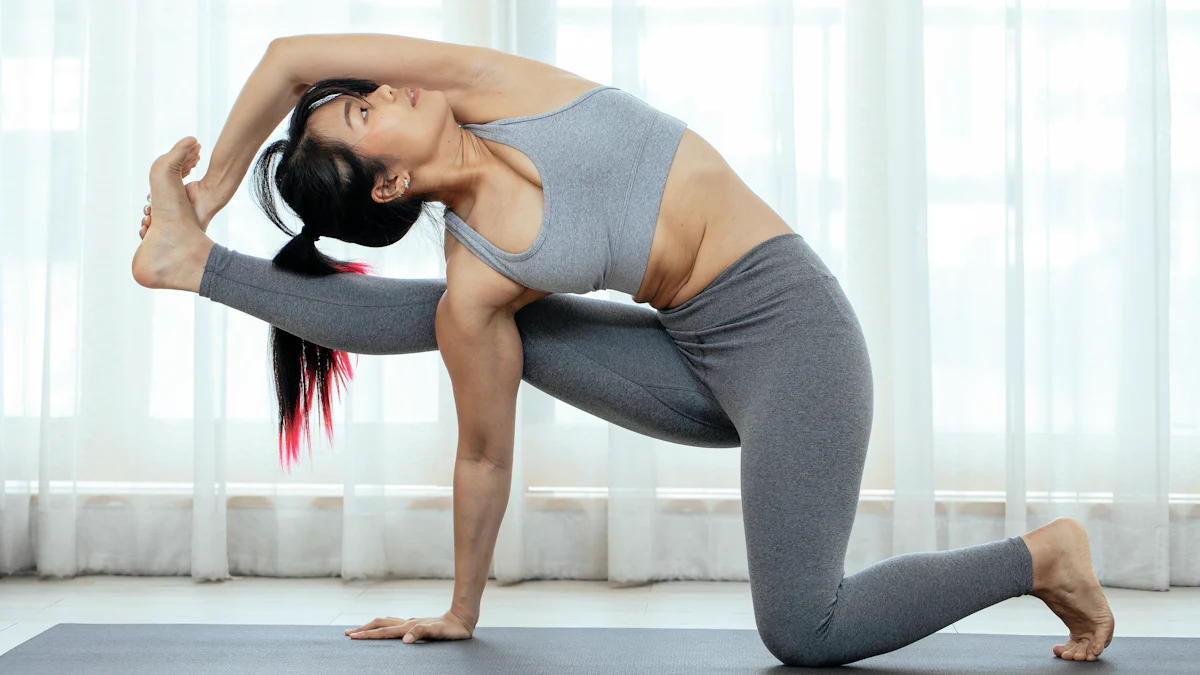
Ashtanga Yoga is a dynamic form of yoga that combines breathing with a series of ashtanga yoga asanas. You focus on the correct execution of ashtanga yoga asanas to achieve balance and synchronization in your body. Proper alignment and breathing help you strengthen muscle groups and relieve stress. As you practice, you develop greater self-awareness and face challenges that push you to your limits, offering a sense of accomplishment and pleasure.
The Importance of Proper Alignment
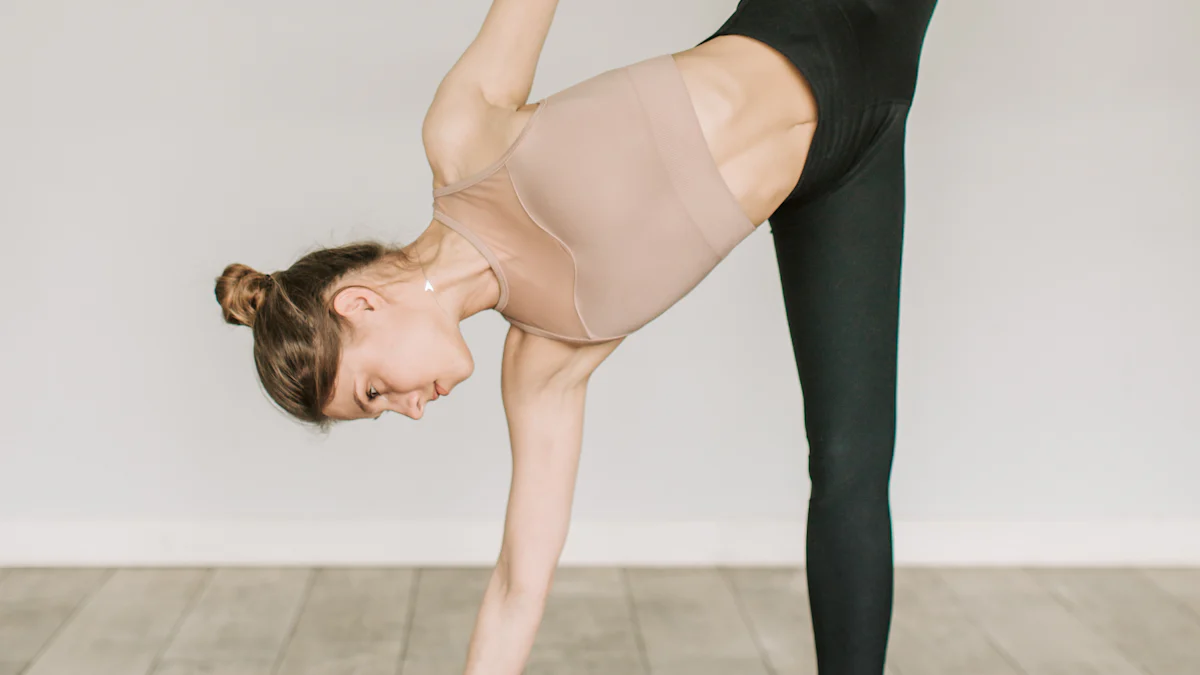
Image Source: pexels
What is Alignment
Definition and Meaning
Alignment in Ashtanga Yoga refers to the correct positioning of the body while performing asanas. When you align your body correctly, you reduce the risk of injury and enhance the effectiveness of your practice. Proper alignment helps strengthen muscles and improve balance and flexibility. According to research, asanas performed with proper alignment can improve posture and increase flexibility.
Common Alignment Mistakes
Many beginners make alignment mistakes, such as over-arching the spine or placing the limbs incorrectly. These mistakes can lead to injury or reduce the benefits of the practice. To avoid these mistakes, observe your body and adjust your poses based on your teacher's instructions.
The Role of Breathing (Ujjayi Pranayama)
Breathing Technique
Ujjayi Pranayama is a breathing technique used in Ashtanga Yoga to coordinate movement with breathing. To perform Ujjayi Pranayama correctly, inhale and exhale through the nose, creating a soft sound at the back of the throat. This technique helps maintain concentration and regulate the flow of energy during the practice.
Benefits of Proper Breathing
Proper breathing in Ashtanga Yoga has multiple benefits. Oxygenates the blood and [improves circulation](https://www.ashtangayoga-thessaloniki.gr/blog/yoga-%25CF%2584%25CE%25B1-%25CE%25BF%25CF%2586%25CE%25AD%25CE%25BB%25CE%25B7-% 25CF%2584%25CE%25B7%25CF%2582-%25CE%25B1%25CE%25BB%25CE%25BB%25CE%25 AC%25CE%25B6%25CE%25BF%25CF%2585%25CE%25BD-%25CF%2584%25CE%25BF-%25CF %2583%25CF%258E%25CE%25BC%25CE%25B1-%25CE%25BC%25CE%25B1%25CF%2582-% 25CE%25B1%25CF%2580%258C-%25CF%2584%25CE%25B7%25CE%25BD-%25CF%2580%2 5CF%2581%258E%25CF%2584%25CE%25B7-%25CE%25BA%25CE%25B9%25CF%258C%25C E%25BB%25CE%25B1%25CF%2582-%25CE%25BC%25CE%25AD%25CF%2581%25CE%25B1), contributing to better blood flow to the brain. This can maximize clear thinking and creativity. In addition, proper breathing reduces stress and enhances feelings of calm and concentration. According to research, yoga can help [reduce hypertension](https://www.ashtangayoga-thessaloniki.gr/blog/yoga-%25CF%2584%25CE%25B1-%25CE%25BF%25CF%2586%25CE%25AD%25CE%25BB%25CE%25B7-%2 5CF%2584%25CE%25B7%25CF%2582-%25CE%25B1%25CE%25BB%25CE%25BB%25CE%25A C%25CE%25B6%25CE%25BF%25CF%2585%25CE%25BD-%25CF%2584%25CE%25BF-%25CF %2583%25CF%258E%25CE%25BC%25CE%25B1-%25CE%25BC%25CE%25B1%25CF%2582-% 25CE%25B1%25CF%2580%258C-%25CF%2584%25CE%25B7%25CE%25BD-%25CF%2580%2 5CF%2581%258E%25CF%2584%25CE%25B7-%25CE%25BA%25CE%25B9%25CF%258C%25C E%25BB%25CE%25B1%25CF%2582-%25CE%25BC%25CE%25AD%25CF%2581%25CE%25B1) and improving lipid and blood sugar levels.
Ashtanga Yoga Asanas Sequence
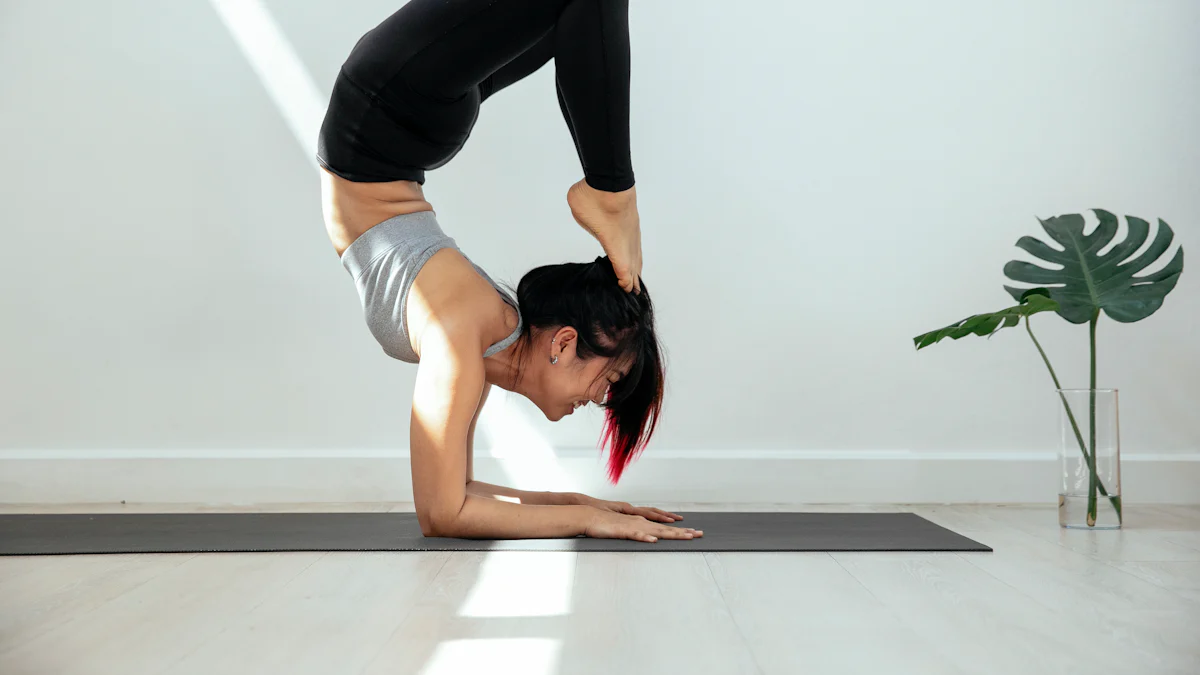
Image Source: pexels
Basic Poses
Description and Execution
The basic poses in Ashtanga Yoga form the foundation for developing your practice. One of the most well-known poses is the Boat Pose. This pose strengthens your abs and core muscles, while improving your balance and endurance. To perform Boat Pose, sit on the floor with your legs extended in front of you. Lift your legs off the ground and balance on your buttocks, forming a "V" with your body. Keep your arms parallel to the ground and keep your breathing steady.
Beginner Tips
For beginners, performing the basic poses may seem difficult. Start with small adjustments. If you have difficulty keeping your legs up in Boat, you can bend your knees. Focus on your breathing and try to maintain your balance. Patience and consistency are the keys to progress.
Variations of the poses
Adaptations for different levels
Variations of the poses in Ashtanga Yoga allow you to adapt your practice to your level of experience. For example, in Boat, you can use a strap around your legs for extra support. This adaptation helps develop strength and flexibility without putting too much strain on your body.
How to Choose the Right Variation
Choosing the right variation depends on your needs and capabilities. Listen to your body and don’t hesitate to ask your teacher for guidance. The right variation will help you improve your technique and get the most benefits from Ashtanga Yoga Poses.
Benefits of Ashtanga Yoga
Physical Strength
How it is developed
Ashtanga Yoga builds physical strength through the consistent practice of asanas. As you perform the poses, your muscles work to maintain balance and stability. This leads to strengthening of muscle groups and improved endurance. Regular practice helps in building muscle mass and improving overall fitness.
Examples of exercises
-
Chaturanga Dandasana (Plant Pose): This pose strengthens the muscles of the arms, shoulders, and torso. As you hold your body in a straight line, your muscles work to maintain the pose.
-
Utkatasana (Chair Pose): Strengthens the muscles of the legs and torso. As you bend your knees and hold the position, your muscles are activated to maintain balance.
Flexibility and Endurance
Benefits for the Body
Ashtanga Yoga improves the flexibility and endurance of the body. As you perform the asanas, your muscles stretch and become more flexible. This reduces the risk of injury and improves joint mobility. Consistent practice increases your endurance, allowing you to perform the poses for longer periods of time without fatigue.
Practical Tips
-
Continuous Practice: Set aside time every day for your practice. Consistency is the key to progress.
-
Listen to Your Body: Don't push yourself too hard. If you feel pain, stop and adjust your position.
-
Use props: If necessary, use straps or blocks to support your poses and improve your flexibility.
Ashtanga Yoga offers many benefits for the body and mind. With practice, you will develop physical strength, flexibility, and endurance, while improving your self-awareness and mental health.
Correct execution of the asanas in Ashtanga Yoga is fundamental to achieving the full benefits of the practice. When you align your body and coordinate your breathing, you strengthen your physical strength and improve your flexibility. Continuous practice is the key to progress. As Arthur Burns states, Ashtanga Yoga is ideal for those who choose to practice on their own at home. You are encouraged to continue your practice, discovering new possibilities and improving your self-awareness.

Written by
Maria Yogalife
Maria | Yoga & Wellness Writer at YogaLife.World Maria is a passionate yoga and wellness writer at YogaLife.World, dedicated to sharing knowledge, inspiration, and practical guidance for a healthier, more balanced lifestyle. Through her articles, she explores yoga practices, meditation, mindfulness, holistic wellness, and the transformative benefits of mindful living. With an accessible and inspiring approach, Maria helps readers of all levels discover new practices, deepen their understanding of yoga, and bring greater balance, awareness, and well-being into their everyday lives.
Visit website


