
Image Source: pexels
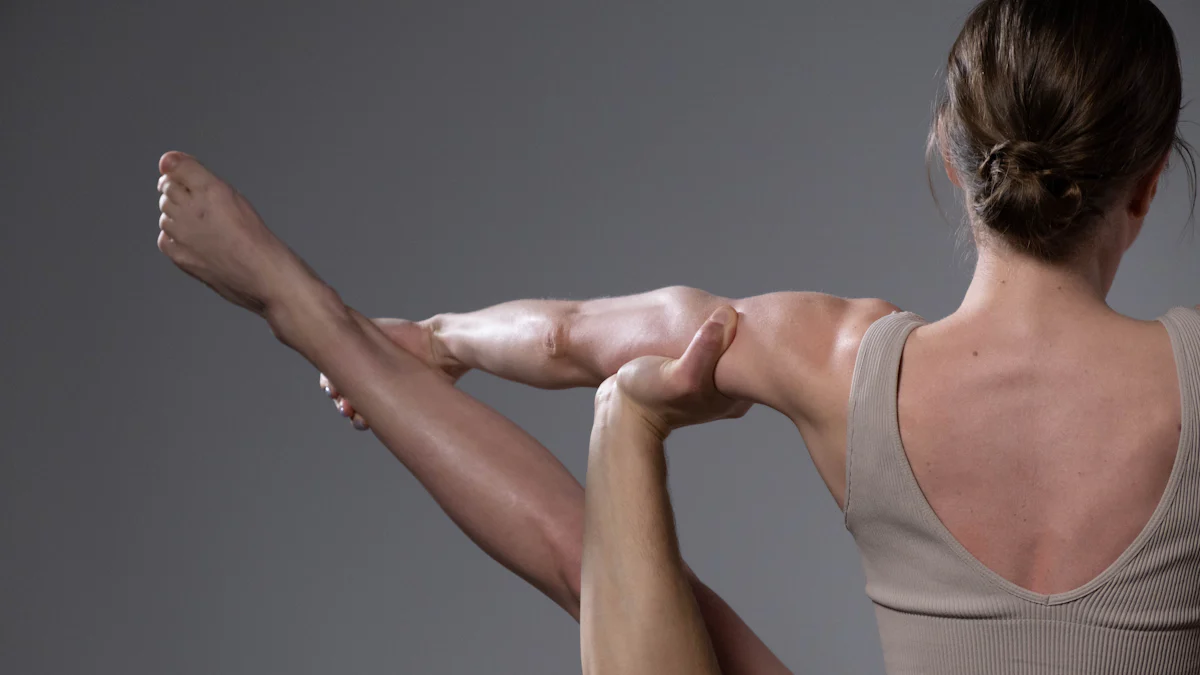
Understanding yoga anatomy is crucial to your safe and effective practice. Amy Matthews' Yoga Anatomy book offers valuable insights into how your body works during poses. With this tool, you can tailor your exercises to your personal needs, improving your flexibility and strength. Amy Matthews, with her expertise in Yoga Anatomy, guides you to discover the details of anatomy that enhance your practice.
Amy Matthews Yoga Anatomy: Standing Poses
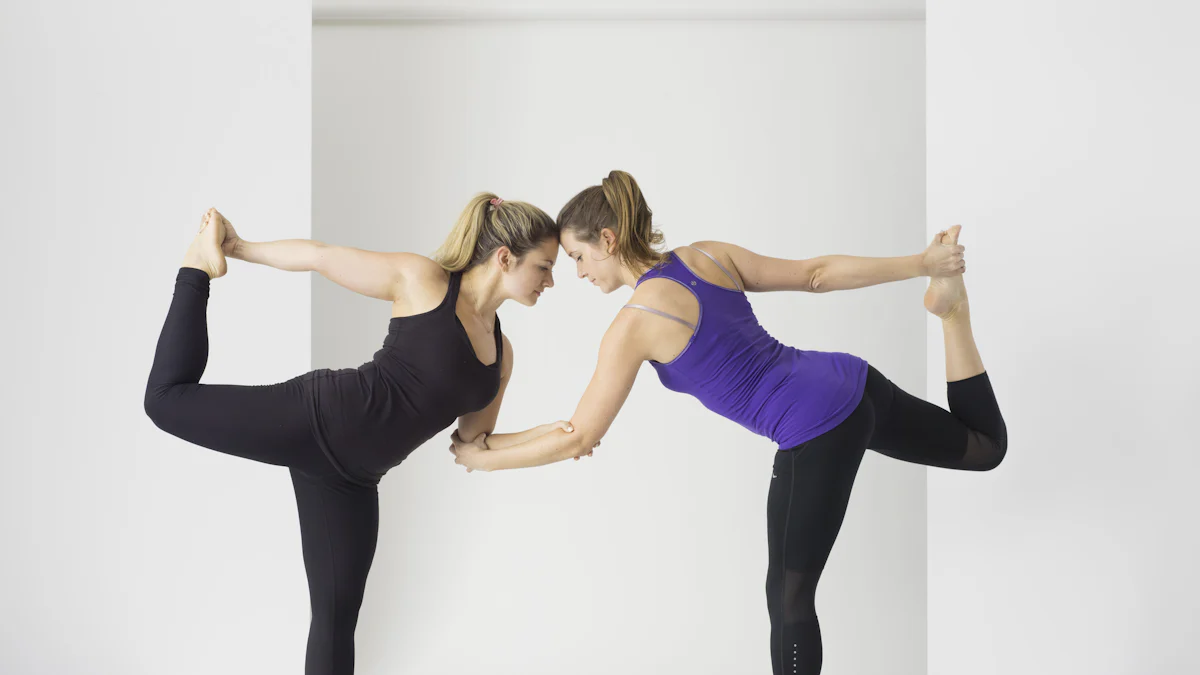
Image Source: unsplash
Description and Benefits
Standing poses in yoga are the foundation for many other exercises. With the book Amy Matthews Yoga Anatomy, you learn how to perform these poses with precision and safety. Standing poses build your strength and balance. They improve your flexibility and endurance. They also help improve your posture and breathing.
Important Poses
In Amy Matthews Yoga Anatomy, you will find detailed instructions for the most important standing poses. These include Warrior Pose, Tree Pose, and Mountain Pose. Each pose has its own benefits and challenges. With Amy Matthews’ guidance, you can understand how to perform these poses correctly.
Breathing Techniques
Proper breathing is critical to the success of standing poses. Amy Matthews Yoga Anatomy teaches you how to combine breath with movement. You learn to control your breathing to enhance your performance. Breathing helps you maintain balance and focus.
Anatomy and Adjustments
Understanding anatomy is essential to performing standing poses. Amy Matthews Yoga Anatomy provides you with the knowledge you need to understand the muscle groups involved.
Muscle Groups
Standing poses activate many muscle groups. Amy Matthews Yoga Anatomy explains how the muscles of the legs, back, and core work together. Learn how to strengthen these muscles for better performance.
Beginner Adaptations
If you're a beginner, Amy Matthews Yoga Anatomy offers adaptations to get you started. Adaptations help you perform the poses safely. Learn how to use props, such as blocks and straps, to support your practice.
Amy Matthews Yoga Anatomy: Seated Poses
Description and Benefits
The seated poses in yoga offer calm and focus. With Amy Matthews Yoga Anatomy, you'll learn how to perform these poses with precision. Seated poses increase flexibility in the spine and hips. They help improve posture and breathing. They also promote relaxation and inner peace.
Important Poses
In Amy Matthews Yoga Anatomy, you'll find instructions for the most important seated poses. These include Lotus Pose, Butterfly Pose, and Child's Pose. Each pose has unique benefits. With Amy Matthews' guidance, you'll understand how to perform these poses correctly.
Breathing Techniques
Breathing plays a crucial role in seated poses. Amy Matthews Yoga Anatomy teaches you how to combine breath with movement. You learn to control your breathing to enhance your performance. Proper breathing helps maintain calm and concentration.
Anatomy and Adjustments
Understanding anatomy is essential for seated poses. Amy Matthews Yoga Anatomy provides you with the knowledge you need to understand the muscle groups involved.
Muscle Groups
Sitting poses activate many muscle groups. Amy Matthews Yoga Anatomy explains how the muscles of the back, hips, and legs work together. You learn how to strengthen these muscles for better performance.
Beginner Adaptations
If you're a beginner, Amy Matthews Yoga Anatomy offers adaptations to get you started. Adaptations help you perform the poses safely. You learn how to use props, such as blocks and straps, to support your practice.
Amy Matthews Yoga Anatomy: Kneeling Poses
Description and Benefits
Kneeling poses in yoga offer unique benefits for your body and mind. With Amy Matthews Yoga Anatomy, you learn how to perform these poses with precision and safety. Kneeling poses enhance your stability and flexibility. They help improve balance and concentration. They also promote calmness and inner peace.
Important Poses
In Amy Matthews Yoga Anatomy, you will find detailed instructions for the most important kneeling poses. These include the Camel Pose and the Hero Pose. Each pose has its own benefits and challenges. With Amy Matthews’ guidance, you can understand how to perform these poses correctly.
Breathing Techniques
Breathing plays a crucial role in kneeling poses. Amy Matthews Yoga Anatomy teaches you how to combine breath with movement. You learn to control your breathing to enhance your performance. Proper breathing helps maintain balance and concentration.
Anatomy and Adjustments
Understanding anatomy is essential for kneeling poses. Amy Matthews Yoga Anatomy provides you with the knowledge you need to understand the muscle groups involved.
Muscle Groups
Kneeling poses activate multiple muscle groups. Amy Matthews Yoga Anatomy explains how the muscles of the legs, back, and core work together. You learn how to strengthen these muscles for better performance.
Beginner Adjustments
If you're a beginner, Amy Matthews Yoga Anatomy offers adjustments to get you started. Adjustments help you perform the poses safely. You learn how to use aids, such as blocks and straps, to support your practice.
Amy Matthews Yoga Anatomy: Supine Poses
Description and Benefits
Supine poses in yoga offer deep relaxation and rejuvenation. With Amy Matthews Yoga Anatomy, you learn how to perform these poses with precision. Supine poses increase flexibility in the spine and shoulders. They help improve breathing and blood circulation. They also promote calmness and inner peace.
Important Poses
In Amy Matthews Yoga Anatomy, you will find instructions for the most important supine poses. These include the Fish Pose and the Bridge Pose. Each pose has unique benefits. With Amy Matthews' guidance, you will understand how to perform these poses correctly.
Breathing Techniques
Breathing plays a crucial role in supine poses. Amy Matthews Yoga Anatomy teaches you how to combine breathing with movement. You learn to control your breathing to enhance your performance. Proper breathing helps maintain calm and concentration.
Anatomy and Adjustments
Understanding anatomy is essential for supine poses. Amy Matthews Yoga Anatomy provides you with the knowledge you need to understand the muscle groups involved.
Muscle Groups
Rest poses activate multiple muscle groups. Amy Matthews Yoga Anatomy explains how the muscles of the back, shoulders, and core work together. You learn how to strengthen these muscles for better performance.
Beginner Adjustments
If you're a beginner, Amy Matthews Yoga Anatomy offers adjustments to get you started. Adjustments help you perform the poses safely. You learn how to use aids, such as blocks and straps, to support your practice.
Amy Matthews Yoga Anatomy: Prone Poses
Description and Benefits
Prone poses in yoga offer unique benefits for your body. With Amy Matthews Yoga Anatomy, you learn how to perform these poses with precision. Prone poses build core and back strength. They improve your flexibility and endurance. They also promote balance and inner peace.
Important Poses
In Amy Matthews Yoga Anatomy, you'll find instructions for the most important prone poses. These include Cobra Pose and Downward-Facing Dog Pose. Each pose has unique benefits. With Amy Matthews' guidance, you'll understand how to perform these poses correctly.
Breathing Techniques
Breathing plays a critical role in prone poses. Amy Matthews Yoga Anatomy teaches you how to combine breath with movement. You learn to control your breathing to enhance your performance. Proper breathing helps maintain balance and focus.
Anatomy and Adjustments
Understanding anatomy is essential for prone poses. Amy Matthews Yoga Anatomy provides you with the knowledge you need to understand the muscle groups involved.
Muscle Groups
Prone poses activate multiple muscle groups. Amy Matthews Yoga Anatomy explains how the muscles of the back, shoulders, and core work together. You learn how to strengthen these muscles for better performance.
Beginner Adjustments
If you're a beginner, Amy Matthews Yoga Anatomy offers adjustments to get you started. Adjustments help you perform the poses safely. You learn how to use aids, such as blocks and straps, to support your practice.
Amy Matthews Yoga Anatomy: Handstands
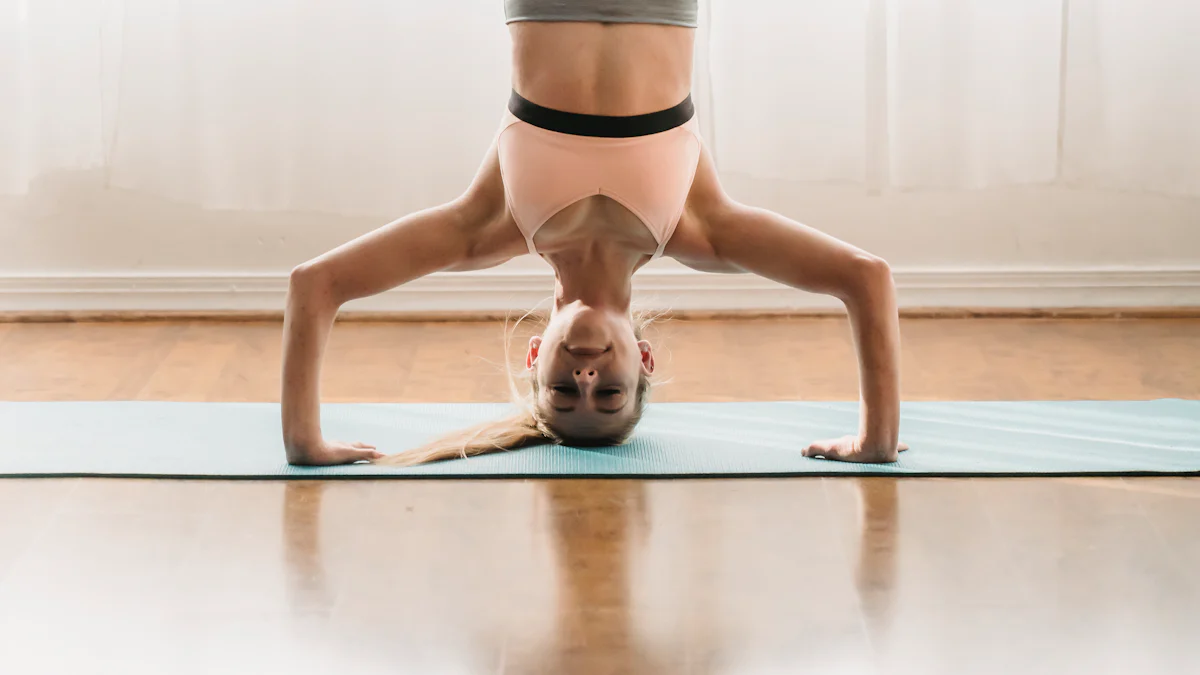
Image Source: pexels
Description and Benefits
Handstands in yoga provide strength and balance. With Amy Matthews' book 'Yoga Anatomy', you'll learn how to perform these poses with precision. Handstands build strength in your arms and shoulders. They improve your balance and confidence. They also promote focus and concentration.
Important Poses
In 'Yoga Anatomy', you'll find instructions for the most important handstands. These include Crow Pose and Upward-Facing Dog Pose. Each pose has unique benefits. With the guidance of Amy Matthews, you'll understand how to perform these poses correctly.
Breathing Techniques
Breathing plays a crucial role in handstands. 'Yoga Anatomy' teaches you how to combine breath with movement. You learn to control your breathing to enhance your performance. Proper breathing helps maintain balance and focus.
Anatomy and Adjustments
Understanding anatomy is essential for handstands. 'Yoga Anatomy' provides you with the knowledge you need to understand the muscle groups involved.
Muscle Groups
Hand supports activate many muscle groups. 'Yoga Anatomy' explains how the muscles of the arms, shoulders and core work together. You learn how to strengthen these muscles for better performance.
Beginner Adjustments
If you are a beginner, 'Yoga Anatomy' offers you adjustments to get you started. Adjustments help you perform the poses safely. You learn how to use aids, such as blocks and straps, to support your practice.
Understanding anatomy in yoga offers significant benefits. You improve your practice and enhance safety in the poses. Amy Matthews' book 'Yoga Anatomy' is a valuable tool for deepening this knowledge.
"Knowing anatomy is the key to a safe and effective yoga practice."
Explore the book further to discover more details and enrich your yoga experience. We encourage you to continue the search and incorporate this knowledge into your daily practice.
See also

Written by
Maria Yogalife
Maria | Yoga & Wellness Writer at YogaLife.World Maria is a passionate yoga and wellness writer at YogaLife.World, dedicated to sharing knowledge, inspiration, and practical guidance for a healthier, more balanced lifestyle. Through her articles, she explores yoga practices, meditation, mindfulness, holistic wellness, and the transformative benefits of mindful living. With an accessible and inspiring approach, Maria helps readers of all levels discover new practices, deepen their understanding of yoga, and bring greater balance, awareness, and well-being into their everyday lives.
Visit website


