

Image Source: pexels
Aerial Yoga is a groundbreaking form of exercise that combines the physical exercise of yoga with acrobatic elements, using silk hammocks. This unique approach offers multiple benefits, such as improved flexibility and body strength. As a new teacher, training at the Aerial Yoga Academy allows you to broaden your cognitive horizons and offer your students an innovative training experience. Proper training is essential to ensure the safety and effectiveness of your classes.
Training Requirements at the Aerial Yoga Academy
Training at the Aerial Yoga Academy is an exciting process that prepares you to become a successful Aerial Yoga teacher. By following the Academy’s requirements and guidelines, you will gain the necessary knowledge and skills to teach safely and effectively.
Prerequisites and Preparation
Physical and Mental Preparation
Before you begin training, it is important to prepare your body and mind. Aerial Yoga requires good physical fitness and flexibility. Incorporate daily stretching and strengthening exercises into your routine. Mental preparation is equally important. Develop the ability to focus and calm down through meditation or other relaxation techniques.
Previous Yoga Experience
Previous yoga experience is a significant advantage. If you have already practiced yoga, you will find it easier to transition to Aerial Yoga. The basic principles of yoga, such as breathing and alignment, are also fundamental to Aerial Yoga.
Training Programs
Accredited Programs
Aerial Gymnastics Academy offers accredited training programs that are Yoga Alliance accredited. These programs are designed to provide you with a comprehensive education, covering all aspects of Aerial Yoga. Whether you are a yoga, Pilates, dance, or personal trainer teacher, these programs will help you broaden your knowledge.
Duration and Structure of Programs
Training programs have a specific duration and structure. Typically, they include theoretical lessons, practical training and assessment. The duration may vary depending on the level and requirements of the program. The structure of the courses is designed to provide you with a balanced education, combining theory and practice.
Basic Poses and Techniques
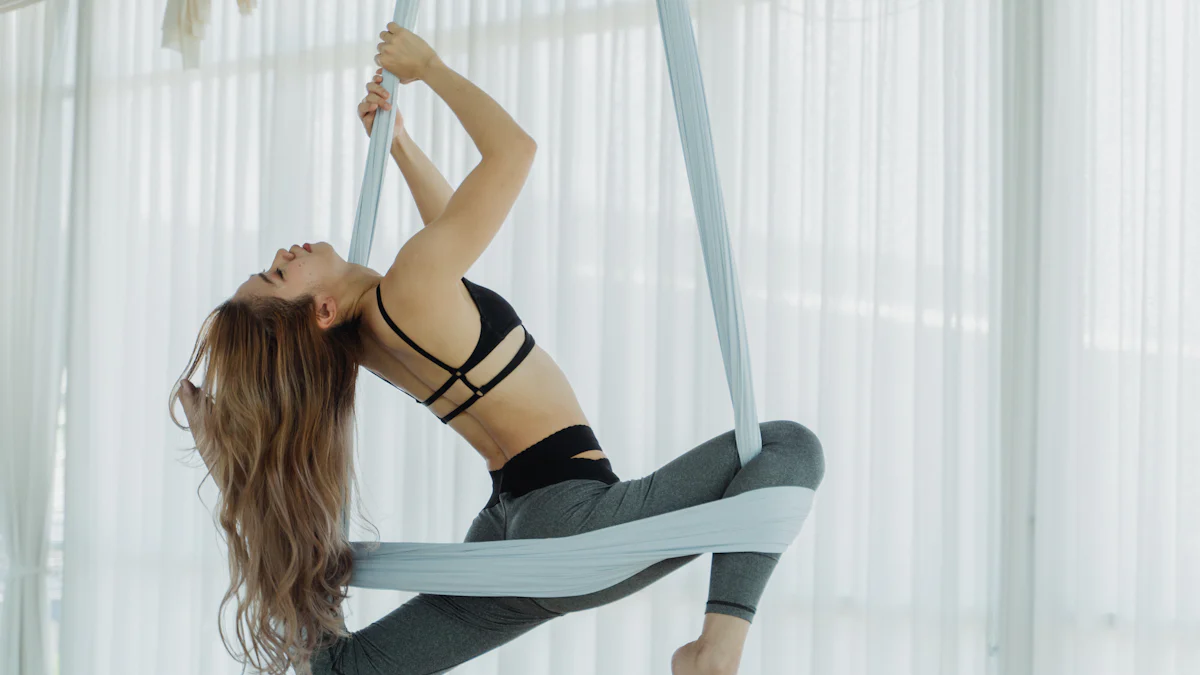
Image Source: pexels
Introduction to Poses
Aerial Yoga offers a unique experience that combines traditional yoga with acrobatic elements. Using silk hammocks, you can perform poses that enhance your flexibility and balance.
Basic Poses for Beginners
To get started, focus on the basic poses. These include simple moves that help you get used to the swing. Beginners can try poses like Plank Pose and Downward Dog with the help of a hammock. These poses strengthen the upper body and improve stability.
Advanced Techniques
As you gain experience, you can move on to more complex techniques. Advanced poses, like Inverted Bow Pose, require more strength and flexibility. These poses offer deep stretching and strengthening, while decompressing the spine.
A Combination of Yoga, Fitness, and Dance
Aerial Yoga is not just limited to yoga. It combines elements of fitness and dance, offering a comprehensive approach to training.
Benefits of the Combination
The combination of these elements offers multiple benefits. Aerial Yoga strengthens the entire body and increases muscle mass. The suspension helps decompress the spine and provides deep relaxation of the nervous system. In addition, it improves balance and body control.
Exercise Examples
You can try exercises like Aerial Dance Flow, which combines dance moves with yoga poses. This exercise builds cardiorespiratory endurance and provides a fun experience. Other exercises, such as Aerial Pilates, focus on strengthening the core and improving flexibility.
Teaching Safety
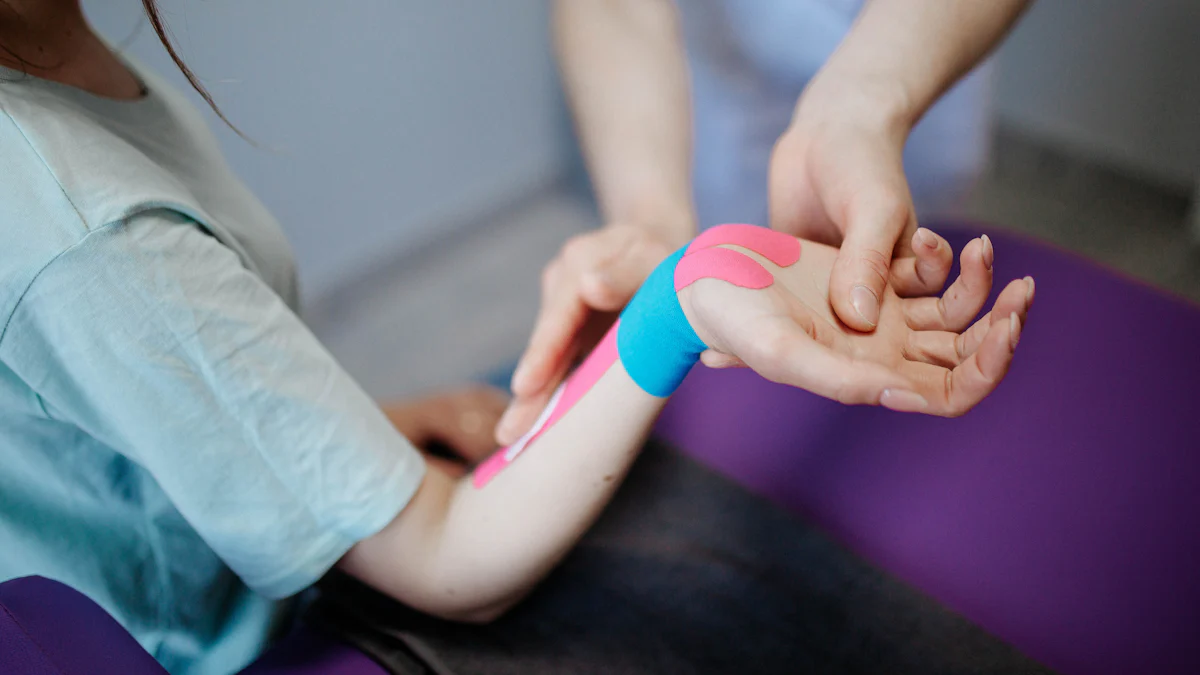
Image Source: pexels
Safety is a primary concern when teaching Aerial Yoga. As a teacher, you must ensure that your students practice safely and enjoy the experience without risk.
Safety Guidelines
Equipment and Usage
The equipment you use plays a crucial role in the safety of your classes. Make sure that hammocks are made of durable materials and are properly positioned. Regularly check the equipment for wear or damage. During classes, guide your students in the correct use of hammocks. Explain how to enter and exit poses safely.
Injury Prevention
Injury prevention is vital. Encourage your students to listen to their bodies and avoid overdoing it. Emphasize proper alignment and technique. Offer alternative poses for those who struggle. Also, keep the area clean and free of obstacles to avoid accidents.
Risk Management
Identifying and Dealing with Risks
Recognizing risks is the first step in dealing with them. Observe your students and recognize any signs of fatigue or discomfort. If you notice a student struggling, intervene immediately. Adapt the exercises according to the needs and capabilities of each student.
Emergency Plan
An emergency plan is essential for dealing with unforeseen situations. Prepare for possible scenarios, such as injuries or fainting. Keep a first aid kit on site and know how to use it. Inform your students about the procedures to follow in case of an emergency. Preparation and knowledge can make the difference in critical moments.
Certification Process and Final Exams
The certification process at the Aerogymnastics Academy is an important step in becoming a recognized Aerial Yoga teacher. Certification is not just a formal process, but an opportunity to confirm your knowledge and skills.
Steps to Certification
To obtain certification, you must follow specific steps that will guide you through the process.
Required Documents
First, gather all the necessary documents. These include your certificate of completion of the training program, as well as any other documents that prove your previous experience in yoga. Properly preparing your documents will facilitate the certification process.
Examination Process
The examination process includes both theoretical and practical assessments. You will be tested on the fundamentals of Aerial Yoga, as well as teaching techniques. The practical exam will assess your ability to teach safely and effectively. Prepare well to succeed in these exams.
Importance of Certification
Certification is not just a piece of paper. It is a recognition of your efforts and dedication to the field of Aerial Yoga.
Recognition by Professional Bodies
Certification from the Aerial Gymnastics Academy offers you recognition from professional bodies. This means that your skills are recognized internationally, allowing you to teach in various parts of the world.
Professional Development
Certification opens doors for professional development. It allows you to develop in your field, participate in seminars and expand your knowledge. Continuous education and development are the key to your success as an Aerial Yoga teacher.
Batistatos Georgios: Yoga is an isometric exercise](http://www.opengov.gr/cultureathl/?p=8668&cpage=1), i.e. muscle strengthening, and stretching, i.e. gaining flexibility. Certification ensures safety in sports activity.
Certification equips you with the necessary knowledge to teach safely and effectively, avoiding the commercialization of the exercise by untrained professionals.
Teaching Techniques for Different Levels of Students
Teaching Aerial Yoga requires adapting to the needs and abilities of your students. As your students progress, you must adapt your techniques to better support them.
Adapting Teaching
Beginner Students
For beginners, teaching should be simple and understandable. Focus on the basic postures and techniques. Use simple instructions and show patience. Beginners need time to get used to the swing and new movements. Encourage them to listen to their bodies and progress at their own pace.
Advanced Students
Advanced students seek challenges. Introduce more complex poses and techniques. Encourage self-expression and exploration of new movements. Offer feedback to improve their technique. Advanced students appreciate the opportunity to develop their skills and progress further.
Encouragement and Support
Creating a Positive Environment
Creating a positive environment is critical to the success of your lessons. Encourage your students to voice their concerns and questions. Show understanding and support. A positive environment builds your students’ confidence and engagement.
Providing Feedback
Feedback is a powerful tool for your students’ development. Offer specific and constructive feedback. Focus on strengths and areas for improvement. Feedback should be encouraging and promote self-improvement. Your students will appreciate your guidance and feel more confident in their abilities.
Yoga House Teachers: *Teachers are willing to share their knowledge and answer questions from prospective teachers.*
Teaching Aerial Yoga is a continuous process of learning and adaptation. With the right approach, you can inspire and guide your students at every stage of their training.
Training at Aerial Yoga Academy offers a unique opportunity to develop as a teacher and enrich your knowledge. Through the recognized programs, you will acquire skills that will allow you to teach safely and effectively. Certification ensures your recognition by professional bodies and opens doors for professional development. The educational experience is unique and prepares you for a journey full of challenges and successes. We encourage your participation in these programs to become part of this exciting community.
See also
Aerial Yoga Guide to Palaio Faliro
Aerial Yoga Nea Ionia: Start Today Easily
Ajna Studio Yoga: Guide to Thessaloniki

Written by
Maria Yogalife
Maria | Yoga & Wellness Writer at YogaLife.World Maria is a passionate yoga and wellness writer at YogaLife.World, dedicated to sharing knowledge, inspiration, and practical guidance for a healthier, more balanced lifestyle. Through her articles, she explores yoga practices, meditation, mindfulness, holistic wellness, and the transformative benefits of mindful living. With an accessible and inspiring approach, Maria helps readers of all levels discover new practices, deepen their understanding of yoga, and bring greater balance, awareness, and well-being into their everyday lives.
Visit website


