
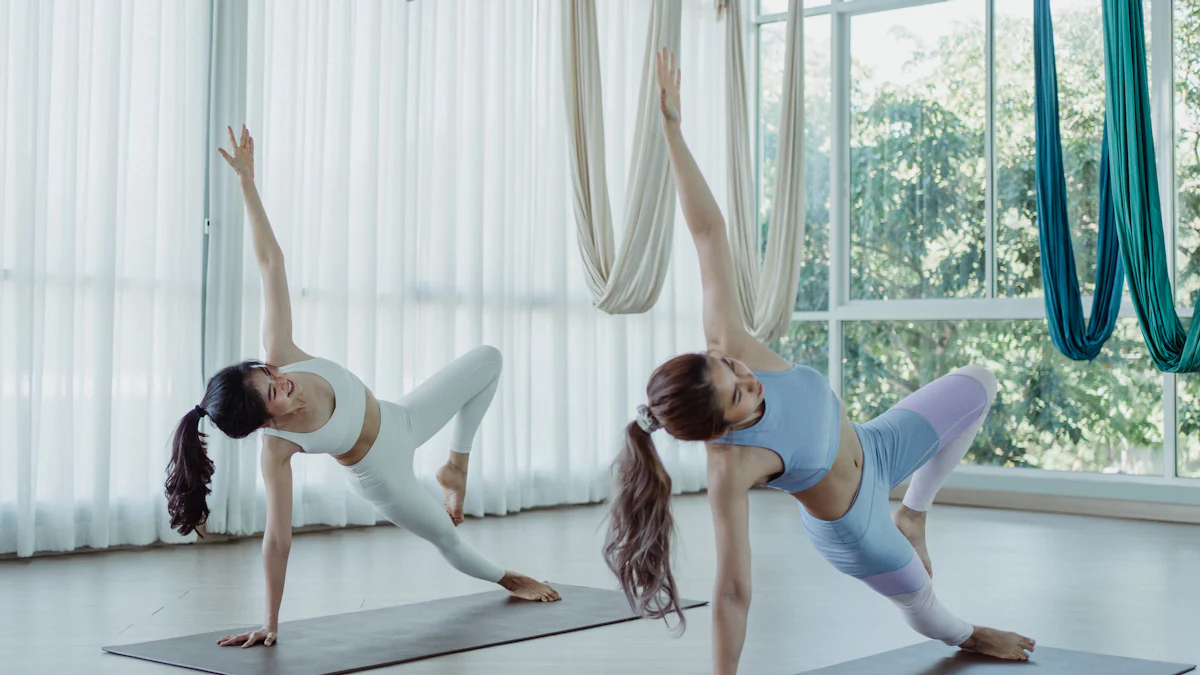
Yoga stool: Learn headstand easily
Image Source: pexels
A yoga stool can help you learn headstands more easily. Many people have difficulty getting used to the inverted perspective and quickly lose their balance. The yoga stool offers you secure support without straining your neck. You can hold the poses more safely and for longer periods. Especially for beginners, the stool is an ideal aid for mastering the headstand. Its stable construction promotes balance and confidence, allowing you to practice the inversion with more control and less frustration.
Benefits of a Yoga Stool
Safety and Support
A yoga stool offers excellent safety and support during your headstand exercises. You can rely on the stool's stability to maintain your balance and avoid injuries.
Preventing Neck Strain
The yoga stool relieves pressure on your neck and cervical spine. You don't place your head directly on the floor, but rather support yourself on the stool. This significantly reduces the pressure on your neck. Many people report feeling more relaxed as a result and being able to hold the position longer.
Stability During Practice
A yoga stool can make you feel more secure. The stool provides a stable base that helps you maintain your balance. You can fully concentrate on performing the exercise without fear of falling. This stability boosts your confidence and allows you to master the pose with greater ease.
Easing the Learning Process
A yoga stool significantly simplifies the process of learning the headstand. You can learn the inversion step by step and build your self-confidence.
Gradual Approach to the Headstand
With a yoga stool, you can learn the headstand in small steps. You start with simple exercises and gradually increase the difficulty. This method helps you internalize the technique and build the necessary strength. You will find that you become more confident with each attempt.
Boosting Self-Confidence
The yoga stool gives you the self-confidence you need to master the headstand. You can rely on the stool's support and focus on your progress. With each successful attempt, your confidence in your abilities grows. You'll be surprised how quickly you progress and how much fun it is to take on new challenges.
Step-by-Step Instructions with the Yoga Stool
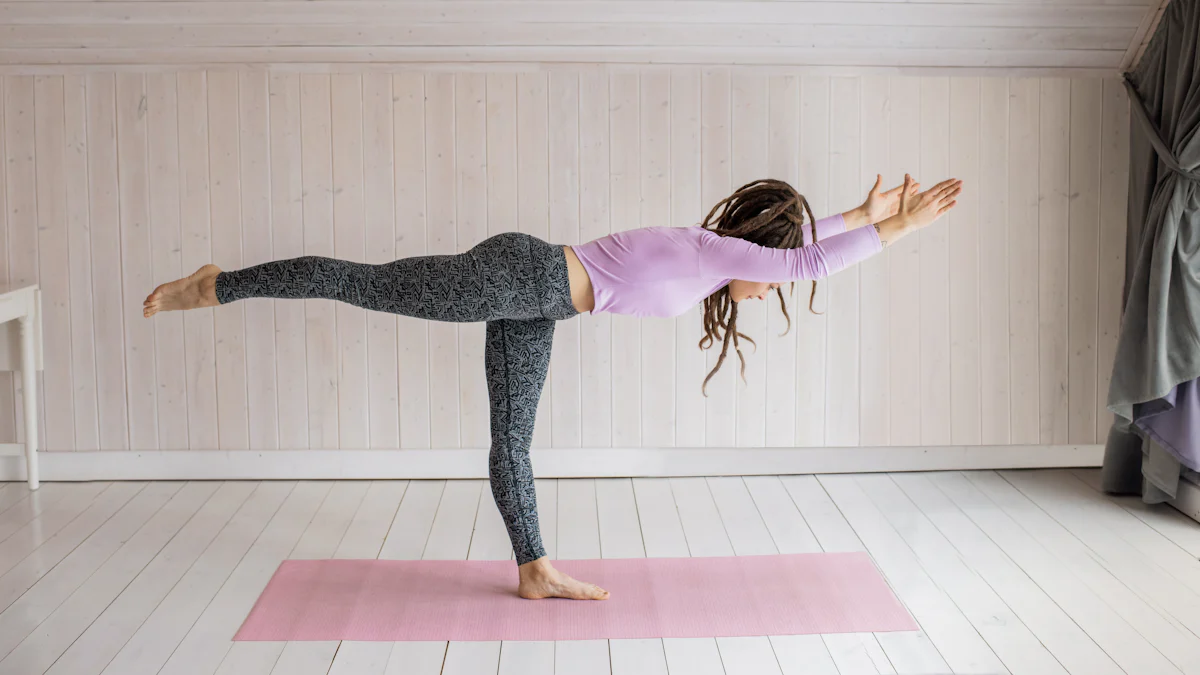
Image Source: pexels
Preparation
Choosing the Right Yoga Stool
Before you begin with the headstand, choose the appropriate Yoga Stool. Make sure it's stable and made of high-quality materials. Many stools are made of sturdy birch wood and come with soft PU cushions for comfort. An ergonomic design is important to support proper posture and reduce pressure on your neck and shoulders. Consider whether you plan to use the stool at home or in a studio and choose a model that suits your needs.
Warm-up Exercises
Before attempting an inversion, warm up your body thoroughly. Start with gentle stretches to loosen your muscles and improve circulation. Downward-Facing Dog is an excellent exercise to prepare your body for a headstand. These warm-up exercises will help you avoid injuries and increase flexibility.
Executing the Headstand
Positioning on the Stool
Place the Yoga Stool on a non-slip mat for added safety. Kneel in front of the stool and rest your shoulders on the padded surface. Your hands should grip the stool firmly for stability. This position relieves pressure on your head and neck and prepares you for raising your legs.
Raising the Legs
Slowly raise one leg at a time while maintaining your balance. Focus on engaging your core and extending your legs in a controlled manner. The Yoga Stool provides the necessary support to maintain balance and safely execute the inversion. Breathe calmly and evenly to stabilize the position.
Conclusion
Safely Coming Down
To safely return from the headstand, lower your legs slowly and with control. Make sure you maintain tension in your core to preserve your balance. Avoid jerky movements to prevent injury. The yoga stool will help you return gently and safely to the starting position.
Relaxation Exercises
After the headstand, it's important to relax your body. Sit in a comfortable position and take deep breaths. Relaxation exercises such as Child's Pose or Reclining Butterfly Pose help loosen the muscles and calm the mind. These exercises promote recovery and allow you to fully enjoy the positive effects of the headstand.
Yoga Stool** ## Safety Tips for the Yoga Stool
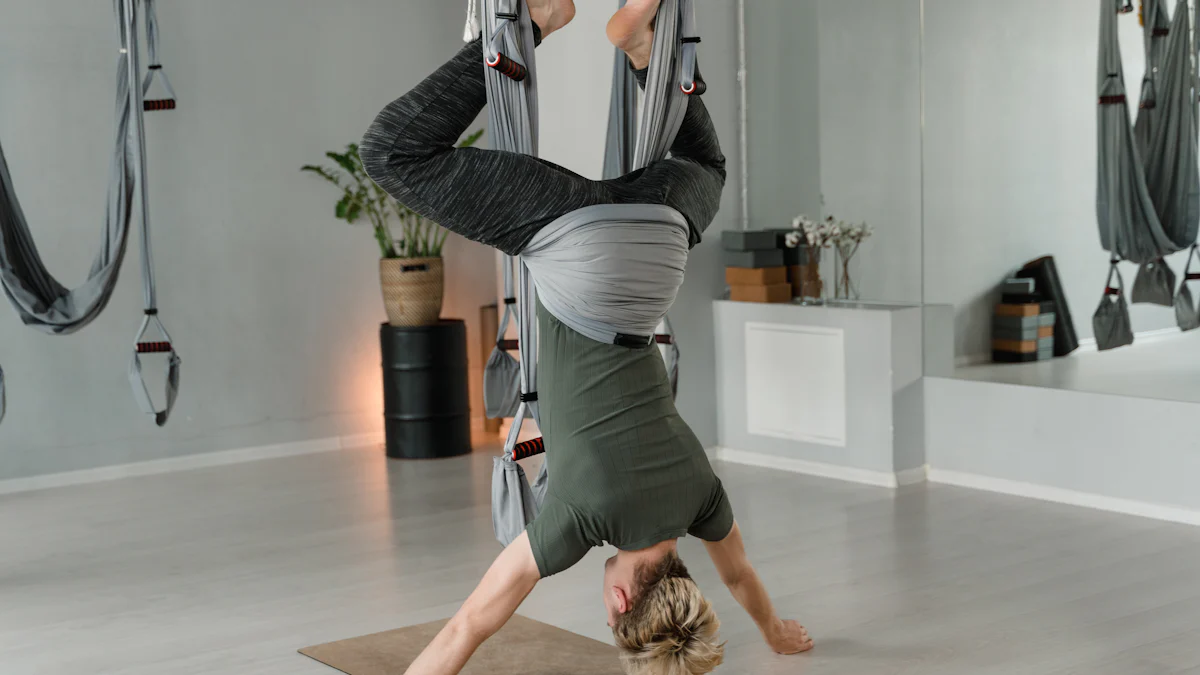
Image Source: pexels
Injury Prevention
Proper Posture
Want to stay safe during your headstand? Then pay attention to your posture. Correct alignment protects you from injuries. Keep your back straight and your shoulders relaxed. Your body should form a straight line. This distributes your weight evenly and avoids unnecessary pressure on your neck and spine. Annette Coumont, an experienced yoga teacher, recommends checking your posture regularly. She says:
"Even for beginners, yoga novices, or professionals who have trouble with this pose, there's a solution: the Headstand Stool."
Using a Mat
A non-slip mat is your best friend when practicing with the yoga stool. It provides extra support and prevents the stool from slipping. Place the mat on a flat surface. This creates a secure base for your exercises. A good mat not only protects you but also your floor from scratches.
Safe Use of the Stool
Checking Stability
Before you begin your headstand, check the stability of your yoga stool. Make sure all parts are securely in place and the stool doesn't wobble. A stable stool gives you the confidence you need to fully concentrate on your practice. A headstand stool is an excellent aid for practicing headstands safely and stably.
Practicing with a Partner
Practice headstands with a partner first. A partner can help you find the correct position and support you if needed. They will give you feedback on your posture and ensure you stay safe. Practicing together is more fun and makes you feel more secure. This allows you to fully concentrate on your progress and reap the benefits of headstands.
Common Mistakes and Solutions with a Yoga Stool
Typical Mistakes
Incorrect Positioning
Want to master the headstand with a yoga stool? Then pay attention to your positioning. A common mistake is not positioning yourself correctly on the stool. Your shoulders should be firmly on the padded surface, while your hands grip the stool securely. If you don't maintain this position, you'll quickly lose your balance and risk injury.
Raising Your Legs Too Quickly
Another common mistake is raising your legs too quickly. Many beginners raise their legs too fast, which can lead to a loss of balance. You should take your time and raise your legs slowly and with control. This will help you avoid unnecessary stress and perform the exercise more safely.
Solutions
Posture Correction
To find the correct posture, regularly check your position. Make sure your body forms a straight line. Your back should be straight, and your shoulders relaxed. This posture will protect you from injury and help you maintain your balance. Annette Coumont, an experienced yoga teacher, recommends regularly checking your posture. She says:
"Even for beginners, yoga novices, or professionals who have trouble with this pose, there's a solution: the headstand stool."
Slow and Controlled Movements
Slow and controlled movements are key to success. Slowly raise your legs and focus on your breathing. This method helps you maintain your balance and perform the exercise safely. You'll find that you become more confident with each attempt. Less is more—many short sessions are better than one long one per week. Gradually, you can increase the intensity and become more and more confident.
You've now learned the most important points about the yoga stool and its advantages. A yoga stool is an excellent aid for practicing the headstand safely and stably. It makes it easier to assume the correct posture and relieves strain on your neck. Whether you're a beginner or advanced practitioner, the stool helps you hold the inverted pose for longer. Try it out and discover the long-term benefits for your body and mind. You'll be surprised how quickly you progress and how much fun it is to take on new challenges.
Whether you're a beginner or advanced practitioner, the stool supports you in holding the inverted pose for longer. ## See also
Yoga Downward-Facing Dog Pose: Tips for Ideal Technique
Yoga with a Hammock: Easy Instructions for Beginners
Safe Execution of the Plow Pose for Everyone



