
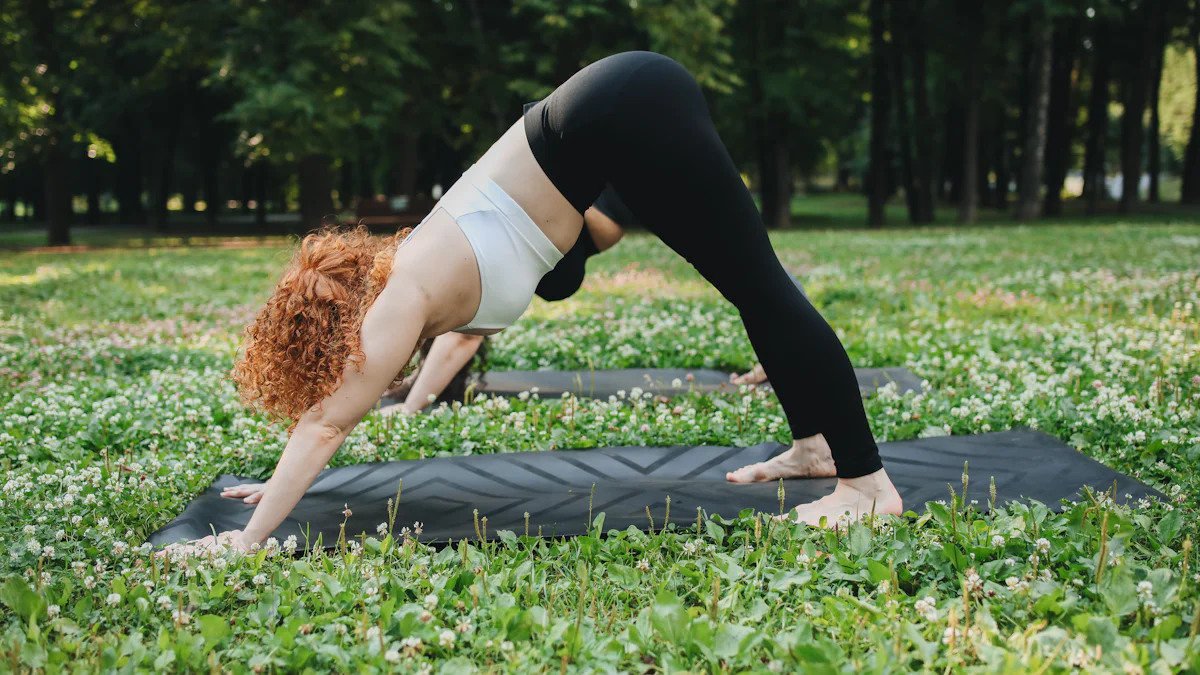
Yoga exercises against snoring for better sleep
Image Source: pexels
Snoring affects many people and can significantly impair sleep quality. Did you know that approximately 44% of men and 28% of women snore regularly between the ages of 30 and 60? Yoga offers a natural solution to reduce snoring. Through targeted exercises, you open your airways and strengthen the muscles in your throat. This allows you not only to sleep better but also to wake up feeling more refreshed. Let's discover together how yoga can help you with snoring!
Key Insights
-
Snoring affects many people and can significantly impact sleep quality; yoga offers a natural solution for reducing it.
-
Targeted breathing exercises like pranayama strengthen the respiratory muscles and help open the airways, which can reduce snoring.
-
Regular yoga practice promotes relaxation of body and mind, leading to better sleep.
-
Exercises like Bhujangasana (Cobra Pose) and Ujjayi breathing are particularly effective at strengthening the muscles in the throat and improving airflow.
-
A quiet environment and the right time for yoga are crucial; try practicing about 30 minutes before bedtime.
-
Consistency is key to success; schedule fixed times for your yoga practice and be patient with yourself.
-
By integrating yoga into your evening routine, you can not only reduce snoring but also improve your overall well-being.
The Connection Between Yoga and Snoring
What is Snoring?
Snoring occurs when the airways are partially blocked during sleep. This blockage leads to vibrations in the throat, which produce the characteristic sound. Many people snore occasionally, but for some, it becomes a serious problem. Snoring can disturb not only the sleep of the person affected but also the sleep of their partner. It is important to understand the causes in order to find solutions.
How Yoga Opens the Airways
Yoga offers effective techniques for opening the airways. Through targeted breathing exercises, such as Pranayama, you strengthen the respiratory muscles. These exercises promote blood circulation and help to release tension in the throat area. Studies show that yoga breathing techniques improve sleep quality and strengthen the muscles in the respiratory tract. Regular yoga practice can reduce blockages in your airways and thus lessen snoring.
The Role of Relaxation in Sleep
Relaxation plays a crucial role in restful sleep. Stress and physical tension can exacerbate snoring. Yoga helps you relax your body and mind. Through regular practice, you reduce physical tension and promote deep, restful sleep. Practicing yoga before bed prepares your body for a restful night.
The combination of breathing exercises and relaxation techniques makes yoga a valuable tool against snoring. You'll not only sleep better, but also wake up refreshed and energized.
Effective Yoga Exercises Against Snoring
Image Source: pexels
Exercise 1: Bhujangasana (Cobra Pose)
The Cobra Pose is an excellent exercise for opening the chest and widening the airways. Lie on your stomach, place your hands under your shoulders, and gently push your upper body upwards. This position helps strengthen the muscles in the throat area. This can improve airflow and reduce snoring. Make sure to breathe deeply and evenly. This activates your respiratory muscles and promotes relaxation.
Exercise 2: Ujjayi Breathing
Ujjayi breathing, also known as "victorious breathing," is a powerful technique that helps you control your breath. You breathe in and out through your nose while gently constricting your throat. This technique produces a soft, rushing sound. It promotes blood circulation and relaxes the muscles in the throat area. If you practice Ujjayi regularly, you will find that your breathing deepens and snoring is reduced.
Exercise 3: Viparita Karani (Legs Against the Wall)
This exercise is not only relaxing but also very effective. Lie on your back and extend your legs vertically against the wall. This position promotes blood circulation and helps relieve tension in the body. While holding this position, focus on your breathing. Deep breaths help relax the body and calm the mind. This relaxation can significantly reduce snoring.
Regular practice of these yoga exercises can help you sleep better and reduce snoring. You will not only experience benefits for your sleep but also for your overall well-being.
Exercise 4: Anulom Vilom (Alternate Nostril Breathing)
Anulom Vilom, also known as alternate nostril breathing, is a powerful breathing technique in yoga. This exercise helps you improve control over your breath. You breathe alternately through the right and left nostril. This method promotes balance in your body and calms the mind.
To perform Anulom Vilom, sit comfortably. Close your right nostril with the thumb of your right hand. Inhale deeply through your left nostril. Hold your breath briefly while opening your right nostril and exhaling through it. Then inhale again through your right nostril, close it, and exhale through your left nostril. Repeat this process several times.
This technique has many benefits. It strengthens the respiratory muscles and improves blood circulation. According to a yoga expert, Anulom Vilom can help open the airways and reduce snoring. Through regular practice of this exercise, you will learn to take deeper and longer breaths. This leads to deeper relaxation and improves your sleep quality.
Stress can worsen snoring. Anulom Vilom helps you reduce stress and relax the muscles in your throat. Regular use of this technique will not only help you sleep better but also wake up feeling refreshed.
Integrate Anulom Vilom into your evening routine. You will experience the positive effects on your sleep and overall well-being.
Stress can exacerbate snoring. Anulom Vilom helps you reduce stress and relax the muscles in your throat. ## Practical Tips for Integrating Yoga into Your Routine
Image Source: unsplash
The Best Time for Yoga Practice
The right time for yoga can make a big difference. Many people find they can relax best in the evening. You're preparing your body for a restful night. Try practicing yoga for about 30 minutes before bed. This routine helps you release the stress of the day and calm your mind.
Here are some tips for the best time:
-
Find Your Rhythm: Everyone has different preferences. Experiment with different times to find out when you feel most comfortable.
-
Listen to your body: If you're tired, treat yourself to a short yoga session. Pay attention to how your body reacts and adjust your routine accordingly.
Creating a calm environment
A calm environment is crucial for your yoga practice. You want to create a space that promotes relaxation. Make sure the room is well-ventilated and at a comfortable temperature.
Here are some ideas for creating a calming atmosphere:
-
Dim the lights: Soft lighting helps create a relaxing mood.
-
Use essential oils: Scents like lavender or chamomile can have a calming effect and promote relaxation.
-
Keep the room tidy: A tidy room contributes to inner peace.
Expert tip: According to sleep expert Stephens, a calming yoga routine can activate your parasympathetic nervous system. This will help you fall asleep more easily and get a healthy seven to nine hours of sleep.
Consistency and Patience
Consistency is key to success. You'll achieve the best results by integrating yoga into your daily routine. Set small goals and be patient. Change takes time.
Here are some tips for consistency:
-
Schedule fixed times: Set aside specific times for your yoga practice. This will help it become a habit.
-
Be flexible: If you miss a day, don't be too hard on yourself. Everyone has busy schedules sometimes.
-
Celebrate small successes: Pay attention to the progress you're making. This will motivate you to keep going.
Through regular practice, you'll notice an improvement in your sleep quality. You'll fall asleep faster and feel more refreshed in the morning.
- In summary: Yoga can help reduce snoring and improve your sleep. With the right time, a quiet environment, and regular practice, you'll quickly feel the positive effects.
Yoga offers many benefits for reducing snoring. It opens the airways, strengthens the muscles in the throat, and promotes relaxation. This combination not only improves your sleep but also your overall well-being.
Try the exercises presented regularly. You'll quickly feel the positive effects. Treat yourself to some time for yourself and experience how your sleep quality improves. Your body and mind will thank you!
FAQ
How can yoga reduce my snoring?
Yoga helps you open your airways and strengthen the muscles in your throat. Through targeted breathing exercises and relaxation techniques, you can reduce blockages in your airways. Regular practice often leads to a noticeable improvement.
Which yoga exercises are most effective against snoring?
Some of the most effective exercises are:
-
Bhujangasana (Cobra Pose): Opens the chest and improves airflow.
-
Ujjayi Breathing: Controls the breath and relaxes the muscles in the throat.
-
Viparita Karani (Legs Against the Wall): Promotes blood circulation and relaxes the body.
-
Anulom Vilom (Alternate Nostril Breathing): Strengthens the respiratory muscles and calms the mind.
How often should I practice yoga to see results?
Consistency is key. Aim for at least three to four times a week. You'll notice initial improvements in your sleep quality and snoring after a few weeks.
Are there any specific breathing techniques I should try?
Yes, breathing techniques like Ujjayi and Anulom Vilom are particularly effective. These techniques help you control your breath and relax the muscles in your throat.
Can yoga also help with other sleep problems?
Absolutely! Studies show that yoga improves overall sleep quality. You can fall asleep faster, wake up less often, and feel more rested in the morning.
### How long should I practice yoga before bed?
A yoga session of about 30 minutes before bed is ideal. This time is sufficient to release the day's stress and prepare your body for a restful night.
Do I need to be an experienced yogi to benefit from these exercises?
Not at all! Yoga is accessible to everyone, regardless of your experience level. Start with simple exercises and gradually increase the intensity.
What role does the environment play in yoga practice?
A calm and relaxing environment is important. Make sure the room is well-ventilated and at a comfortable temperature. Dim the lights and use calming scents to enhance the atmosphere.
Can I practice yoga during the day?
Yes, you can practice yoga at any time. A short yoga session during the day can help reduce stress and boost your energy. However, be sure to do some relaxing exercises in the evening to help you sleep better.
Where can I find more resources or instructions for yoga exercises?
There are many online resources, videos, and apps that can help you. Search for yoga channels on platforms like YouTube or download a yoga app to find guided exercises.
Where can I find more resources or instructions for yoga exercises? ... There are many online resources, videos, and apps that can help you.
Search for yoga channels on platforms like YouTube or download a yoga app to find guided exercises.
Search for yoga channels on platforms like YouTube or download a yoga app to find guided exercises.
Search for yoga channels on platforms like YouTube or download a yoga app to find guided exercises.
Search for yoga channels on platforms like YouTube or download a yoga app to find guided ## See also
Gentle Yin Yoga Exercises for a Restful Sleep
Yoga Breathing Techniques to Relieve Anxiety
Finding Relaxation: Practicing Yoga in Bad Vöslau



