
How yoga can improve your digestion
Image Source: pexels
Yoga offers a natural way to improve your digestion. Through specific yoga exercises for constipation, you stimulate the organs and improve their function. This can help relieve constipation and other bowel complaints. Yoga exercises promote blood circulation and massage the abdominal organs, which is essential for removing toxins from your body. This allows trapped gas and stool to move more easily. By practicing yoga regularly, you experience not only better digestion but also an overall improvement in your health.
How yoga affects digestion
Improving blood circulation
Yoga plays a crucial role in improving blood circulation. When you practice yoga, you stimulate blood flow to the abdominal organs. This helps transport nutrients and oxygen to these areas more efficiently. Better blood circulation supports digestion by allowing the organs to function optimally. By practicing yoga regularly, you can improve blood flow to your digestive system, which can contribute to healthier and more effective digestion.
Influence on the nervous system
Yoga also has a profound influence on the nervous system. It activates the parasympathetic nervous system, which is responsible for rest and recovery. This part of the nervous system promotes digestion by reducing the activity of the sympathetic nervous system, which causes stress responses.
Scientific findings: Studies show that yoga and meditation lower activity in the sympathetic part of the autonomic nervous system and reduce stress responses. This can help alleviate anxiety and depression, which often have a negative impact on digestion.
By practicing yoga, you can reduce stress and experience a calming effect on your body and mind. This not only helps improve your digestion but also contributes to your overall well-being. ## Specific Yoga Poses for Better Digestion

Image Source: pexels
Practicing specific yoga poses can significantly improve your digestion. These poses stimulate the organs and promote healthy blood circulation, which is essential for efficient digestion. Here are some yoga poses you can try:
Twist Poses
Twist poses are particularly effective for stimulating digestion. They help massage the abdominal organs and promote blood circulation in the pelvic area. #### Ardha Matsyendrasana (Half Lord of the Fishes Pose)
This pose is a powerful twist that lengthens the spine and massages the abdominal organs. By practicing this pose regularly, you can improve blood flow to your digestive organs, which helps to relieve digestive discomfort.
Bharadvajasana (Bharadvajas' Twist)
Bharadvajasana is a seated twist that helps to open the hips and stimulate the abdominal organs. This pose promotes blood circulation and can help relieve constipation and other digestive issues.
Forward Bends
Forward bends are ideal for stimulating the abdominal organs and promoting digestion. They also help to relax the mind and reduce stress. #### Paschimottanasana (Seated Forward Bend)
Paschimottanasana stretches the spine and massages the abdominal organs. This pose stimulates the liver and kidneys, which contributes to better digestion and the removal of toxins from the body.
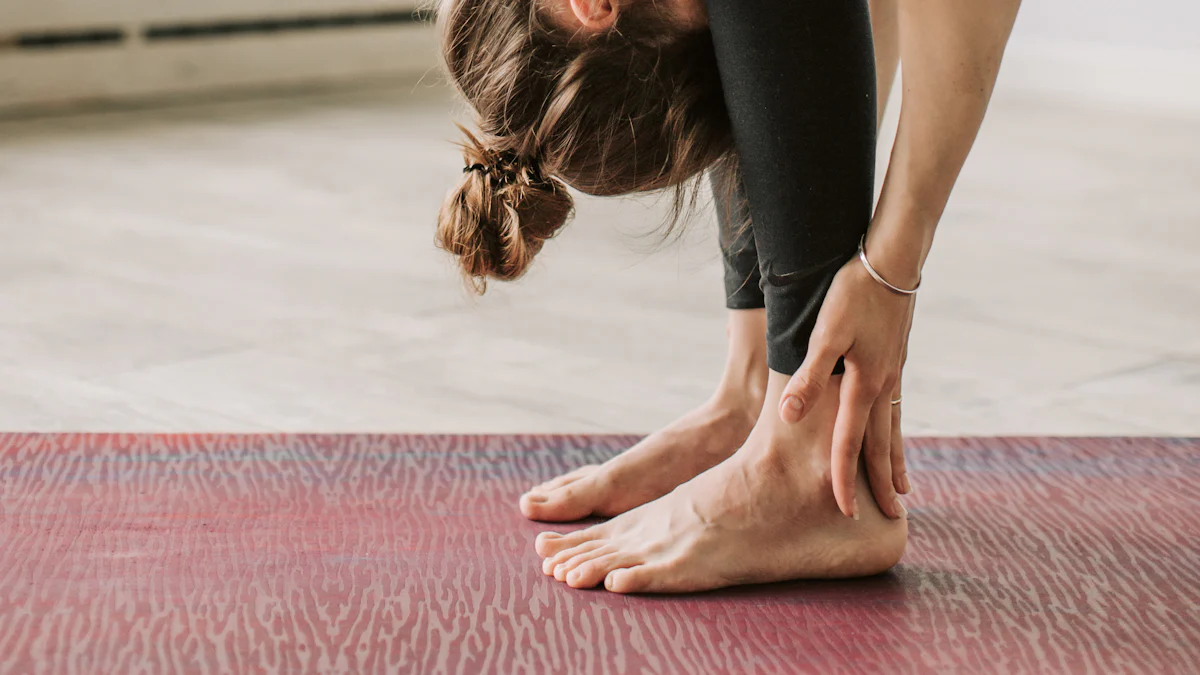
Uttanasana (Standing Forward Bend)
Uttanasana is a standing forward bend that helps relax the abdominal muscles and promote blood flow to the abdominal organs. This pose can help relieve stress and improve digestion.
Yoga exercises for constipation
Certain yoga exercises for constipation are effective in relieving constipation by stimulating the intestines and improving blood flow.
Child's Pose (Balasana)
Child's Pose is a soothing pose that helps relax the abdominal muscles and relieve stomach pain. This pose stimulates blood flow to the abdominal organs and can help relieve constipation.
Wind Relieving Pose (Pavanamuktasana)
Wind Relieving Pose is specifically aimed at relieving trapped air and stimulating the intestines. This pose helps promote healthy digestion and can provide relief from constipation.
Expert Testimony:
- Deyogazolder emphasizes that regularly practicing yoga poses allows the digestive organs to work more effectively, leading to better bowel movements and relief from digestive discomfort. >
Superyoga points out that certain yoga poses, such as the downward dog, are effective against constipation because they relieve pressure from certain areas of the body.
By practicing these yoga poses regularly, you can improve your digestion and relieve constipation. Integrating these poses into your daily routine can lead to healthier and more effective digestion. ## Breathing techniques that support digestion

Image Source: pexels
Deep abdominal breathing
Deep abdominal breathing is a powerful technique that can improve your digestion. By breathing in deeply, you gently massage your internal organs. This stimulates the vagus nerve, an important nerve that connects the brain to the intestines. This nerve plays a crucial role in regulating your digestive system. By regularly practicing deep abdominal breathing, you can reduce gas formation and bloating. You will notice that your digestion runs more smoothly.
Scientific findings: Research shows that deep breathing exercises activate the vagus nerve. This promotes relaxation and can reduce stress, which is beneficial for your digestion.
Kapalabhati (Fire Breathing)
Kapalabhati, also known as fire breathing, is a powerful breathing technique that can support your digestion. This technique consists of rapid, powerful exhalations followed by passive inhalations. Kapalabhati stimulates the abdominal muscles and increases blood circulation to the abdominal organs. This can help improve digestion and remove toxins from your body.
Expert Testimony: According to the Canadian Society of Intestinal Research, conscious breathing during yoga can improve the parasympathetic nervous system. This system is responsible for rest and digestive functions, which means your intestines can relax and function better.
By practicing these breathing techniques regularly, you can not only improve your digestion but also promote your overall well-being. Integrating deep abdominal breathing and Kapalabhati into your daily routine can lead to healthier and more effective digestion.
Practical tips for practicing yoga
Frequency of practice
Regularity is essential when practicing yoga. By practicing consistently, you can maximize the benefits for your digestion and overall health. Start by integrating yoga into your daily routine. Even a short session of 10 to 15 minutes can make a difference. Many people find that a daily yoga session helps them feel more energetic and focused throughout the day. Melanie notes that her focus improves significantly when she practices yoga in the morning.
Best times to practice yoga
The morning is an excellent time to practice yoga. It helps you start the day with a fresh and positive mindset. Many yogis start their day with a "Sun Salutation," which helps them stay flexible and start the day in a good flow. One practitioner shares that the day looks brighter after a morning yoga session, which contributes to a healthy and happy feeling.
Evening yoga can also be very beneficial. It helps you relax after a busy day and prepares you for a good night's sleep. A yoga enthusiast shares that Tuesday evening is her regular yoga night, and that she always feels fit and relaxed after the class.
Tip: Choose a time that best suits your schedule and energy level. Whether you practice in the morning or in the evening, the most important thing is to develop a routine that you can stick to.
Benefits of yoga for overall health
Stress reduction
Yoga offers an effective way to reduce stress. By practicing yoga regularly, you activate the parasympathetic nervous system, also known as the 'rest-and-digest system'. This system helps your body to relax and recover. When you are in this state, your body can focus on healing and recovery, which strengthens your immune system and improves your overall well-being.
Scientific findings: Several studies suggest that yoga can reduce the impact of chronic stress. It also helps alleviate anxiety and depression, which contributes to a better balance in your life.
Yoga teaches you techniques that you can apply in stressful situations. This makes you more resilient and better able to cope with challenging circumstances. Practicing yoga is a way to find yourself again and to set aside all the worries of daily life for a moment.
Improved flexibility and strength
In addition to stress reduction, yoga also offers physical benefits. Regular yoga practice improves your flexibility and strength. By performing various postures and movements, you stretch your muscles and increase your range of motion. This helps you become more supple and flexible. Benefits of regular physical activity: Just like any other form of physical activity, yoga promotes the size and activity of certain parts of the brain. This leads to better memory and helps you to better manage emotions.
Yoga also strengthens your muscles. By adopting postures that challenge your body, you build strength in your arms, legs, and core. This contributes to better posture and reduces the risk of injury. Moreover, it helps you keep your body better balanced, which is essential for a healthy lifestyle.
By integrating yoga into your daily routine, you benefit from both mental and physical advantages. It is a holistic approach that helps you improve your overall health and well-being.
Yoga offers you a natural and effective way to improve your digestion and relieve constipation. By practicing yoga regularly, you stimulate the abdominal organs and improve blood circulation. This helps remove toxins from your body, which is essential for healthy digestion. Furthermore, combining yoga with breathing techniques can reduce stress, which is often a cause of constipation. By incorporating yoga into your daily routine, you benefit not only from better digestion, but also from an overall improvement in your health. ## See also
Five Yoga Poses For Healthier Digestion
The Impact Of Yoga On Your Bowel Movements
Five Yoga Exercises For Optimal Bowel Movements



