
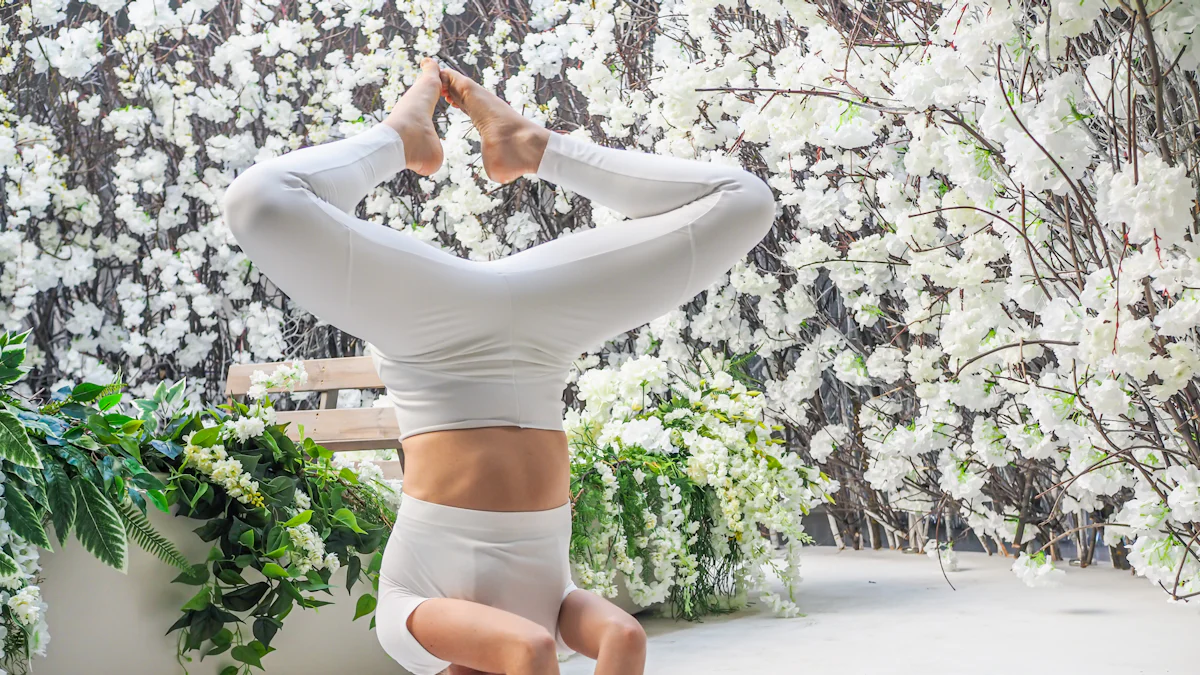
Who can benefit from yoga?
Who can benefit from yoga? (https://statics.mylandingpages.co/static/aaanxdmf26c522mp/image/f860fac9ba424eda9eb9b3f748d3b54e.webp)
Image Source: pexels
Yoga is enjoying growing popularity worldwide. In Germany, 13 percent of the population now practices yoga, which corresponds to approximately 11 million people. This number has multiplied since 2014, when only 3 percent practiced yoga. Yoga offers numerous benefits, including improved flexibility, muscle strengthening, and stress reduction. But who is yoga good for? This article explores how different people can benefit from yoga, whether for relaxation, improving physical fitness, or supporting mental health.
Yoga is becoming increasingly popular worldwide. ## Physical Benefits of Yoga
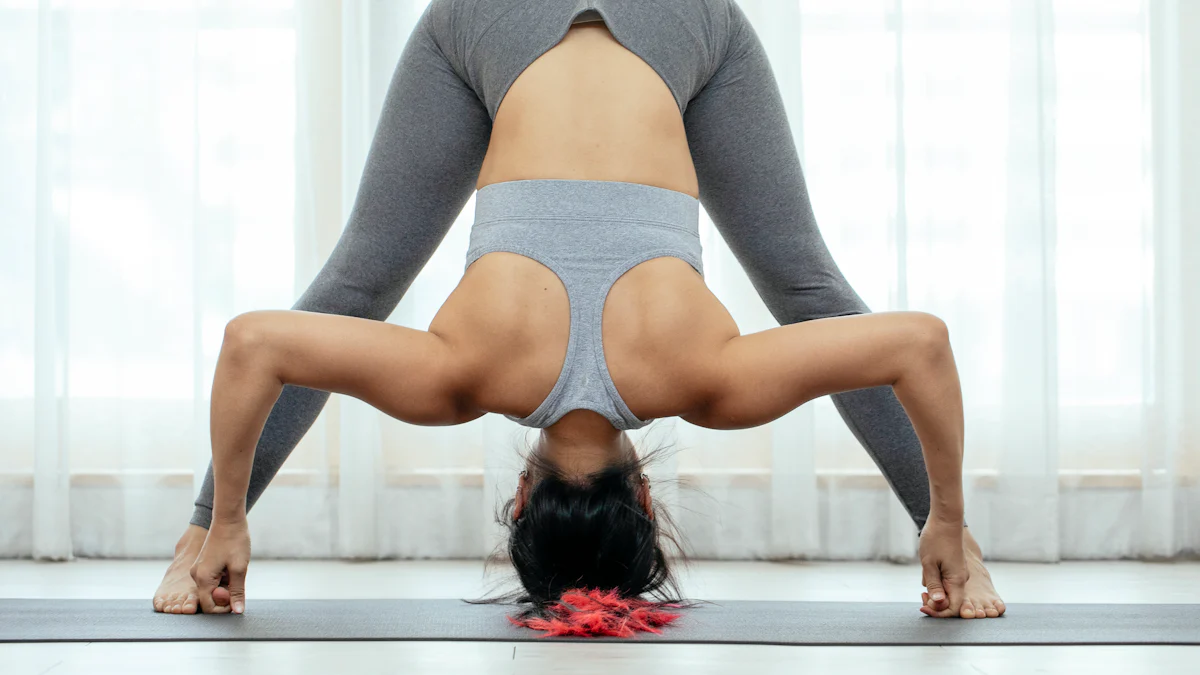
Image Source: pexels
Improved Flexibility
Yoga can significantly increase your flexibility. Studies show that regular yoga practice can increase the range of motion in your joints. This not only helps athletes improve their performance but also prevents injuries.
Studies on Increasing Flexibility
"Studies have shown that yoga can increase the range of motion of the joints, which helps athletes improve their performance and prevent injuries."
These findings highlight the importance of flexibility for overall physical health. Regular yoga practice can improve your mobility while reducing your risk of injury.
Practical Tips for Improving Flexibility
To improve your flexibility, consider the following tips:
-
Regularity: Practice yoga at least three times a week.
-
Variety: Incorporate different yoga poses that target different muscle groups.
-
Patience: Don't expect immediate results. Flexibility develops over time.
Strengthening Your Muscles
Yoga is not only beneficial for flexibility, but also for strengthening your muscles. Dynamic exercises like Vinyasa Yoga can effectively strengthen your muscles.
Scientific Findings on Muscle Strengthening
A 2019 study shows that yoga can contribute to muscle strengthening. In this study, 29 participants completed yoga and Tai Chi courses online. The dynamic exercises of Vinyasa Yoga proved to be particularly effective.
Exercises for Muscle Strengthening
To strengthen your muscles, you can integrate the following yoga exercises into your routine:
-
Plank Pose: This exercise strengthens your abdominal and back muscles.
-
Warrior Pose: Promotes strength in the legs and arms.
-
Downward Dog: Stretches and strengthens various muscle groups simultaneously.
By regularly practicing these exercises, you can not only strengthen your muscles but also improve your overall well-being.
Mental and Emotional Benefits
Stress Reduction and Relaxation
Yoga offers an excellent way to reduce stress and find relaxation. Many people experience stress in their daily lives, which can negatively impact their health. Yoga helps you reduce this stress and achieve a sense of calm.
Studies on Stress Reduction Through Yoga
"Yoga can prevent depressive episodes, alleviate anxiety, and minimize stress."
A study by the German Yoga Teachers Association (BDY) and GfK shows that many yoga practitioners feel more balanced, relaxed, and calm. These results illustrate how effective yoga can be as a means of stress management.
Breathing Techniques for Relaxation
Breathing techniques play a central role in yoga. They help you calm your mind and relax your body. Here are some breathing techniques you can try:
-
Deep Breathing: Breathe in and out slowly and deeply through your nose. This calms the nervous system.
-
Alternating Nostril Breathing: Breathe alternately through your right and left nostrils. This technique promotes balance between body and mind.
-
Lion Breathing: Inhale deeply and exhale with a loud "Ha" sound. This exercise releases tension and promotes relaxation.
Improving Concentration
Yoga can also improve your concentration. In our fast-paced world, it is often difficult to maintain focus. Yoga offers techniques to sharpen your attention and increase concentration.
Research Findings on Improving Concentration
Studies show that regular yoga practice can improve cognitive function. Yoga promotes blood flow to the brain, thus supporting concentration. These benefits make yoga a valuable tool for students, professionals, and anyone who enjoys working in the field.
Concentration Exercises in Yoga
To improve your concentration, you can integrate the following yoga exercises into your practice:
-
Tree Pose (Vrksasana): This pose requires balance and focus, which strengthens your concentration.
-
Meditation: Sit in a comfortable position and focus on your breath. This practice calms the mind and improves attention.
-
Candle Flame Meditation (Trataka): Fix your gaze on a candle flame. This exercise sharpens focus and promotes mental clarity.
By integrating these techniques and exercises into your daily routine, you can not only reduce stress but also sustainably improve your concentration.
Who is Yoga Good For?
Yoga is a versatile practice that benefits people of all ages and with varying health conditions. Whether you are a child, an adult, or a senior, yoga offers numerous benefits.
Yoga for Different Age Groups
Yoga for Children
Children benefit from yoga by promoting their physical and mental development. Yoga helps them learn self-regulation and relaxation. These skills are especially important in a world that is often hectic and stressful. Child-friendly yoga poses like the "Tree" or the "Cobra" are playful and promote concentration and balance.
Benefits for Physical and Mental Development
Yoga helps children improve their motor skills and develop a healthy body awareness. It also promotes emotional stability by providing them with stress management techniques. These benefits contribute to holistic development.
Child-Friendly Yoga Poses
-
Tree Pose (Vrksasana): Promotes balance and concentration.
-
Cobra Pose (Bhujangasana): Strengthens the back and improves posture.
-
Butterfly Pose (Baddha Konasana): Stretches the hips and promotes flexibility.
Yoga for Seniors
Seniors benefit from yoga by improving their mobility and balance. A study from last year shows that yoga positively influences numerous parameters such as walking speed, coordination, and strength. These benefits are crucial for staying active and independent in old age.
Promoting Mobility and Balance
Yoga helps seniors maintain their mobility and improve their balance. This reduces the risk of falls and promotes an active lifestyle. Adapted yoga exercises are gentle and take into account the needs of older adults.
Adapted Yoga Exercises for Seniors
-
Chair Pose (Utkatasana): Strengthens the legs and improves balance.
-
Cat-Cow Pose (Marjaryasana-Bitilasana): Promotes spinal flexibility.
-
Mountain Pose (Tadasana): Improves posture and balance.
Yoga for Specific Health Conditions
Support for Chronic Pain
Yoga can help relieve chronic pain. A study on the effectiveness of yoga for lower back pain shows that yoga can be an effective method for pain management. Certain yoga poses aim to relieve pressure on affected areas and strengthen muscles.
Studies on Yoga and Pain Management
"Yoga can be just as effective as medication."
This finding underscores the importance of yoga as a complementary therapy for chronic pain.
Recommended Yoga Poses for Pain
-
Child's Pose (Balasana): Relaxes the back and relieves pain.
-
Bridge Pose (Setu Bandhasana): Strengthens the lower back and legs.
-
Warrior II Pose (Virabhadrasana II): Promotes strength and stability.
Yoga for Mental Health
Yoga has positive effects on mental health. A study by Neha Gothe and colleagues shows that yoga has similarly positive effects on individual symptoms of mental disorders as standard psychotherapy. These findings make yoga a valuable tool for supporting mental health.
Research on Yoga and Mental Health
Yoga promotes emotional well-being by reducing stress and improving mood. It offers relaxation and mindfulness techniques that help manage mental strain.
Yoga Exercises to Support Mental Health
-
Meditation: Promotes mindfulness and reduces stress.
-
Breathing Exercises (Pranayama): Calm the mind and promote relaxation.
-
Savasana (Corpse Pose): Helps relax body and mind.
Yoga is a valuable practice for people of all ages and with varying health conditions. It offers you the opportunity to grow both physically and mentally and to lead a fulfilling life.
Yoga for Athletes
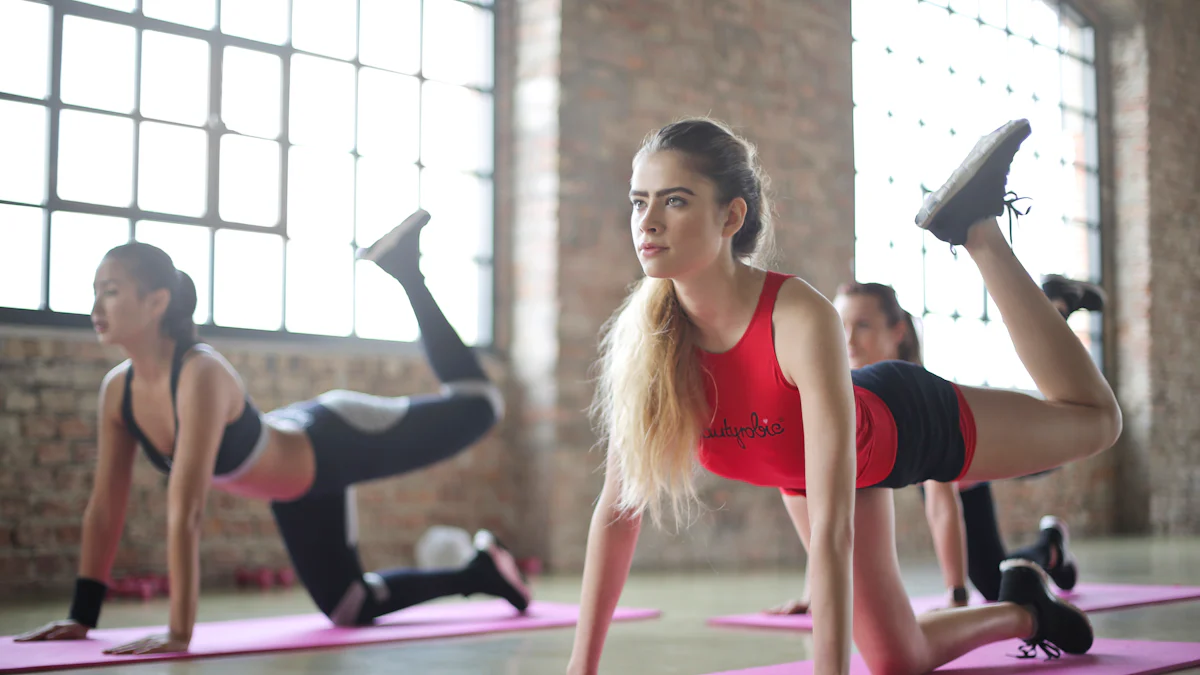
Image Source: unsplash
Improving Athletic Performance
Yoga can significantly enhance your athletic performance. Many athletes incorporate yoga into their training to strengthen their muscles and joints. This practice improves not only flexibility but also mobility and stability. These factors are crucial for optimal athletic performance.
Studies on Performance Enhancement Through Yoga
"Yoga is used by athletes to enhance performance, prevent injuries, and improve mental well-being."
These findings demonstrate that yoga is a valuable addition for athletes. It helps you maximize your physical abilities while minimizing the risk of injury.
Yoga Exercises for Athletes
To improve your athletic performance, you can integrate the following yoga exercises into your training:
-
Warrior I (Virabhadrasana I): This pose strengthens the legs and improves endurance.
-
Triangle Pose (Trikonasana): Promotes flexibility and opens the hips.
-
Boat Pose (Navasana): Strengthens the abdominal muscles and improves balance.
Regular practice of these exercises can improve your athletic performance and promote your overall health.
Injury Prevention
Yoga plays a crucial role in injury prevention. It helps you stretch and strengthen your muscles, reducing the risk of injury. Especially in high-impact sports like skiing, yoga can significantly lower the risk of injury.
Yoga is a great way to improve your performance and overall health. (See: https://www.sportler.com/de/news-trends/fitness/yoga-dein-schluessel-zu-mehr-power-und-performance-im-sport?srsltid=AfmBOopXIX-cd9zXj9_TQoKowdN7xcEqPk1B4syPlbbkaxRNSUbI2EYA)
`` #### Research on Injury Prevention Through Yoga
"Yoga offers competitive athletes a multitude of benefits, including improved muscles and joints, flexibility, mobility, and stability for injury prevention."
These research findings highlight the importance of yoga for preventing sports injuries. It helps you make your body more resilient to stress.
Preventive Yoga Exercises
To prevent injuries, you should incorporate the following yoga exercises into your routine:
-
Cat-Cow Pose (Marjaryasana-Bitilasana): Promotes spinal flexibility and reduces tension.
-
Downward-Facing Dog (Adho Mukha Svanasana): Stretches the back muscles and strengthens the shoulders.
-
Pigeon Pose (Eka Pada Rajakapotasana): Opens the hips and improves flexibility.
These exercises help you strengthen your body and minimize the risk of injury. Yoga is therefore a valuable tool for athletes who want to improve their performance while staying healthy.
Yoga offers you a multitude of benefits. It not only strengthens your muscles and flexibility but also promotes your mental strength and inner peace. Through regular practice, you can increase your self-confidence and develop a healthier mind. Integrate yoga into your daily routine to improve athletic performance and navigate life with greater balance and mindfulness. The future of yoga research promises exciting developments that will offer you even more opportunities to benefit from this ancient practice.
... ## See also
How Yoga Can Change Your Destiny
How to Start with Fitness and Yoga
Effective Yoga Workouts for Men



