
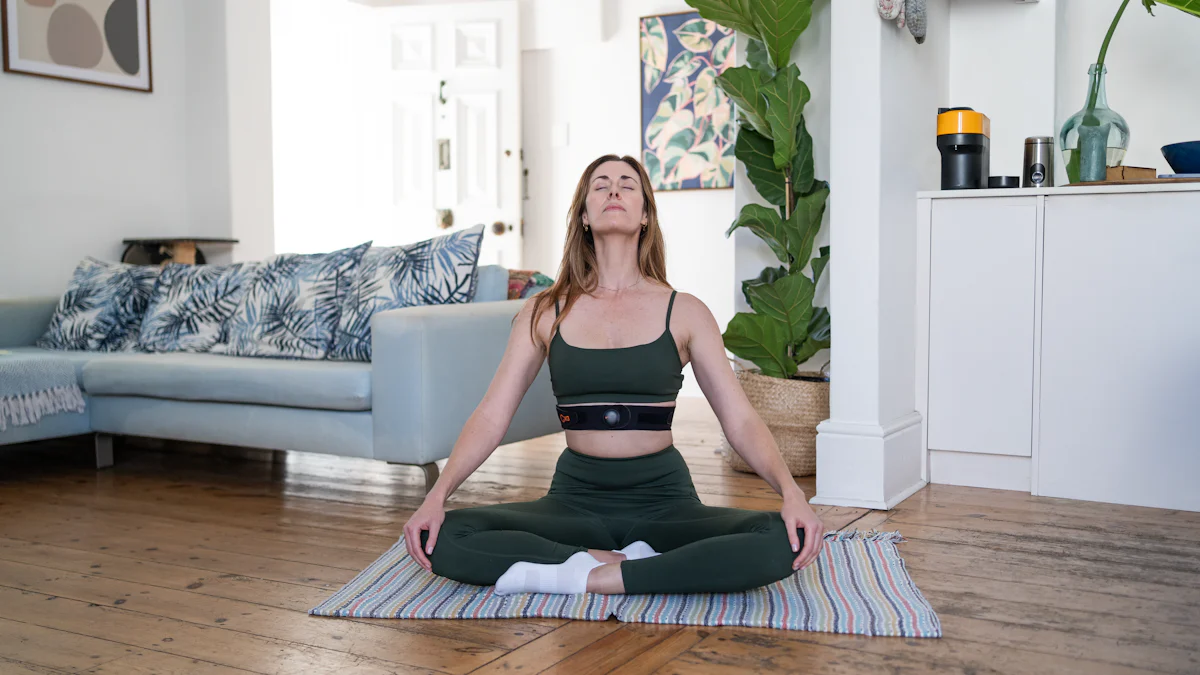
What is Pranayama and why is it essential in yoga?
What is Pranayama and Why is It Essential in Yoga?
Image Source: Unsplash
Yoga pranayama is one of the most powerful practices in yoga. Through breath control, you can improve your physical and mental well-being. Each conscious breath becomes a means to relax your muscles, calm your mind, and reduce tension. Scientific studies show that proper breathing promotes the flow of oxygen in the body and removes carbon dioxide, thus improving overall health. With yoga pranayama, you can not only reduce stress and anxiety, but also increase concentration and regain inner balance.
Key Points
- Pranayama is a fundamental practice in yoga that improves physical and mental well-being through breath control.
Practicing Pranayama helps reduce stress and anxiety, increasing concentration and promoting inner balance.
Techniques like Nadi Shodhana and Ujjayi are excellent for beginners and offer immediate benefits such as calm and mental clarity.
Breath control improves cardiovascular health and lung capacity, making breathing more efficient.
Integrating Pranayama with asanas makes yoga practice more fluid and mindful, improving coordination and balance.
Establishing a daily Pranayama routine, even for just a few minutes, can transform your overall well-being.
Pranayama is not just a physical technique, but a journey towards greater awareness and connection with the inner self.
The Meaning of Pranayama in Yoga
Image Source: pexels
Origin and Definition of the Term
Etymology: "Prana" (vital energy) and "Ayama" (control or expansion)
The term "Pranayama" comes from Sanskrit and is composed of two words: Prana, meaning vital energy, and Ayama, meaning control or expansion. In the context of yoga, Pranayama represents the art of regulating and directing the breath to positively influence the body and mind. Through this practice, you learn to manage the flow of vital energy within you, improving your inner balance.
Breathing is not just a physiological process, but a powerful tool for connecting the body and mind. Each conscious breath becomes a means of calming thoughts and promoting a state of tranquility. When you control your breath, you can also control your emotions and improve your ability to concentrate.
The Role of Breath as a Bridge Between Body and Mind
Breathing acts as a bridge between the physical body and the mind. When you're agitated or stressed, your breathing becomes rapid and shallow. Conversely, slow, deep breathing induces calm and relaxation. Through Pranayama, you can learn to use your breath to influence your mental and physical state. This connection allows you to face everyday challenges with greater serenity and awareness.
"Breath control and mind control are closely intertwined." This statement emphasizes the importance of Pranayama in yoga, where the breath becomes a tool to calm the mind and awaken your inner potential.
The connection between yoga pranayama and vital energy
How breathing affects the flow of energy in the body
Breath is the vehicle through which prana, or vital energy, moves through the body. Each inhalation brings fresh energy, while each exhalation eliminates toxins and tension. When you practice yoga pranayama, you regulate the flow of this energy, improving your vitality and overall well-being. Conscious and controlled breathing helps maintain energetic balance, promoting physical and mental health.
Pranayama techniques, such as deep, rhythmic breathing, stimulate the body's energy channels, known as nadis. This process not only improves energy circulation, but also strengthens your nervous system, making you more resilient to stress.
The Importance of Breath Control for Health and Awareness
Breath control is essential for achieving a state of deep awareness. When you learn to regulate your breathing, you can calm your mind and reduce anxiety. This allows you to live in the present moment, without being overwhelmed by thoughts of the past or worries about the future.
Practicing yoga pranayama not only improves physical health, but also develops a stable and calm mind. Through breath control, you can access a state of inner balance that helps you better manage emotions and live with greater serenity.
The Benefits of Pranayama
Pranayama offers a wide range of benefits involving the body, mind, and emotions. Through breath control, you can improve your physical health, reduce mental stress, and achieve greater emotional stability. Discover how this practice can transform your well-being.
Physical Benefits
Improved Lung Capacity and Breathing
Practicing Pranayama strengthens the lungs and improves their capacity. Deep breathing exercises increase the body's oxygen supply, promoting better tissue oxygenation. This process helps eliminate excess carbon dioxide, improving the quality of breathing. Studies show that Pranayama can be beneficial for those with respiratory problems such as asthma or COPD, as it promotes more efficient and regular breathing.
Reduced Physical Stress and Improved Cardiovascular Health
Breathing control positively affects the cardiovascular system. During Pranayama, the heart rate slows, reducing blood pressure and promoting relaxation. This effect helps reduce accumulated physical stress and improve heart health. Regular practice can also strengthen the immune system, making you more resistant to disease.
Mental Benefits
Stress and Anxiety Reduction
Pranayama is a powerful tool for calming the mind. When you regulate your breathing, the nervous system relaxes, reducing levels of the stress hormone cortisol. This allows you to face difficult situations with greater serenity. Conscious breathing also helps reduce anxiety, creating a state of inner calm. Many studies show that pranayama is effective in treating disorders such as depression and PTSD.
Increased Concentration and Mental Clarity
Controlled breathing improves blood circulation to the brain, increasing your ability to concentrate. Through pranayama, you can free yourself from distracting thoughts and focus on the present moment. This helps you make more informed decisions and work more efficiently. The mental clarity that comes from regular practice allows you to face daily challenges with clarity.
Emotional Benefits
Promoting Calm and Emotional Stability
Pranayama helps you manage emotions more balancedly. When your breathing is calm and regular, your emotions also stabilize. This practice allows you to face moments of emotional stress with greater control. The calm that comes from Pranayama promotes a sense of inner peace, improving your quality of life.
Greater Connection with Yourself and the Present Moment
Through Pranayama, you can develop a deeper connection with yourself. Conscious breathing helps you live in the present moment, letting go of worries from the past and anxieties about the future. This allows you to appreciate life more and cultivate a sense of gratitude. Regular practice guides you toward greater awareness of who you are and what surrounds you.
"Breath is the bridge that connects life to consciousness." This phrase emphasizes the importance of pranayama in promoting balance between body, mind, and emotions.
Main Yoga Pranayama Techniques
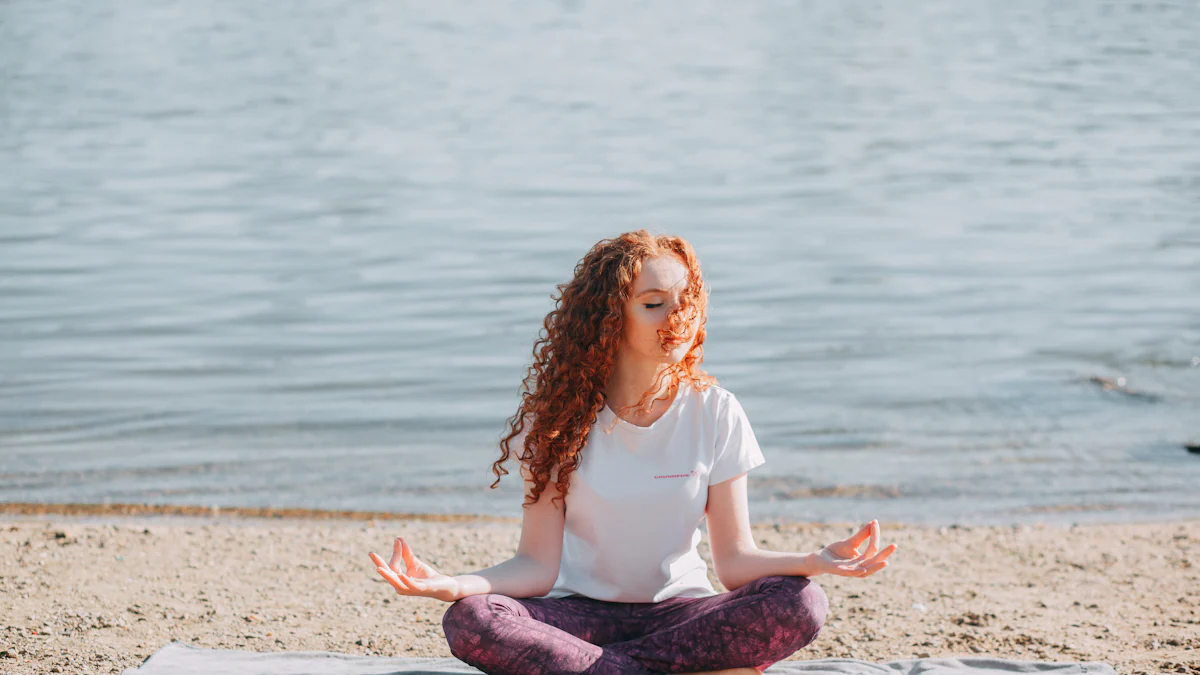
Image Source: pexels
Pranayama, as an integral part of yoga, offers various breathing techniques that you can practice to improve your well-being. Each technique has a specific purpose and is suited to different levels of experience. Discover some of the most common techniques and how to choose the one that's right for you.
Basic Techniques
Nadi Shodhana (Alternate Nostril Breathing)
Nadi Shodhana is a simple yet powerful technique. It's performed by alternating breathing between the two nostrils, using the fingers to close one nostril at a time. This method helps purify the energy channels (nadis) and balance the flow of vital energy in the body. You can begin by sitting in a comfortable position, gently closing one nostril and inhaling deeply through the other. Then, reverse the process. This technique calms the mind, reduces stress, and improves concentration.
"Alternate nostril breathing is like a cleanser for the body's energy system," states the Hathayogapradipika, an ancient yoga text.
Ujjayi (Victorious Breathing)
Ujjayi, also known as Victorious Breathing, is distinguished by the soft, hissing sound produced during exhalation. To practice it, slightly narrow your throat as you inhale and exhale through your nose. This breath control creates internal heat, improves concentration, and promotes a state of calm. Ujjayi is often used during asanas to synchronize breath with movement, making yoga practice more fluid and mindful.
Advanced Techniques
Kapalabhati (Shining Skull Breathing)
Kapalabhati is an energizing technique that combines rapid, forceful exhalations with passive inhalations. This method stimulates the respiratory system, purifies the lungs, and increases oxygen flow to the brain. To begin, sit with your back straight, inhale deeply, and then exhale rapidly while contracting your abdominal muscles. Repeat the process rhythmically. This technique requires practice and concentration, so it is recommended for those with experience with Pranayama.
Bhastrika (Breathing Breathing)
Bhastrika, or breathing breathing, is a vigorous technique that involves rapid, deep inhalations and exhalations. This method increases vital energy (prana), stimulates metabolism, and purifies the energy channels. To practice it, sit comfortably, inhale deeply, and then exhale forcefully, maintaining a steady rhythm. Bhastrika is ideal for those seeking an immediate boost in energy and vitality, but requires attention to avoid fatigue.
How to choose the right technique
Assess your experience level
Before beginning, assess your experience level. If you are a beginner, start with basic techniques such as Nadi Shodhana or Ujjayi. These practices are easy to learn and offer immediate benefits. If you already have experience, you can explore advanced techniques like Kapalabhati or Bhastrika, which require greater control and awareness.
Adapt the practice to your physical and mental needs
Each Pranayama technique has specific effects on the body and mind. If you want to relax and reduce stress, choose techniques like Nadi Shodhana. If you're looking for energy and vitality, try Kapalabhati or Bhastrika. Listen to your body and adapt the practice to your needs. Remember that Pranayama is not just a technique, but a journey towards greater awareness and well-being.
"Breath is the bridge between the body and the mind," writes B.K.S. Iyengar in his book The Science of Pranayama. Choosing the right technique helps you build this bridge effectively.
Guidelines for a Safe and Effective Practice
Preparation for Practice
Choose a Quiet and Comfortable Environment
To begin Pranayama, choose a quiet place free of distractions. A quiet environment helps you better focus on your breathing and relax completely. You can practice in a well-ventilated room or outdoors, as long as the air is clean. Make sure the temperature is comfortable to avoid distractions related to heat or cold.
Practice on an Empty Stomach and in a Comfortable Position
It is important to practice Pranayama on an empty stomach. Digestion can interfere with deep breathing and reduce the effectiveness of the practice. The ideal time is early in the morning, before breakfast. Sit in a comfortable position, such as lotus or half-lotus, keeping your back straight. If you have difficulty sitting on the floor, use a chair with a straight back.
"A stable and comfortable posture is essential for an effective Pranayama practice," say many experienced yoga teachers.
Common Mistakes to Avoid
Forcing Your Breath or Holding Your Breath For Too Long
Never force your breath during Pranayama. Breathing should be natural and fluid. Holding your breath for extended periods can cause discomfort or dizziness, especially if you're a beginner. Listen to your body and respect your limits. If you feel tension or discomfort, stop practicing and resume when you feel ready.
Practicing Without Supervision if You're a Beginner
If you're a beginner, avoid practicing advanced techniques without the guidance of a qualified teacher. An expert can correct any mistakes and ensure you're performing the exercises safely. As many yoga teachers emphasize, "It is essential to study and practice Pranayama under the supervision of an experienced instructor, especially for the more complex techniques."
Remember that some Pranayama techniques, such as Kapalabhati or Bhastrika, require adequate preparation and are not suitable for everyone.
Tips for Regular Practice
Establish a Daily Routine
Consistency is the key to reaping the benefits of Pranayama. Dedicate a specific time of day to practice, preferably early in the morning or in the evening. Creating a daily routine helps you turn Pranayama into a habit. Even a few minutes a day can make a big difference in your well-being.
Start with short sessions and gradually increase the duration
If you are a beginner, start with 5-10 minute sessions. Over time, you can gradually increase the duration and intensity of your practice. This approach allows you to adapt slowly and avoid overloading yourself. Remember that the quality of your practice is more important than the quantity.
"Breath is the bridge between body and mind," writes B.K.S. Iyengar. With regular and gradual practice, you can build this bridge and improve your inner balance.
The role of yoga pranayama in a complete yoga practice
How to integrate pranayama with asanas
Synchronizing breath with movement
Integrating pranayama with asanas allows you to create a more fluid and mindful yoga practice. Synchronizing breath with movement helps improve coordination and maintain balance during poses. For example, inhaling while stretching and exhaling while bending promotes a greater connection between mind and body. This synchronization not only makes the movements more harmonious, but also increases your concentration, allowing you to experience each asana with greater intensity.
"Breath guides movement," many yoga teachers say. When you follow this rule, every pose becomes a meditative experience.
Practicing this way helps you maintain a steady pace and avoid unnecessary tension. Breath becomes your ally in tackling even the most challenging poses, supporting the body and calming the mind.
Using Pranayama to Prepare for Meditation
Pranayama is an essential tool for preparing for meditation. Through breath control, you can calm the mind and reduce distractions. Techniques like Nadi Shodhana or Ujjayi help you reach a state of deep relaxation, creating the ideal conditions for effective meditation.
When your breathing becomes slow and regular, your nervous system relaxes. This calm state allows you to more easily enter a meditative state, where you can explore your inner self without being disturbed by external thoughts. Pranayama, therefore, is not only a physical preparation, but also a mental and emotional one.
"Breath is the bridge between the body and the mind," writes B.K.S. Iyengar. Through pranayama, you can cross this bridge and access deeper meditation.
Pranayama as a tool for spiritual growth
Deepening your connection with your inner self
Pranayama offers you the opportunity to connect with your inner self. When you control your breath, you can direct your attention inward, exploring your thoughts and emotions. This practice helps you better understand who you are and develop greater self-awareness.
Every conscious breath becomes a means to purify the mind and free yourself from accumulated tension. This purification process allows you to get closer to your most authentic core, fostering personal and spiritual growth. Pranayama, therefore, is not just a physical practice, but a journey toward greater self-understanding.
Promoting the expansion of awareness
Through Pranayama, you can expand your awareness and perceive the world with greater clarity. Breath control helps you live in the present moment, letting go of worries from the past and anxieties about the future. This presence of mind allows you to appreciate the beauty of life and cultivate a sense of gratitude.
"Awareness arises from the breath," say ancient yoga texts. When you practice Pranayama, you can access a higher state of consciousness, where body, mind, and spirit unite in harmony.
This expansion of awareness not only enhances your yoga practice, but also enriches your daily life. It helps you see things from a different perspective, fostering greater empathy and understanding of yourself and others.
Pranayama is an essential yoga practice, capable of profoundly transforming your well-being. Through conscious breath control, you can improve your physical health, calm your mind, and achieve emotional balance. Every breath becomes an opportunity to nourish your psychophysical system and purify your mind.
Integrating Pranayama into your daily routine allows you to face life with greater serenity and awareness. As many practitioners say, "breath is the bridge between body and mind." With this practice, you can build a bridge to a more harmonious and fulfilling life.
See also
Pranayama: Importance and Meaning in Yoga
Benefits of Yoga for Women: Rediscover Your Well-Being
Seven Tips for Daily Yoga Practice



