
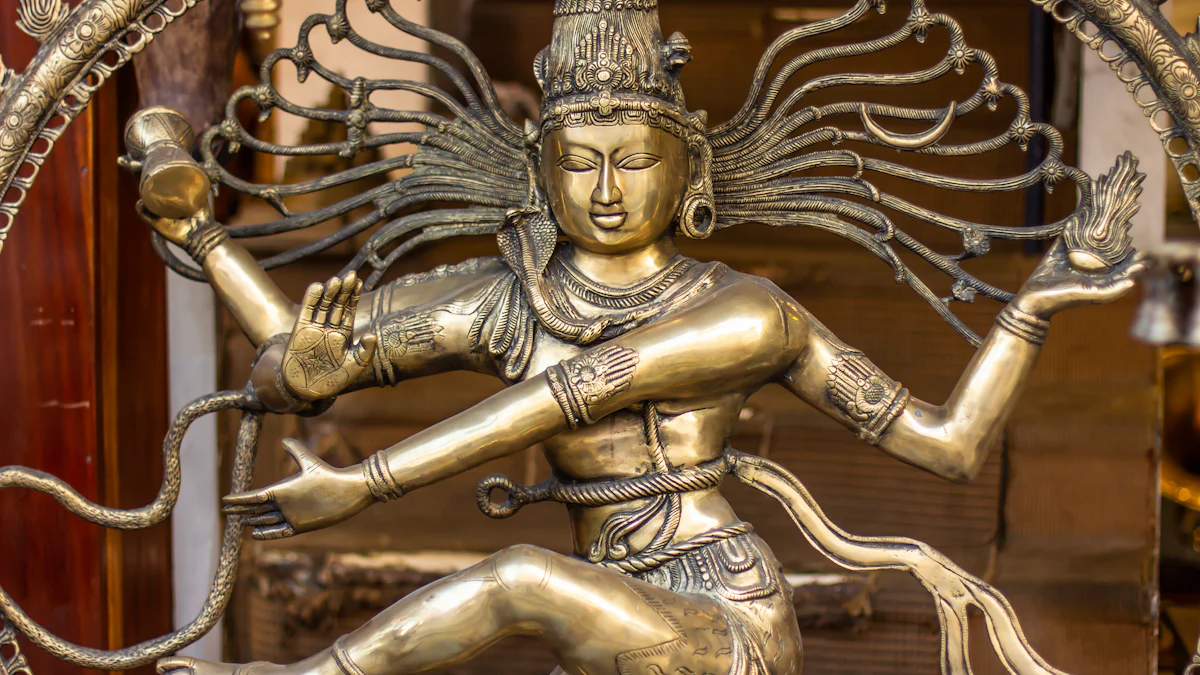
SwáSthya Yoga: What it is and how it began
Image Source: pexels
SwáSthya Yoga, known as one of the oldest forms of Yoga, is often the answer to the question "what is SwáSthya Yoga?". This ancient practice is distinguished by the harmonious and synchronized execution of body techniques, in contrast to modern approaches that often fragment the exercises. Systematically organized by Master DeRose in the 1960s, it is based on the Scriptures and wisdom of the ancient Masters. More than just a sequence of movements, SwáSthya Yoga is a philosophy of life that promotes balance, self-knowledge, and holistic well-being.
Key Conclusions
-
SwáSthya Yoga is an ancient practice that integrates body, mind, and spirit, promoting a state of balance and holistic well-being.
-
The philosophy of SwáSthya Yoga emphasizes self-sufficiency and inner harmony, going beyond physical exercises to include self-knowledge and reflection on personal values.
-
The practice is structured in eight parts, known as Ashtánga Sádhana, which include body techniques, breathing, and meditation, essential for physical and mental development.
-
The benefits of SwáSthya Yoga include increased strength and flexibility, stress reduction, and improved concentration, contributing to physical and emotional health.
-
Starting the practice of SwáSthya Yoga does not require sophisticated equipment; a quiet space and a willingness to learn are enough to begin.
-
A qualified instructor is essential to ensure a safe and effective practice, helping to understand the philosophy and maximize the benefits.
-
Integrating SwáSthya Yoga into your daily routine can be done through small steps, such as establishing fixed times and practicing conscious breathing.
What is SwáSthya Yoga?
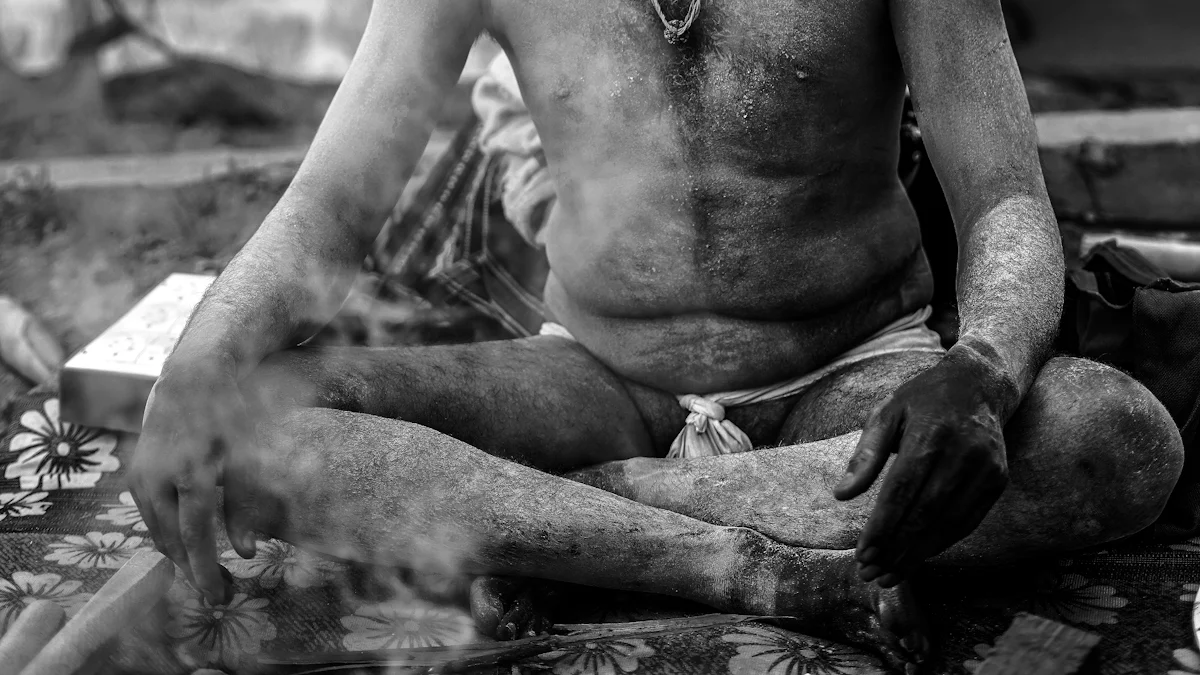
Image Source: pexels
Definition and meaning of the term "SwáSthya"
The term "SwáSthya" originates from Sanskrit and can be translated as "self-sufficiency" or "state of health". This word reflects the essence of SwáSthya Yoga, which seeks to provide balance and holistic well-being to the practitioner. The practice is not limited to the physical body, but also encompasses the mind and spirit, promoting a deep connection between these elements. By understanding the meaning of "SwáSthya," you realize that this approach goes beyond physical exercises, offering a philosophy that values inner harmony and personal autonomy.
"SwáSthya" represents a state of fullness, where body, mind, and spirit coexist in balance.
Main characteristics that differentiate SwáSthya Yoga from other practices
SwáSthya Yoga stands out as an ancestral practice, systematized in the 1960s by Master DeRose. Unlike other forms of yoga, it preserves the oldest traditions, such as the Dakshinacharatántrika-Niríshwarasámkhya lineage, which predates Aryan and Vedic influences. This authentic approach maintains the essence of Ancient Yoga, offering a rich and complete experience.
Among its unique characteristics is Ashtánga Sádhana, which integrates eight fundamental parts, such as body techniques (ásanas), breathing (pránáyáma), and meditation. Furthermore, SwáSthya Yoga adopts a tantric vision, being matriarchal, sensory, and liberating. These qualities make the practice more inclusive and adapted to individual needs, promoting freedom and self-knowledge.
The vision of SwáSthya Yoga as a philosophy of life
More than a physical practice, SwáSthya Yoga is a philosophy of life that encourages reflection on personal values and self-knowledge. He teaches that well-being depends not only on external factors, but also on a conscious and balanced attitude towards life. By adopting this philosophy, you learn to integrate body, mind, and spirit, achieving a state of harmony and fullness.
The practice also promotes a systemic approach, using techniques that go beyond yoga, such as elements of dance and psychology. This integration of methods reinforces the idea that SwáSthya Yoga is a powerful tool to transform your life, helping you achieve health, emotional balance, and mental clarity.
"SwáSthya Yoga is not just a practice, but a path to living with more awareness and authenticity."
Fundamental Principles of SwáSthya Yoga
The concept of Ashtánga Sádhana: the eight-part practice
SwáSthya Yoga is based on the concept of Ashtánga Sádhana, which means "eight-part practice." This structure comprehensively organizes the practice, integrating body, mind, and spirit. Each of the eight parts plays an essential role in achieving balance and well-being.
Body Techniques (Asanas)
Body techniques, known as asanas, are postures that promote strength, flexibility, and balance. In SwáSthya Yoga, these postures are performed fluidly and synchronously, creating a harmonious experience. Regular practice of asanas improves physical health and helps prevent injuries. Furthermore, studies show that practices such as Hatha Yoga, which also utilizes body postures, can improve attention and working memory, reinforcing mental benefits.
Breathing (Pranayama)
Breathing, or pranayama, is a central part of SwáSthya Yoga. Controlling breathing helps regulate emotions and reduce stress. Deep breathing techniques increase the body's oxygenation, promoting relaxation and mental clarity. Scientific research indicates that the practice of Yoga can reduce cortisol levels, the stress hormone, demonstrating the positive impact of pranayama on emotional health.
Concentration and Meditation
Concentration and meditation are practices that strengthen the mind. In SwáSthya Yoga, these techniques help develop focus and tranquility. Regular meditation reduces anxiety and improves the ability to cope with daily challenges. Furthermore, it promotes a state of presence, allowing you to live in the moment with greater awareness.
Ethics and Philosophy
The ethics and philosophy of SwáSthya Yoga guide the practice beyond the physical. Values such as respect, discipline, and self-knowledge are fundamental. These principles help create a solid foundation for a balanced and meaningful life. By incorporating these ideas into daily life, you transform the practice of Yoga into a philosophy of life.
The Sensory, Matriarchal, and Unrepressive Approach of SwáSthya Yoga
SwáSthya Yoga adopts a unique approach that is sensory, matriarchal, and unrepressive. This vision values freedom of expression and connection with the senses. The practice encourages the conscious exploration of pleasure, promoting a healthy relationship with the body and emotions. Its matriarchal character highlights the importance of balance and harmony, while its liberating approach frees the practitioner from limiting patterns.
The Integration of Body, Mind, and Spirit
SwáSthya Yoga promotes a complete integration of body, mind, and spirit. This union creates a state of fullness and well-being. Physical techniques strengthen the physique, while meditation and breathing balance the mind. Philosophy and ethics connect the practitioner to their spiritual purpose. This holistic approach transforms SwáSthya Yoga into a powerful practice for achieving harmony and self-knowledge.
"True Yoga practice goes beyond the physical. It connects you to your inner self, promoting balance in all areas of life."
The Origin of SwáSthya Yoga
The Historical Roots of Yoga in India and its Connection to Dravidian Culture
SwáSthya Yoga has its origins deeply rooted in ancient India, long before the emergence of Classical Yoga. This practice dates back to the pre-classical period, when the Dravidian civilization flourished on the Indian subcontinent. The Dravidians, known for their rich culture and spirituality, developed practices that sought harmony between body, mind, and spirit. These ancestral practices formed the basis of what we know today as SwáSthya Yoga.
The connection to Dravidian culture is evident in the sensory and liberating approach of SwáSthya Yoga. This cultural heritage is reflected in the valuing of freedom and the conscious exploration of the senses, characteristics that differentiate this practice from other forms of yoga. By understanding these historical roots, you realize that SwáSthya Yoga is not just a physical practice, but also an expression of an ancient philosophy of life.
"SwáSthya Yoga represents a much older lineage than Classical Yoga, preserving the essence of Dravidian traditions."
The Systematization of SwáSthya Yoga by Shrí DeRose
Although the roots of SwáSthya Yoga are ancient, it was Master Shrí DeRose who systematized and organized this practice in the 1960s. He based it on Dakshinacharatantrika-Niríshwarasámkhya Yoga, one of the oldest forms of yoga, to create a structured and accessible approach for modern practitioners. The systematization by Shrí DeRose ensured that ancestral teachings were preserved and transmitted authentically.
Shrí DeRose not only organized the techniques but also emphasized the importance of understanding the philosophy behind the practice. He highlighted that SwáSthya Yoga goes beyond physical movements, being a tool for self-knowledge and integral balance. Thanks to Shrí DeRose's work, you can now access a practice that combines tradition and modernity, remaining true to its origins.
The evolution of SwáSthya Yoga as a modern practice based on ancient traditions
Over time, SwáSthya Yoga has evolved to meet the needs of the contemporary world without losing its ancestral essence. This practice has adapted to the pace of modern life, offering techniques that promote health, well-being, and emotional balance. Despite the adaptations, SwáSthya Yoga continues to honor the ancient traditions from which it originated.
Today, SwáSthya Yoga is recognized as a complete and holistic practice. It integrates physical, mental, and spiritual elements, providing a transformative experience. By practicing SwáSthya Yoga, you connect to a tradition that has spanned centuries, remaining relevant and impactful. This evolution demonstrates SwáSthya Yoga's ability to reinvent itself without compromising its fundamental values.
"SwáSthya Yoga is a bridge between the past and the present, uniting tradition and modernity in a unique practice."
Benefits of SwáSthya Yoga

Image Source: pexels
Physical Benefits: Strength, Flexibility, and Health
Regular practice of SwáSthya Yoga strengthens the body and improves its flexibility. The asanas (body postures) work different muscle groups, promoting increased strength and physical endurance. Furthermore, these postures help correct posture, preventing pain and injuries.
Flexibility is another significant benefit. By performing synchronized and conscious movements, the muscles become more elastic, which reduces the risk of tension and contractures. Overall health also improves, as SwáSthya Yoga stimulates blood circulation, strengthens the immune system, and promotes balance in the body.
"Yoga is an ancient practice that brings numerous benefits to physical and mental health, including improved flexibility, balance, and posture." — Consciousness and Cognition Magazine
Mental benefits: stress reduction and increased concentration
SwáSthya Yoga is a powerful tool for reducing stress. Breathing techniques (pránáyáma) and meditation help calm the mind and regulate emotions. Scientific studies, such as the one published in the International Journal of Yoga, show that the practice reduces cortisol levels (https://yoginappacademy.com/blog/pesquisa-comprova-que-yoga-reduz-stress-estudo/), the stress hormone. By controlling your breathing, you feel more relaxed and prepared to face the challenges of daily life.
Concentration also improves significantly. The practice requires focus and mindfulness, which strengthens the ability to stay present. A study in the Consciousness and Cognition Journal revealed that Yoga can improve memory and attention. With SwáSthya Yoga, you develop a clearer and more focused mind, essential for making decisions and dealing with complex situations.
Emotional and spiritual benefits: self-knowledge and balance
SwáSthya Yoga promotes profound self-knowledge. By practicing, you connect with your emotions and learn to deal with them in a healthy way. This inner connection helps identify behavioral patterns and transform them, promoting lasting emotional balance.
On a spiritual level, SwáSthya Yoga offers an opportunity for reflection and growth. The philosophy of the practice encourages the search for personal values and a more conscious life purpose. This holistic approach creates a state of harmony between body, mind, and spirit, allowing you to live more fully and authentically.
"The practice of Yoga is not just physical; it connects you to your inner self, promoting balance in all areas of life."
How to start practicing SwáSthya Yoga
What is needed to start practicing
To begin practicing SwáSthya Yoga, you don't need sophisticated equipment or specific spaces. The essential thing is the desire to learn and a quiet place where you can concentrate. A comfortable yoga mat helps to perform the postures (asanas) safely. Light and flexible clothing allows freedom of movement, facilitating the execution of the techniques.
The practice requires dedication and regularity. Even with a busy schedule, set aside a few minutes each day to connect with yourself. SwáSthya Yoga adapts to your pace, making it accessible to beginners and experienced practitioners alike. The most important thing is to start with an open mind and a willingness to explore this philosophy of life.
"The practice of SwáSthya Yoga doesn't require perfection, but rather a willingness to evolve and learn each day."
The Importance of a Qualified Instructor
A qualified instructor is fundamental to ensuring a safe and effective practice. They guide you in the correct execution of techniques, preventing injuries and maximizing benefits. Furthermore, a good teacher transmits the philosophy of SwáSthya Yoga, helping you understand the principles that underpin this ancient practice.
The SwáSthya Yoga Instructor emphasizes that by learning from an experienced professional, you develop greater clarity and expand your consciousness. An instructor also inspires you to apply the teachings of yoga in your daily life, becoming an example of balance and transformation.
Seek out specialized schools or centers where the teachers have recognized training. The instructor's experience and knowledge make all the difference in your journey. As Zélia Couto e Santos, a graduate student, reported, the support of a qualified teacher was essential for her "inner awakening" and for embracing this philosophy of life.
"To effectively change the world, we must first propose to change ourselves." — SwáSthya Yoga Instructor
Tips for Integrating SwáSthya Yoga into Daily Life
Integrating SwáSthya Yoga into your daily routine is simpler than it seems. Start with small steps and adjust the practice to your lifestyle. Here are some suggestions to facilitate this integration:
-
Establish a fixed time: Choose a time of day when you can practice without interruptions. The morning is ideal for starting the day with energy, while the evening helps you relax before bed.
-
Create a dedicated space: Reserve a corner of your home for practice. An organized and quiet environment promotes concentration.
-
Practice conscious breathing: Even off the mat, use pranayama techniques to reduce stress and maintain focus throughout the day.
-
Incorporate the philosophy into your life: Reflect on the values of SwáSthya Yoga, such as respect and self-knowledge. Apply these tips to your daily relationships and decisions.
Participate in regular classes: Attending sessions with an instructor maintains motivation and allows you to learn new techniques.
By following these tips, SwáSthya Yoga becomes a natural part of your routine. Over time, you will realize the physical, mental, and emotional benefits of this practice. More than just exercise, SwáSthya Yoga transforms your way of life, promoting balance and holistic well-being.
"SwáSthya Yoga is a path to living with more awareness and authenticity. Each practice is an opportunity for growth and transformation."
The Cultural and Philosophical Influence of SwáSthya Yoga
The Connection with Tantric Philosophy
SwáSthya Yoga finds its foundations in Tantric philosophy, specifically in the Dakshinacharatántrika lineage, which values a naturalistic and liberating approach to life. This philosophy recognizes the body as a temple, respecting its beauty, health, and senses. In Tantra, pleasure is seen as an essential part of existence, and SwáSthya Yoga incorporates this vision by promoting a practice that celebrates freedom and connection with the senses.
Tantric practice in SwáSthya Yoga is not limited to rituals or beliefs. It manifests itself in how you learn to value the present moment and live more consciously. The matriarchal approach of Tantra, adopted by SwáSthya Yoga, highlights the importance of balance and harmony, promoting an inclusive and integrative vision. This connection with Tantra transforms SwáSthya Yoga into a practice that goes beyond the physical, helping you explore your essence and live more authentically.
"Tantra teaches that life should be lived fully, respecting the body and senses as tools for self-knowledge."
Reflections on personal values and self-knowledge
SwáSthya Yoga encourages deep reflection on your personal values. The practice invites you to question your priorities and align your actions with your principles. This process of introspection helps you identify behavioral patterns that may be limiting your personal growth. By practicing SwáSthya Yoga, you develop greater self-awareness, which facilitates making decisions more aligned with your goals and values.
Self-knowledge is one of the pillars of this practice. Through meditation and breathing techniques, you connect with your inner self, learning to listen to your emotions and understand your thoughts. This process not only promotes emotional balance but also strengthens your ability to face challenges with clarity and confidence. SwáSthya Yoga thus becomes a powerful tool for personal and spiritual development.
"Knowing yourself is the first step to living a more conscious and meaningful life."
The relationship of SwáSthya Yoga with other yoga traditions
SwáSthya Yoga distinguishes itself from other yoga traditions by its connection to the oldest and most authentic roots of the practice. While many modern forms of yoga are based on Classical Yoga, SwáSthya Yoga traces its origins back to a pre-classical lineage known as Niríshwarasámkhya. This philosophical line rejects the idea of external deities, focusing instead on self-sufficiency and the inner power of the practitioner.
Despite the differences, SwáSthya Yoga maintains points of connection with other traditions. Practices such as Hatha Yoga and Raja Yoga also value the integration of body, mind, and spirit, although they use distinct approaches. SwáSthya Yoga, however, stands out for its tantric vision and emphasis on freedom and personal expression. This relationship with other traditions enriches the practice, offering a broad and inclusive perspective on yoga.
"SwáSthya Yoga is a bridge between the past and the present, preserving the oldest traditions while engaging in dialogue with other forms of yoga."
SwáSthya Yoga, with its ancestral roots and holistic approach, offers a practice that integrates body, mind, and spirit. Throughout this article, you have explored the definition, fundamental principles, and origin of this philosophy of life. With techniques such as Ashtanga Sadhana and a connection to Tantric philosophy, SwáSthya Yoga stands out as a path to self-knowledge and holistic well-being.
This practice is not just physical; it's an opportunity for personal transformation. Experience SwáSthya Yoga and discover how it can bring balance, health, and fulfillment to your life. The first step on this journey begins with you.



