
Differences between Pilates and Yoga for Beginners
Image Source: pexels
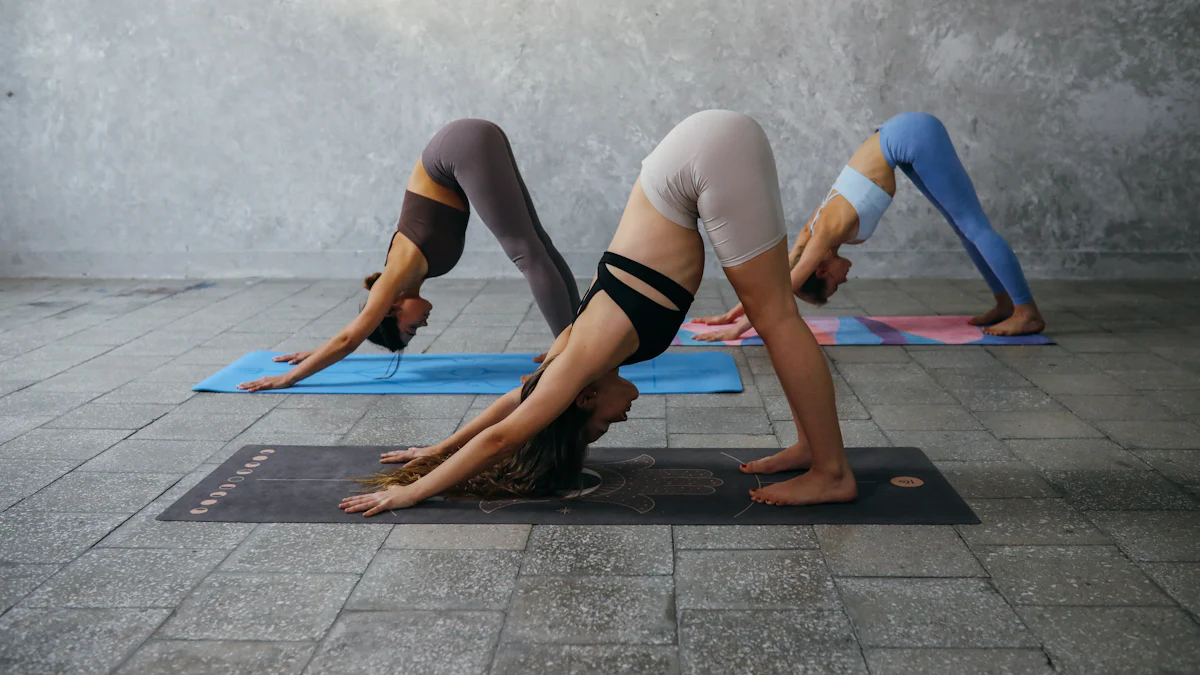
When faced with the choice between Pilates and Yoga as a beginner, it can feel overwhelming. Both forms of exercise offer unique benefits and can be adapted to your needs. Pilates is known for its ability to strengthen the body's core muscles and improve body control. There are many variations of Pilates, making it an excellent form of exercise for beginners. Yoga, on the other hand, focuses on flexibility and breathing, which can help you release both physical and mental tension. By understanding the differences between these two methods, you can choose the one that best suits your goals and preferences. Many discussions about pilates vs yoga reddit can provide additional insights and personal experiences from other beginners.
Introduction to Pilates
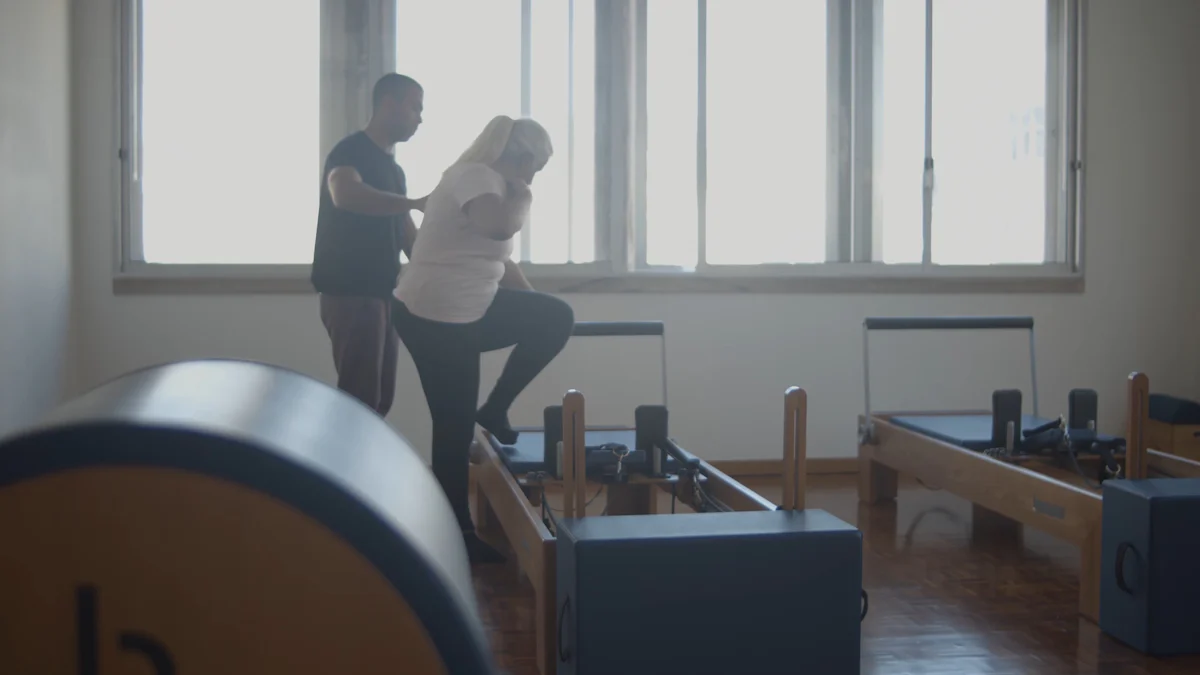
Image Source: pexels
Origins and History
Joseph Pilates and the Development of the Method
Joseph Pilates, a visionary in the field of physical education, developed the Pilates method in the early 1900s. After struggling with health issues in his youth, he focused on strengthening his body through various training methods. His work led to the creation of a unique form of exercise that combines strength, flexibility, and body control. Joseph opened a gym in New York with his wife Clara. This gym quickly became popular with the city's dancers, including the young ballerinas of the New York City Ballet.
Pilates popularity and spread
The Pilates method quickly spread from New York to the rest of the world. Many people discovered the benefits of this form of exercise, which led to an increased demand for Pilates classes and instructors. Today, Pilates is a global form of exercise that continues to grow in popularity.
Focus and principles
Core strength and body control
Pilates focuses on strengthening the body's core muscles. You learn to control your movements with precision, which improves your body control. By strengthening your core, you can also improve your posture and reduce the risk of injury.
Breathing and concentration
Breathing is a central part of Pilates training. You learn to use your breath to support your movements and increase your concentration. This conscious breathing helps you focus and improves your mental clarity during exercise.
Benefits of Pilates
Improved posture and flexibility
Pilates can help you improve your posture and increase your flexibility. Through regular practice, you can achieve a more balanced body and reduce tension in muscles and joints.
Reduced stress and increased mental clarity
Pilates also offers mental benefits. By focusing on breathing and body control, you can reduce stress and achieve increased mental clarity. This combination of physical and mental training makes Pilates an effective method for improving your well-being.
Equipment and environment
Mat and Reformers
When starting with Pilates, it is important to understand the equipment used. The most basic equipment is a Pilates mat. It provides support and comfort during the exercises. Another important piece of Pilates equipment is the reformer. This machine, developed by Joseph Pilates, helps you perform exercises with resistance. Reformer training can effectively improve your strength and flexibility. If you are a beginner, it may be a good idea to start with mat-based exercises before moving on to the reformer.
At home vs. studio
You can choose to do Pilates at home or in a studio. Each option has its advantages. Home training gives you flexibility and convenience. You can work out when it suits you best and at your own pace. To get started, all you need is a mat and possibly some simple equipment like a Pilates ball or bands.
On the other hand, working out in a studio offers a more structured environment. You get access to professional guidance and advanced equipment like the reformer. Instructors can help you perform the exercises correctly and customize them to your needs. The studio can also provide a sense of community and motivation when you work out with others.
Regardless of which option you choose, it is important that you feel comfortable and motivated to continue your Pilates journey.
Introduction to Yoga
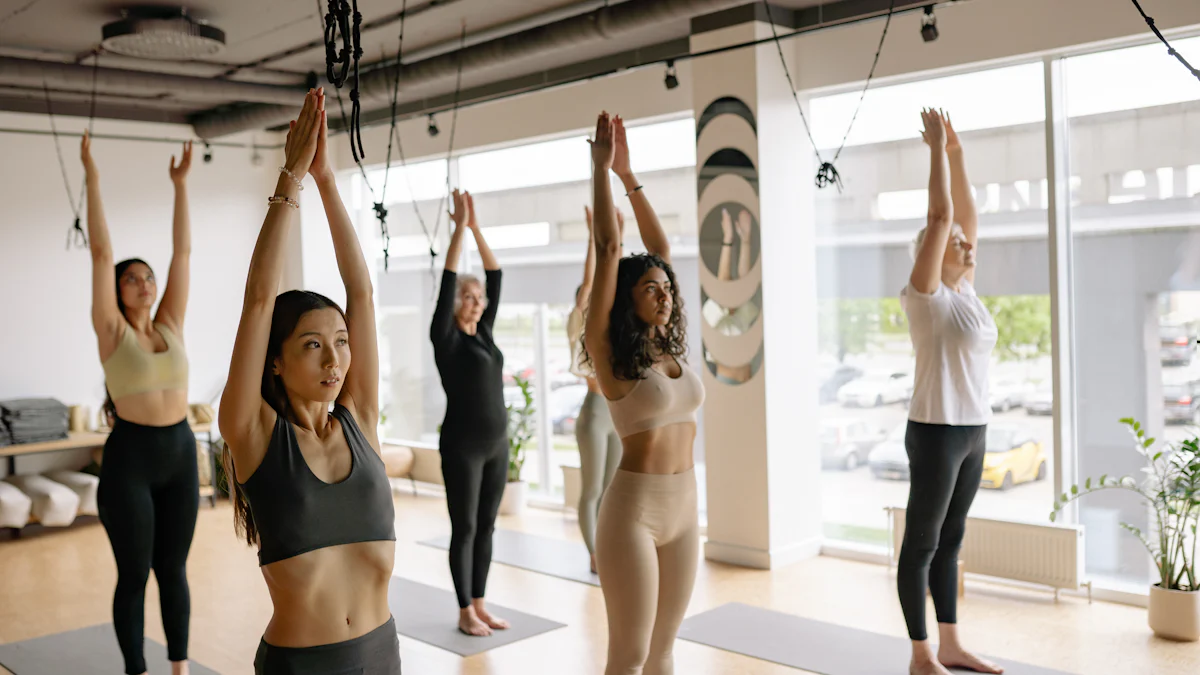
Image Source: pexels
Origin and History
Yoga's Roots in India
Yoga has its deep roots in India and has been practiced for thousands of years. Originally, yoga was developed as a spiritual and meditative practice to achieve unity between body and mind. By performing various postures and breathing techniques, practitioners could reach a higher level of awareness and inner peace. This traditional form of yoga has been preserved and further developed through generations.
Different forms of yoga and their evolution
Over the years, yoga has evolved and adapted to different cultures and needs. Today, there are many different forms of yoga, such as Hatha, Vinyasa, Ashtanga and Bikram. Each form has its own unique characteristics and areas of focus. Hatha yoga emphasizes basic postures and breathing, while Vinyasa focuses on flowing movements. Ashtanga is more intense and structured, and Bikram is performed in a heated room to promote flexibility and detox.
Focus and principles
Flexibility and balance
Yoga helps you develop flexibility and balance by performing different postures. These postures stretch and strengthen the muscles, which improves your posture and mobility. Through regular practice, you can achieve a more balanced body and reduce the risk of injury.
Meditation and breathing techniques
Meditation and breathing are central parts of yoga. You learn to focus on your breathing and use it to calm the mind and increase your awareness. By practicing meditation, you can reduce stress and achieve a deeper sense of inner peace. Breathing techniques also help you improve your lung capacity and energy levels.
Benefits of Yoga
Increased body awareness
Yoga increases your body awareness by learning to listen to your body and understand its signals. You become more aware of your movements and how they affect your body. This awareness helps you improve your posture and prevent injuries.
Stress reduction and mental clarity
Yoga is known for its stress-reducing effects. By combining physical exercises with meditation and breathing, you can reduce stress and achieve increased mental clarity. This combination of physical and mental training makes yoga an effective method for improving your well-being and quality of life.
Equipment and environment
Yoga mat and blocks
When starting yoga, it is important to have the right equipment to support your practice. A yoga mat is the most basic piece of equipment. It provides you with a stable and non-slip surface, which is essential for performing different poses safely. Yoga mats come in different thicknesses and materials, so you can choose one that suits your needs and preferences.
In addition to the mat, yoga blocks can be a great help, especially for beginners. These blocks help you reach and hold poses that might otherwise be difficult. They provide support and stability, allowing you to focus on improving your technique and flexibility. Yoga blocks are often made of foam or cork and come in different sizes.
Home vs. Studio
You can choose to practice yoga at home or in a studio, depending on what suits you best. Home training offers flexibility and convenience. You can practice whenever it suits you and at your own pace. To get started, all you need is a yoga mat and possibly some blocks. There are many online resources and videos that can guide you through different yoga poses.
Working out in a studio provides a different experience. You get access to professional guidance from instructors who can help you perform the poses correctly. The studio also offers a structured environment where you can focus entirely on your practice. Plus, you can benefit from the community and motivation that comes from working out with others.
Whether you choose to practice at home or in a studio, it is important that you feel comfortable and motivated to continue your yoga journey. Both options have their advantages, and the most important thing is that you find a routine that works for you.
Comparison between Pilates and Yoga
Similarities
Focus on Breathing and Mental Clarity
Both Pilates and Yoga emphasize the importance of breathing and mental clarity. When you practice these forms of exercise, you learn to use your breath to support your movements and focus your mind. This conscious breathing helps you achieve a deeper sense of inner peace and improves your mental clarity. By focusing on your breath, you can also reduce stress and increase your awareness of your body.
Improved flexibility and strength
Both Pilates and Yoga help to improve your flexibility and strength. By performing different exercises and postures, you stretch and strengthen your muscles, which leads to a more balanced body. Regular exercise helps to improve your posture and reduce the risk of injury. Regardless of which method you choose, you will notice a positive change in your physical capacity.
Differences
Different training goals and methods
Pilates and Yoga have different training goals and methods. Pilates focuses on strengthening the body's core muscles and improving body control. You learn to perform movements with precision and control, which strengthens your body and improves your posture. Yoga, on the other hand, has its roots in India and emphasizes flexibility, balance and spiritual development. By performing various postures and breathing techniques, you can achieve a higher level of awareness and inner peace.
Use of Equipment
Another difference between Pilates and Yoga is the use of equipment. In Pilates, machines such as the reformer are often used to perform the exercises with resistance. This equipment helps you improve your strength and flexibility in an effective way. Yoga is usually performed with your body weight and without machines. You only need a yoga mat and possibly a few blocks to support your practice. This simplicity makes yoga accessible to everyone, no matter where you are.
When considering pilates vs yoga reddit, you can find many discussions and personal experiences that can help you choose the method that best suits your goals and preferences.
Frequently Asked Questions
Which is best for beginners?
Factors to Consider
When considering whether Pilates or Yoga is best for you as a beginner, there are several factors to consider:
-
Goals and Preferences: If you want to focus on strengthening your core and improving body control, Pilates may be the right choice. However, if you are looking to increase flexibility and reduce stress through breathing and meditation, Yoga may be a better fit.
-
Physical Fitness and Injuries: Pilates may be more accessible to beginners or those with injuries, as the exercises can be scaled down more easily than in Yoga. However, Yoga can also be adapted to suit different levels of physical fitness.
-
Availability and Equipment: Pilates often requires more equipment, such as a reformer, while Yoga usually only requires a yoga mat and possibly a yoga block. Yoga blocks can help you reach deeper into poses and provide extra support and stability.
-
Environment and Learning: Consider whether you prefer to practice at home or in a studio. Home training provides flexibility, while a studio offers professional guidance and a sense of community.
Can you combine the two?
Benefits of combining Pilates and Yoga
Combining Pilates and Yoga can provide a balanced workout routine that offers the best of both worlds:
-
Holistic training: By combining these methods, you can strengthen both the body's core muscles and increase your flexibility. Pilates provides strength and stability, while Yoga promotes balance and mobility.
-
Mental and physical balance: Pilates focuses on body control and precision, while Yoga offers meditation and breathing techniques. Together, they can improve both your physical and mental health.
-
Variation and Motivation: Alternating between Pilates and Yoga can keep your workout interesting and motivating. Variety in your workout can also help prevent injuries and overtraining.
By incorporating both Pilates and Yoga into your routine, you can achieve a more complete and balanced workout experience.
When choosing between Pilates and Yoga as a beginner, it is important to understand their unique characteristics. Pilates focuses on core strength and body control, often with the help of machines. Yoga emphasizes flexibility and meditation, using body weight as the primary tools. Both methods improve mental clarity and physical strength.
"Yoga stretches the muscles without tension, while Pilates creates tension in the muscle fibers."
For beginners, it is recommended to choose based on your goals. If you want to strengthen your core, choose Pilates. If you are looking for inner peace and flexibility, choose Yoga. Feel free to combine both for a balanced workout.
See also
Yoga at Home: A Beginner's Guide to Powerful Exercises
Yoga at Home: A Beginner's Guide to Learning
Yoga Exercises for Runners: Optimal Flexibility



