
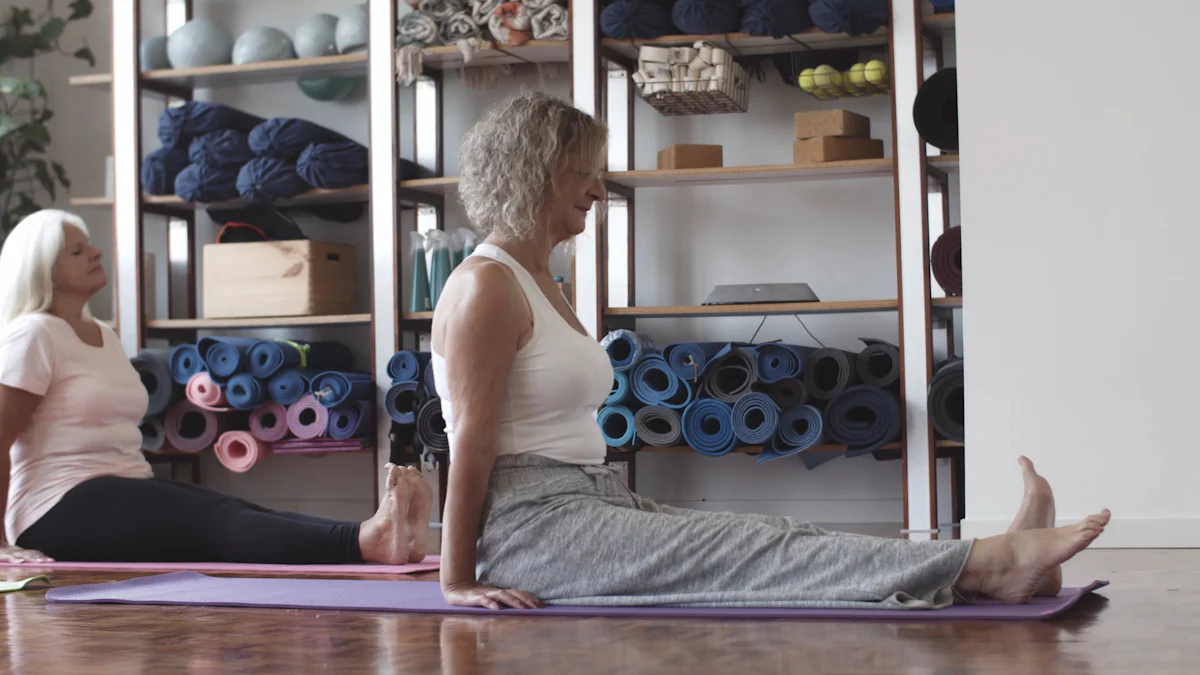
How to integrate the principles of yoga into your daily routine
How to Integrate Yoga Principles into Your Daily Routine
Image Source: Pexels
Yoga principles can transform your daily life by improving your physical and mental well-being. By integrating these principles, such as mindfulness and compassion, you can experience a significant reduction in stress. In fact, 82% of people who practice yoga report less stress. Furthermore, yoga is not limited to physical postures. It's about applying its teachings to every aspect of your life, promoting healthier relationships and greater inner peace. By embracing these principles, you can cultivate a more balanced and mindful life. ## Understanding Yoga Principles
The Yamas: Ethics Toward Others
The Yamas represent ethics and morality toward others. These yoga principles guide you to live in harmony with the world around you.
Ahimsa: Nonviolence in Actions and Thoughts
Ahimsa, or nonviolence, invites you to practice peace in every aspect of your life. By avoiding physical and emotional harm, you cultivate an environment of respect and love. You can begin with small gestures, such as speaking kindly or avoiding negative thoughts toward yourself and others. This principle fosters healthier relationships and a more compassionate community.
Satya: Practicing Truth and Honesty
Satya encourages you to be honest with yourself and others. Truth refers not only to words but also to your actions and thoughts. By practicing Satya, you build trust and authenticity in your relationships. Honesty frees you from the burden of lies and allows you to live with integrity.
The Niyamas: Personal Discipline
The Niyamas are principles of yoga that focus on self-discipline and personal growth. They help you cultivate a more mindful and balanced life.
Saucha: Purity in Body and Mind
Saucha refers to purity, both physical and mental. Maintaining a clean body and a clear mind allows you to experience greater inner peace. You can practice Saucha through a healthy diet, regular exercise, and meditation. By cleansing your environment and your thoughts, you create a space conducive to well-being.
Santosha: Cultivating Contentment
Santosha teaches you to find contentment in the present moment. Instead of constantly seeking more, you learn to appreciate what you have. This principle helps reduce stress and anxiety, promoting a happier and more fulfilling life. Practicing Santosha involves accepting your circumstances and finding joy in the small things.
The Yamas and Niyamas are the ethical foundations of yoga that guide people's conduct and behavior. By integrating these principles of yoga into your daily life, you can experience significant spiritual progress and an improvement in your quality of life.
Mindful Breathing Practices

Image Source: pexels
Mindful breathing is a powerful tool that you can easily integrate into your daily life. By focusing on your breath, you can reduce stress and improve your emotional well-being. Regular conscious breathing practice helps you stay calm in challenging situations and better manage your emotions.
Pranayama: Breath Control
Pranayama is a yoga practice that focuses on breath control. Through specific techniques, you can learn to regulate your breathing to improve your physical and mental health.
Basic Breathing Techniques to Reduce Stress
-
Abdominal Breathing: Place one hand on your abdomen and the other on your chest. Inhale deeply through your nose, allowing your abdomen to expand. Exhale slowly through your mouth. This technique helps you relax your body and mind.
-
Alternate Nostril Breathing: Gently close your right nostril with your thumb and breathe in through your left. Then, close your left nostril with your ring finger and breathe in through your right. Repeat the process, alternating nostrils. This technique balances the nervous system and reduces anxiety.
-
Four-Count Breathing: Inhale for a count of four, hold your breath for four, exhale for a count of four, and hold your breath for four. This technique improves concentration and calms the mind.
Studies on the Benefits of Pranayama: According to the International Journal of Stress Management, regular conscious breathing practice reduces perceived stress and improves emotional resilience.
Benefits of Conscious Breathing in Daily Life
Conscious breathing offers numerous benefits that you can experience in your daily life:
-
Stress Reduction: The journal Frontiers in Immunology published a study that demonstrated that practicing yoga for eight weeks decreased levels of cortisol (the stress hormone) by 35%.
-
Improved Emotional Well-being: The World Health Organization (WHO) states that yoga reduces anxiety and stress, increasing feelings of emotional and social well-being.
-
Increased Resilience: By practicing mindful breathing, you develop a greater capacity to face difficult situations with calm and clarity.
Incorporating these mindful breathing practices into your daily routine will allow you to enjoy a more balanced and fulfilling life. By dedicating a few minutes each day to these techniques, you can significantly transform your physical and emotional well-being.
Meditation as a Daily Tool
Introduction to Meditation
Meditation is one of the most powerful tools that yoga offers for managing stress and improving overall well-being. By incorporating meditation into your daily routine, you can experience positive changes in your mind and body. Regular meditation practice not only reduces stress but also transforms how you perceive reality, cultivating positive emotions and promoting a more balanced life.
How to Start a Daily Meditation Practice
Starting a daily meditation practice may seem challenging at first, but with a few simple steps, you can easily integrate it into your life:
-
Find a quiet place: Find a space in your home where you can sit comfortably without distractions. A serene environment will help you focus better.
-
Set a regular schedule: Dedicate a specific time each day to meditate. Consistency is key to developing a habit. You can start with just five minutes a day and gradually increase the time.
-
Focus on your breath: Close your eyes and bring your attention to your breath. Inhale and exhale deeply, feeling the air enter and leave your body. This will help calm your mind and focus on the present moment.
-
Be patient with yourself: Meditation is a personal journey. Don't worry if your mind wanders at first. Over time, you will learn to redirect your focus to your breath and the present moment.
Rajesh Ananda, a meditation expert, states: "Twenty minutes a day of meditation helps to mitigate stress and lower blood pressure." This testimony highlights the importance of regular practice to obtain tangible benefits.
Benefits of Meditation for the Mind and Body
Meditation offers a wide range of benefits that impact both the mind and body:
-
Stress Reduction: Meditation teaches you to perceive reality in a less stressful way. By cultivating positive emotions, you can face daily challenges with greater calm and clarity.
-
Improved Mental Health: Regular meditation practice strengthens emotional resilience, helping you better manage your emotions and maintain a balanced state of mind.
-
Brain Transformation: According to research, meditation can change the brain's structure, improving attention span and promoting lasting well-being.
As Perla Kaliman, biochemist and researcher, points out, "meditation is an excellent way to learn to perceive reality in a less stressful way and to cultivate positive emotions." This change has highly recommended short- and long-term consequences for well-being and health.
Incorporating meditation into your daily routine can be a transformative step toward a fuller and more conscious life. By dedicating a few minutes each day to this practice, you can experience a significant improvement in your physical and emotional well-being.
Incorporating Asanas into Your Daily Routine
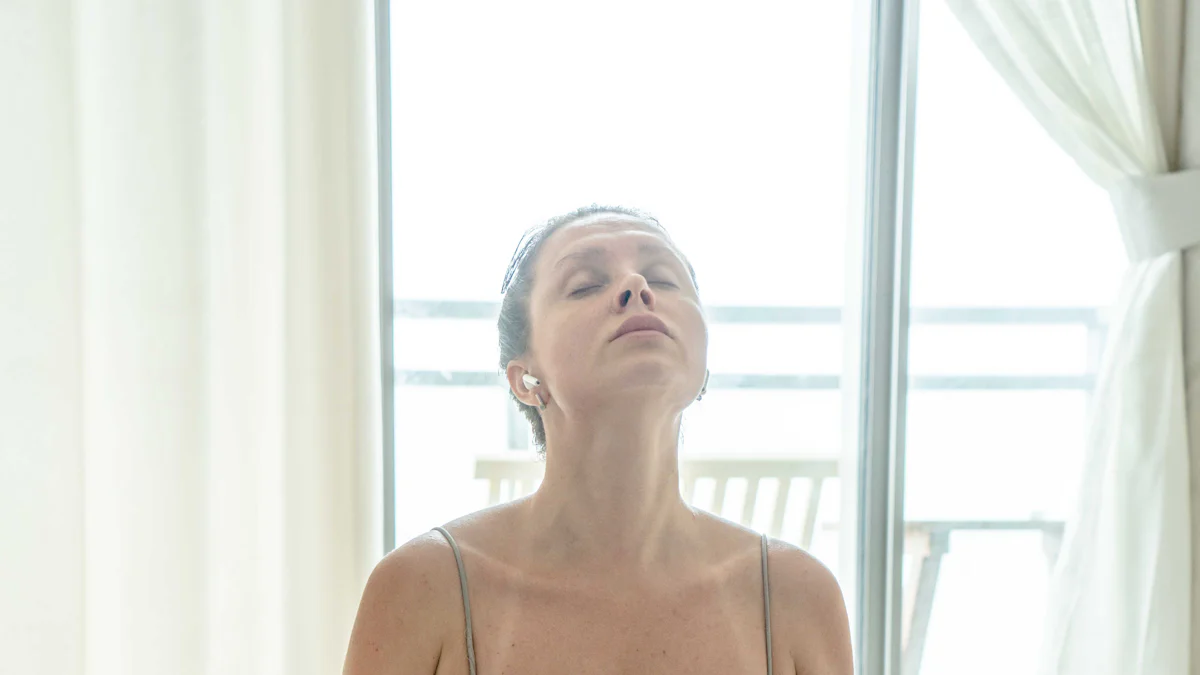
Image Source: pexels
Incorporating asanas into your daily routine can transform your physical and mental well-being. Asanas, or yoga postures, not only improve flexibility and strength, but also promote a balanced state of emotional health. By practicing regularly, you can experience a reduction in pain perception and an improvement in your quality of life.
Simple Asanas to Practice at Home
Practicing yoga at home offers you the freedom to adapt the poses to your needs and schedule. Here are some simple asanas that you can easily integrate into your daily routine.
Poses to Improve Flexibility and Strength
-
Tadasana (Mountain Pose): This basic pose helps improve posture and strengthen leg muscles. Stand with your feet together, arms at your sides, and weight evenly distributed. As you inhale, raise your arms overhead and lengthen your entire body upward.
-
Bhujangasana (Cobra Pose): Ideal for strengthening the back and increasing spinal flexibility. Lie face down, place your hands under your shoulders, and as you inhale, lift your chest off the floor, keeping your elbows slightly bent.
-
Virabhadrasana I (Warrior I Pose): This pose strengthens the legs and improves balance. Step forward with your right foot, bend your knee, and raise your arms toward the sky. Keep your back leg straight and your foot firmly on the ground.
Benefits of NeuroBioYoga: Daily practice of these asanas promotes a balanced state of physical, mental, and emotional health, helping you cope with stress and anxiety with greater serenity.
How to Adapt Asanas to Your Daily Needs
Everyone is unique, and your needs may vary from day to day. Here are some tips for adapting asanas to your routine:
-
Listen to your body: If you feel pain or discomfort, adjust the posture or use props such as blocks or straps to facilitate movement.
-
Set a Schedule: Dedicate a specific time of day to practicing yoga. It can be in the morning to energize you or at night to relax before bed.
-
Be consistent: The key to reap the benefits is regularity. Even a few minutes a day can make a big difference to your well-being.
Yoga for chronic pain: Regular yoga practice can reduce chronic pain, especially in areas like the lower back, and is recommended as a first-line treatment for lower back pain.
By integrating these asanas into your daily routine, you will not only improve your flexibility and strength, but you will also cultivate a sense of inner peace and overall well-being. Start today and feel the transformation in your life!
The Importance of Mindfulness
Mindfulness is a fundamental principle of yoga that you can integrate into your daily life to improve your well-being. By practicing mindfulness, you focus on the present moment, allowing you to experience greater mental and emotional clarity. This conscious focus helps you reduce stress and improve your quality of life.
Living in the Present Moment
Living in the present moment means being fully immersed in what you are doing, without distractions or worries about the past or future. This principle of yoga invites you to enjoy every moment and find beauty in the everyday.
Techniques for Practicing Mindfulness in Everyday Activities
-
Start the day with gratitude: Upon waking, take a few minutes to reflect on the things you are grateful for. This sets a positive tone for the day and helps you maintain an optimistic outlook.
-
Eat mindfully: During meals, pay attention to the flavors, textures, and aromas of your food. Chew slowly and savor each bite. This practice not only improves digestion but also connects you with the present moment.
-
Listen actively: When speaking with someone, listen attentively and without interrupting. This strengthens your relationships and allows you to better understand others.
-
Walk mindfully: As you walk, feel the contact of your feet with the ground and observe your surroundings. This practice helps clear your mind and reduce stress.
Scientific Evidence: According to PsicologiaMonzo.com, mindfulness relieves stress and improves mental health, demonstrating its effectiveness as a wellness tool.
How Mindfulness Improves Quality of Life
Mindfulness has a positive impact on various aspects of your life. By practicing it, you experience an improvement in your mental and emotional health. Meditation, a key mindfulness practice, protects the brain from cognitive decline and improves attention, according to Generali.es. Furthermore, MuyInteresante.com highlights that mindfulness increases connectivity between key neurological areas, contributing to more efficient brain function.
Mindfulness also benefits children in the school environment. TheConversation.com points out that it improves attention, emotional regulation, and behavior, promoting holistic development.
By integrating these yoga principles into your daily routine, you can experience a significant transformation in your quality of life. Mindfulness allows you to live more consciously and enjoy every moment to the fullest.
Practical Tips for Integrating Yoga into Your Life
Creating Space and Time for Practice
To integrate yoga into your daily life, it's essential to create a dedicated space and time for practice. This will not only help you establish a routine but will also allow you to enjoy the benefits of yoga more effectively.
Establishing a Yoga Routine That Fits Your Lifestyle
-
Find a Quiet Place: Designate a corner of your home where you can practice without distractions. A clean and tidy space will help you concentrate better.
-
Set a Regular Schedule: Choose a time of day that works for you, whether it's in the morning to start your day with energy or in the evening to relax before bed. Consistency is key to developing a habit.
-
Adapt the Practice to Your Needs: You don't need to dedicate hours to yoga. Even a few minutes a day can make a significant difference. Listen to your body and adjust the duration and intensity of your practice according to your needs.
Yoga not only strengthens the body, but also balances the nervous system and improves respiratory capacity. By establishing a routine, you can experience these benefits continuously.
Overcoming common obstacles to maintaining your practice
-
Identify your barriers: Recognize what prevents you from practicing regularly. It could be a lack of time, motivation, or space. By identifying these obstacles, you can find effective solutions.
-
Set realistic goals: Start with small, achievable objectives. As you become more comfortable, you can increase the duration or frequency of your sessions.
-
Seek support: Share your intention to practice yoga with friends or family. They can motivate and support you along the way. You can also join online communities to share experiences and advice.
-
Celebrate your achievements: Acknowledge and celebrate every small step forward. This will keep you motivated and remind you why you started practicing yoga in the first place.
_The practice of yoga is a personal journey that connects you with your true self. As you overcome obstacles, you not only improve your physical well-being but also strengthen your sense of self and self-esteem.
By integrating these tips into your daily life, you can create a yoga practice that not only fits your lifestyle but also helps you achieve inner peace and emotional balance. Start today and discover the transformative power of yoga!
Integrating yoga principles into your daily life can transform your physical and mental well-being. By practicing yoga, you experience a deeper connection with your body and mind. An organic yoga practitioner shares:
"I've done the diaphragm release workshop and some organic yoga practices, and it's been a huge success for my body and mind."
To begin, establish a quiet space and a regular schedule. Don't worry about perfection; consistency is key. Reflect on how yoga can improve your quality of life, and I invite you to take the first step toward a more mindful and balanced life.
See also
Keys to Improving Your Daily Yoga Practice
Everything You Need to Choose Your Perfect Yoga Practice
How Yoga Can Improve Your Intimate Life



