
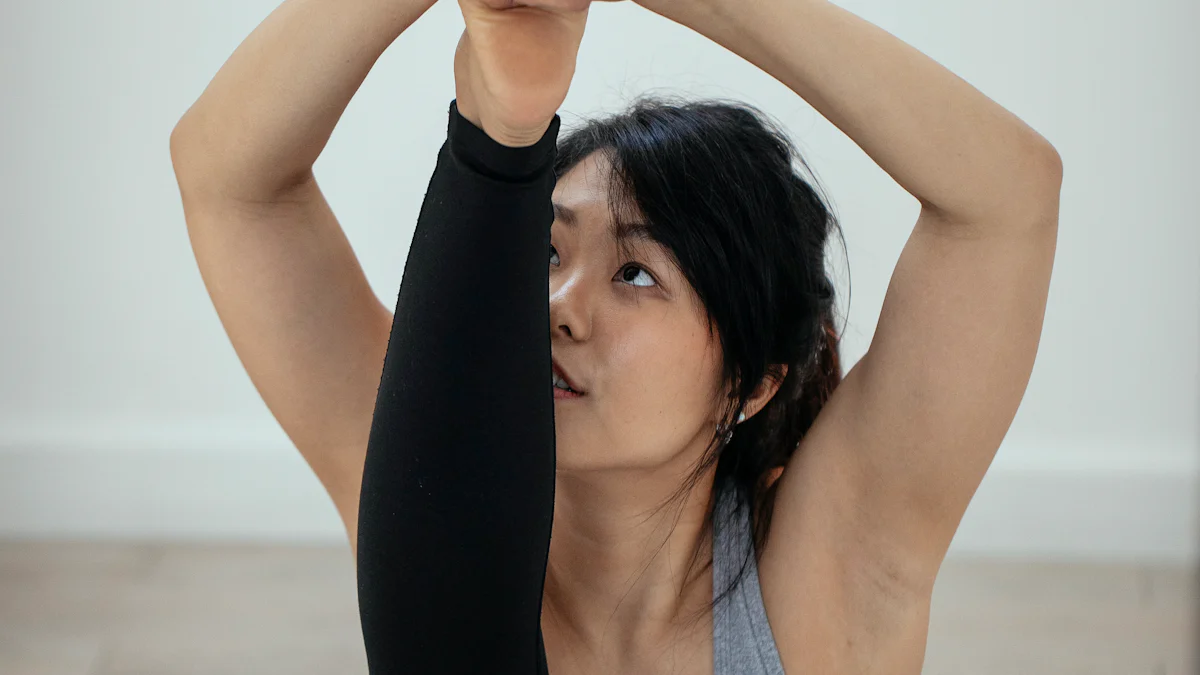
How Yoga Can Improve Your Flexibility
How Yoga Can Improve Your Flexibility (https://statics.mylandingpages.co/static/aaanxdmf26c522mp/image/2ecc106c00274be19adb707e0eff9b17.webp)
Image Source: pexels (https://pexels.com)
Yoga offers a wonderful way to improve your flexibility. Through slow, controlled movements, you can release muscle tension and increase joint flexibility. Regular practice allows you to gain greater mobility and strength. In fact, one study showed that after eight weeks of yoga, participants experienced significant improvements in flexibility and balance. It's no surprise that 61% of people start practicing yoga specifically to improve their flexibility. Discover how yoga stretching exercises can transform your body and your life.
Benefits of Yoga for Flexibility
Practicing yoga regularly offers a range of benefits that go beyond simply improving flexibility. Discover how yoga can transform your body and mind.
Improved Joint Mobility
Yoga is a powerful ally for improving joint mobility. Through specific poses, such as Setu Bandha Sarvangasana, you can increase flexibility in your hips and back. These movements help lubricate joints, reducing the risk of musculoskeletal problems. One study showed that practicing yoga twice a week significantly improved balance and flexibility, also supporting athletic performance.
Reduction of Muscle Tension
Muscle tension can limit your range of motion and cause discomfort. Yoga, with its slow, controlled movements, helps release these tensions. Stretching exercises in yoga improve blood circulation, helping maintain healthy cartilage. Regular practice allows you to relax and increase focus in daily activities.
Increased Body Awareness
Yoga is not just a physical exercise, but also a journey towards greater bodily awareness. During practice, you learn to perceive your body more deeply, recognizing areas of tension and working to release them. This awareness helps you move with greater grace and confidence in everyday life. Furthermore, breathing becomes a powerful tool for improving muscle elasticity during asanas, making each movement more fluid and natural.
Effective Yoga Stretching Exercises
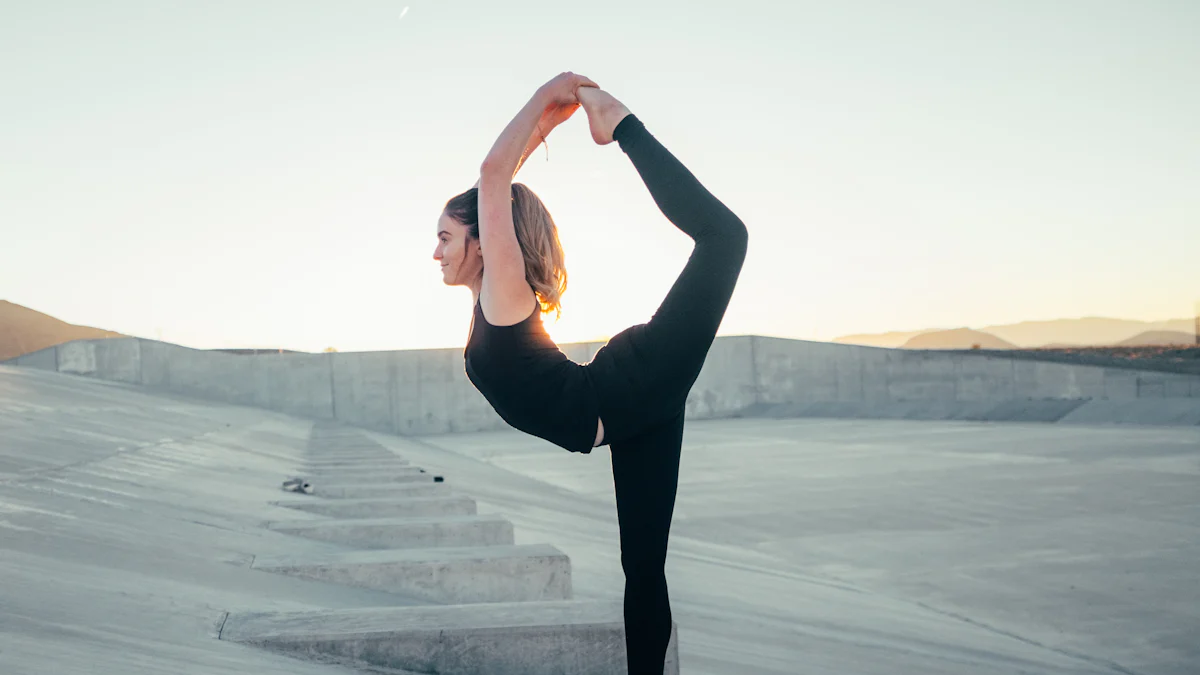
Image Source: unsplash
Discovering yoga stretching exercises can transform your flexibility and overall well-being. These exercises not only lengthen your muscles, but also improve your body awareness and your ability to relax. Here are some poses you can incorporate into your daily routine for amazing results.
Downward-Facing Dog (Adho Mukha Svanasana)
Downward-Facing Dog is a classic yoga pose that offers numerous benefits. When you place your hands and feet on the ground, forming an inverted "V," you lengthen your spine and strengthen your arms and legs. This pose helps improve blood circulation and reduce muscle tension. Remember to breathe deeply as you hold the pose, allowing your body to relax and further lengthen.
Warrior Pose II (Virabhadrasana II)
Warrior Pose II is a powerful yoga stretching exercise that strengthens the legs and opens the chest. Start with your feet apart, bend your front knee, and extend your arms out to the sides. This pose improves balance and stability while lengthening the muscles of the legs and hips. Keep your gaze fixed on your front hand and breathe deeply to increase your concentration and awareness.
Butterfly Pose (Baddha Konasana)
Butterfly Pose is ideal for stretching the inner thigh muscles and improving hip flexibility. Sit with the soles of your feet together and your knees bent outward. As you lean slightly forward, feel the stretch in your leg muscles. This pose is perfect for relaxing and improving your posture. Breathe deeply and allow your body to open and relax.
Paul Poirier, researcher, says: "Our study shows that structured yoga practices can be a healthier addition to aerobic exercise than simple muscle stretching."
Integrating these yoga stretching exercises into your daily routine can lead to significant improvements in your flexibility and overall well-being. Get started today and discover how yoga can transform your body and your life.
Bridge Pose (Setu Bandhasana)
Bridge Pose, also known as Setu Bandhasana, is a yoga exercise that can transform your flexibility and overall well-being. When you perform this pose, you lift your hips upward while your shoulders and feet remain on the floor. This movement lengthens the spine and opens the chest, improving flexibility in the back and hips.
Here's how to perform Bridge Pose:
-
Lie on your back with your knees bent and your feet flat on the floor, hip-width apart.
-
Place your arms at your sides, palms facing down.
-
Inhale and lift your hips toward the ceiling, keeping your shoulders and feet firmly on the floor.
-
Hold the pose for a few deep breaths, feeling the stretch in your back and chest.
-
Exhale and slowly lower your hips to the floor.
This pose not only improves flexibility, but also strengthens the muscles of your legs and back. Paul Poirier, researcher, says:
"Our study shows that structured yoga practices can be a healthier addition to aerobic exercise than simple muscle stretching."
Integrating Bridge Pose into your yoga stretching routine will help you develop greater body awareness and improve your posture. Remember to focus on your breathing as you hold the pose, allowing your body to relax and further lengthen. Get started today and discover how this simple pose can transform your flexibility and well-being.
Importance of Breath and Awareness

Image Source: pexels
Breathing and awareness are two fundamental pillars of yoga practice. These elements not only improve your flexibility, but also transform your daily life experience. Learning to breathe correctly and be aware of your body helps you experience every moment with greater intensity and presence.
Breathing Techniques for Flexibility
Breathing is your most powerful ally in yoga. When you breathe deeply and consciously, you send oxygen to your muscles, helping them relax and lengthen. Here are some breathing techniques you can incorporate into your practice:
-
Diaphragmatic Breathing: Inhale deeply through your nose, expanding your abdomen. Exhale slowly, allowing your abdomen to contract. This technique calms the mind and prepares the body for the stretch.
-
Ujjayi Breathing: Also known as "victorious breath," this technique involves breathing through your nose with a slight constriction of the throat. The resulting whisper-like sound helps you maintain focus and improve flexibility.
-
Alternate Nostril Breathing: Alternate inhalation and exhalation between your nostrils. This technique balances the nervous system and increases breath awareness.
"When you can fully experience every minute of practice, enjoying every breath, you discover a new dimension of well-being and flexibility."
Body Awareness During Practice
Being aware of your body during yoga practice allows you to recognize areas of tension and work to release them. This awareness guides you towards more fluid and natural movements. Here's how you can develop greater body awareness:
-
Listen to your body: During each asana, pay attention to how your body feels. If you feel tension or discomfort, adjust the pose to find balance.
-
Focus on the present: Let go of thoughts of the past and future. Focus on the present moment, feeling every movement and breath.
-
Integrate mindfulness into daily life: Even off the mat, practice mindfulness in every gesture and thought. This helps you live with greater grace and serenity.
"When you can't be on the mat, commit to practicing yoga in every gesture, thought, word, and moment."
Integrating breath and awareness into your yoga practice will lead you to discover a new dimension of flexibility and well-being. Start exploring these techniques today and see how they transform your life.
How to Integrate Yoga into Your Daily Routine
Integrating yoga into your daily routine may seem like a challenge, but with a little planning and determination, you can transform this practice into a healthy and rewarding habit. Here's how to get started.
Create a Regular Practice Schedule
To get the most benefits from yoga, it's essential to create a regular practice schedule. Start by setting a fixed time each day to practice yoga. Even just 15-30 minutes a day can make a big difference. Choose a time of day when you feel most energetic and least distracted. Early morning or evening can be ideal for many. Remember that consistency is the key to improving your flexibility and overall well-being.
Tips for Practicing at Home
Practicing yoga at home offers the convenience of adapting your practice to your personal needs. Here are some tips to get you started:
-
Create a dedicated space: Find a quiet corner of your home where you can roll out your mat and practice uninterrupted.
-
Use online resources: There are numerous videos and apps that offer guided yoga classes. These resources can help you stay motivated and learn new poses.
-
Listen to your body: During your practice, pay attention to how your body feels. Don't force poses and modify the exercises based on your abilities.
"When you can fully experience every minute of practice, enjoying every breath, you discover a new dimension of well-being and flexibility."
Join Yoga Classes for Support and Motivation
Joining yoga classes can offer support and motivation. Group classes allow you to connect with other practitioners and receive feedback from experienced instructors. This environment can encourage you to push yourself and improve your practice. Furthermore, structured classes can help you maintain a steady pace and explore new breathing techniques and yoga stretching exercises.
Integrating yoga into your daily routine can transform your life, improving your flexibility, your balance, and your overall well-being. Get started today and discover how this practice can enrich every aspect of your life.
Common Mistakes to Avoid
When you start practicing yoga, it's natural to want to progress quickly. However, it's important to avoid some common mistakes that can compromise your experience and well-being.
Forcing Poses
Forcing poses is one of the most common mistakes among beginners. When you try to reach a position that's too advanced, you risk injury. Remember that yoga is a personal journey. Every body is different and has its own limits. Listen to your body and respect its signals. If you feel tension or discomfort, stop and adjust the pose. Flexibility improves with time and consistent practice.
"Yoga practice has taught me to be more present and aware of my body and thoughts," says an experienced practitioner. This awareness helps you avoid pushing yourself beyond your limits.
Ignoring Pain
Ignoring pain is another mistake that can lead to injury. Pain is your body's way of telling you that something is wrong. Don't ignore it. If you feel pain during a pose, stop immediately and consult an experienced instructor. Yoga should be a pleasant and relaxing experience, not painful. Focus on your breathing and awareness to guide you through a safe and rewarding practice.
"When you can fully experience every single minute of practice, enjoying every breath, you discover a new dimension of well-being and flexibility."
Avoiding these common mistakes will help you fully enjoy the benefits of yoga. Remember that practice is a journey, not a destination. With patience and dedication, you will discover a new dimension of well-being and flexibility.
Testimonials from Yoga Practitioners
Experiences of Improving Flexibility
Many yoga practitioners have shared their experiences of improving flexibility, demonstrating how this practice can transform the body and mind. When you begin practicing yoga, you may notice small changes in your flexibility. Over time, these changes become significant.
-
Maria, a yoga practitioner for two years, says: "At first, I couldn't touch my toes. Now, thanks to consistent practice, I can do poses I never imagined I could do."
-
Luca, a sports enthusiast, found that yoga improved his athletic performance: "My flexibility has increased significantly. This has helped me prevent injuries and improve my endurance."
-
Giulia has found yoga to relieve stress and improve her posture: "Regular practice has taught me to breathe properly and release muscle tension. Now I feel lighter and more balanced."
These experiences demonstrate that yoga not only improves flexibility but also enriches the quality of life.
Expert Advice
Yoga experts offer valuable tips for maximizing the benefits of practice and improving flexibility safely and effectively.
-
Listen to your body: Experts emphasize the importance of listening to your body. If you feel pain or discomfort, it's crucial to stop and adjust the pose. Yoga should be a pleasant, painless experience.
-
Maintain correct posture: Correct alignment is essential to avoid excessive strain on muscles and joints. Use a mirror or ask a teacher to correct your alignment during practice.
-
Integrate the breath: Breathing is a key element in yoga. Techniques such as diaphragmatic breathing and Ujjayi breathing help relax muscles and improve flexibility.
-
Practice regularly: Consistency is the key to improving flexibility. Even short daily sessions can yield surprising results.
"A yoga teacher is the security of not hurting yourself or making mistakes: think carefully before attempting exercises on your own," advises one expert.
By following these tips, you can improve your flexibility and fully enjoy the benefits of yoga. Start today and discover how this practice can transform your life.
Yoga is an accessible and effective way to improve your flexibility. Starting with simple poses and practicing regularly leads to significant improvements. The body becomes more flexible and relaxed, increasing your attention and concentration in daily activities. You don't have to be flexible to start; consistent practice will guide you toward greater mobility and overall well-being.
Start your yoga practice today and discover the benefits for your flexibility. Over time, you'll notice how your body and mind transform, making every movement more fluid and natural.
See also
Discover How Yoga Increases Your Flexibility
The Role of Yoga in Improving Flexibility
Yoga Practices to Improve Flexibility Every Day



