

How Yoga Boosts Mental and Physical Health
Image Source: pexels
Yoga is an ancient practice that offers significant benefits for mental and physical health. Through yoga, you can reduce stress and improve your flexibility. Over 85% of practitioners report a reduction in stress, while more than 55% notice [improvement in their sleep]. Yoga [enhances power](https://istrikala.gr/%CE%B5%CE%BD%CE%B7%CE%BC%CE%AD%CF%81%CF%89%CF%83%CE%B7/%CE%B3%CE%B5%CE%BD%CE%B9%CE%BA%CE%AC/%CE%B7-%CE%B3%CE%B9%CF%8C%CE%B3%CE%BA%C E%B1-%CE%B2%CE%B5%CE%BB%CF%84%CE%B9%CF%8E%CE%BD%CE%B5%CE%B9-%CF%84%CE%B7%CE%BD-% CF%80%CE%BF%CE%B9%CF%8C%CF%84%CE%B7%CF%84%CE%B1-%CE%B6%CF%89%CE%AE%CF%82-%CE%BA/) and balance, contributing to the overall quality of life. By incorporating yoga into your daily routine, you can enjoy the benefits of yoga on the body and improve your well-being.
Improving Emotional Health
Reducing Anxiety and Depression
Yoga is an effective method for reducing anxiety and depression. With the practice of yoga, you can achieve relaxation and reduce stress levels. Research shows that yoga can have positive effects on mild depression and insomnia, even in people who are not taking related medications. Yoga can work biochemically in ways similar to antidepressants, offering relief from the symptoms of depression.
Enhances Focus and Self-Awareness
Yoga is not just about physical exercise. Through yoga, you can enhance your focus and self-awareness. The breathing techniques and postures of yoga help to focus the mind and understand your emotions. Practicing yoga can improve memory and concentration, contributing to positive mental health. By incorporating yoga into your daily life, you can develop a deeper understanding of yourself and improve your mental well-being.
Pain Relief
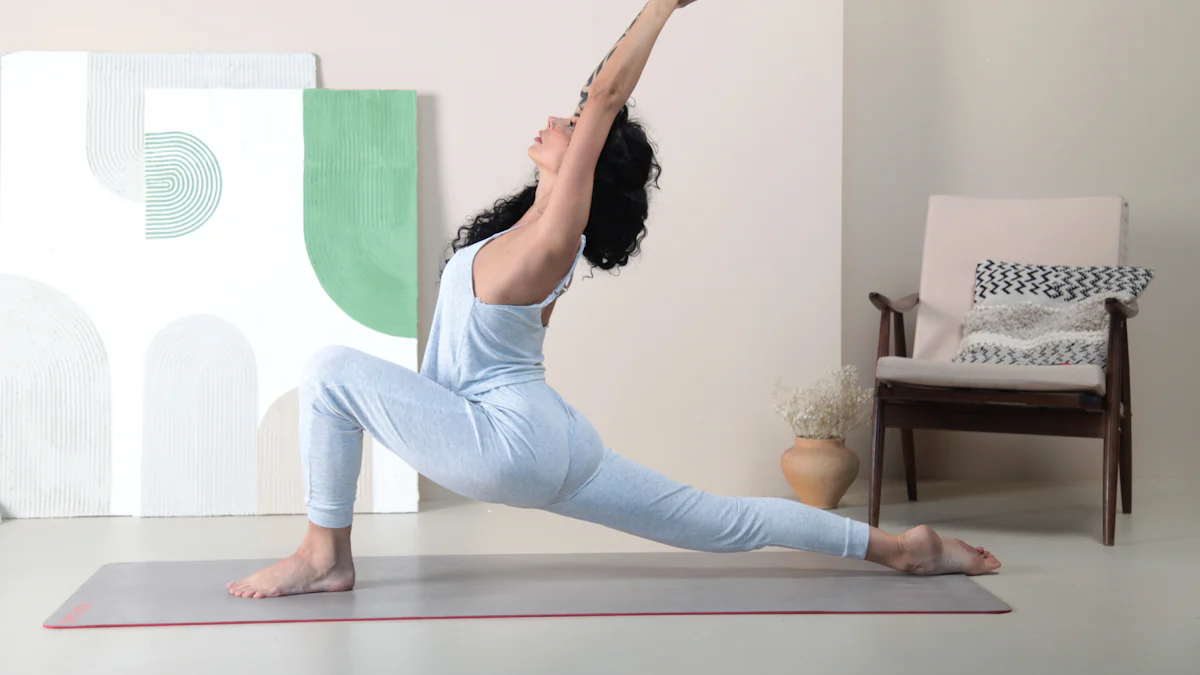
Image Source: unsplash
Improve Flexibility and Mobility
Yoga is an excellent tool for improving flexibility and mobility. Through various postures and exercises, you can increase your flexibility, even if you are older. Lower-intensity yoga styles have been shown to be particularly effective, offering benefits even to people aged 65 and over. Flexibility is an important component of physical health, as it helps reduce the risk of injury and improves your daily functionality.
Strengthening Muscles and Joints
Yoga is not just about flexibility. It also strengthens your muscles and joints. Through regular practice, you can increase your muscle strength and improve your endurance. Yoga poses require the use of many muscle groups, thus strengthening your body as a whole. Strengthening muscles and joints helps improve balance and stability, making you more resilient in everyday activities and sports. Yoga, as a tool for self-observation, allows you to better understand your body and adapt your practice to your needs.
Boost Heart Health
Improve Blood Circulation
Yoga can significantly improve blood circulation in your body. By practicing it, you increase blood flow and carry more oxygen to your cells. This is especially beneficial for your heart, as it helps relax blood vessels. Improved circulation can reduce your risk of heart disease and boost your overall cardiovascular health. Yoga, with its gentle movements and breathing techniques, contributes to [improving] operation](https://istrikala.gr/%CE%B5%CE%BD%CE%B7%CE%BC%CE%AD%CF%81%CF%89%CF%83%CE%B7/%CE%B3%CE%B5%CE%BD%CE%B9%CE%BA%CE%AC/%CE%B7-%CE%B3%CE%B9%CF%8C%CE%B3%CE%BA %CE%B1-%CE%B2%CE%B5%CE%BB%CF%84%CE%B9%CF%8E%CE%BD%CE%B5%CE%B9-%CF%84%CE%B7%CE%BD- %CF%80%CE%BF%CE%B9%CF%8C%CF%84%CE%B7%CF%84%CE%B1-%CE%B6%CF%89%CE%AE%CF%82-%CE%BA/) of the heart and of the left ventricle, especially in people with heart failure.
Lowering Blood Pressure
Yoga can help lower your blood pressure. The relaxation techniques it includes, such as deep breathing and meditation, slow down your heart rate. This results in lower blood pressure and reduced inflammation in your body. Yoga can provide positive changes in the function of your blood vessels, thus protecting your heart. With regular practice, you can achieve a more balanced blood pressure and improve your cardiorespiratory fitness.
Improve Sleep Quality
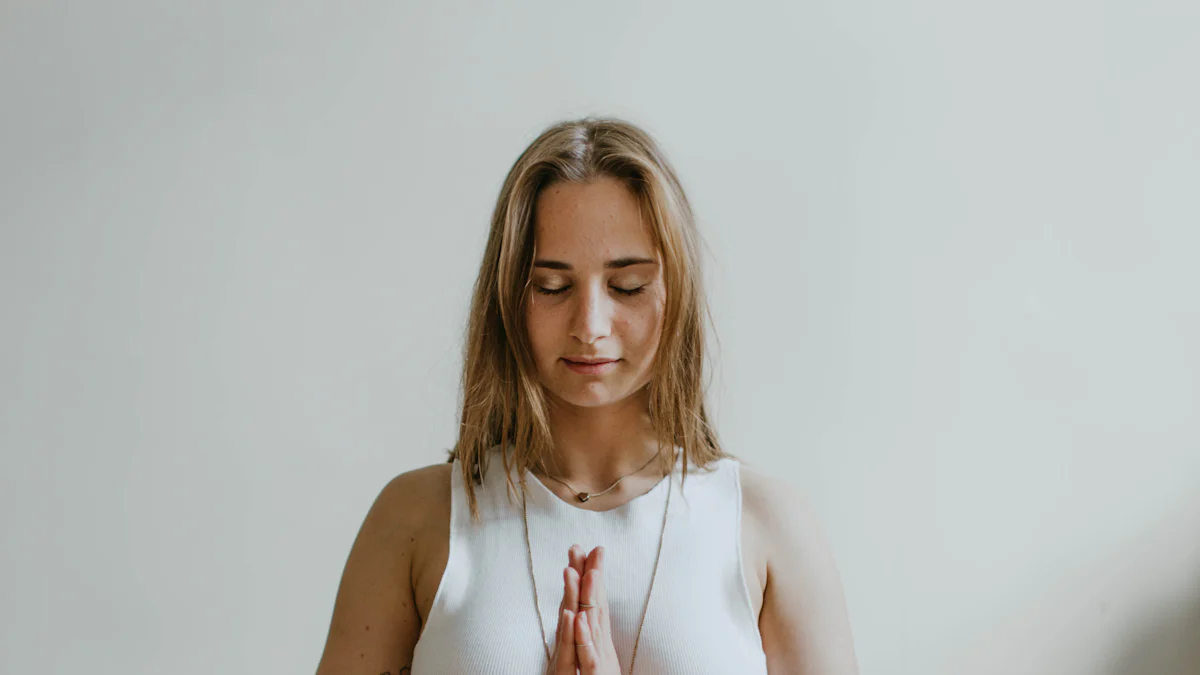
Image Source: pexels
Yoga can significantly improve the quality of your sleep. Many studies have shown that regular yoga practice can help relieve tension and improve relaxation, leading to better sleep.
Relaxation Techniques Before Bed
Before you go to sleep, you can practice various relaxation techniques that yoga offers. These techniques include:
-
Breathing: Focus on slow, deep breathing. This helps reduce stress and prepare the body for sleep.
-
Meditation: Take a few minutes to clear your mind of the day's thoughts. Meditation can help you calm down and focus on the present.
-
Gentle Poses: Perform simple yoga poses, such as child's pose or cat pose, to relax your muscles.
Establish a Sleep Routine
Establishing a consistent sleep routine can improve the quality of your sleep. Follow these steps:
-
Set a consistent bedtime: Try to go to bed and wake up at the same time every day. This helps your body clock to adjust.
-
Limit screen time: Avoid using electronic devices for at least an hour before bed. Blue light can interfere with melatonin production.
-
Create a calm environment: Make sure your bedroom is dark, quiet, and cool. A comfortable environment promotes good sleep.
Incorporating yoga into your daily routine can provide significant benefits for the quality of your sleep. By implementing these techniques, you can enjoy a more restful and refreshing sleep.
Integrating Yoga into Your Daily Life
Yoga can become an integral part of your daily life, offering physical and mental well-being. Incorporating yoga into your daily life does not require complicated procedures. All you need to do is set aside a little time each day to enjoy its benefits.
Create a Personal Routine
Creating a personal yoga routine can help you maintain consistency and enjoy the benefits of the practice. Follow these steps to create your own routine:
-
Set a specific time: Choose a time of day that works for you, either in the morning or evening. Consistency is the key to success.
-
Choose a quiet place: Find a space in your home where you can practice without interruption. A quiet environment helps with concentration.
-
Start with simple poses: If you are a beginner, start with basic poses and exercises. Over time, you can add more advanced poses.
-
Listen to your body: Adapt your practice to your needs. If you feel fatigued, choose gentler poses.
"Yoga can your physical and mental fitness quickly, while preparing the mind and body for long-term health."
Tips for Staying Active
Staying active is vital for your overall health. Yoga can help you stay active and improve your balance. Follow these tips to keep moving in your daily routine:
-
Incorporate small exercises: Throughout the day, do small yoga exercises, such as stretches or breathing exercises, to keep your energy up.
-
Use yoga as a break: When you feel tired or stressed, take a break and do a few yoga poses to rejuvenate yourself.
-
Focus on balance: Yoga improves balance, which is essential for everyday activities, such as picking something up off the floor or going down the stairs.
By incorporating yoga into your daily routine, you can enjoy a healthier and more balanced life. Yoga is not just an exercise, but a lifestyle that can bring you peace and well-being.
yoga benefits for the body
Yoga offers numerous benefits for your body, making it an excellent choice for improving your physical health. Through yoga, you can strengthen your fitness and improve your flexibility. Yoga is not just a form of exercise, but a lifestyle that can help you achieve a balanced and healthy life.
yoga benefits for the body
-
Increase Flexibility: Yoga includes various postures that help improve your flexibility. With regular practice, you can increase joint mobility and reduce the risk of injuries.
-
Increase Muscle Strength: Yoga poses require the use of many muscle groups, thus strengthening your muscle strength. Yoga can help you develop a strong and stable foundation for your body.
-
Improve Posture: Yoga can improve your posture, reducing back and neck pain problems. By strengthening your core muscles, you can maintain proper posture throughout the day.
-
Enhance Cardiovascular Health: Yoga can improve blood circulation and lower blood pressure. With regular practice, you can strengthen your cardiovascular health and reduce your risk of heart disease.
-
Stress Reduction: Yoga is a safe and popular stress reduction strategy. It can help you relax and reduce stress levels, providing a sense of calm and well-being.
"Yoga may be less effective compared to cognitive-behavioral therapy for people with generalized anxiety disorder, but it remains an excellent option for improving physical and mental health."
Yoga offers unique benefits for your body, making it an excellent choice for improving your overall health. By incorporating yoga into your daily routine, you can enjoy the yoga benefits for your body and achieve a healthier and more balanced life.
Yoga offers numerous benefits for your mental and physical health. With regular practice, you can improve flexibility, strengthen muscle strength, and reduce stress. Yoga is not just an exercise, but a lifestyle that can change your physical and mental fitness quickly. Incorporate yoga into your daily routine and discover how it can improve your well-being. Try yoga and explore its benefits for a more balanced and healthy life.
See also
Yoga Nidra and Your Mental Health
Yoga: Benefits for Body and Health
Bikram Yoga: Information and Health Effects



