
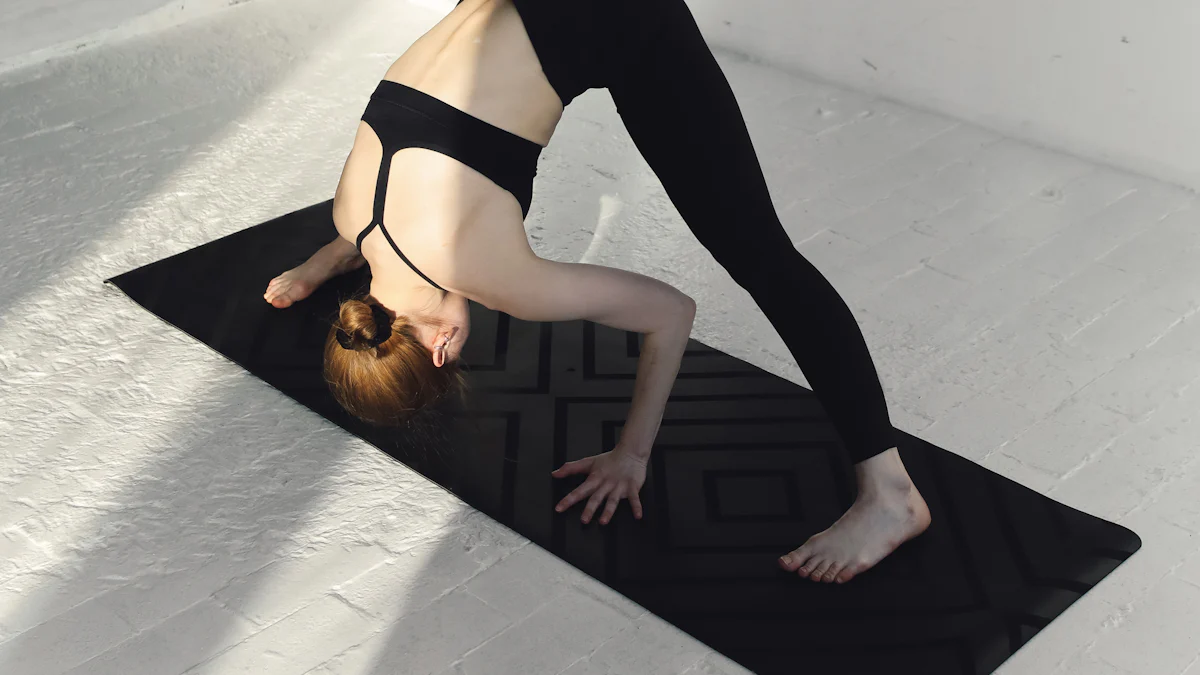
Discover advanced yoga and improve your practice
Image Source: pexels
Advanced yoga postures are essential for taking your practice to the next level. These asanas not only challenge your body but also expand your mind. By integrating advanced postures, you will experience a profound transformation in your connection with yoga. The strength, flexibility, and balance you develop will allow you to explore new dimensions of your practice. Dare to discover how advanced yoga can enrich your life and bring you a sense of accomplishment and well-being.
Key Points
-
Advanced yoga postures improve your strength, flexibility, and balance, taking your practice to a new level.
-
Integrating challenging poses like Sirsasana and Vrschikasana not only transforms your body but also nourishes your mind and reduces stress.
-
Regular practice of advanced yoga can increase your emotional well-being and improve the quality of your sleep.
-
Listening to your body is essential; if you feel pain, stop and assess your situation to avoid injury.
-
Use props like blocks and straps to facilitate alignment and enhance your practice of advanced poses.
-
Dedicate time to physical and mental preparation, including warm-up exercises and meditation, to face the challenges of advanced yoga with confidence.
-
Each asana is an opportunity for growth; don't be afraid to step outside your comfort zone and explore your true potential.
Definition of Advanced Poses
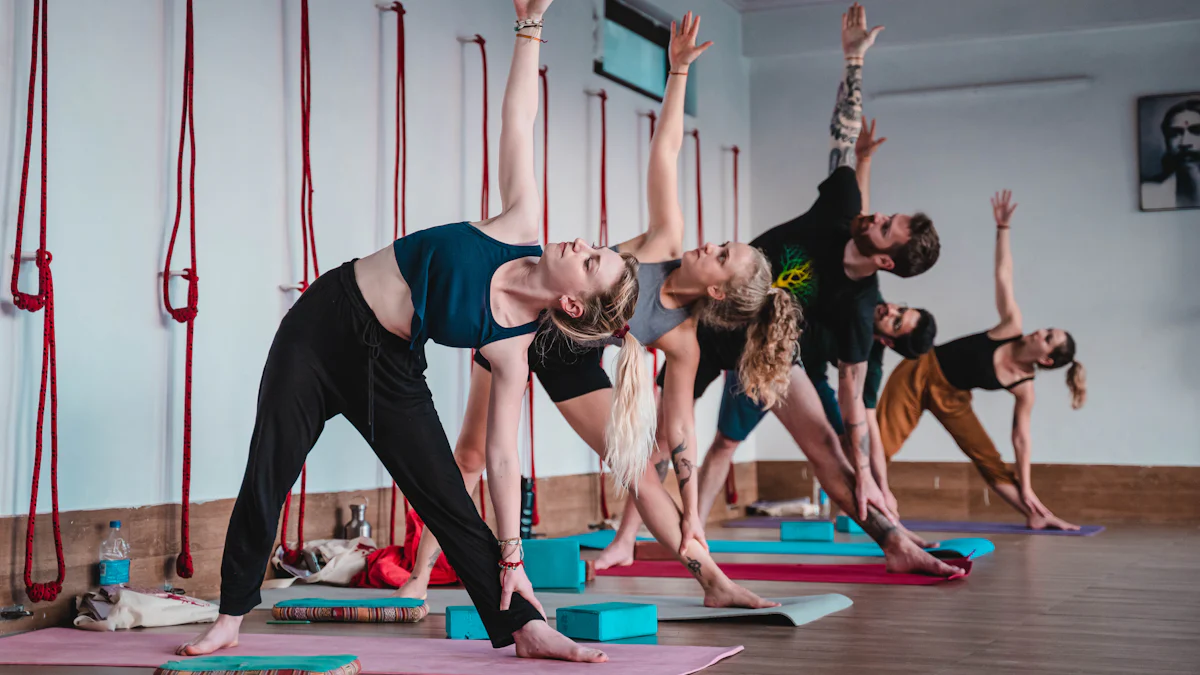
Image Source: pexels
Characteristics of Advanced Poses
Advanced yoga poses require a significant commitment to your practice. These asanas demand greater strength, flexibility, and balance. They often involve precise alignment and exceptional body control. By practicing these poses, you will notice your body becoming stronger and more agile. You will also experience increased body awareness, allowing you to connect more deeply with your inner self.
Advanced poses also often include variations of basic poses. For example, you might find Three-Legged Downward-Facing Dog or Standing Split. These variations not only challenge your body but also stimulate your mind. Consistent practice of these asanas will help you overcome your limits and discover new capabilities within yourself.
Difference Between Intermediate and Advanced Poses
The main difference between intermediate and advanced poses lies in the level of difficulty and control they require. Intermediate poses allow you to develop a solid foundation. However, as you progress to advanced poses, you face new challenges that demand greater mastery of your body and mind.
Intermediate poses typically focus on alignment and technique. In contrast, advanced poses invite you to explore endurance and concentration. For example, when practicing Headstand (Sirsasana), you not only work on the strength of your shoulders and arms but also challenge your balance and mental focus. This transition from intermediate to advanced is an exciting journey that will allow you to grow in your yoga practice.
By integrating advanced poses, you will experience both physical and mental benefits. Regular practice can improve your strength, flexibility, and balance. Furthermore, advanced yoga can reduce stress and increase your emotional well-being. Thus, each asana becomes an opportunity to grow and discover your true potential.
Benefits of Advanced Poses
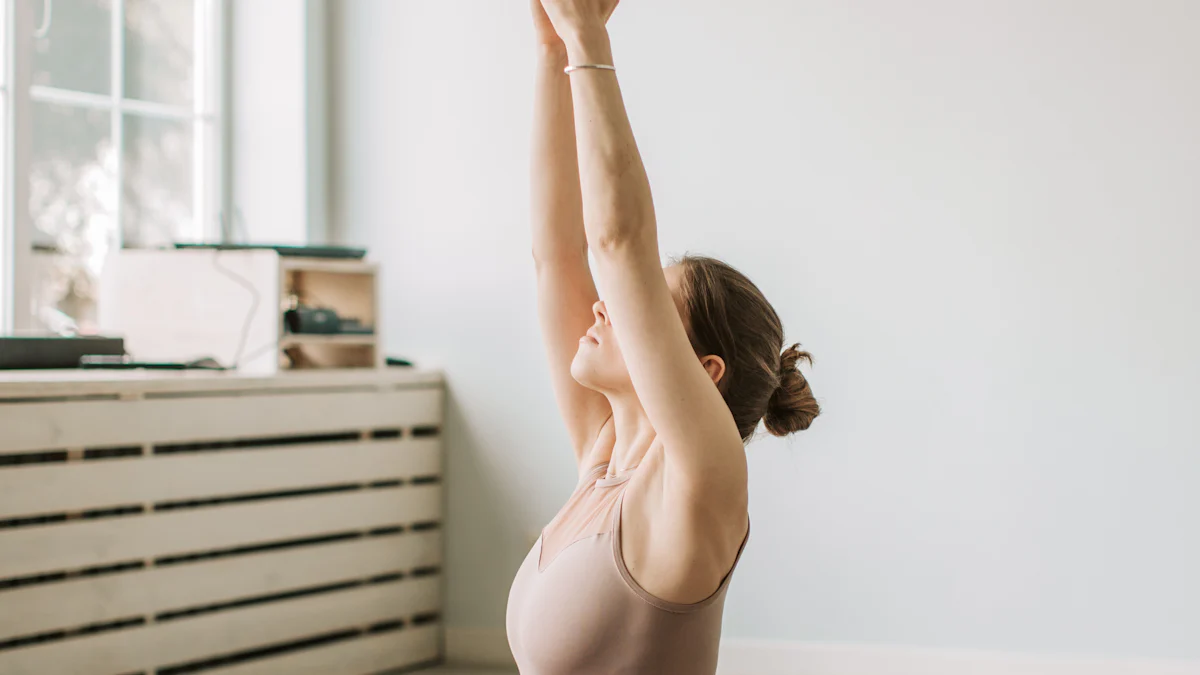
Image Source: pexels
Physical Benefits
Practicing advanced yoga poses transforms your body in amazing ways. These asanas improve your strength, flexibility, and balance. By performing poses like Scorpion Pose (Vrschikasana), you develop muscles you may not have known you had. Regular practice also increases the range of motion of your joints, allowing you to move more freely in your daily life.
Furthermore, advanced yoga improves air circulation and opens the airways. This is especially beneficial for those suffering from respiratory problems. Consistent practice also helps reduce joint pain, improving your flexibility and overall well-being.
Studies show that yoga can decrease visual and auditory reaction time. After six weeks of practice, you will notice a significant improvement in your responsiveness. This is not only helpful in yoga but also translates into greater agility in your daily activities.
Mental Benefits
Advanced yoga not only strengthens your body but also nourishes your mind. Regular practice helps release endorphins, promoting a sense of well-being and happiness. By immersing yourself in challenging postures, you learn to focus and be present. This mindfulness reduces anxiety and depression, creating a clearer and more positive mental space.
Furthermore, yoga and meditation play a crucial role in improving your mood. Over time, you will notice a cumulative effect of benefits that will help you face life's challenges with greater resilience. Practicing advanced poses also improves the quality and duration of your sleep, contributing to a more balanced mental state.
By integrating advanced poses into your routine, you not only transform your body but also elevate your mental well-being. Each asana becomes an opportunity to grow and discover your true potential.
Recommended Advanced Poses
Headstand (Sirsasana)
The Headstand, known as Sirsasana, is one of the most iconic poses in advanced yoga. This asana not only strengthens the shoulders and arms but also improves balance and concentration. By inverting your body, you stimulate blood flow to the brain, which can increase mental clarity.
To perform Sirsasana, begin on your knees. Interlace your fingers behind your head and place the top of your head on the floor. Slowly lift your legs toward the ceiling. Hold the pose for 30 seconds, gradually increasing the time as you become more comfortable. Remember to listen to your body and don't force the pose.
Lotus Pose (Padmasana)
The Lotus Pose, or Padmasana, is ideal for meditation and centering yourself. This asana requires flexibility in the hips and ankles. By sitting in this position, you align your body and calm your mind. Regular practice of Padmasana can help you achieve a state of inner peace.
To perform Padmasana, sit on the floor with your legs extended. Bend your right knee and place your foot on your left thigh. Then, do the same with your left leg. Keep your back straight and your hands on your knees. Breathe deeply and feel the energy flowing through your body.
Scorpion Pose (Vrschikasana)
The Scorpion Pose, or Vrschikasana, is an exciting challenge that combines strength and flexibility. This asana strengthens your back and arms while improving your balance. By practicing Vrschikasana, you confront your fears and overcome your limits.
To perform Vrschikasana, begin in Downward-Facing Dog. Bend your knees and bring your feet toward your head. Then, lift your legs toward the ceiling, maintaining your balance on your arms. This pose requires practice, so don't be discouraged if you can't hold it at first. Over time, you'll see how your body adapts and strengthens.
Each of these advanced poses offers you the opportunity to grow in your yoga practice. By integrating them, you not only improve your strength and flexibility but also deepen your connection with yourself. Dare to explore these asanas and discover your inner potential.
Warrior III Pose (Virabhadrasana III)
Warrior III Pose, also known as Virabhadrasana III, is a powerful asana that combines strength, balance, and concentration. This pose not only strengthens your legs and back but also improves your mental focus. By practicing it, you challenge your own limits and develop a deeper connection with your body.
To perform Virabhadrasana III, follow these steps:
-
Begin in a standing position. Keep your feet together and your arms at your sides.
-
Inhale deeply. As you exhale, step back with your right leg. Keep your weight on your left leg.
-
Hinge forward at the waist. As you do this, lift your right leg straight back. Your body should form a straight line from your head to your right foot.
-
Extend your arms forward. Keep your gaze fixed on a point to improve your balance.
-
Hold the pose. Remain in this position for 30 seconds, breathing deeply. Then, switch sides.
Practicing this pose will help you increase your strength and flexibility. In addition, Virabhadrasana III stimulates blood circulation and improves concentration. By maintaining your balance, you also work on your emotional and mental stability.
Remember that consistent practice is key. If you find it difficult to maintain your balance, don't get discouraged. Each attempt brings you closer to mastering the pose. Over time, you will notice how your body adapts and strengthens.
Warrior III Pose is not only a physical exercise. It is also an opportunity to cultivate patience and perseverance. Every time you stand up in this pose, you remind yourself that you can overcome any challenge. Dare to explore this asana and discover the warrior within!
Tips for Advanced Yoga Practice
Physical and Mental Preparation
Before diving into the world of advanced yoga, make sure you are prepared both physically and mentally. Dedicate time to strengthening your body and increasing your flexibility. Perform warm-up exercises that activate your muscles and joints. This will help prevent injuries and improve your performance in the more challenging poses.
Also, work on your mental focus. Meditation and mindful breathing are powerful tools. Practice mindfulness to calm your mind and focus on the present moment. This will allow you to approach each asana with confidence and determination.
Use of Props and Modifications
Don't hesitate to use props during your advanced yoga practice. Items such as blocks, straps, and blankets can facilitate proper alignment in the poses. For example, when performing Warrior III Pose (Virabhadrasana III), you can use a block under your supporting hand. This will help you maintain your balance and focus on your body's strength.
Remember that modifications are part of the process. If a pose feels too challenging, look for alternatives that suit your level. Advanced yoga practice isn't about pushing yourself, but about exploring your limits and growing in your practice.
Listening to Your Body and Avoiding Injuries
Listening to your body is fundamental in advanced yoga. Pay attention to the signals it sends you. If you feel pain or discomfort, stop and assess the situation. Don't push yourself beyond your capabilities. Practice should be a journey of self-discovery, not a competition.
Also, establish a cool-down routine at the end of your practice. This will help relax your muscles and prevent tension. The combination of mindfulness and self-care will allow you to enjoy the benefits of advanced yoga without unnecessary risks.
By following these tips, you'll not only improve your practice but also enjoy a more enriching and safer experience. Dare to explore advanced yoga and discover your potential.
Integrating advanced poses into your yoga practice transforms your experience. Improve your strength, flexibility, and balance. It also nourishes your mind and reduces stress. Each challenging asana offers you the opportunity to grow and discover your true potential. Don't be afraid to explore and experiment with these poses. Dare to step outside your comfort zone. Remember, every step you take in advanced yoga brings you closer to a stronger and more balanced version of yourself.
FAQ
What are advanced yoga poses?
Advanced poses are asanas that require a higher level of strength, flexibility, and balance. These poses challenge your body and mind, allowing you to explore new dimensions in your yoga practice.
What are the benefits of practicing advanced yoga?
Practicing advanced yoga offers numerous benefits. It improves your strength, flexibility, and balance. It also reduces stress and anxiety and promotes a general sense of well-being. Regular practice can even improve sleep quality and increase happiness.
Is prior experience necessary to practice advanced yoga?
Yes, it is recommended to have a solid foundation in basic yoga poses before attempting advanced ones. This will help you avoid injuries and perform the poses with greater safety and confidence.
How long should I practice advanced yoga to see results?
Results vary from person to person. However, practicing at least three times a week can lead to significant improvements in your strength, flexibility, and mental well-being in a relatively short period.
What props are useful for advanced yoga practice?
Props such as blocks, straps, and blankets are very helpful. These items facilitate proper alignment in the poses and allow you to explore the asanas more safely and effectively.
How can I avoid injuries when practicing advanced poses?
Listening to your body is essential. If you feel pain or discomfort, stop and assess the situation. Also, perform a proper warm-up and establish a cool-down routine at the end of your practice.
Which advanced poses are recommended for beginners?
Some recommended poses include Warrior III Pose (Virabhadrasana III) and Headstand (Sirsasana). These asanas will help you develop strength and balance, preparing you for more challenging poses.
Can advanced yoga help with health problems?
Yes, advanced yoga can contribute to improved physical and mental health. Studies show that regular practice can reduce blood pressure, improve circulation, and alleviate symptoms of anxiety and depression.
How long should I hold each advanced pose?
The time varies depending on the pose and your comfort level. Start by holding each pose for 30 seconds and gradually increase the time as you feel more confident and stronger.
Can I practice advanced yoga at home?
Yes, you can practice advanced yoga at home. Make sure you have a suitable space and follow tutorials or online classes for guidance. Always remember to listen to your body and practice safely.
See also
Essential Tips to Improve Your Daily Yoga Practice
Key Recommendations to Enhance Your Yoga Practice
Guide to Starting Your Intermediate Yoga Journey



