
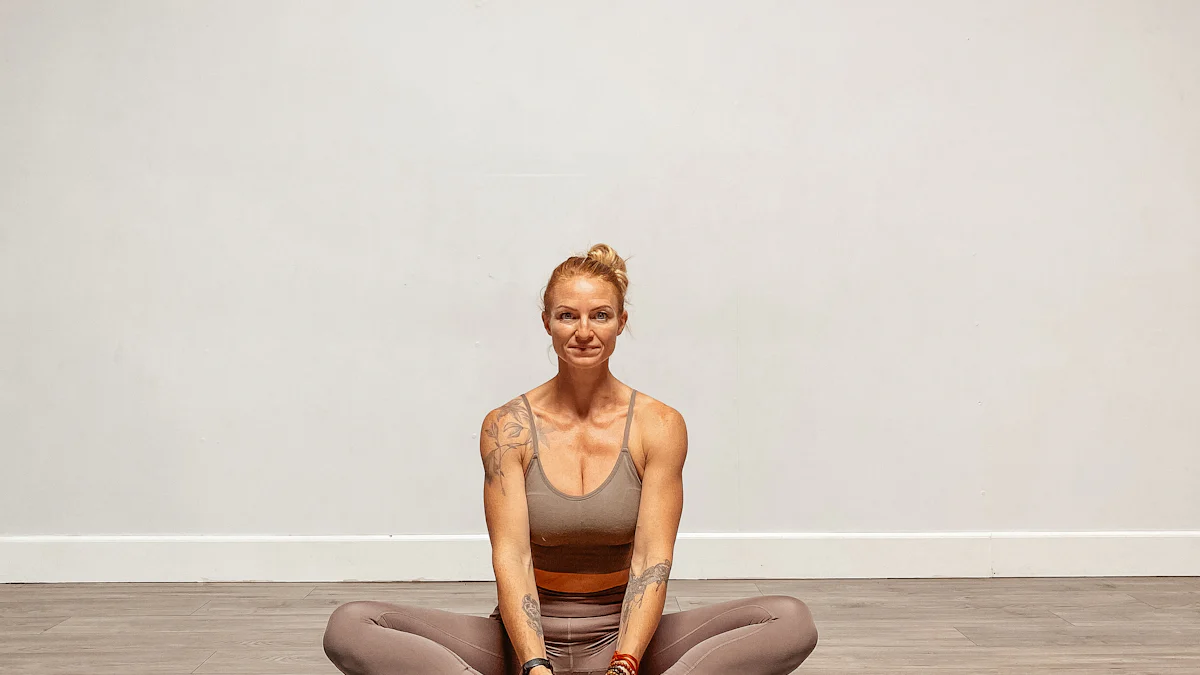
Complete Guide to Yoga Pose Names and Their Benefits
Image Source: unsplash
Yoga has gained immense popularity worldwide. In 2020, more than 55 million Americans practiced yoga, and in Spain, the Fitness and Health sector, which includes yoga, generated €2.352 billion in revenue. Practicing yoga is not just a trend, but a way of life that improves physical and emotional health. Knowing the names of yoga poses and their benefits allows you to deepen your practice, helping you choose the poses that best suit your needs and personal goals.
Yoga Pose Names: Types and Categories
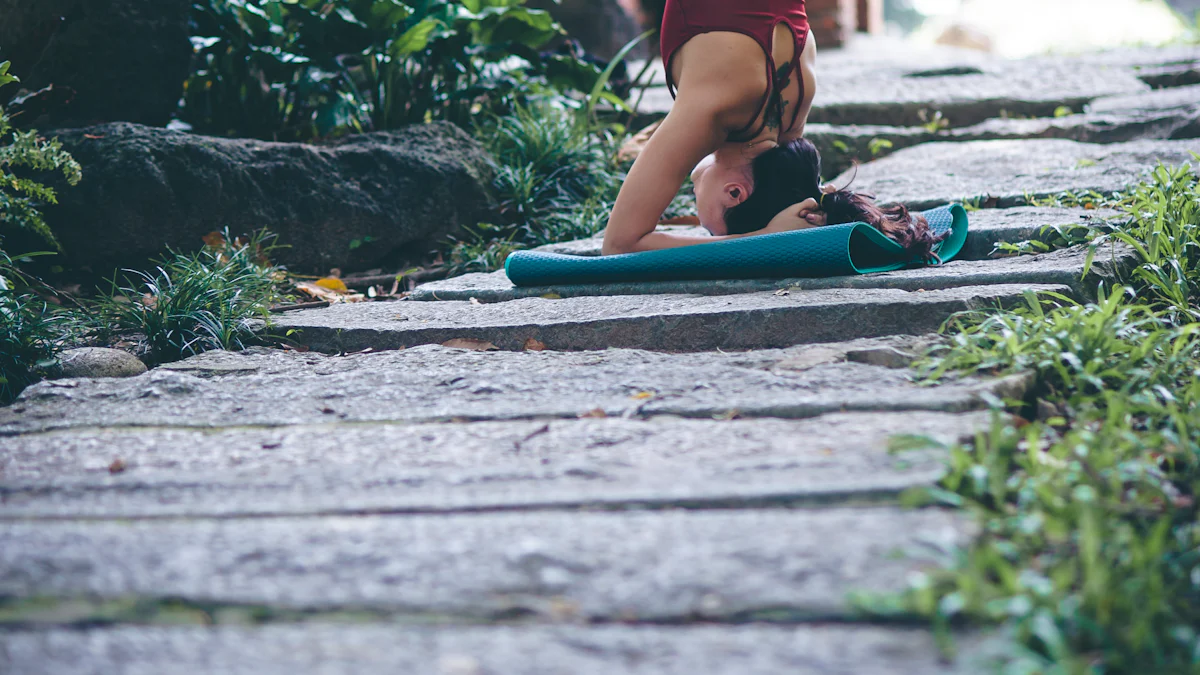
Image Source: unsplash
Standing Yoga Pose Names
Standing poses are fundamental in yoga practice. They help you develop balance and strength. Here are two essential poses:
Tadasana (Mountain Pose)
Tadasana is the foundation for many other poses. When practicing it, you focus on aligning your body from your feet to your head. This pose improves your overall posture and strengthens your legs. It also helps you concentrate and find mental stability.
Tree Pose (Vrksasana)
Tree Pose (Vrksasana) is a balancing pose that challenges your concentration. By balancing on one foot, you strengthen your ankle and leg muscles. This pose also improves your balance and calms your mind. It is ideal for developing patience and focus.
Names of Seated Yoga Poses
Seated poses are perfect for meditation and relaxation. They allow you to stretch and strengthen your lower body while focusing on your breath.
Easy Pose (Sukhasana)
Easy Pose (Sukhasana) is a simple pose that invites you to relax. By sitting cross-legged, you promote calmness and introspection. This pose is excellent for meditation and improving hip flexibility.
Lotus Pose (Padmasana)
Lotus Pose (Padmasana) is one of the most symbolic poses in yoga. By placing each foot on the opposite thigh, you create a stable base for deep meditation. This posture promotes mental calm and improves concentration.
Yoga Forward Bend Poses
Forward bends are ideal for stretching the spine and releasing tension. They help improve flexibility and calm the mind.
Uttanasana (Forward Bend)
Uttanasana is a forward bend pose. By doing so, you stretch your back and hamstrings. This pose relieves stress and improves blood circulation to the head.
Paschimottanasana (Seated Forward Bend)
Paschimottanasana is a seated forward bend that allows you to stretch the back of your body. By leaning forward, you relax your mind and reduce anxiety. This pose is beneficial for improving digestion and promoting rest.
Scientifically Proven: The practice of yoga, including these postures, improves digestion and promotes relaxation, in addition to reducing blood pressure and improving heart rate.
By learning the names of yoga postures and their benefits, you can choose the ones that best suit your needs. Practicing these postures regularly will help you maintain flexibility, increase strength, and improve balance.
Names of Yoga Backbends
Backbends are essential for opening the chest and strengthening the back. They help improve posture and increase energy.
Bhujangasana (Cobra Pose)
Bhujangasana, or Cobra Pose, invites you to stretch the front of your body while strengthening your back. As you lift your chest off the floor, you feel your lungs expand. This pose improves spinal flexibility and relieves lower back pain. Additionally, practicing it regularly can improve digestion and promote restful sleep.
Upward-Facing Dog (Urdhva Mukha Svanasana)
Upward-Facing Dog (Urdhva Mukha Svanasana) is a pose that helps open your chest and strengthen your arms. As you lift your body off the floor, you feel a deep stretch in the front of your body. This pose improves overall posture and increases energy. It is also known for relieving fatigue and improving blood circulation.
Names of Balancing Yoga Poses
Balancing poses are perfect for improving concentration and stability. They challenge you to maintain focus while strengthening your body.
Bakasana (Crow Pose)
Bakasana is a pose that requires strength and balance. By supporting yourself on your hands, you strengthen your arms and abdomen. This pose improves concentration and helps you develop confidence. Practicing it regularly can increase your strength and improve your balance.
Natarajasana (Dancer Pose)
Natarajasana is an elegant pose that combines balance and flexibility. By standing on one foot and extending the other back, you strengthen your legs and improve back flexibility. This pose promotes mental calm and improves concentration. It is ideal for developing grace and balance.
Names of Inverted Yoga Poses
Inverted poses are known for their benefits to circulation and mental focus. They allow you to see the world from a new perspective.
Sirsasana (Headstand)
Sirsasana is an advanced pose that requires concentration and strength. By inverting your body, you improve blood flow to the brain. This pose strengthens the shoulders and neck and promotes mental calm. Practicing it regularly can improve your balance and boost your confidence.
Shoulder Stand (Sarvangasana)
Sarvangasana is a pose that helps stretch the spine and improve circulation. By supporting your body on your shoulders, you feel a deep stretch in your back. This pose improves digestion and promotes relaxation. It is also known to lower blood pressure and improve heart rate.
Scientifically Proven: Hatha yoga postures, like those mentioned, help maintain flexibility, increase strength, and improve balance. They also relieve lower back pain and can reduce blood pressure.
Knowing the names of yoga postures and their benefits allows you to choose the ones that best suit your needs. Practicing these postures regularly will help you maintain flexibility, increase strength, and improve balance.
Names of Relaxation Yoga Poses
Relaxation poses in yoga are essential for releasing tension and finding a state of inner calm. They allow you to connect with your breath and release accumulated stress. Here are two poses that will help you achieve a deep state of relaxation.
Savasana (Corpse Pose)
Savasana is one of the most important poses for total relaxation. By lying on your back with your arms and legs slightly apart, you allow your body to fully relax. This pose helps reduce stress and anxiety, promoting a state of mental calm. Furthermore, practicing Savasana regularly improves digestion and promotes rest, as demonstrated by various studies.
Interesting Fact: The practice of yoga, including Savasana, improves brain function in the centers responsible for interoception and posture, according to a review of 34 research studies.
Child's Pose (Balasana)
Child's Pose (Balasana) is a posture that invites rest and introspection. By kneeling and bringing your torso forward, you feel a gentle stretch in your back and shoulders. This pose is ideal for releasing tension accumulated in the lower back and promoting relaxation. Practicing Child's Pose helps you calm your mind and find a refuge of inner peace.
Practical Tip: Use Child's Pose (Balasana) at the end of your yoga practice to integrate the benefits of the previous poses and prepare your mind for meditation.
Incorporating these relaxation poses into your daily routine will allow you to experience a sense of well-being and balance. By learning the names of yoga poses and their benefits, you can choose the ones that best suit your needs, ensuring a complete and enriching yoga practice.
Benefits of Yoga Poses
Image Source: pexels
Physical Benefits
Improved Flexibility
Practicing yoga regularly helps improve your body's flexibility. Yoga poses, such as backbends and balance poses, stretch muscles and increase range of motion. One study revealed that after a year, the flexibility of those who practiced yoga was four times greater than that of those who did calisthenics. So, if you're looking to improve your mobility, yoga is an excellent option.
Muscle Strengthening
Yoga not only improves flexibility, it also strengthens your muscles. By holding poses like Crow or Dancer, you work different muscle groups. This not only helps tone your body, but also improves your balance and coordination. In addition, Hatha yoga poses are known to increase strength and relieve lower back pain.
Mental Benefits
Stress Reduction
Yoga is a powerful tool for reducing stress. By focusing on your breath and the present moment, you release accumulated tension. Relaxation poses, such as Savasana, allow you to disconnect from the outside world and find a state of inner calm. Practicing yoga regularly can help you better manage daily stress.
Improved Concentration
Balancing poses, such as Tree, require a high level of concentration. By holding these poses, you train your mind to focus and eliminate distractions. This not only enhances your yoga practice but also translates into better concentration in other areas of your life. Over time, you'll notice how your ability to concentrate increases significantly.
Emotional Benefits
Increased Self-Esteem
Yoga helps you connect with your body and accept yourself as you are. By achieving poses that once seemed impossible, your self-confidence grows. This practice teaches you to be patient with yourself and to celebrate every small achievement. Over time, you'll notice an increase in your self-esteem and greater confidence in your abilities.
Promoting Inner Calm
Yoga fosters a state of inner calm that extends beyond the mat. By practicing relaxation and meditation poses, you learn to release stress and find peace in the present moment. This inner calm helps you face daily challenges with a more tranquil and balanced perspective. By integrating yoga into your life, you will experience a sense of well-being and harmony.
Contraindications and Precautions
When practicing yoga, it is essential to take certain considerations into account to ensure a safe and beneficial experience. Here are some guidelines to follow.
General Considerations
Previous Injuries
If you have suffered injuries in the past, it is crucial to adapt your yoga practice to your specific needs. Consult a healthcare professional before starting. Listen to your body and avoid any posture that causes pain or discomfort. Remember that yoga should be a tool for healing, not harm.
Medical Conditions
Pre-existing medical conditions may require modifications to your yoga practice. If you suffer from high blood pressure, heart problems, or any other medical condition, talk to your doctor. Some postures may not be suitable for you. Make sure you practice under the supervision of a qualified instructor who can guide you safely.
Specific Precautions by Pose
Standing Poses
Standing poses, such as Tadasana (Mountain Pose) and Vrksasana (Walking Pose), are fundamental for developing balance and strength. However, if you have knee or ankle problems, you should be careful. Maintain proper alignment and use props if necessary. Don't push yourself beyond your limits.
Inverted Poses
Inverted poses, such as Sirsasana (Headstand) and Sarvangasana (Side-Legged Forward Bend), offer numerous benefits, but they also require caution. If you are a beginner, practice these poses under the guidance of an experienced instructor. Avoid inversions if you have neck problems or high blood pressure. These poses can be challenging, but with proper practice, you can enjoy them safely.
Decathlon Yoga Experts recommend adapting poses to your individual needs and always prioritizing safety. Yoga practice should be an enriching and safe experience for everyone.
Practicing yoga with knowledge allows you to maximize its benefits and avoid potential risks. By understanding the postures and their effects, you can personalize your practice to meet your specific needs. Science supports that yoga reduces stress and anxiety, improves cardiovascular health, and promotes emotional well-being.
Studies have shown that yoga decreases the secretion of cortisol, the stress hormone, and improves emotional regulation.
We invite you to explore and experiment with different postures. Discover how yoga can transform your life, bringing balance and serenity.
See also
Key Differences in Yoga Pants at Decathlon
Yoga Pants Price Comparison Guide
Yoga Ball Comparison at Decathlon



