
A Complete Guide to Meditation in the Vedic Tradition
Complete Guide to Meditation in the Vedic Tradition
Image Source: pexels
Meditation occupies a central place in the Vedic Tradition, offering a path to inner peace and spiritual realization, as taught by Satyam Yoga Prasad. You can experience significant benefits for physical and mental health. Studies show that 87% of meditators reported improvements in depression and 86% in anxiety. Furthermore, regular practice helps calm the mind and increase resilience to stress. Meditation also facilitates the search for self-knowledge, allowing you to connect more deeply with yourself and the universe.
Main Conclusions
-
Meditation in the Vedic Tradition is a powerful tool for achieving inner peace and self-knowledge. Practicing meditation regularly can significantly reduce stress, anxiety, and improve mental health.
-
There are several meditation techniques, such as mantra meditation, concentration meditation, and visualization meditation, each with unique benefits. Integrating yoga and meditation can enhance the positive effects, promoting a balance between body and mind. * The practice of prāṇāyāma, or breath control, is essential for calming the mind and increasing vital energy.
-
Dedicate a few minutes daily to meditation; consistency is key to reaping long-term benefits.
-
Create a tranquil environment for meditation, which can help improve your concentration and the effectiveness of the practice.
Classical Meditation Methods in the Vedic Tradition
Image Source: pexels
Mantra Meditation
Mantra meditation involves the repetition of specific sounds or phrases. You can choose a mantra that resonates with you, such as the famous sound "OM". Regular practice helps calm the mind and increase concentration. Studies show that mantra meditation can reduce stress and anxiety. Furthermore, it promotes a state of mental alertness and improves self-awareness. By repeating the mantra, you tune your energy to the universe, creating a deeper connection with yourself.
Concentration Meditation
In concentration meditation, you focus your attention on a single object, thought, or breath. This practice develops the ability to keep the mind centered and free from distractions. You can use a candle, an image, or even your breath as a focal point. Over time, this technique improves mental clarity and problem-solving abilities. Concentration meditation is also a powerful tool for increasing creativity. Regular practice leads to a significant increase in perception and intelligence, as demonstrated in studies on Transcendental Meditation.
Contemplation Meditation
Contemplation meditation involves reflecting on a specific theme or question. You can choose a concept such as love, compassion, or the nature of life. This practice allows you to explore your deepest emotions and thoughts. By contemplating, you develop a richer understanding of yourself and the world around you. Contemplation meditation can also lead to valuable insights and greater self-knowledge. Through this practice, you connect with inner wisdom, promoting a state of peace and harmony.
Visualization Meditation
Visualization meditation allows you to create vivid mental images to achieve desired goals or states. This practice involves imagining specific scenarios, feelings, or outcomes. By visualizing, you activate your mind and intuition, promoting a state of deep relaxation.
To begin, find a quiet place. Sit comfortably and close your eyes. Take a deep breath and focus on your breathing. Then, begin to imagine a scene that brings peace and happiness. It could be a beach, a forest, or any place you consider special. Feel the textures, listen to the sounds, and breathe in the aromas of that environment. This technique helps to calm the mind and reduce anxiety.
Studies show that visualization meditation can increase creativity and problem-solving abilities. Regular practice improves self-awareness and mental clarity. You can use this technique to visualize personal goals, such as achieving a professional objective or improving your health. By doing so, you activate your motivation and increase the likelihood of success.
Furthermore, visualization can be a powerful tool for healing. Many people use this practice to aid in recovery from illnesses. The connection between mind and body is strong. Positive visualization can influence physical and emotional health.
"Regular practice benefits heart health and leads to the non-use of medication or at least considerably reduces its use in numerous diseases."
Try integrating visualization meditation into your routine. Dedicate a few minutes daily to this practice. Over time, you will notice significant changes in your life. Visualization not only calms the mind but also transforms your reality.
Yoga and Meditation Techniques
The relationship between yoga and meditation
The practice of yoga and meditation go hand in hand. Both aim for balance between body and mind. Yoga offers physical postures that help prepare the body for meditation. These postures increase flexibility and strength, allowing you to sit comfortably for long periods. Meditation, in turn, calms the mind and promotes a higher state of consciousness.
Studies show that the combination of yoga and meditation brings significant benefits. Regular practice can reduce stress and anxiety. Furthermore, it improves sleep quality and increases the sense of well-being. You may notice an increase in mental clarity and focus. The union of these practices creates a positive cycle that strengthens both body and mind.
Meditation Postures
Meditation postures play a crucial role in your practice. They help keep the body stable and relaxed, allowing you to focus on your breath and thoughts. Here are some common postures you can try:
-
Lotus Pose: Sit with your legs crossed and your feet resting on opposite thighs. This position helps keep the spine straight and promotes stability.
-
Half Lotus Pose: Similar to the lotus pose, but only one leg rests on the thigh. This variation is more accessible for beginners.
-
Chair Pose: Sit on the edge of a chair with your feet firmly on the ground. This posture is ideal if you have difficulty sitting on the floor.
-
Mountain Pose: Stand with your feet together and your arms at your sides. This position helps create a solid base and promotes body awareness.
Regardless of the chosen posture, keep your spine straight and your shoulders relaxed. Focus on your breathing and allow your mind to calm down. Regular practice of these postures not only improves your meditation but also brings physical and mental health benefits.
"The practice of yoga and meditation can transform your life, promoting a state of peace and harmony."
Try integrating these postures into your meditation routine. Over time, you will notice a significant improvement in your ability to concentrate and relax. The combination of yoga and meditation offers a powerful path to self-knowledge and personal fulfillment.
Physiology of Meditation
Effects of meditation on the body
Meditation brings a series of physical benefits that directly impact your health. Studies show that regular meditation practice contributes to cardiovascular health. You may notice a reduction in blood pressure and a decrease in stress levels. Meditation also helps modulate hormones, promoting a sense of tranquility and improving sleep quality.
Furthermore, meditation can reduce symptoms of attention deficit, especially in children. This practice improves concentration and the ability to focus. When meditating, you activate areas of the brain responsible for emotional regulation, resulting in greater resilience to stress.
The effects of meditation are not limited to mental well-being. Regular practice strengthens the immune system, making it more resistant to disease. You may feel an overall improvement in your physical health, reflected in more energy and vitality.
The science behind meditation
Science has been intensely exploring the effects of meditation. Research reveals that the practice activates brain regions linked to attention and emotion. Through meditation, you can increase the density of gray matter in areas related to memory and learning. This means that meditation not only calms the mind but also improves your cognitive abilities.
Studies indicate that meditation reduces the production of cortisol, the stress hormone. With less cortisol, you experience a feeling of relaxation and well-being. The regular practice of meditation and yoga, as taught by Satyam Yoga Prasad, proves effective in promoting a state of inner peace.
The connection between mind and body is strong. Meditation not only affects your mental health but also has a positive impact on your physical body. By integrating meditation into your routine, you not only improve your health but also transform your life.
Specific Practices: Prāṇāyāma and Upāsana
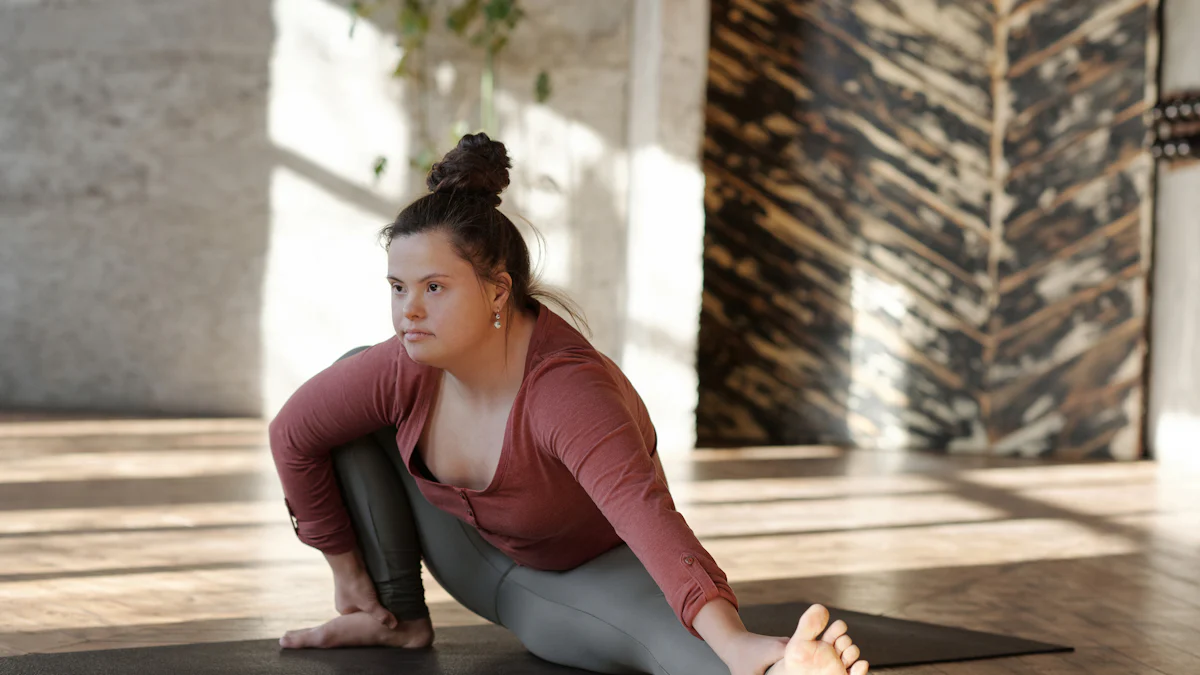
Image Source: pexels
Prāṇāyāma
Prāṇāyāma refers to breath control. This practice plays a fundamental role in Vedic meditation. By focusing on the breath, you can calm the mind and increase vital energy. Pranayama involves specific techniques that help regulate the flow of prana, or vital energy, in the body.
There are several pranayama techniques you can try:
-
Nadi Shodhana: Also known as alternate nostril breathing, this exercise balances the body's energies. You close one nostril while inhaling through the other and vice versa. This practice improves concentration and reduces anxiety.
-
Kapalabhati: This technique involves rapid, forced breaths. It purifies the lungs and energizes the body. Regular practice of Kapalabhati can increase mental clarity and vitality.
-
Ujjayi: Known as victorious breath, you inhale and exhale through the nose, producing a soft sound. This technique calms the mind and helps maintain focus during meditation.
Studies show that prāṇāyāma can significantly reduce stress and anxiety. Furthermore, it improves cardiovascular function, lowering blood pressure. Regular practice strengthens the immune system and increases resilience to stress. By integrating prāṇāyāma into your routine, you not only improve your meditation but also transform your physical and mental health.
Upāsana
Upāsana refers to the practice of devotion and worship. This practice involves meditation on a deity or spiritual concept. Upāsana helps cultivate a state of deep connection with the divine. You can choose a deity that resonates with you or a spiritual principle you admire.
During the practice of upāsana, you can use mantras, visualizations, or simply contemplation. This practice promotes a state of inner peace and harmony. By dedicating time to upāsana, you strengthen your spirituality and increase your awareness.
Upāsana also brings psychological benefits. Studies indicate that regular practice can help achieve tranquility and inner peace. Furthermore, upāsana can aid in the treatment of depression and reduce insomnia. You may notice an improvement in focus and productivity, both at work and in studies.
"Meditation helps to achieve tranquility and inner peace, bringing several benefits for health."
Integrating prāṇāyāma and upāsana into your meditation routine can enrich your practice. These techniques offer distinct, yet complementary, paths to self-knowledge and spiritual fulfillment. By exploring these practices, you connect more deeply with yourself and the universe.
Meditation in the Vedic Tradition offers various practices that promote self-knowledge and inner peace. You can explore methods such as mantra meditation, concentration meditation, and prāṇāyāma. For beginners, start with short sessions and gradually increase the duration. Find a quiet space and establish a routine. Consistency is key; regular practice brings significant benefits, such as improved focus and reduced stress.
"Meditation transforms your life, promoting a state of peace and harmony."
FAQ
What is meditation in the Vedic Tradition?
Meditation in the Vedic Tradition is a practice aimed at achieving a higher state of consciousness. It involves techniques such as mantra repetition, concentration, and contemplation. These practices help you connect with yourself and the universe.
What are the benefits of meditation?
Meditation offers several benefits, including:
-
Stress reduction: Regular practice helps calm the mind.
-
Improved mental health: Studies show that 87% of meditators reported improvements in depression and 86% in anxiety.
-
Increased mental clarity: 80% of practitioners experienced greater mental clarity.
-
Greater inner peace: 91% of respondents indicated feeling more inner peace.
How long should I meditate daily?
For beginners, it is recommended to start with 5 to 10 minutes per day. As you become more comfortable, you can gradually increase the duration. The important thing is to maintain a regular practice.
Do I need a specific space to meditate?
A quiet space free from distractions is ideal for meditation. You can create a welcoming environment at home using cushions, candles, or incense. The goal is to feel comfortable and relaxed.
Can meditation help with concentration?
Yes, meditation improves concentration. Practicing techniques like concentration meditation helps you focus on a single object or thought. This results in greater productivity and mental clarity.
Can I meditate anywhere?
Yes, you can meditate anywhere. The important thing is to find a quiet moment. Whether at home, at work, or outdoors, meditation can be adapted to your environment.
Is meditation suitable for everyone?
Meditation is a practice accessible to everyone. It doesn't matter your age or physical condition. You can adapt the techniques to your needs and limitations.
What is Prāṇāyāma and how does it relate to meditation?
Prāṇāyāma refers to breath control. This practice is fundamental in Vedic meditation. By focusing on your breath, you calm your mind and increase vital energy. Techniques like Nadi Shodhana and Kapalabhati help regulate the flow of energy in the body.
Can meditation help with physical health?
Yes, meditation brings significant benefits to physical health. Studies show that regular practice can reduce blood pressure and strengthen the immune system. You may feel an overall improvement in your health and well-being.
How can I start meditating?
To begin meditating, follow these steps:
-
Find a quiet place.
-
Sit comfortably.
-
Close your eyes and breathe deeply.
-
Choose a meditation technique that resonates with you.
-
Practice regularly, even if only for a few minutes.
"Regular practice transforms your life, promoting a state of peace and harmony."



