
The Complete Guide to Yoga for Couples: Benefits and Practices
Image Source: unsplash
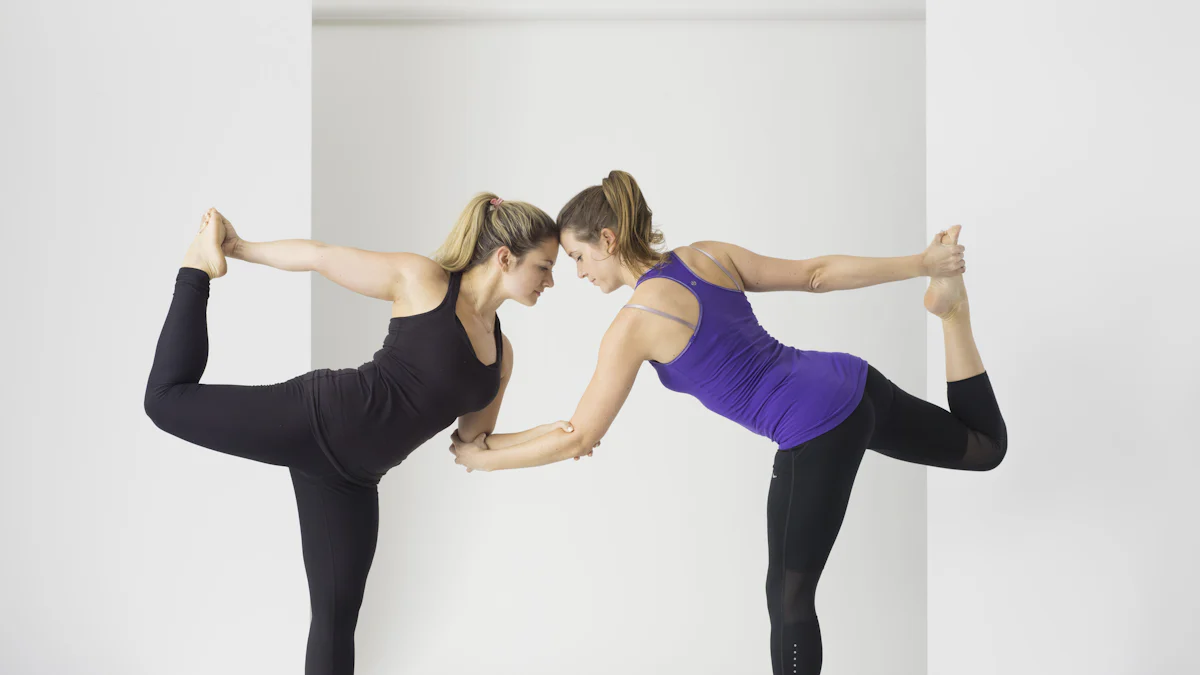
Partner yoga is a practice that promotes communication, trust, and connection between practitioners. By practicing yoga as a partner, you strengthen not only the body but also emotional bonds. This practice encourages physical development and relaxation, allowing both participants to evolve together. Whether you are a beginner or an experienced practitioner, partner yoga offers an enriching experience. This guide aims to help you explore the benefits and practices of partner yoga, providing a journey of well-being and harmony.
Benefits of Partner Yoga
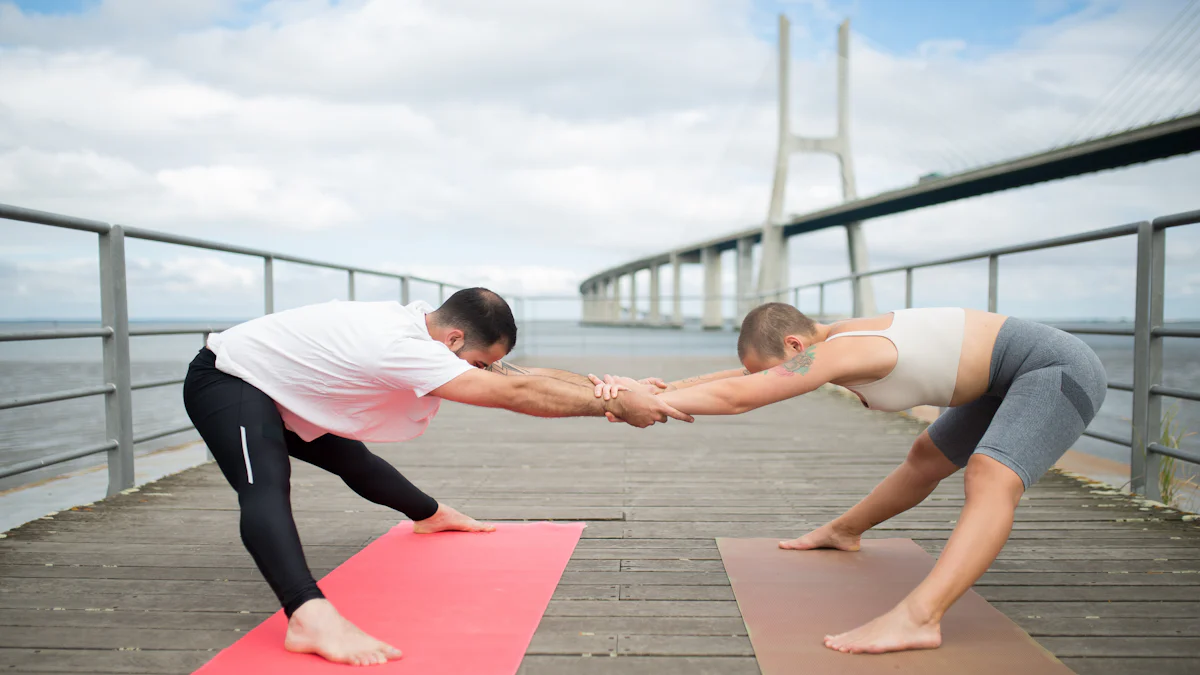
Image Source: pexels
Practicing partner yoga offers a range of advantages that go beyond the physical. This practice not only improves physical health but also promotes mental and emotional well-being. Let's explore the benefits that partner yoga can offer.
Physical Benefits
Improved Flexibility
Partner yoga helps increase flexibility effectively. By performing postures together, you can achieve deeper stretches. The presence of a partner allows you to explore new limits, promoting a greater range of motion. Regular practice can contribute to injury prevention and improve overall mobility.
Increased Strength
Partner yoga is also excellent for muscle strengthening. Many poses require you to support your partner's weight, which increases endurance and strength. This type of exercise is particularly effective for toning core, arm, and leg muscles. Over time, you will notice a significant increase in your physical strength.
Mental Benefits
Stress Reduction
Partner yoga is a powerful tool for reducing stress. Joint practice promotes the release of neurotransmitters such as dopamine and serotonin, which are responsible for feelings of well-being. Furthermore, conscious breathing and concentration during postures help calm the mind, reducing anxiety and daily stress.
Improved Concentration
Partner yoga requires focus and attention. By coordinating movements and breathing with your partner, you develop a greater capacity for concentration. This skill can be transferred to other areas of life, improving performance in tasks that require attention and focus.
Emotional Benefits
Strengthening Bonds
Partner yoga is an excellent way to strengthen emotional bonds. Joint practice promotes communication and trust between partners. By working together to achieve postures, you develop a deeper and more meaningful connection. This shared experience can enrich the relationship and create a stronger bond.
Increased Trust
Practicing partner yoga also increases mutual trust. By trusting your partner for support and guidance during poses, you develop a sense of security and confidence. This trust can extend beyond the yoga mat, improving communication and cooperation in other aspects of life.
Preparation for Practice
Before beginning partner yoga practice, proper preparation is essential. Choosing the right space and warming up are fundamental steps to ensure a safe and enjoyable experience.
Choosing the Space
Suitable Environment
To practice partner yoga, choose a quiet space free from distractions. A calm environment helps you concentrate better and connect with your partner. Make sure the space is large enough to allow for free and safe movement. Soft lighting and a comfortable temperature also contribute to creating an environment conducive to practice.
Necessary Materials
The right materials are essential for effective partner yoga practice. The Yoga Mat is the only truly necessary piece of equipment. It provides a non-slip surface and protects the body from direct contact with the floor. Additionally, consider using yoga blocks and belts. These accessories help maintain balance and perform postures correctly, especially more challenging ones.
Warm-up
Stretching Exercises
Warm-up is crucial before starting a couple's yoga practice. Begin with stretching exercises to prepare the muscles and prevent injuries. Gentle stretches help increase flexibility and prepare the body for more demanding postures. Focus on areas such as the shoulders, hips, and legs, which are frequently used during practice.
Breathing Techniques
Breathing is a vital part of partner yoga. Practice breathing techniques to calm the mind and increase concentration. Deep, controlled breathing helps synchronize movements with your partner, promoting a more harmonious experience. Take a few minutes to breathe deeply before you begin, to establish a calm and steady rhythm.
Properly preparing for partner yoga practice not only enhances the experience but also maximizes physical and emotional benefits. With the right environment and a good warm-up, you'll be ready to explore the wonders of this partnered practice.
Styles of Partner Yoga
Exploring different styles of partner yoga can enrich your practice and bring new experiences. Each style offers unique benefits, allowing you and your partner to discover what best suits your needs and preferences. Acro Yoga
Acro Yoga combines elements of yoga, acrobatics, and Thai massage. This style is dynamic and fun, promoting trust and communication between partners.
Basic Principles
In Acro Yoga, one partner acts as the base, supporting the other, who is the flyer. The base provides stability, while the flyer performs acrobatic movements. Communication is essential to ensure the safety and success of the poses. This two-person yoga style develops strength, flexibility, and coordination.
Common Poses
Some common poses in Acro Yoga include the "Bird," where the flyer is supported in the air by the base, and the "Throne," which involves balance and strength. These poses require mutual trust and good communication. Regular practice can improve concentration and help control anxiety, as studies indicate.
Restorative Yoga
Restorative Yoga is a gentler and more relaxing style, focused on recovery and stress relief. This style is ideal for those seeking a more tranquil and introspective practice.
Relaxation Techniques
In Restorative Yoga, you use props such as cushions and blankets to support the body in passive postures. These techniques allow the body to relax completely, promoting physical and mental recovery. Regular practice can help reduce stress and prevent mental disorders. Supporting Poses
Supporting poses in Restorative Yoga include the "Child's Pose" and the "Corpse Pose," which are held for extended periods. These poses help calm the mind and relax the body. Partner yoga practice in this style can strengthen emotional bonds, providing a safe space for connection and relaxation.
Exploring different styles of partner yoga can enrich your practice and bring new benefits to your physical and mental health. Whether you choose a more dynamic style like Acro Yoga or a more relaxing one like Restorative Yoga, partner practice can strengthen your connection with your partner and promote overall well-being.
Specific Techniques and Postures

Image Source: unsplash
Exploring specific techniques and postures in partner yoga can enrich your practice and strengthen the connection with your partner. These postures not only improve balance and flexibility, but also promote trust and communication between practitioners.
Balancing Postures
Balancing postures in partner yoga require coordination and mutual trust. These postures help develop stability and concentration, essential for effective practice.
Two-Person Tree Pose
In the Two-Person Tree Pose, both partners stand side-by-side, supporting each other. Each lifts one leg, placing their foot on the inside of the opposite thigh. Hands can be joined in front of the chest or raised above the head. This pose strengthens leg muscles and improves balance. Regular practice of this pose can increase trust between partners, creating a solid foundation for other poses.
Two-Person Warrior Pose
The Two-Person Warrior Pose involves both partners in a lunge position, with arms extended forward and backward. Partners should support each other, maintaining a firm and stable posture. This pose strengthens the legs and arms, as well as improving endurance. Joint practice of this pose promotes communication and cooperation, essential for success in two-person yoga.
Stretching Poses
Stretching poses in two-person yoga help increase flexibility and relieve muscle tension. These poses allow partners to support each other, achieving deeper and more effective stretches.
Butterfly Pose for Two
In the Butterfly Pose for Two, both partners sit facing each other, with the soles of their feet together and their knees open to the sides. Holding each other's hands, the partners gently lean forward, stretching the inner thighs and hips. This pose promotes flexibility and opening of the hips, as well as strengthening the emotional connection between practitioners.
Downward-Facing Dog Pose for Two
Downward-Facing Dog Pose for Two is a variation of the traditional Downward-Facing Dog pose, where one partner assumes a Downward-Facing Dog pose while the other partner leans over them, forming an arch. This pose stretches the spine and shoulders, as well as strengthening the arms and legs. Practicing this pose together promotes trust and communication, essential for a harmonious yoga practice for two people.
"I've been practicing yoga for a few months now, and after realizing the benefits it brings me, I hope to continue this journey with the best yoga teacher I could ask for." - Anonymous
Incorporating these specific techniques and postures into your partner yoga practice can bring numerous physical and emotional benefits. By working together, you and your partner can explore new limits and strengthen your connection, creating a truly enriching yoga experience.
Integrating Partner Yoga into Daily Life
Integrating partner yoga into your daily routine can transform your life, promoting physical and emotional well-being. This practice not only strengthens the body but also deepens the connection with your partner. Let's explore how you can effectively incorporate partner yoga into your daily life.
Regular Practice
To reap the benefits of partner yoga, establishing a regular practice is essential. Consistency is key to progress and continuous improvement.
Establishing a Routine
Creating a yoga routine for two begins with setting a schedule that works for both of you. Choose times of day when you are both relaxed and available. It could be early in the morning to start the day with energy, or in the evening to relax after a busy day. Angela and Pedro Kupfer, yoga experts, suggest that regular practice helps create a healthy habit and strengthens the relationship.
-
Set a fixed time: Choose specific days and times for practice.
-
Create a dedicated space: A quiet place free from distractions helps maintain focus.
-
Start with short sessions: Begin with 15 to 20 minutes and gradually increase.
Tips for Staying Motivated
Staying motivated can be a challenge, but some strategies can help. First, set realistic goals and celebrate small achievements. Participate in workshops or online classes to learn new techniques and poses. Pedro Kupfer highlights the importance of varying your practice to avoid monotony.
-
Vary the poses: Experiment with different styles and poses to keep your practice interesting.
-
Participate in challenges: Sign up for online yoga challenges to stay motivated.
-
Track your progress: Keep a yoga journal to track your development.
Overcoming Challenges
Practicing yoga as a couple can present challenges, but with effective communication and adjusted expectations, you can overcome them.
Effective Communication
Communication is key in partner yoga. Talk to your partner about your needs and limits. During practice, use verbal and nonverbal cues to guide and support each other. Angela Kupfer emphasizes that clear communication strengthens trust and cooperation.
-
Talk before practice: Discuss what each person hopes to achieve.
-
Use clear signals: Develop signals to indicate comfort or discomfort.
-
Give constructive feedback: After practice, share what worked well and what can be improved.
Adjusting Expectations
Each person has different abilities and limitations. Adjusting expectations is crucial for a harmonious practice. Accept that not all postures will be perfect and that progress may vary. Pedro Kupfer suggests that patience and understanding are essential for a successful practice.
-
Be patient: Progress takes time; celebrate small victories.
-
Respect limits: Do not force postures that cause discomfort.
Adapt the poses: Modify the poses to suit both of your skill levels.
Integrating partner yoga into your daily life can be an enriching experience. With regular practice, effective communication, and adjusted expectations, you and your partner can enjoy a journey of well-being and connection.
FAQs
Frequently Asked Questions
Is prior experience necessary?
No prior experience is necessary to begin practicing partner yoga. This practice is accessible to everyone, regardless of skill level. Many beginners find partner yoga a fun and engaging way to begin their yoga journey. Partner practice can be an excellent introduction to the world of yoga, as it allows you to learn and grow together with your partner.
"Practicing yoga as a couple is an enriching experience, even for those who have never practiced yoga before." - Paulo Hayes, yoga teacher
How to deal with skill differences?
Skill differences are common in partner yoga, but they can be managed with some simple strategies. First, it's important to communicate openly with your partner about your abilities and limitations. Adjusting the poses to suit both of your skill levels is essential. For example, if one partner is more flexible, they can help the other achieve more challenging poses, while the less flexible partner can focus on poses that promote balance and strength.
Tips for dealing with skill differences:
-
Communication: Discuss your expectations and limits before starting the practice.
-
Adaptation: Modify the poses so that both of you feel comfortable and safe.
-
Patience: Progress takes time; celebrate small victories and support your partner.
A study conducted by Professor Paulo Hayes, involving 331 yoga practitioners, revealed that effective communication and posture adaptation are key to overcoming skill differences. Of the 138 professionals interviewed, the majority highlighted the importance of creating a supportive and mutually understanding environment.
"The practice of yoga as a partner is not about perfection, but about connection and mutual growth." - Paulo Hayes
These frequently asked questions address some of the most common concerns among yoga practitioners. With an open and adaptable approach, you can enjoy a harmonious and rewarding practice, regardless of your experience level.
In this guide, you explored the multiple benefits of partner yoga, from physical strengthening to improved communication and trust between partners. This practice not only promotes flexibility and strength, but also deepens emotional bonds and spiritual connection. By integrating partner yoga into your routine, you can transform the quality of your relationships and achieve holistic well-being. We encourage you to try this enriching practice, which not only improves physical health, but also strengthens the bond and complicity with your partner.



