How to Select the Ideal Yoga Class at Just Yoga
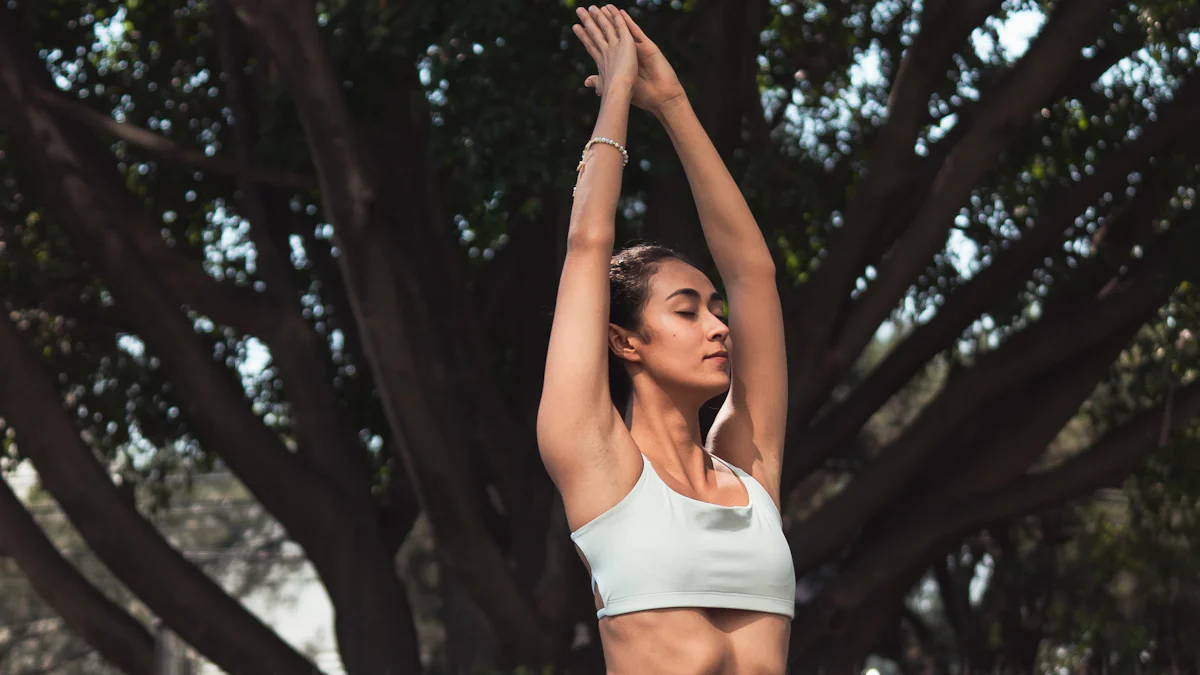
Image Source: pexels
Choosing the right yoga class can make all the difference in your practice. You want a class that not only enhances your experience but also helps you achieve your personal goals. Start by understanding your needs. This first step sets the foundation for a fulfilling journey at Just Yoga Pluit. Remember, the right class is out there waiting for you!
Key Takeaways
-
Assess your current fitness level to choose a yoga class that matches your abilities and goals.
-
For beginners, start with gentle classes focusing on foundational poses and alignment to build confidence.
-
Define your yoga goals, whether for stress relief, physical fitness, or mindfulness, to guide your class selection.
-
Explore different yoga styles at Just Yoga to find what resonates with you, from dynamic Vinyasa to calming Restorative classes.
-
Research instructors' qualifications and teaching styles to ensure a supportive and enriching learning environment.
-
Consider your schedule and commitment level when selecting classes, aiming for consistency over frequency.
-
Embrace the journey of yoga; each class is an opportunity for growth and self-discovery.
Understanding Your Personal Fitness Level
Assessing Your Current Fitness Level
Before you dive into a yoga class, take a moment to assess your current fitness level. This step helps you choose a class that matches your abilities and goals.
Considerations for beginners
If you're new to yoga, start with beginner-friendly classes. These sessions focus on foundational poses and breathing techniques. You’ll learn at a comfortable pace. Don't hesitate to ask questions. Instructors love to help newcomers.
Here are a few tips for beginners:
-
Start slow: Choose classes labeled as "beginner" or "gentle."
-
Focus on alignment: Pay attention to how your body moves in each pose. Proper alignment prevents injuries.
-
Listen to your body: If something feels uncomfortable, modify the pose or take a break.
Tips for intermediate and advanced practitioners
For those with some experience, look for classes that challenge you. Intermediate and advanced classes often introduce more complex poses and sequences. You can deepen your practice and explore new styles.
Consider these tips:
-
Explore different styles: Try Vinyasa or Ashtanga for a dynamic flow. Yin yoga offers a slower pace with deep stretches.
-
Set personal challenges: Aim to master a specific pose or technique. This keeps your practice fresh and exciting.
-
Connect with instructors: Share your goals with them. They can provide guidance tailored to your level.
Recognizing Physical Limitations
Understanding your physical limitations is crucial. This awareness helps you choose classes that suit your body’s needs.
Injury considerations
If you have any injuries, inform your instructor before class. They can suggest modifications to protect you while still allowing you to participate. Many practitioners start yoga to improve their health and fitness. However, pushing through pain can lead to setbacks. Always prioritize your well-being.
Flexibility and strength assessments
Evaluate your flexibility and strength. This assessment will guide your class selection. If you struggle with flexibility, consider classes that emphasize stretching, like Yin or Restorative yoga.
On the other hand, if you feel strong but want to improve flexibility, look for classes that incorporate both strength and stretch.
Remember, yoga is a journey. Embrace where you are now, and enjoy the process of growth.
Identifying Your Yoga Goals
Defining Your Objectives
Before you step into a yoga class, take a moment to think about what you want to achieve. Your goals can shape your practice and guide your class selection.
Stress relief vs. physical fitness
Do you seek stress relief or physical fitness? Both are valid reasons to practice yoga, but they lead you down different paths. If you want to unwind and relax, look for classes that focus on gentle movements and breathing techniques. Styles like Restorative or Yin yoga can help you find calm and peace.
On the other hand, if you aim to improve your physical fitness, consider more dynamic classes. Vinyasa or Ashtanga yoga offers a vigorous flow that builds strength and endurance.
Mindfulness and meditation goals
Many people also turn to yoga for mindfulness and meditation. If this resonates with you, seek classes that incorporate these elements. Look for sessions that emphasize breath awareness and meditation practices. These classes can deepen your connection to yourself and enhance your overall well-being.
Setting Realistic Expectations
Once you define your objectives, set realistic expectations for your yoga journey. This approach keeps you motivated and helps you track your progress.
Short-term vs. long-term goals
Break your goals into short-term and long-term categories. Short-term goals might include attending a certain number of classes each week or mastering a specific pose. Long-term goals could involve achieving greater flexibility or finding inner peace through consistent practice.
By setting these goals, you create a roadmap for your yoga journey. Celebrate your achievements along the way, no matter how small. Each step forward counts!
Tracking progress
Tracking your progress can keep you engaged and motivated. Consider keeping a journal to note your experiences after each class. Write down what you learned, how you felt, and any poses you found challenging. This reflection helps you see how far you've come and what areas you want to focus on next.
Remember, yoga is a personal journey. Embrace your unique path and enjoy the process of growth. With clear goals and realistic expectations, you’ll find the right classes that resonate with your aspirations.
Exploring Different Yoga Styles at Just Yoga
Image Source: unsplash
Overview of Popular Yoga Styles
At Just Yoga, you’ll find a variety of yoga styles to suit your needs. Each style offers unique benefits, so understanding them helps you make the right choice.
Hatha, Vinyasa, and Ashtanga
Hatha Yoga serves as a great starting point for beginners. It emphasizes foundational poses and alignment. You’ll move slowly from pose to pose, allowing you to grasp the basics comfortably.
Vinyasa Yoga connects breath with movement. This style flows smoothly from one posture to another, creating a dynamic workout. If you enjoy a good challenge, Vinyasa can keep you engaged and energized.
Ashtanga Yoga takes it up a notch. It follows a set sequence of poses, promoting strength and flexibility. This style demands commitment and discipline, making it perfect for those looking to deepen their practice.
Yin, Restorative, and Kundalini
Yin Yoga focuses on deep stretching and relaxation. You hold poses for longer periods, allowing your body to release tension. This style balances well with more vigorous practices, providing a calming counterpoint.
Restorative Yoga offers a gentle approach. You use props to support your body in restful poses. This style promotes relaxation and stress relief, making it ideal for those seeking tranquility.
Kundalini Yoga combines physical postures, breathing techniques, and meditation. It aims to awaken your energy and enhance your spiritual connection. If you’re curious about exploring the deeper aspects of yoga, Kundalini might resonate with you.
Matching Styles to Your Goals
Now that you know about different styles, let’s match them to your goals. Choosing the right style can significantly impact your yoga journey.
Choosing based on fitness level
Your fitness level plays a crucial role in selecting a class. Beginners should lean towards Hatha or Restorative classes. These options provide a supportive environment to build your foundation.
If you’re more experienced, consider Vinyasa or Ashtanga. These styles challenge you physically and mentally, pushing you to grow in your practice.
Aligning with personal preferences
Think about what you enjoy. Do you prefer a fast-paced class or a slower, more meditative approach? If you love movement, Vinyasa or Power Yoga might be your go-to. If you seek relaxation, Yin or Restorative Yoga will likely suit you better.
Remember, yoga is personal. Explore different styles at Just Yoga Pluit until you find what feels right for you. Enjoy the journey of discovering your ideal practice!
Evaluating Instructors and Class Atmosphere
Image Source: pexels
Researching Instructors’ Qualifications
Finding the right instructor can elevate your yoga experience. You want someone who resonates with your goals and teaching style. Start by researching their qualifications.
Experience and teaching style
Look for instructors with solid experience. A seasoned teacher often brings a wealth of knowledge to the class. They can guide you through poses and help you deepen your practice. For instance, Cassandra, a well-respected yoga instructor, inspires many with her comprehensive knowledge. Her warm and encouraging teaching style makes each session engaging.
You might also want to consider how an instructor teaches. Do they provide clear instructions? Are they approachable? These factors can significantly impact your comfort level in class.
Specializations and certifications
Instructors often have specializations that can enhance your learning. Some may focus on specific styles like Vinyasa or Restorative yoga. Others might have certifications in areas like prenatal yoga or yoga therapy. Knowing their specialties helps you choose a class that aligns with your needs.
For example, Cassi has a reputation for creating a safe and supportive environment. Her students often mention how her classes challenge them while fostering growth. This balance can be crucial for your development as a yogi.
Understanding Class Environment
The atmosphere of a yoga class plays a vital role in your overall experience. You want a space that feels welcoming and supportive.
Community vibe and support
A positive community vibe can enhance your practice. Look for classes where you feel a sense of belonging. Supportive environments encourage you to explore your limits and connect with others.
Many students appreciate the camaraderie found in classes at Just Yoga Pluit. Sharing your journey with fellow practitioners can motivate you to stay committed.
Class size and personal attention
Class size matters too. Smaller classes often allow for more personal attention from instructors. You can receive feedback on your poses and adjustments tailored to your needs. This individualized approach can help you progress faster.
On the other hand, larger classes can create a vibrant energy. If you thrive in a bustling environment, you might enjoy the dynamic of a full class.
Ultimately, consider what feels right for you. Whether you prefer the intimacy of a small group or the energy of a larger class, finding the right fit will enhance your yoga journey.
Considering Class Schedules and Commitments
Finding a Schedule That Works for You
When you choose a yoga class, consider how often you want to practice. The frequency of classes can greatly impact your progress and enjoyment.
Frequency of classes
If you’re just starting, aim for one or two classes per week. This approach allows you to build a solid foundation without feeling overwhelmed. As you grow more comfortable, you can increase your attendance. Many practitioners find that attending classes three to four times a week helps them deepen their practice and stay motivated.
Time of day preferences
Think about when you feel most energized. Do you prefer morning sessions to kickstart your day? Or do evening classes help you unwind after a long day? Just Yoga offers various class times, so you can find what fits your lifestyle best.
Experiment with different times to see what works for you. You might discover that a lunchtime class gives you a refreshing break, while an evening session helps you relax before bed.
Assessing Commitment Levels
Understanding your commitment level is crucial. This knowledge helps you choose the right class format for your needs.
Drop-in vs. membership options
Just Yoga Pluit offers both drop-in classes and membership options. If you’re unsure about committing long-term, start with drop-in classes. This flexibility allows you to try different styles and instructors without pressure.
Once you find your groove, consider a membership. Memberships often provide discounts and perks, making regular practice more affordable.
Balancing yoga with other commitments
Life can get busy. Balancing yoga with work, family, and other commitments is essential. Set realistic goals for your practice. If you can only attend one class a week, that’s perfectly fine.
Remember, yoga is about quality, not quantity. Even a single class can bring you peace and clarity. Prioritize your well-being, and make yoga a joyful part of your routine.
Understanding your personal needs is key to selecting the right yoga class. Take the time to explore different options and trust your instincts. Each class offers a unique experience that can enhance your practice. Remember, finding the perfect fit is a journey worth taking. Embrace the process, and enjoy discovering what resonates with you. Your ideal yoga class awaits at Just Yoga Pluit!
FAQ
What do I need to start yoga? What if I’m not flexible enough for it?
You don’t need much to start yoga. Just wear comfortable clothes and bring a yoga mat. If you don’t have a mat, Just Yoga provides them for you. Flexibility isn’t a requirement. Yoga helps improve flexibility over time. Everyone starts somewhere, so don’t worry about being perfect.
How do I figure out what kind of yoga is right for me?
Start by thinking about your goals. Are you looking for relaxation, strength, or flexibility? If you’re new to yoga, try beginner classes that focus on poses and fundamentals. You might also explore gentle classes if you prefer a slower pace.
What if I get hurt during class?
Injuries can happen, but yoga is generally safe. Always listen to your body. If something feels wrong, stop and inform your instructor. They can suggest modifications to help you practice safely. Remember, your well-being comes first.
Is yoga effective? How will it help me?
Absolutely! Yoga offers numerous benefits. It can improve flexibility, strength, and balance. Many people find it helps reduce stress and anxiety. Regular practice can enhance your overall well-being, both physically and mentally.
What if I’m not as good as everyone else in class?
Yoga isn’t about competition. Everyone practices at their own level. Focus on your journey and progress. You’ll find that many people in class share similar feelings. Embrace your unique path and celebrate your achievements, no matter how small.
How often should I practice yoga?
Aim for consistency rather than frequency. If you can attend one or two classes a week, that’s a great start. As you grow more comfortable, you can increase your attendance. Find a routine that fits your lifestyle and keeps you motivated.
Can I try different styles of yoga?
Definitely! Exploring different styles can help you discover what resonates with you. Just Yoga offers various classes, from gentle to dynamic. Don’t hesitate to try out different instructors and styles until you find your perfect match.
What should I expect in my first class?
Expect a warm welcome! Instructors will guide you through poses and breathing techniques. You might feel a bit challenged, but that’s part of the journey. Remember, everyone in class has been a beginner at some point. Enjoy the experience!
How do I stay motivated in my yoga practice?
Set clear goals for your practice. Whether it’s mastering a pose or attending a certain number of classes, having goals keeps you focused. Also, connect with fellow practitioners. Sharing your journey can boost your motivation and make yoga more enjoyable.
What if I have specific health concerns?
If you have health concerns, consult your doctor before starting yoga. Inform your instructor about any limitations or conditions. They can help tailor your practice to suit your needs. Yoga can be a wonderful way to support your health, so don’t hesitate to ask for guidance.
See Also
Selecting The Ideal Online Yoga Class For You
Yoga Practice: Discover Your Ideal Class Schedule
Navigating The Yoga Barn Class Timetable Effectively