Mastering the Yoga Plank Pose: A Step-by-Step Guide
Image Source: unsplash
The yoga plank pose is more than just a simple exercise. It's a powerful tool for enhancing your overall well-being. By mastering this pose, you can enjoy a range of benefits. You'll strengthen your arms, wrists, spine, and core, leading to improved posture and reduced chronic pain. This guide aims to help you perfect the plank pose, ensuring you reap these rewards safely and effectively. Whether you're a beginner or looking to refine your technique, this step-by-step guide will support your journey to a stronger, healthier you.
Understanding the Yoga Plank Pose
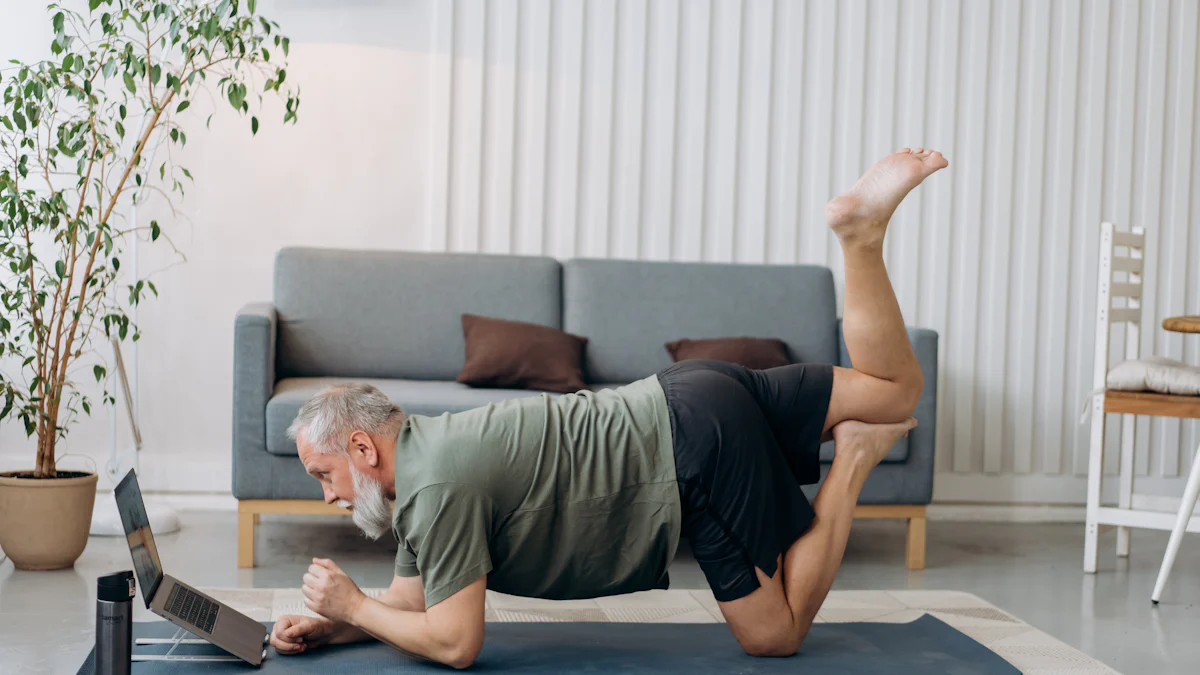
Image Source: pexels
What is the Yoga Plank Pose?
Definition and description
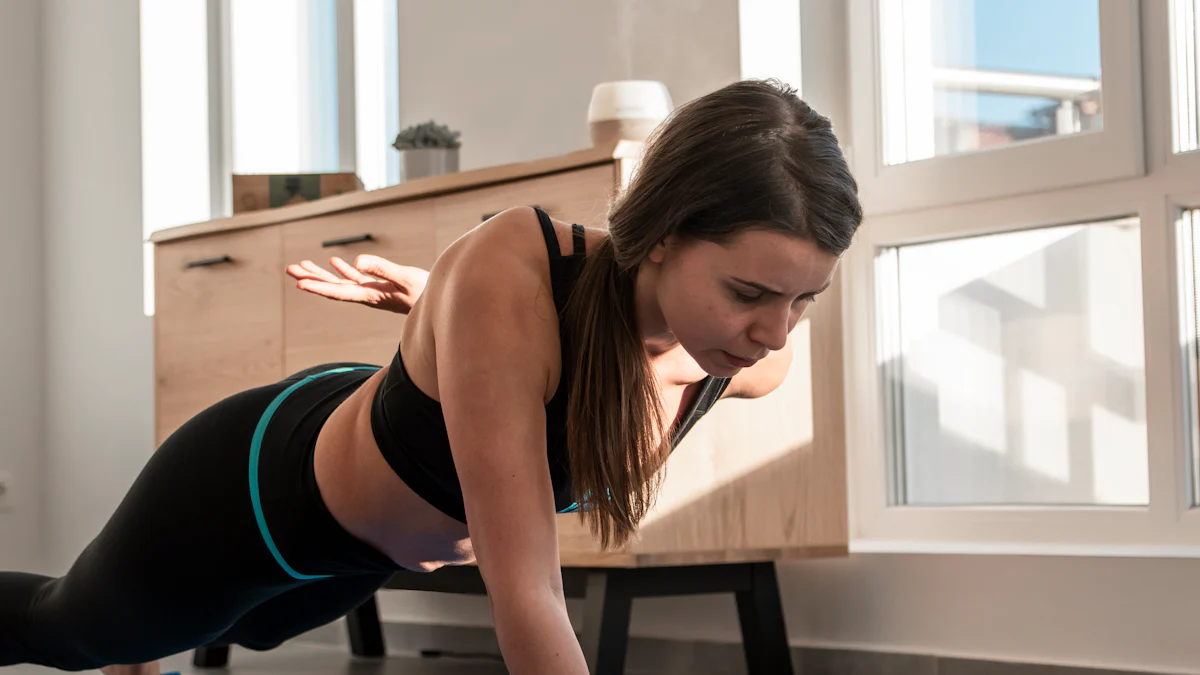
The yoga plank pose is a foundational position in many yoga practices. You start by placing your palms on the ground directly under your shoulders. Your body should form a straight line from head to heels. This pose engages your core, arms, and legs, providing a full-body workout. It's simple yet powerful, offering numerous benefits when practiced correctly.
Historical background
The yoga plank pose has roots in ancient yoga traditions. It has evolved over centuries, becoming a staple in modern yoga routines. Originally, yogis used it to build strength and endurance. Today, it's recognized worldwide for its effectiveness in enhancing physical fitness and mental focus.
Benefits of the Yoga Plank Pose
Physical benefits
Practicing the yoga plank pose regularly can transform your body. It strengthens your core, back, thighs, shoulders, and arms. This pose also improves posture and increases bone density, particularly in your hands, wrists, and feet. By engaging multiple muscle groups, it helps prevent chronic pain and injuries. You might notice better balance and reduced risk of falls as well.
Mental benefits
Beyond physical gains, the yoga plank pose offers mental advantages. Holding the pose requires concentration and mental endurance. This focus can reduce stress and enhance your overall sense of well-being. As you practice, you may find increased mental clarity and a boost in self-confidence.
Common Mistakes to Avoid
Incorrect alignment
One common mistake in the yoga plank pose is poor alignment. Ensure your body forms a straight line from head to heels. Avoid letting your hips sag or lifting your buttocks too high. Proper alignment maximizes the benefits and minimizes the risk of injury.
Overstraining muscles
Overstraining is another pitfall. You might feel tempted to push beyond your limits, but this can lead to muscle strain. Listen to your body and maintain a comfortable level of exertion. If needed, modify the pose to suit your current strength and flexibility.
Step-by-Step Instructions
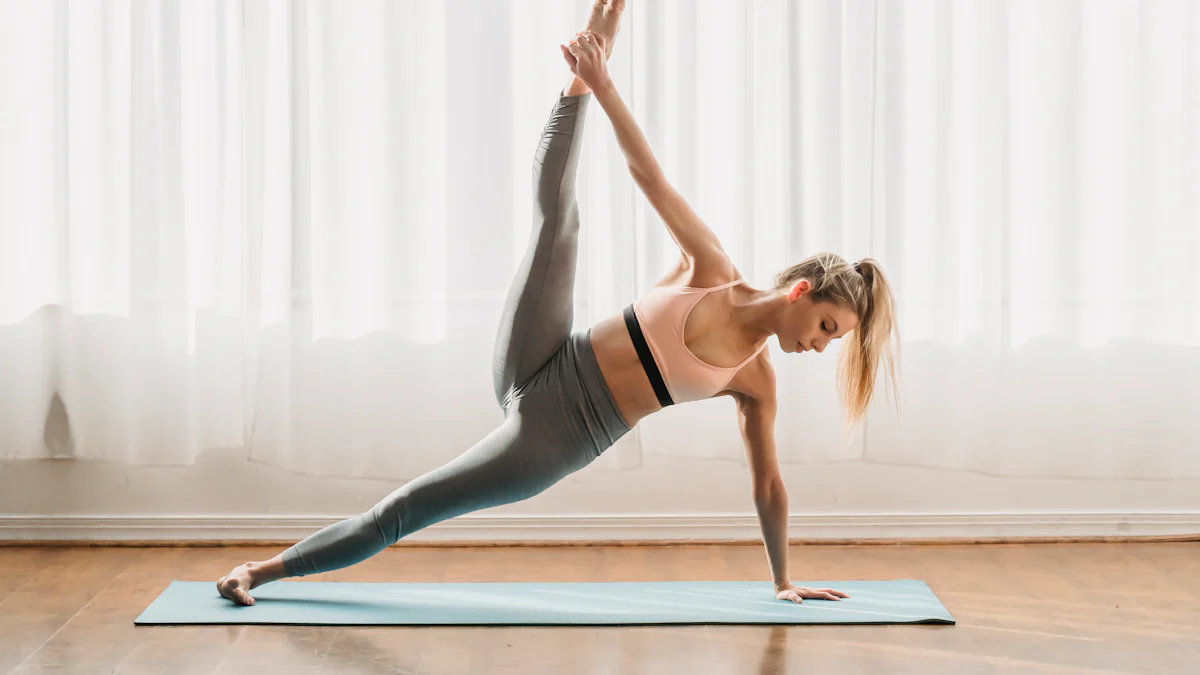
Image Source: pexels
Preparing for the Yoga Plank Pose
Before diving into the yoga plank pose, it's crucial to prepare your body and mind. This preparation ensures you perform the pose safely and effectively.
Necessary equipment
You don't need much to get started with the yoga plank pose. A yoga mat provides a comfortable surface and prevents slipping. If you have sensitive wrists, consider using a yoga block or a folded towel for extra support. These simple tools can make a big difference in your practice.
Warm-up exercises
Warming up is essential. It helps prevent injuries and prepares your muscles for the yoga plank pose. Start with some gentle stretches. Focus on your wrists, shoulders, and core. Try arm circles, wrist rotations, and cat-cow stretches. These exercises increase blood flow and flexibility, setting you up for success.
Executing the Basic Yoga Plank Pose
Now that you're prepared, let's move on to executing the basic yoga plank pose. This foundational position is key to building strength and stability.
Starting position
Begin by positioning yourself on all fours. Place your palms directly under your shoulders. Spread your fingers wide for better grip. Step your feet back one at a time. Your body should form a straight line from head to heels. This alignment is crucial for maximizing the benefits of the yoga plank pose.
Maintaining proper form
Maintaining proper form is vital. Engage your core by pulling your belly button towards your spine. Keep your shoulders away from your ears. Press your heels back and extend your sternum forward. Avoid letting your hips sag or lifting your buttocks too high. Proper form ensures you engage the right muscles and avoid strain.
Advanced Variations of the Yoga Plank Pose
Once you've mastered the basic yoga plank pose, you can explore advanced variations. These variations challenge your strength and balance, taking your practice to the next level.
Side plank
The side plank is a popular variation. Start in the basic plank position. Shift your weight onto your right hand and the outer edge of your right foot. Stack your left foot on top of your right. Raise your left arm towards the ceiling. Keep your body in a straight line. This variation strengthens your obliques and improves balance.
Plank with leg lift
For an added challenge, try the plank with a leg lift. Begin in the basic plank position. Lift your right leg off the ground, keeping it straight. Hold for a few breaths, then switch to the left leg. This variation engages your glutes and hamstrings, enhancing the benefits of the yoga plank pose.
By following these step-by-step instructions, you can master the yoga plank pose and its variations. Remember, consistency is key. Practice regularly to build strength and confidence in your yoga journey.
Safety and Modifications
When practicing the yoga plank pose, safety should always come first. Understanding your body's limits and making necessary adjustments can help you avoid injury and make your practice more enjoyable.
Cautions and Contraindications
Who should avoid this pose
The yoga plank pose is generally safe for most people, but some should approach it with caution. If you have wrist or shoulder injuries, you might want to skip this pose or consult a healthcare professional before trying it. Pregnant individuals should also be cautious, especially in the later stages of pregnancy. Always listen to your body and avoid any movements that cause pain or discomfort.
Signs of overexertion
Overexertion can happen if you push yourself too hard. Watch for signs like shaking muscles, sharp pain, or difficulty breathing. These are signals that you need to take a break. It's important to maintain a steady breath and feel a comfortable level of challenge. If you notice any of these signs, ease out of the pose and rest.
Modifications for Beginners
Starting with the yoga plank pose can be challenging, but modifications can make it more accessible. These adjustments help you build strength gradually and safely.
Using props
Props can be your best friend when you're new to the yoga plank pose. A yoga block under your hands can reduce wrist strain. You might also try placing your knees on the ground for extra support. These modifications allow you to focus on form and alignment without overloading your muscles.
Adjusting duration
Holding the yoga plank pose for a long time isn't necessary when you're just starting. Begin with short intervals, like 10 to 15 seconds, and gradually increase as you build strength. This approach helps prevent fatigue and ensures you maintain proper form throughout your practice.
By keeping these safety tips and modifications in mind, you can enjoy the benefits of the yoga plank pose while minimizing the risk of injury. Remember, consistency and patience are key. As you practice regularly, you'll notice improvements in your strength and endurance, making the yoga plank pose a rewarding part of your fitness routine.
Mastering the yoga plank pose offers numerous benefits. You've learned how to align your body correctly and avoid common mistakes. Regular practice strengthens your core, arms, and legs, enhancing your overall fitness. Remember, consistency is key. Make the yoga plank pose a part of your routine to see improvements in strength and endurance. We encourage you to share your experiences or ask questions. Your journey with the yoga plank pose can inspire others. Keep practicing, and enjoy the transformation!