Mastering the Half Moon Pose in Yoga
Image Source: unsplash
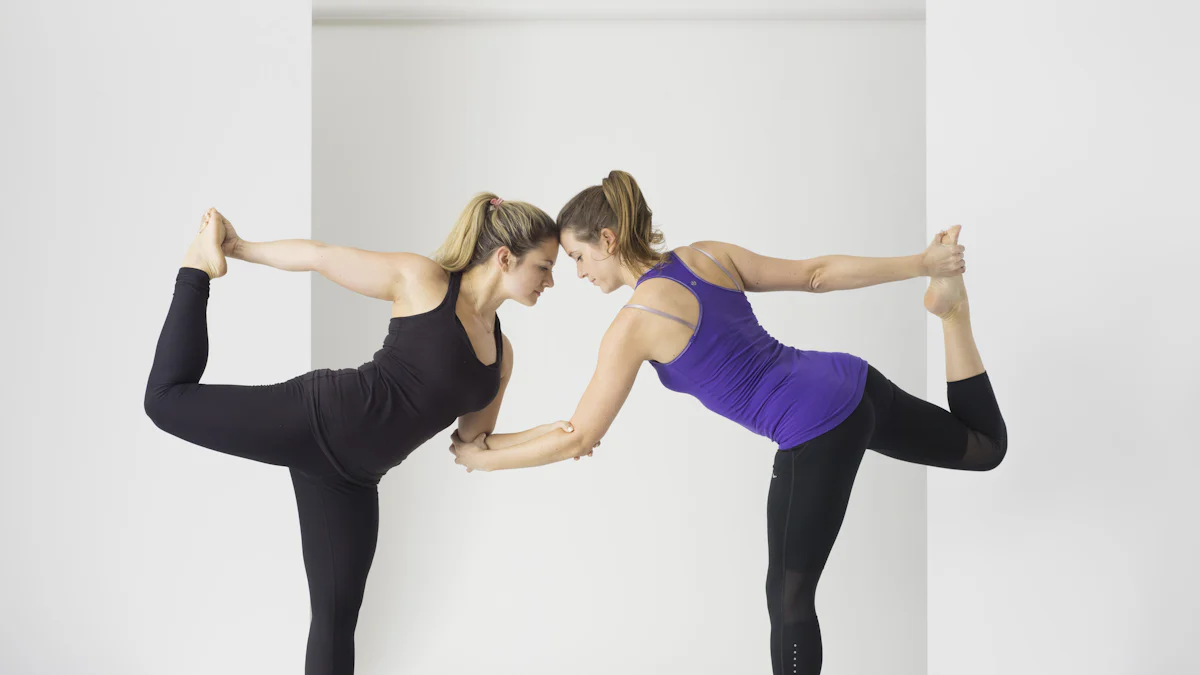
The Half Moon Pose, or Ardha Chandrasana, stands as a cornerstone in yoga practice. This dynamic pose not only enhances your balance but also strengthens your core and improves flexibility. By mastering half moon yoga, you unlock a multitude of benefits. It helps adjust your body from daily strains and boosts your mental and emotional well-being. Whether you're a beginner or an advanced yogi, this pose offers modifications to suit your level. Embrace the challenge and enjoy the journey toward a more balanced and flexible you.
Understanding the Half Moon Pose
What is the Half Moon Pose?
Definition and Sanskrit name
The Half Moon Pose, known as Ardha Chandrasana in Sanskrit, is a standing yoga posture that challenges your balance and core strength. This pose requires you to stand on one leg while extending the other leg and arm, creating a half-moon shape with your body. It's a dynamic pose that engages multiple muscle groups, enhancing your stability and coordination.
Historical background and significance
The Half Moon Pose has roots in ancient yoga traditions. It symbolizes the balance between the sun and the moon, representing harmony and equilibrium in life. Practicing this pose can help you connect with these ancient principles, fostering a sense of peace and balance in your daily routine.
Benefits of Practicing the Half Moon Pose
Physical benefits
Practicing the Half Moon Pose offers numerous physical benefits:
-
Improved balance and stability: This pose strengthens your legs, core, and back, enhancing your overall balance.
-
Pain relief: It can alleviate discomfort in your hips and back, counteracting the effects of prolonged sitting.
-
Enhanced flexibility: Regular practice opens your hips and stretches your hamstrings, improving your flexibility over time.
Mental and emotional benefits
Beyond the physical advantages, the Half Moon Pose also nurtures your mental and emotional well-being:
-
Stress relief: By focusing on your breath and balance, you can calm your mind and reduce stress.
-
Increased focus and determination: The concentration required for this pose sharpens your mental focus, helping you tackle challenges with greater clarity.
-
Emotional release: As a hip opener, it may help release stuck emotions, leaving you feeling more open and energized.
Cautions and Contraindications
Who should avoid this pose
While the Half Moon Pose offers many benefits, it's not suitable for everyone. You should avoid this pose if you have:
-
Recent or chronic injuries to the hips, knees, or ankles
-
Severe balance issues
-
High blood pressure or heart problems
Always consult with a healthcare professional before attempting new yoga poses, especially if you have existing health concerns.
Common mistakes and how to avoid them
When practicing the Half Moon Pose, be mindful of these common mistakes:
-
Misalignment: Ensure your hips and shoulders are stacked vertically to maintain proper alignment.
-
Overreaching: Avoid straining to touch the floor. Use a yoga block for support if needed.
-
Holding your breath: Remember to breathe evenly throughout the pose to maintain balance and focus.
By being aware of these pitfalls, you can safely enjoy the benefits of the Half Moon Pose and enhance your yoga practice.
Step-by-Step Instructions for Half Moon Yoga
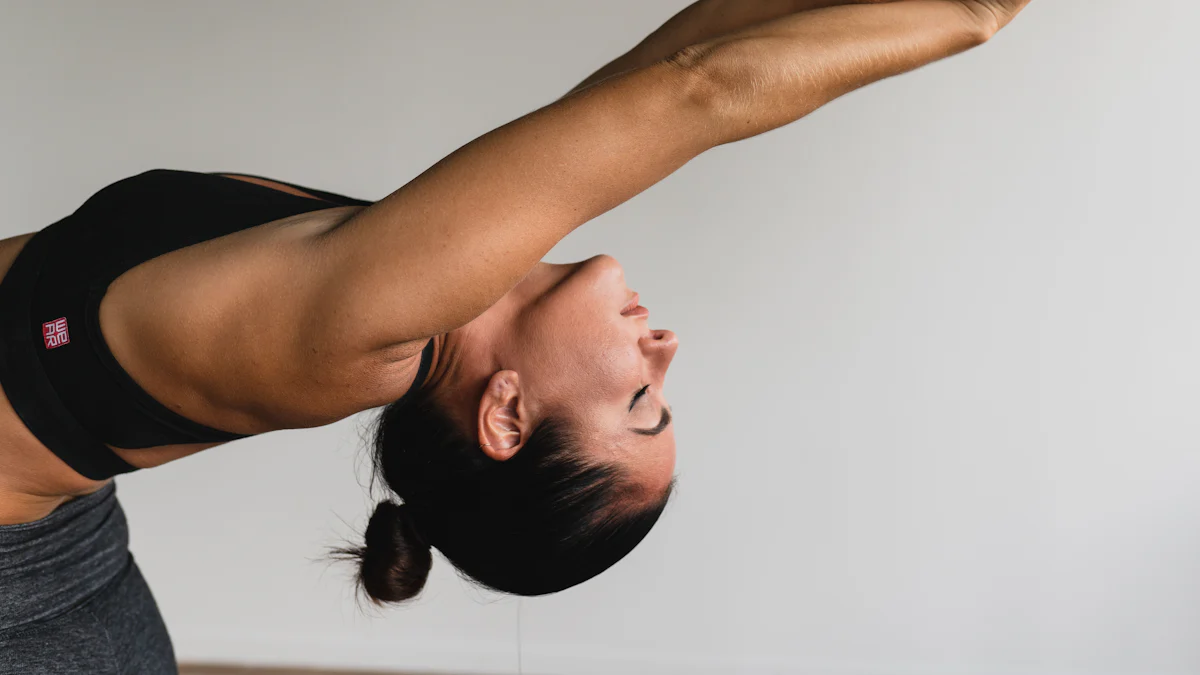
Image Source: unsplash
Mastering the half moon yoga pose requires preparation and attention to detail. Let's break it down step by step so you can confidently incorporate this pose into your practice.
Preparing for the Pose
Necessary equipment and environment
Before you dive into half moon yoga, gather your essentials. A yoga mat provides a stable surface. A yoga block can offer support if you need it. Choose a quiet space with enough room to extend your arms and legs without obstruction. Natural light and a calm atmosphere can enhance your focus.
Warm-up exercises
Warming up is crucial. Start with gentle stretches to loosen your muscles. Focus on your hips, hamstrings, and shoulders. Try a few rounds of sun salutations to get your blood flowing. These exercises prepare your body for the balance and flexibility required in half moon yoga.
Executing the Half Moon Yoga Pose
Initial positioning and alignment
Begin in a standing position. Place your feet slightly less than shoulder-width apart. Rotate your right foot out 90 degrees. Shift your weight onto your right leg. Keep your left leg straight and strong. Extend your left arm upward, reaching toward the sky. Your gaze should follow your left hand.
Transitioning into the full pose
With your right hand, reach down toward the floor or a yoga block. Keep your left leg lifted and parallel to the ground. Your body should form a straight line from your left heel to your left fingertips. Engage your core to maintain balance. This transition is where half moon yoga challenges your stability.
Holding and breathing techniques
Once in position, focus on your breath. Inhale deeply through your nose. Exhale slowly, maintaining your balance. Hold the pose for several breaths. Feel the stretch in your hips and the strength in your core. If you wobble, that's okay. Regain your focus and continue breathing evenly.
Practicing half moon yoga regularly will enhance your balance and flexibility. Remember, each attempt brings you closer to mastery. Enjoy the journey and celebrate your progress.
Modifications and Variations
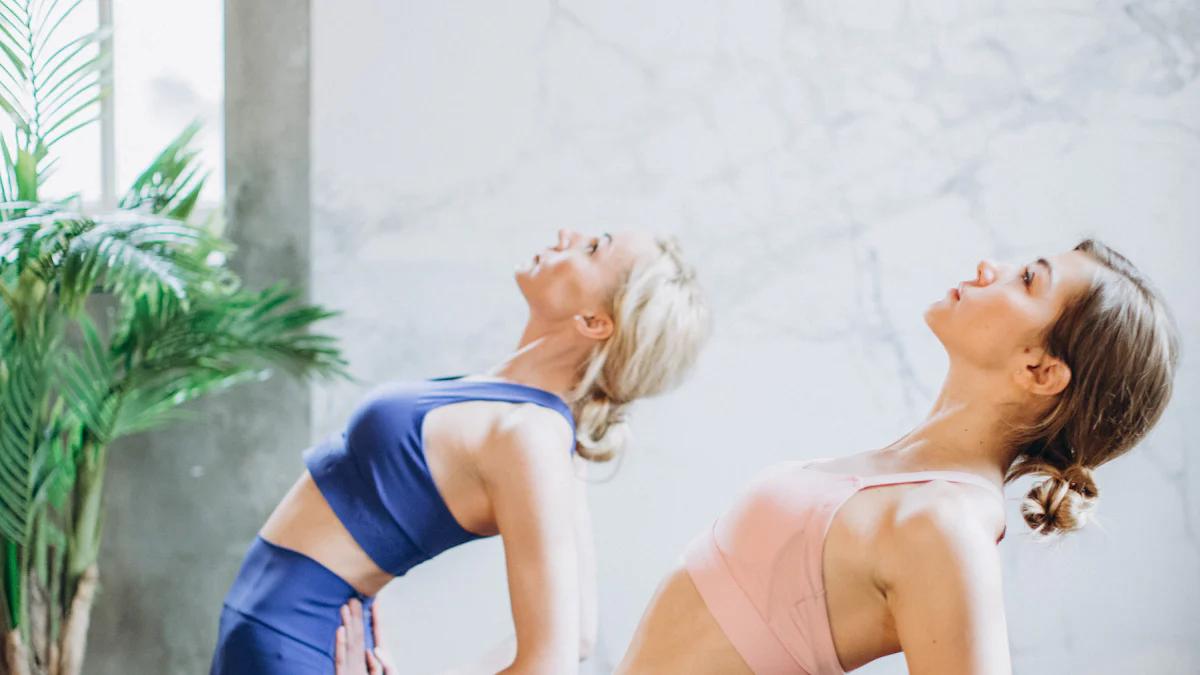
Image Source: pexels
The Half Moon Pose, or half moon yoga, offers a range of modifications and variations to accommodate practitioners at different levels. Whether you're just starting out or looking to deepen your practice, these adjustments can make the pose more accessible and enjoyable.
Modifications for Beginners
Using props for support
If you're new to half moon yoga, props can be your best friend. A yoga block is particularly helpful. Place it under your supporting hand to bring the floor closer to you. This adjustment helps maintain balance and alignment without straining. You can also use a wall for support. Stand with your back against the wall as you transition into the pose. This provides extra stability and helps you focus on your form.
Simplified versions of the pose
For those just beginning their half moon yoga journey, simplified versions of the pose can ease you in. Start by keeping your lifted leg lower. Instead of raising it parallel to the ground, keep it slightly elevated. This reduces the challenge while still engaging your core and improving balance. As you gain confidence, gradually lift your leg higher.
Advanced Variations
Adding complexity to the pose
Once you've mastered the basics of half moon yoga, you might want to add some complexity. Try incorporating a bind by reaching your top arm behind your back and clasping your supporting ankle. This variation increases the stretch in your chest and shoulders. You can also experiment with closing your eyes. This enhances your proprioception and challenges your balance even further.
Integrating with other poses
Advanced practitioners can integrate half moon yoga with other poses for a seamless flow. Transition from Warrior II into Half Moon Pose, then move into Revolved Half Moon Pose. This sequence not only tests your balance but also improves your flexibility and strength. By linking poses, you create a dynamic practice that keeps your body engaged and your mind focused.
"The Half Moon yoga pose is a dynamic pose that can be adjusted to suit practitioners of varying levels of expertise." - Various Practitioners
These modifications and variations ensure that half moon yoga remains a versatile and rewarding part of your practice. Whether you're using props or exploring advanced transitions, each adjustment brings you closer to mastering this empowering pose.
Tips for Mastery
Mastering the half moon yoga pose can be a rewarding journey. With the right techniques and practice, you can overcome common challenges and integrate this pose seamlessly into your routine.
Common Challenges and Solutions
Balancing techniques
Balancing in half moon yoga can feel tricky at first. Focus on your foot and leg placements. Start by grounding your standing foot firmly into the mat. Engage your core muscles to stabilize your body. A soft knee on your standing leg can help maintain balance. Imagine a string pulling your top arm and leg in opposite directions to create length and stability. Practicing the Extended Triangle Pose can also lay a strong foundation for your balance in half moon yoga.
Enhancing flexibility and strength
Flexibility and strength play crucial roles in half moon yoga. To enhance flexibility, incorporate stretches that target your hips, hamstrings, and shoulders. Regular practice of poses like Warrior II and Triangle Pose can improve your range of motion. For strength, focus on exercises that build your core and leg muscles. Planks and lunges are excellent choices. Consistent practice will gradually increase your strength and flexibility, making the half moon yoga pose more accessible.
Incorporating the Pose into Your Practice
Frequency and duration recommendations
To truly master half moon yoga, consistency is key. Aim to practice this pose at least three times a week. Start by holding the pose for 15-30 seconds on each side. As you become more comfortable, gradually increase the duration. Listen to your body and avoid pushing beyond your limits. Regular practice will help you build confidence and improve your technique over time.
Combining with other yoga sequences
Integrating half moon yoga into a sequence can enhance your practice. Consider starting with a few rounds of sun salutations to warm up. Transition from Warrior II into the half moon pose for a smooth flow. You can also move into Revolved Half Moon Pose to challenge your balance further. Combining these poses creates a dynamic sequence that engages your entire body and keeps your practice exciting.
"The journey to mastering half moon yoga is about patience and persistence. Each practice session brings you closer to achieving balance and strength." - Various Practitioners
By addressing common challenges and incorporating these tips into your routine, you'll find yourself mastering half moon yoga with greater ease and enjoyment. Embrace the process and celebrate your progress along the way.
You've explored the essentials of mastering the Half Moon Pose. From understanding its benefits to learning step-by-step instructions, you're now equipped to incorporate this pose into your practice. Remember, consistency is key. Regular practice will enhance your balance and flexibility. Embrace the challenge and enjoy the journey. As you grow more confident, consider exploring other yoga poses to deepen your practice. The path to mastery is a rewarding one, filled with personal growth and discovery. Keep practicing, and you'll find balance both on and off the mat.
See Also
Two-Person Yoga: 10 Poses That Push Your Limits
Essential Hatha Yoga Fundamentals Explained
Find the Top Aerial Yoga Workshops in Your Area