

Discover Effective Yoga Poses for PCOD Relief
Image Source: pexels
Yoga offers a powerful way to alleviate the symptoms of PCOD, especially through the practice of specific PCOD yoga poses. By promoting hormonal balance, you can reduce stress and enhance your overall well-being. Regular practice of these yoga poses helps you manage weight, improve reproductive health, and regulate menstrual cycles. Embracing yoga as part of your routine can lead to significant improvements in how you feel and function daily.
Key Takeaways
-
Yoga can significantly alleviate PCOD symptoms by promoting hormonal balance and reducing stress.
-
Regular practice of specific yoga poses, such as Supta Baddha Konasana and Setu Bandhasana, can improve menstrual regularity and overall well-being.
-
Incorporating yoga into your routine can enhance insulin sensitivity, aiding in weight management and reducing the risk of diabetes.
-
Consulting with a healthcare provider before starting yoga is essential, especially if you have pre-existing health conditions.
-
Establishing a consistent yoga practice, even for just 15 minutes a day, can lead to meaningful improvements in your health.
-
Complementing yoga with a balanced diet and stress management techniques can maximize its benefits for managing PCOD.
-
Listening to your body during yoga practice is crucial; modify poses as needed to ensure comfort and safety.
Understanding PCOD and Its Symptoms
What is PCOD?
Polycystic Ovary Disease (PCOD) is a common hormonal disorder that affects many women of reproductive age. This condition occurs when your ovaries produce an abnormal amount of androgens, which are male hormones. The imbalance can lead to various symptoms and complications. You might experience irregular menstrual cycles, weight gain, and even fertility issues. Understanding PCOD is crucial for managing its symptoms effectively.
Common Symptoms of PCOD
Recognizing the symptoms of PCOD can help you take proactive steps toward managing your health. Here are some common signs to watch for:
-
Irregular Menstrual Cycles: You may notice that your periods are infrequent or absent altogether.
-
Weight Gain: Many women with PCOD struggle with weight management, often gaining weight around the abdomen.
-
Excess Hair Growth: You might experience hirsutism, which is excessive hair growth on the face, chest, or back.
-
Acne and Oily Skin: Hormonal imbalances can lead to skin issues, including acne and increased oiliness.
-
Thinning Hair: Some women notice hair thinning or male-pattern baldness.
-
Mood Swings: Hormonal fluctuations can affect your mood, leading to anxiety or depression.
"The symptoms associated with PCOD often leave a lasting impact on women’s physical and mental well-being."
Addressing these symptoms early can prevent further complications. Incorporating lifestyle changes, such as diet modifications and regular exercise, can significantly improve your condition. Research shows that even a small reduction in body weight can lead to noticeable improvements in symptoms.
By understanding PCOD and its symptoms, you empower yourself to seek the right interventions, including yoga, to help manage your health effectively.
How Yoga Can Help with PCOD
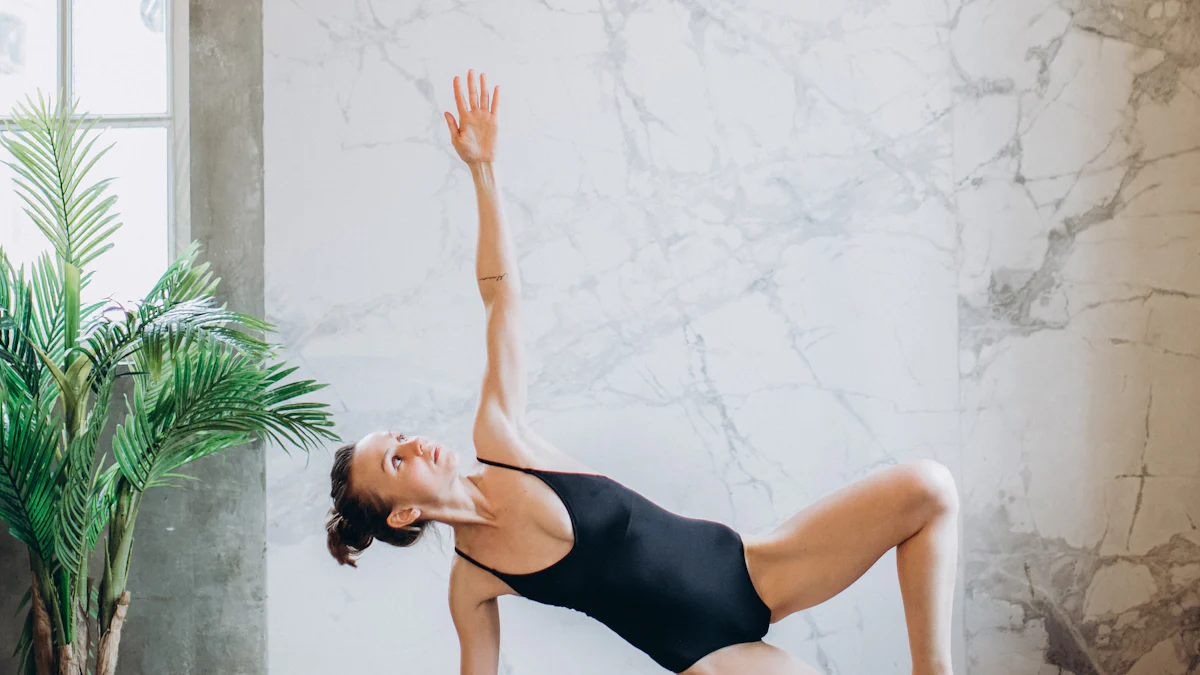
Image Source: pexels
Benefits of Yoga for Hormonal Balance
Yoga plays a vital role in restoring hormonal balance, especially for those dealing with PCOD. Regular practice can help regulate your menstrual cycle and improve ovulation. Studies show that participants who practiced yoga for just one hour three times a week experienced a 29% reduction in testosterone levels. This significant decrease can alleviate many symptoms associated with PCOD, such as weight gain and mood swings.
Incorporating specific yoga poses into your routine can also enhance insulin sensitivity. Improved insulin sensitivity helps manage weight and reduces the risk of developing diabetes. You can take control of your hormonal health through consistent yoga practice.
Stress Reduction through Yoga
Stress often exacerbates PCOD symptoms, making it crucial to find effective ways to manage it. Yoga offers a powerful solution. Engaging in yoga helps you release deeply stored stress and promotes relaxation of both the mind and body.
When you practice yoga, you focus on your breath and movements, which can shift your attention away from daily stressors. This mindfulness can lead to reduced anxiety and depression, common issues for women with PCOD. By creating a calming environment, you allow your body to heal and restore balance.
Improved Physical Health and Well-being
Regular yoga practice not only benefits your hormonal balance but also enhances your overall physical health. You may notice improvements in your energy levels, flexibility, and strength. Yoga encourages you to listen to your body, helping you become more aware of your physical needs.
Moreover, studies indicate that even a modest reduction in body weight—around 5%—can lead to significant improvements in menstrual regularity and ovulation response. By combining yoga with a healthy lifestyle, you can achieve lasting changes that positively impact your well-being.
Embrace yoga as a holistic approach to managing PCOD. With dedication and consistency, you can experience the transformative effects of yoga on your health.
Important Considerations Before Starting Yoga
Consulting with a Healthcare Provider
Before you dive into yoga, take a moment to consult with your healthcare provider. This step is crucial, especially if you have any pre-existing health concerns. Your doctor can offer personalized guidance tailored to your specific needs. They can help you understand which poses may be safe and beneficial for you.
"It’s always a good idea to consult with a healthcare professional before starting any new exercise regimen, especially if you have any pre-existing health concerns."
If you’re pregnant or have ongoing medical conditions like bone loss or glaucoma, getting professional advice becomes even more important. Some yoga poses may not be safe during pregnancy, so always check in with your healthcare provider first.
Choosing the Right Yoga Style
Not all yoga styles suit everyone. You should explore different types to find what resonates with you. Some popular styles include Hatha, Vinyasa, and Yin yoga. Each offers unique benefits and challenges.
-
Hatha Yoga: Great for beginners. It focuses on basic postures and breathing techniques.
-
Vinyasa Yoga: More dynamic and fast-paced. It links breath with movement, making it a good choice if you enjoy a workout.
-
Yin Yoga: Slower-paced and involves holding poses for longer periods. This style promotes deep stretching and relaxation.
Consider your fitness level and personal preferences when choosing a style. You might even want to try a few classes to see what feels best for you.
Listening to Your Body
As you practice yoga, always listen to your body. Pay attention to how you feel during and after each session. If a pose causes discomfort or pain, don’t hesitate to modify it or skip it altogether. Yoga should feel good and promote relaxation, not strain.
"Practicing Yoga helps develop the body and mind, yet is not a substitute for medicine."
Remember, your body knows best. If you feel fatigued or overwhelmed, take a break. Incorporating rest days into your routine can enhance your overall experience.
By considering these important factors, you set yourself up for a successful and enjoyable yoga journey. Embrace the process, and allow yoga to support your health and well-being as you manage PCOD.
Effective Yoga Poses for PCOD Relief
Image Source: unsplash
Supta Baddha Konasana (Reclining Bound Angle Pose)
Supta Baddha Konasana is a fantastic pose for relaxation and stress relief. You lie on your back, bringing the soles of your feet together while allowing your knees to fall open. This gentle stretch opens your hips and promotes blood flow to your pelvic area.
To practice this pose, follow these steps:
-
Sit on the floor and bring the soles of your feet together.
-
Slowly lean back, supporting yourself with your hands.
-
Allow your knees to drop toward the floor.
-
Close your eyes and breathe deeply, holding the pose for 5-10 minutes.
This pose not only calms your mind but also helps balance hormones. Research shows that yoga poses like Supta Baddha Konasana can aid in managing symptoms of PCOD by promoting relaxation and reducing stress levels.
Setu Bandhasana (Bridge Pose)
Setu Bandhasana, or Bridge Pose, strengthens your back and opens your chest. This pose also stimulates the thyroid gland, which plays a crucial role in hormonal balance.
Here’s how to do it:
-
Lie on your back with your knees bent and feet flat on the floor, hip-width apart.
-
Press your feet into the ground and lift your hips toward the ceiling.
-
Clasp your hands under your back and hold the position for 30 seconds to 1 minute.
-
Release and lower your hips back to the floor.
This pose encourages blood circulation to the reproductive organs, which can help alleviate symptoms associated with PCOD. Regular practice of Setu Bandhasana can lead to improved hormonal health and overall well-being.
Viparita Karani (Legs-Up-the-Wall Pose)
Viparita Karani is a restorative pose that promotes relaxation and rejuvenation. You simply lie on your back and extend your legs up against a wall. This pose helps reduce stress and anxiety, common issues for those dealing with PCOD.
To practice Viparita Karani:
-
Sit next to a wall and lie back, swinging your legs up onto the wall.
-
Keep your arms relaxed at your sides or place them on your belly.
-
Close your eyes and breathe deeply, holding the pose for 5-15 minutes.
This pose encourages lymphatic drainage and improves circulation, which can help manage hormonal imbalances. Incorporating Viparita Karani into your routine can provide significant relief from PCOD symptoms.
Bhujangasana (Cobra Pose)
Bhujangasana, or Cobra Pose, is a fantastic way to strengthen your back and open your chest. This pose also stimulates your thyroid gland, which plays a crucial role in maintaining hormonal balance.
To practice Bhujangasana, follow these steps:
-
Lie face down on your mat with your legs extended behind you.
-
Place your palms under your shoulders, keeping your elbows close to your body.
-
Inhale and gently lift your chest off the ground, using your back muscles rather than pushing with your hands.
-
Hold the pose for 15-30 seconds, breathing deeply.
-
Exhale as you lower your chest back to the mat.
This pose not only enhances flexibility but also promotes blood circulation to your reproductive organs. Regular practice of Bhujangasana can help alleviate symptoms associated with PCOD, such as irregular menstrual cycles and hormonal imbalances.
Paschimottanasana (Seated Forward Bend)
Paschimottanasana, or Seated Forward Bend, is another excellent pose for managing PCOD symptoms. This pose stretches your spine and hamstrings while calming your mind.
Here’s how to do it:
-
Sit on the floor with your legs extended straight in front of you.
-
Inhale and lengthen your spine, reaching your arms overhead.
-
Exhale and hinge at your hips, reaching forward toward your feet.
-
Hold your feet or shins, depending on your flexibility, and relax your neck.
-
Breathe deeply and hold the pose for 30 seconds to 1 minute.
This pose encourages relaxation and helps reduce stress levels. Studies show that practicing poses like Paschimottanasana can significantly improve your overall well-being and help manage the symptoms of PCOD.
Balasana (Child’s Pose)
Balasana, or Child’s Pose, is a restorative pose that promotes relaxation and stress relief. This pose helps you connect with your breath and calm your mind, making it perfect for those dealing with PCOD.
To practice Balasana:
-
Kneel on the floor and sit back on your heels.
-
Lower your torso forward, resting your forehead on the mat.
-
Extend your arms in front of you or let them rest alongside your body.
-
Close your eyes and take deep breaths, holding the pose for 1-3 minutes.
Balasana helps release tension in your back and hips, promoting relaxation throughout your body. Incorporating this pose into your routine can provide significant relief from the stress and anxiety often associated with PCOD.
Chakki Chalanasana (Moving the Grinding Wheel Pose)
Chakki Chalanasana, or the Moving the Grinding Wheel Pose, offers a unique way to engage your core and improve flexibility. This pose mimics the action of grinding flour, which can help release tension in your hips and lower back. It also promotes blood circulation to your reproductive organs, making it beneficial for managing PCOD symptoms.
To practice Chakki Chalanasana:
-
Sit on the floor with your legs extended in front of you.
-
Keep your feet flat on the ground, hip-width apart.
-
Interlace your fingers and stretch your arms out in front of you.
-
Inhale deeply, then exhale as you lean forward, moving your arms in a circular motion as if you are grinding.
-
Continue this motion for 5-10 breaths, then switch directions.
This pose not only strengthens your core but also helps alleviate stress and anxiety. Research shows that yoga poses like Chakki Chalanasana can effectively manage hormonal imbalances associated with PCOD.
Badhakonasana (Butterfly Pose)
Badhakonasana, or Butterfly Pose, is a gentle yet powerful pose that opens your hips and stretches your inner thighs. This pose encourages relaxation and helps reduce stress, making it an excellent addition to your PCOD yoga practice.
To perform Badhakonasana:
-
Sit on the floor with your legs extended in front of you.
-
Bend your knees and bring the soles of your feet together.
-
Hold your feet with your hands and gently press your knees toward the floor.
-
Keep your spine straight and breathe deeply, holding the pose for 1-3 minutes.
This pose enhances blood flow to your pelvic area, which can help regulate your menstrual cycle. Incorporating Badhakonasana into your routine can significantly improve your overall well-being.
Malasana (Garland Pose)
Malasana, or Garland Pose, is another fantastic pose for those dealing with PCOD. This deep squat opens your hips and strengthens your pelvic floor, promoting better reproductive health.
To practice Malasana:
-
Stand with your feet hip-width apart.
-
Slowly lower your body into a squat, keeping your heels on the ground if possible.
-
Bring your palms together at your heart center and press your elbows against your knees.
-
Hold the pose for 30 seconds to 1 minute, breathing deeply.
Malasana not only helps with flexibility but also aids in digestion and detoxification. Regular practice can enhance your overall health and help manage PCOD symptoms effectively.
Complementary Lifestyle Changes
Nutrition and Diet Tips
Eating a balanced diet plays a crucial role in managing PCOD symptoms. Focus on whole foods that nourish your body. Here are some tips to guide your nutrition:
-
Incorporate Lean Proteins: Foods like chicken, fish, beans, and legumes can help stabilize blood sugar levels.
-
Choose Healthy Fats: Avocados, nuts, and olive oil provide essential fatty acids that support hormonal balance.
-
Load Up on Fiber: Whole grains, fruits, and vegetables can aid digestion and help you feel full longer.
-
Limit Processed Foods: Reduce your intake of sugary snacks and refined carbohydrates. These can spike insulin levels and worsen symptoms.
-
Stay Hydrated: Drink plenty of water throughout the day. Proper hydration supports overall health and can help manage cravings.
By making these dietary changes, you can improve your insulin sensitivity and reduce inflammation, both of which are vital for managing PCOD.
Incorporating Regular Exercise
Regular exercise is another key component in managing PCOD. Engaging in physical activity helps you maintain a healthy weight and improves insulin sensitivity. Here’s how to get started:
-
Find Activities You Enjoy: Whether it’s yoga, walking, cycling, or dancing, choose exercises that make you happy. This will keep you motivated.
-
Aim for Consistency: Try to exercise at least 150 minutes a week. Break it down into manageable sessions, like 30 minutes a day, five days a week.
-
Mix It Up: Combine cardio with strength training. Cardio helps burn calories, while strength training builds muscle and boosts metabolism.
-
Listen to Your Body: Pay attention to how you feel during workouts. If something doesn’t feel right, modify the activity or take a break.
Research shows that all forms of exercise, including yoga, effectively manage PCOD symptoms. Regular movement can decrease testosterone levels and alleviate anxiety and depression.
Mindfulness and Stress Management Techniques
Managing stress is essential for women with PCOD. High stress levels can worsen symptoms and disrupt hormonal balance. Here are some techniques to help you stay calm:
-
Practice Mindfulness: Engage in mindfulness meditation or deep breathing exercises. These practices can help you focus on the present and reduce anxiety.
-
Try Journaling: Writing down your thoughts and feelings can provide clarity and help you process emotions.
-
Connect with Nature: Spend time outdoors. Nature has a calming effect and can help you recharge.
-
Establish a Relaxation Routine: Set aside time each day for activities that relax you, such as reading, listening to music, or taking a warm bath.
Incorporating these mindfulness techniques into your daily routine can significantly improve your mental well-being. Studies indicate that managing stress effectively can lead to better hormonal balance and overall health.
By making these complementary lifestyle changes, you can enhance the benefits of yoga and take control of your PCOD symptoms. Embrace this holistic approach to improve your quality of life.
Creating a Sustainable Yoga Practice
Setting Realistic Goals
When you start your yoga journey, setting realistic goals is essential. Think about what you want to achieve. Do you want to reduce stress, improve flexibility, or manage PCOD symptoms? Whatever your goals are, make sure they are specific and attainable.
Start small. For instance, aim to practice yoga for just 15 minutes a day. Gradually increase the duration as you become more comfortable. Celebrate your progress, no matter how small. This approach keeps you motivated and helps you stay committed to your practice.
"Setting achievable goals allows you to track your progress and feel accomplished along the way."
Finding a Community or Class
Finding a supportive community can enhance your yoga experience. Look for local classes or online groups that focus on yoga for PCOD. Connecting with others who share similar goals creates a sense of belonging. You can share experiences, tips, and encouragement.
Consider joining a class led by an experienced instructor. They can guide you through poses and ensure you practice safely. Plus, being in a group can make your practice more enjoyable. You might even make new friends along the way!
Establishing a Routine
Creating a consistent routine is key to making yoga a part of your life. Choose a time that works best for you, whether it’s in the morning, during lunch, or before bed. Consistency helps your body adapt to the practice and reaps the benefits over time.
Try to stick to your schedule, but be flexible. Life can get busy, and that’s okay. If you miss a session, don’t be hard on yourself. Just get back on track the next day.
Here are some tips to help you establish your routine:
-
Set a Specific Time: Choose a time that fits your lifestyle.
-
Create a Dedicated Space: Find a quiet spot in your home where you can practice without distractions.
-
Use Reminders: Set alarms or calendar notifications to remind you of your practice time.
-
Mix It Up: Incorporate different styles of yoga to keep things fresh and exciting.
By establishing a routine, you’ll find that yoga becomes a natural part of your day. Regular practice can lead to significant improvements in your physical and mental well-being. Remember, every little bit counts, and consistency is the key to success!
Regularly practicing specific yoga poses can bring you significant relief from PCOD symptoms. You’ll notice improvements in your hormonal balance, stress levels, and overall well-being.
Integrating yoga into a holistic lifestyle approach—alongside healthy eating and stress management—can enhance your health even further. Remember, small changes can lead to big results. Embrace this journey, and enjoy the benefits that come with a consistent yoga practice. Your body and mind will thank you!
FAQ
How does yoga help with PCOD?
Yoga plays a significant role in managing PCOD symptoms. It helps restore hormonal balance, reduces stress, and improves overall well-being. Regular practice can enhance insulin sensitivity, which is crucial for managing weight and hormonal fluctuations. As Dr. Sejal Shah, a Sri Sri Yoga expert, notes, "Yoga can help with a complex hormonal condition like PCOD."
Can I practice yoga if I have never done it before?
Absolutely! Yoga welcomes beginners. Start with simple poses and gradually progress to more challenging ones. Focus on your breath and listen to your body. You can join a beginner class or follow online tutorials to ease into your practice.
How often should I practice yoga for PCOD relief?
Aim for at least three times a week. Practicing for an hour each session can lead to significant benefits. Consistency is key. Even short daily sessions can help you manage symptoms effectively.
Are there specific poses that are best for PCOD?
Yes, certain poses can be particularly beneficial. Some effective poses include:
-
Supta Baddha Konasana (Reclining Bound Angle Pose)
-
Setu Bandhasana (Bridge Pose)
-
Viparita Karani (Legs-Up-the-Wall Pose)
-
Bhujangasana (Cobra Pose)
-
Malasana (Garland Pose)
These poses promote relaxation, improve blood flow, and help balance hormones.
Can yoga replace medication for PCOD?
While yoga offers many benefits, it should complement, not replace, medical treatment. Always consult your healthcare provider before making changes to your treatment plan. Combining yoga with medication and lifestyle changes can provide a holistic approach to managing PCOD.
What should I do if I feel pain during yoga?
Listen to your body. If you experience pain, stop the pose immediately. Modify the pose or skip it altogether. Yoga should feel good and promote relaxation. Consider consulting a yoga instructor for guidance on proper alignment and modifications.
How long will it take to see results from yoga?
Results vary from person to person. Some may notice improvements in a few weeks, while others may take longer. Regular practice, combined with a healthy lifestyle, can lead to significant changes over time.
Is there a specific time of day that's best for yoga?
You can practice yoga at any time that fits your schedule. Some prefer morning sessions to energize their day, while others enjoy evening practices for relaxation. Find a time that works best for you and stick to it.
Can yoga help with stress management related to PCOD?
Definitely! Yoga promotes relaxation and mindfulness, which can significantly reduce stress levels. Techniques such as deep breathing and meditation incorporated into your practice can help calm your mind and alleviate anxiety.
Should I consult a doctor before starting yoga for PCOD?
Yes, it's wise to consult your healthcare provider before starting any new exercise regimen, especially if you have existing health concerns. They can provide personalized advice and ensure that yoga is safe for you.
See Also
Simple Yoga Poses for Managing Diabetes Effectively
Essential Yoga Poses for Enhancing Prostate Wellness
Effective Yoga Poses for Alleviating Sinus Discomfort