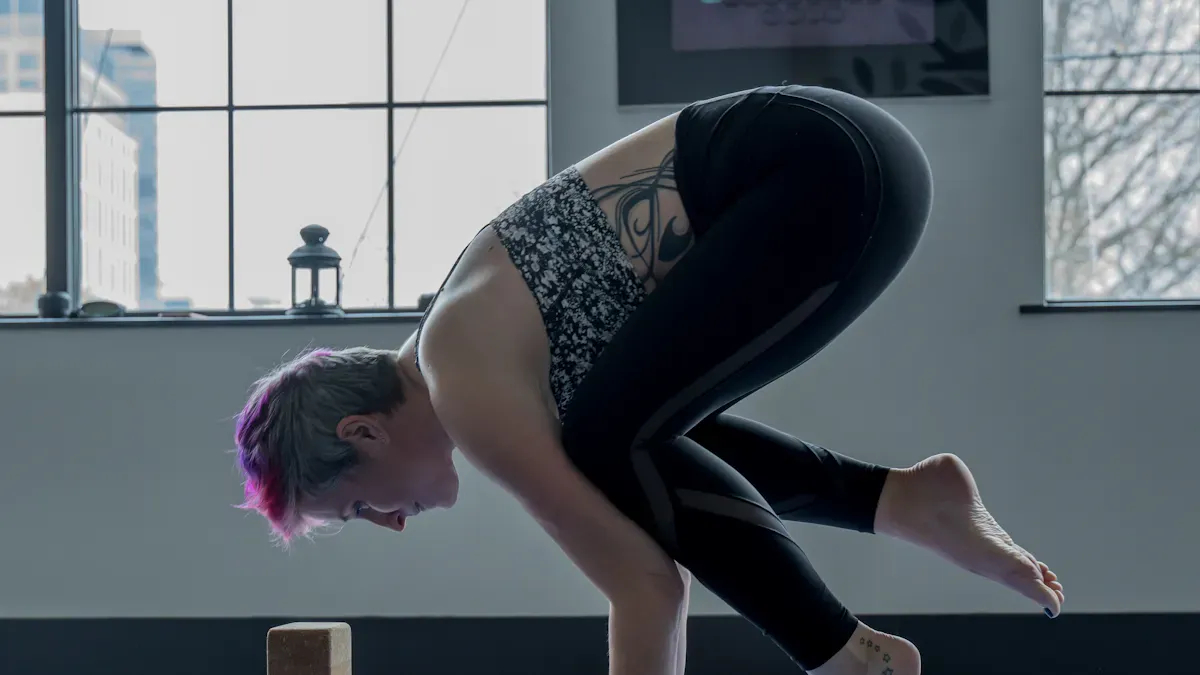
10 Essential Tips for Conquering Fear in Crow Pose
Image Source: pexels
Crow Pose can be intimidating, and many people worry about falling or feeling embarrassed in front of others. These fears, including the fear of injury or the stress that comes with challenging poses, are common. However, it's important to discover different types of Crow Pose and conquer your fear. Don’t let those feelings hold you back! Overcoming these fears is essential for enjoying your yoga journey. By facing your concerns, you can find strength and confidence in your practice.
Key Takeaways
-
Acknowledge your fears to confront them directly. This awareness builds mental resilience and empowers your yoga practice.
-
Strengthen your core and master basic poses to boost your confidence in Crow Pose. A solid foundation reduces fear of falling.
-
Use props like walls and blocks for support. They make Crow Pose more accessible and help you focus on your form without fear.
Acknowledge Fear
Image Source: pexels
Identify Your Fears
Before you can conquer your fear in Crow Pose, you need to identify what scares you. Are you worried about falling? Do you fear injuring yourself? Recognizing these specific fears is crucial. When you acknowledge your anxieties, you can confront them head-on. This awareness fosters mental resilience, empowering you to push past self-imposed limitations.
-
Acknowledging your fears helps you confront your anxieties.
-
It encourages you to practice regularly, enhancing your physical strength.
-
Surrounding yourself with supportive fellow practitioners can bolster your confidence.
Embrace Your Feelings
Once you identify your fears, it’s time to embrace your feelings. It’s okay to feel anxious or scared. Instead of pushing those feelings away, acknowledge them. Engaging in mindfulness practices can help you process these emotions. For instance, focusing on your Root Chakra can create a sense of security within your body.
-
Embracing your feelings allows you to work through them with patience.
-
Successfully holding Crow Pose can boost your self-confidence.
-
This empowerment encourages you to face challenges in life with greater courage.
Remember, every yogi has faced fear at some point. By acknowledging and embracing your feelings, you take the first steps toward mastering Crow Pose and discovering different types of Crow Pose that suit you.
Build Strength
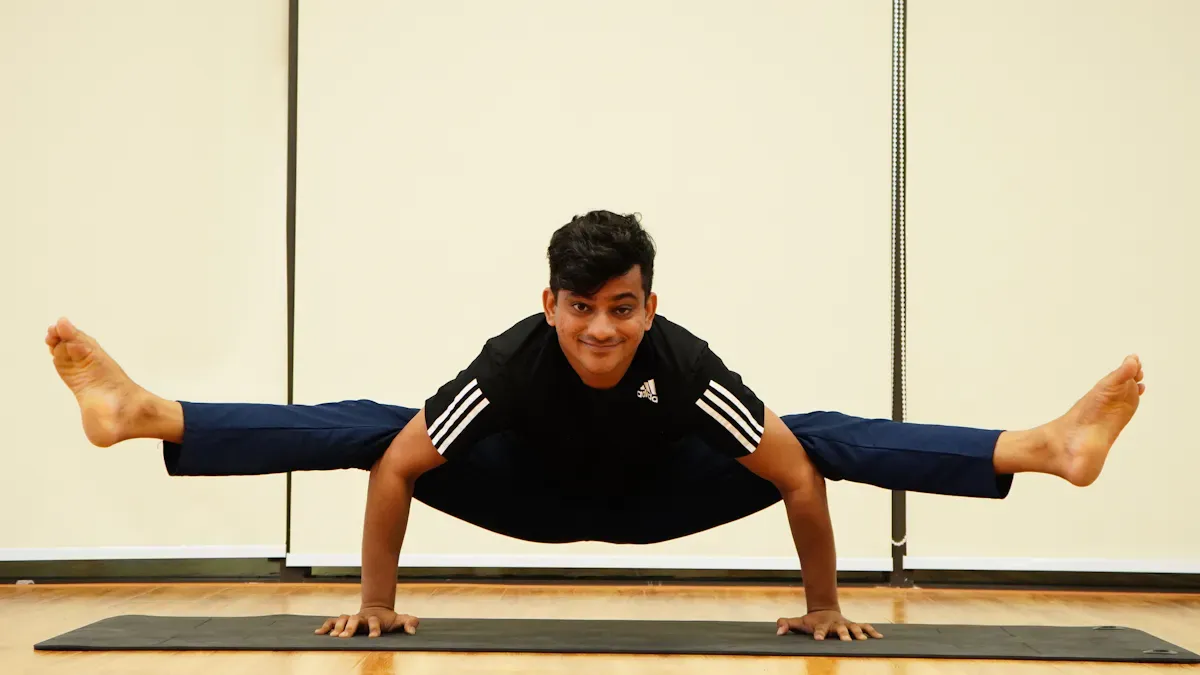
Image Source: pexels
Master Basic Poses
Building strength starts with mastering basic poses. These foundational poses boost your confidence and prepare you for Crow Pose. Here are some essential poses to practice:
-
Garland Pose (Malasana): This deep squat opens your hips and creates a solid base for Crow Pose.
-
Plank Variations: Standard and high planks build the upper body strength you need.
-
Chaturanga Push-ups: These develop the arm strength and alignment crucial for balancing in Crow.
Practicing these poses helps you learn to balance, trust your body, and fly. They emphasize patience, breath, and courage, all vital for building confidence. As you master these foundational poses, you’ll find that your fear of falling in Crow Pose diminishes.
Strengthen Your Core
Strengthening your core is key to overcoming fear in Crow Pose. A strong core supports your body and helps you lift off the ground. When you focus on lifting your body instead of fearing a fall, you confront your anxieties directly.
-
Crow Pose challenges you to support your weight on your hands, enhancing body awareness.
-
According to B.K.S. Iyengar, mastering arm balances like Crow fosters mental resilience. This mastery leads to increased confidence and a sense of empowerment.
As you build strength, you’ll notice how it contributes to your overall confidence in executing Crow Pose. Remember, every small step counts in your journey to discover different types of Crow Pose and conquer your fears.
Discover Grounding Techniques
Grounding techniques can significantly help you feel more stable and confident in Crow Pose. One effective pose to start with is Tadasana, or Mountain Pose.
Use Tadasana
Tadasana encourages grounding and balance. When you practice this standing posture, you root down through your feet. This connection with the ground helps you find your center. Here are some benefits of Tadasana:
-
It elongates your spine and engages your legs, which are crucial for stability in Crow Pose.
-
Practicing Tadasana improves your body awareness and posture, making it easier to transition into more advanced poses.
-
It fosters a calm mind, which reduces everyday stress and anxiety, allowing you to feel more self-assured.
As you stand tall in Tadasana, visualize your body as a seesaw. This imagery helps you understand the balance needed in Crow Pose. Engaging your lower body by stretching your toes and flexing your feet enhances overall stability.
Engage in Mindfulness
Mindfulness plays a vital role in overcoming fear. When you focus on your breath and maintain a rhythmic cycle, you create a sense of calm. This focused mindset enhances your balance and body awareness. Here are some mindfulness techniques to try:
-
Move slowly and deliberately, allowing your mind to settle.
-
Visualize your body distributing weight evenly, which is essential for maintaining balance in Crow Pose.
-
Remember to press your knees into your arms while practicing Crow. This engagement creates stability and confidence.
By incorporating grounding techniques like Tadasana and mindfulness, you can discover different types of Crow Pose that suit you and conquer your fears.
Use Props for Support
Using props can make Crow Pose much more accessible and enjoyable. They provide the support you need to build confidence and ease into the pose. Here are some effective ways to use props:
Practice with a Wall
Practicing Crow Pose against a wall can be a game-changer. It offers stability and reassurance as you learn to balance. Here’s how you can use a wall effectively:
-
Position your feet a few inches away from the wall.
-
Lean forward and place your knees on your upper arms.
-
If you tip forward, the wall will catch you, allowing you to focus on your form without fear of falling.
This method helps you discover different types of Crow Pose while building your confidence.
Explore Different Props
Props like yoga blocks and blankets can enhance your practice. Here are some ways to use them:
-
Yoga Blocks: Place blocks under your feet to elevate them. This extra height makes it easier to lift your legs and shift your weight onto your arms. You can also use blocks under your head to prevent falling forward.
-
Blankets: A folded blanket can provide cushioning and safety during practice. It can also help you feel more secure as you explore the mechanics of Crow Pose.
Using props not only supports your physical practice but also offers psychological benefits. They can help you:
-
Build confidence as you successfully hold the pose.
-
Reduce stress by allowing you to focus on your breath and body.
-
Enhance concentration, which can improve your focus in other areas of life.
-
Promote emotional stability through mindfulness in your practice.
By incorporating props, you can overcome both physical and mental barriers in learning Crow Pose.
Breathe to Calm
Try Alternate Nostril Breathing
Breathing exercises can work wonders for calming your mind and body before attempting Crow Pose. One effective technique is alternate nostril breathing, also known as Nadi Shodhana Pranayama. This practice helps balance your nervous system and promotes relaxation. Here’s how to do it:
-
Sit comfortably with your spine straight.
-
Use your right thumb to close your right nostril.
-
Inhale deeply through your left nostril.
-
Close your left nostril with your ring finger, then release your right nostril.
-
Exhale through your right nostril.
-
Inhale through your right nostril, then switch and exhale through your left.
This simple exercise can clear your mind and prepare your body for focused movement. It’s a great way to reduce anxiety before diving into challenging poses like Crow Pose.
Use Breath to Center Yourself
To center yourself before practicing Crow Pose, start by taking a comfortable seat. Ground yourself by rooting down through your sitz bones and lifting the crown of your head. As you breathe, feel your entire body and let the breath harness your energy for the practice ahead.
Breath control enhances your focus and concentration, which is crucial for balancing in Crow Pose. Here’s how breath control impacts your practice:
| Evidence Points | Description |
|---|---|
| Increases focus and concentration | Breath control enhances mental clarity needed for balance. |
| Improves core strength | Engaging the core is crucial for stability in poses. |
| Activates Manipura Chakra | Enhances energy flow, supporting overall performance. |
| Improves body awareness and balance | Better awareness aids in maintaining the pose. |
By incorporating these breathing techniques, you’ll find it easier to conquer your fears and embrace the challenge of Crow Pose. Remember, your breath is a powerful tool that can help you stay calm and focused.
Celebrate Progress
Acknowledge Small Wins
Celebrating your small achievements is crucial on your journey to mastering Crow Pose. Each time you practice, take a moment to recognize what you’ve accomplished. Here are some ways to celebrate those wins:
-
Treat Yourself: Reward yourself with a small treat after a successful practice.
-
Write it Down: Keep a journal to document your progress. This tangible reminder can boost your motivation.
-
Share with Others: Tell friends or family about your successes. Their support can energize you.
-
Create a Ritual: Develop a personal routine to mark each victory, reinforcing its significance.
-
Visualize Your Progress: Use charts or vision boards to see how far you’ve come.
-
Practice Gratitude: Reflect on your small wins to cultivate positivity and resilience.
Celebrating these small steps creates a positive feedback loop. It fuels your momentum and energy to keep making progress. When you focus on what you’ve achieved, you build belief in your ability to succeed.
Be Patient with Yourself
Patience plays a vital role in mastering advanced poses like Crow Pose. It fosters mental resilience, discipline, and a calm mindset. Remember, yoga is a journey of continuous evolution, not a race to perfection.
To cultivate patience, consider these strategies:
-
Strengthen Your Wrists and Shoulders: Use wrist stretches and shoulder-opening poses like Downward-Facing Dog.
-
Engage Your Core: Strengthen your core with poses like Plank and Boat Pose.
-
Practice Balance: Develop focus with poses like Tree Pose and Half Moon Pose.
-
Start Small: Begin with your feet on the ground, gradually lifting one foot at a time.
-
Work Toward Full Expression: As your confidence builds, aim to hold Crow Pose longer.
By being patient and celebrating your progress, you’ll find joy in your practice and the courage to face your fears.
Overcoming fear in Crow Pose is a journey that requires patience and practice. Remember to:
-
Acknowledge your fears and embrace your feelings.
-
Build strength through foundational poses and core work.
-
Use props for support and grounding techniques to enhance stability.
Regular practice not only builds confidence but also helps you connect with your body. As you progress, celebrate your small wins and be patient with yourself. You’ve got this! 🌟
FAQ
What if I can't lift my feet off the ground in Crow Pose?
It's okay! Start by practicing with your feet on the ground. Gradually lift one foot at a time as you gain confidence.
How long should I hold Crow Pose?
Aim to hold Crow Pose for 5 to 10 breaths. Focus on your breath and balance, gradually increasing the duration as you improve.
Can I practice Crow Pose if I have wrist pain?
If you have wrist pain, consult a healthcare professional first. You can also modify the pose or use props for support.
See Also
13 Effective Yoga Poses You Can Do While Seated
Beginner-Friendly Yoga Poses: What Would You Suggest?
An Introduction to the Basics of Yoga Practice