Understanding the Meaning of Yoga in English
Image Source: pexels
Yoga, derived from the Sanskrit word "Yuj," signifies "union" or "connection." So, what is yoga in English? It represents more than just physical exercise. This ancient practice harmonizes your mind, body, and spirit, creating a sense of balance and inner peace. Across the globe, millions of people embrace yoga for its transformative impact on personal well-being. In the United States alone, 36 million individuals practice yoga regularly, with 94% doing so to enhance their wellness. By fostering this connection within yourself, yoga becomes a powerful tool for growth, clarity, and holistic health.
Key Takeaways
-
Yoga is a holistic practice that unites the mind, body, and spirit, promoting overall well-being.
-
Understanding yoga's etymology reveals its deeper meaning as a journey toward self-discovery and connection with the universe.
-
There are various paths of yoga, including Karma, Bhakti, Jnana, and Raja, each offering unique approaches to personal growth.
-
Incorporating yoga into your daily routine can enhance physical health, reduce stress, and improve mental clarity.
-
Yoga is accessible to everyone, regardless of age or fitness level; you can start with simple poses and gradually progress.
-
Practicing mindfulness and meditation through yoga fosters emotional resilience and a greater appreciation for life.
-
Embrace yoga as a lifelong journey that adapts to your needs, helping you maintain balance and harmony throughout different life stages.
What Is Yoga in English?
Yoga, at its core, represents the idea of unity. The word itself originates from the Sanskrit term "Yuj," which means "to join" or "to unite." This concept of union extends beyond the physical realm, encompassing the connection between your mind, body, and spirit. Understanding what yoga is in English requires exploring its deeper meanings and practices.
The Etymology of Yoga
The term "yoga" first appeared in ancient Indian texts like the Rig Veda. These sacred writings, dating back thousands of years, introduced the foundational idea of yoga as a means to unite the individual self with the universal spirit. Over time, this concept evolved through other significant texts, such as the Upanishads and the Bhagavad Gita.
"Yoga is the journey of the self, through the self, to the self." – Bhagavad Gita
This quote highlights the essence of yoga as a transformative practice. The Yoga Sutras of Patanjali, another key text, further refined the definition of yoga, emphasizing mental discipline and self-awareness. By understanding its etymology, you can see how yoga has always been about creating harmony within yourself and with the world around you.
The Core Concept of Union and Connection
Yoga is not just about physical postures or exercises. It embodies the idea of connection on multiple levels. When you practice yoga, you aim to align your thoughts, emotions, and actions. This alignment fosters a sense of balance and clarity in your daily life.
The concept of union also extends to your relationship with the universe. Ancient teachings describe yoga as a way to connect with the larger forces of nature and existence. By practicing yoga, you cultivate mindfulness and develop a deeper understanding of your place in the world.
Yoga as a Holistic Practice for Mind, Body, and Spirit
Yoga offers a holistic approach to well-being. It integrates physical movements, breathing techniques, and meditation to nurture your entire being. The physical aspect, known as asanas, strengthens your body and improves flexibility. Breathing exercises, or pranayama, enhance mental clarity and focus. Meditation helps you achieve inner peace and spiritual growth.
This combination of practices makes yoga unique. It addresses not only your physical health but also your mental and emotional well-being. By embracing yoga as a holistic practice, you can experience a profound transformation that touches every aspect of your life.
The Historical and Philosophical Roots of Yoga
The Origins of Yoga in Ancient Indian Culture
Yoga traces its roots to the ancient Indian civilization, where it emerged as a profound spiritual and philosophical practice. The foothills of the Himalayas served as the cradle of yoga, nurturing its development over thousands of years. Early practitioners sought to understand the mysteries of existence and the connection between the self and the universe. These seekers, known as sages or rishis, meditated deeply and observed nature to uncover the principles of harmony and balance.
The pre-Vedic period marked the beginning of yoga's journey. During this time, people used yoga as a means to achieve inner peace and spiritual enlightenment. The practice evolved alongside the cultural and spiritual traditions of ancient India, becoming an integral part of daily life. By understanding these origins, you can appreciate yoga's deep connection to human history and its enduring relevance.
Key Texts Defining Yoga
Several ancient texts provide a foundation for understanding yoga and its principles. The Rig Veda, one of the oldest known scriptures, first mentioned yoga as a spiritual discipline. This text contains hymns and rituals that emphasize the union of the individual with the divine. Later, the Upanishads expanded on these ideas, introducing concepts like meditation and self-realization.
The Bhagavad Gita, a revered philosophical text, offers profound insights into yoga. It presents yoga as a path to self-discovery and skillful living. One of its famous verses states:
"Yoga is the journey of the self, through the self, to the self."
This quote encapsulates the essence of yoga as a transformative practice. The Yoga Sutras of Patanjali further refined the understanding of yoga. These sutras outline the eightfold path, or Ashtanga Yoga, which serves as a guide for achieving mental clarity and spiritual growth. By exploring these texts, you gain a deeper understanding of what yoga truly represents.
The Evolution of Yoga Over Time
Yoga has undergone significant transformations throughout history. In its early stages, it focused primarily on meditation and spiritual practices. Over time, it incorporated physical postures, or asanas, to enhance the practitioner's physical and mental well-being. This shift made yoga more accessible to people from diverse backgrounds.
During the medieval period, yoga branched into different schools and traditions. Hatha Yoga, for example, emphasized physical techniques to prepare the body for meditation. In the modern era, yoga gained global recognition as a holistic practice for health and wellness. Today, millions of people worldwide embrace yoga, not only for its physical benefits but also for its ability to foster inner peace and self-awareness.
By understanding yoga's historical and philosophical roots, you can see how it has evolved into a practice that transcends cultural and geographical boundaries. Its timeless wisdom continues to inspire and guide individuals on their journey toward harmony and balance.
The Different Paths and Dimensions of Yoga
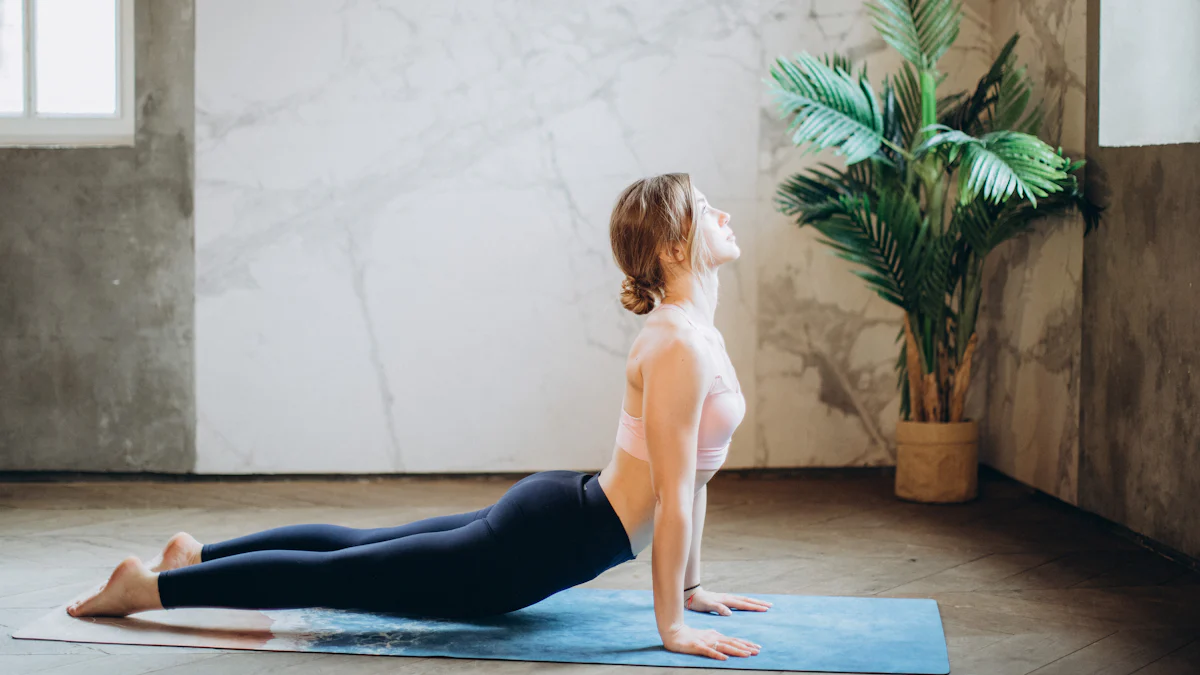
Image Source: pexels
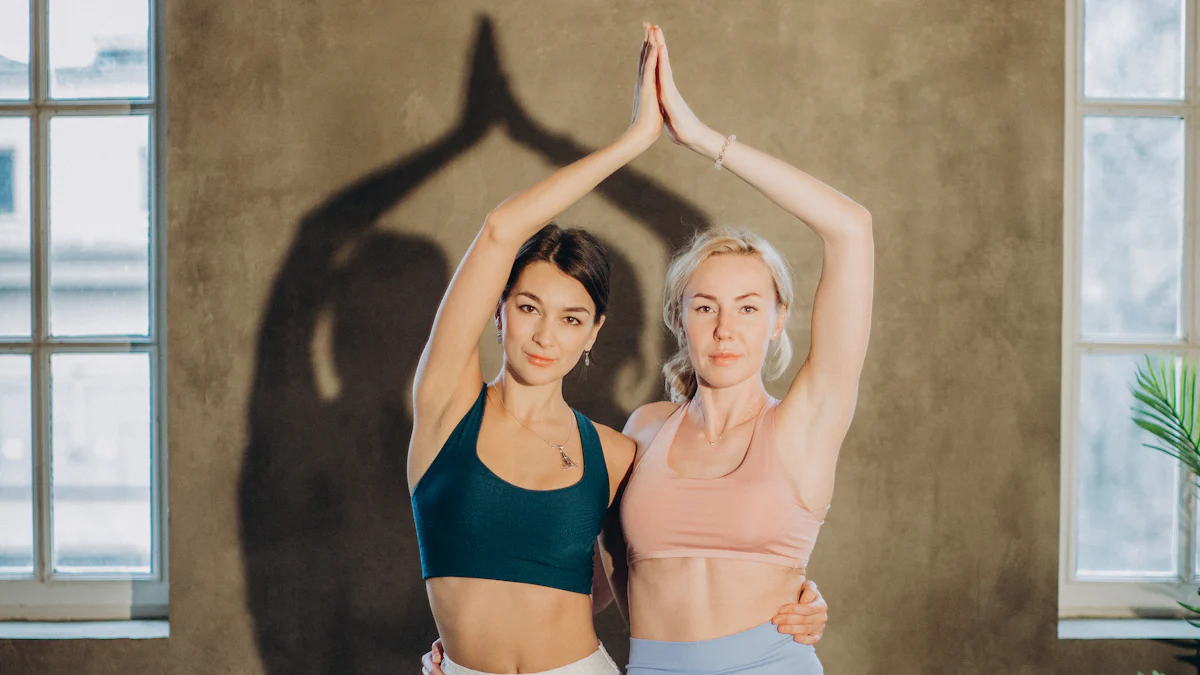
Yoga offers a variety of paths, each designed to guide you toward self-realization and inner harmony. These paths cater to different personalities, needs, and goals, allowing you to choose the one that resonates most with your journey. By exploring these dimensions, you can deepen your understanding of what yoga truly represents.
The Four Classical Paths of Yoga
The classical paths of yoga provide distinct approaches to achieving balance and enlightenment. Each path emphasizes unique practices and philosophies:
-
Karma Yoga (The Path of Action): This path focuses on selfless service. By dedicating your actions to a higher purpose without expecting rewards, you cultivate humility and detachment.
-
Bhakti Yoga (The Path of Devotion): Bhakti Yoga centers on love and devotion. Through prayer, chanting, and surrender to a higher power, you nurture a deep emotional connection to the divine.
-
Jnana Yoga (The Path of Knowledge): This intellectual path encourages self-inquiry and wisdom. By studying sacred texts and reflecting on profound truths, you seek to understand your true nature.
-
Raja Yoga (The Path of Meditation): Raja Yoga emphasizes mental discipline and meditation. It includes practices like concentration and mindfulness to help you master your mind and achieve inner peace.
These paths highlight yoga's versatility. Whether you prefer action, devotion, knowledge, or meditation, you can find a path that aligns with your aspirations.
Hatha Yoga and Its Physical Practices
Hatha Yoga, often associated with physical postures, serves as a gateway to yoga for many practitioners. It focuses on balancing the body and mind through physical exercises, breathing techniques, and relaxation. The word "Hatha" combines two Sanskrit terms: "Ha" (sun) and "Tha" (moon), symbolizing the union of opposites.
In Hatha Yoga, you practice asanas (postures) to strengthen your body and improve flexibility. These poses prepare your body for meditation by releasing tension and promoting physical health. Breathing exercises, known as pranayama, enhance your mental clarity and energy levels. Together, these practices create a foundation for holistic well-being.
Hatha Yoga's emphasis on the physical dimension makes it accessible to beginners. By starting with simple poses and gradually advancing, you can experience the transformative power of yoga in your daily life.
The Interconnection Between Different Yoga Paths
While each path of yoga offers a unique approach, they all share a common goal: achieving unity and harmony. The paths often overlap, complementing one another to create a comprehensive practice. For example:
-
Practicing asanas from Hatha Yoga can prepare your body for the meditative practices of Raja Yoga.
-
Engaging in selfless service through Karma Yoga can deepen your devotion in Bhakti Yoga.
-
Reflecting on philosophical teachings in Jnana Yoga can enhance your understanding of the principles behind other paths.
This interconnectedness reflects yoga's holistic nature. By exploring multiple paths, you can enrich your practice and discover new dimensions of growth. Yoga, in essence, is a tapestry of techniques and philosophies that guide you toward self-awareness and balance.
"Yoga is a path; a philosophy to harmonize the interactions and expressions of consciousness and energies in an individual."
By embracing these paths and dimensions, you can unlock the full potential of yoga. It becomes more than a practice—it transforms into a way of life that nurtures your mind, body, and spirit.
Practical Applications of Yoga in Daily Life
Physical Practices: Asanas and Their Benefits
Yoga's physical postures, known as asanas, offer a gateway to improving your overall health. These poses strengthen your muscles, enhance flexibility, and promote better posture. Regular practice can help you feel more in tune with your body and reduce physical discomfort.
For example, practicing poses like the Tree Pose or Downward Dog can improve your balance and core strength. Even dedicating just 10 minutes a day to yoga can yield noticeable results. One practitioner shared, "By the end of the month, I could stand in tree pose without feeling like the Leaning Tower of Pisa. My back pain hurt less, and some days it didn’t hurt at all." This highlights how even small, consistent efforts can lead to significant improvements in your physical well-being.
Yoga also helps you become more aware of your body's needs. It encourages you to listen to your body, making it easier to identify areas of tension or imbalance. This awareness fosters a deeper connection between your mind and body, allowing you to move through life with greater ease and confidence.
Breathing Techniques (Pranayama) for Mental Clarity
Breathing lies at the heart of yoga. Pranayama, or controlled breathing techniques, can transform the way you manage stress and focus your mind. These exercises teach you to regulate your breath, which directly impacts your mental state.
For instance, deep breathing techniques like Nadi Shodhana (alternate nostril breathing) calm your nervous system and clear your mind. When you feel overwhelmed, practicing pranayama can help you regain control and clarity. One yoga enthusiast described how yoga made them feel calmer and more aware, saying, "Post-yoga, I feel calmer and more aware of my body, and this seeps into everything I do: how I work and relate to others, how I eat and sleep."
By incorporating pranayama into your daily routine, you can experience reduced anxiety, improved focus, and a greater sense of inner peace. These benefits extend beyond your yoga mat, enhancing your ability to handle challenges with a clear and composed mind.
Meditation and Mindfulness for Inner Peace
Meditation and mindfulness are integral components of yoga that nurture your mental and emotional well-being. Through meditation, you train your mind to focus and let go of distractions. This practice fosters a sense of inner calm and self-awareness.
Mindfulness, on the other hand, encourages you to live in the present moment. It helps you appreciate life's simple joys and find beauty in everyday experiences. One individual shared, "Yoga helped me to find beauty in even the simple things in life. It allowed me to see life through entirely new eyes—eyes of appreciation, love, kindness, and grace."
By dedicating time to meditation and mindfulness, you can cultivate a deeper connection with yourself. This practice not only reduces stress but also enhances your ability to approach life with gratitude and compassion. Over time, it transforms how you perceive yourself and the world around you, enabling you to live with greater harmony and balance.
The Benefits of Yoga for Holistic Well-Being
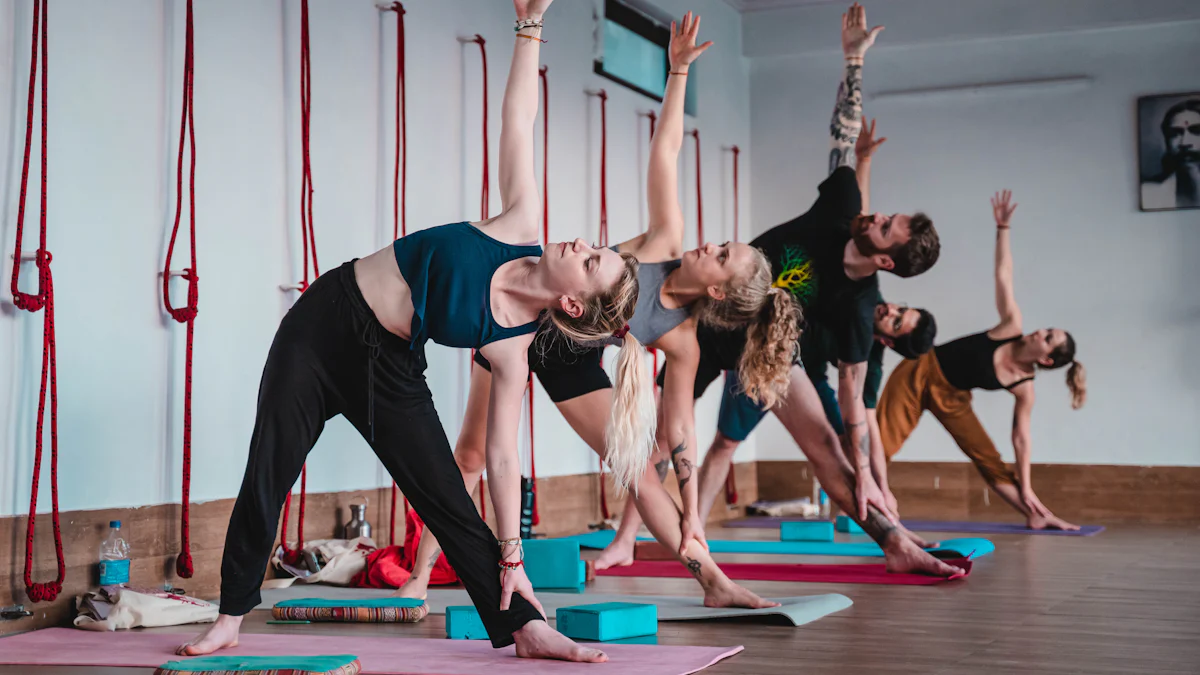
Image Source: pexels
Physical Benefits: Strength, Flexibility, and Health
Yoga strengthens your body while improving flexibility and overall health. Regular practice of poses, or asanas, builds muscle tone and enhances joint mobility. For example, poses like Warrior II and Plank engage your core and legs, helping you develop strength and stability. Flexibility improves as you stretch and hold poses such as Forward Fold or Cobra Pose, which lengthen tight muscles and increase your range of motion.
Yoga also supports better posture and balance. Many practitioners notice reduced back pain and fewer injuries due to improved alignment. According to surveys, 75% of yogis participate in other fitness activities, and yoga motivates nearly two-thirds of them to exercise more. This shows how yoga complements other physical routines, making it a valuable addition to your lifestyle.
Beyond strength and flexibility, yoga positively impacts your overall health. It boosts circulation, supports cardiovascular health, and enhances respiratory function through controlled breathing techniques. Practicing yoga regularly can help you feel more energized and physically capable in your daily life.
Mental and Emotional Benefits: Stress Reduction and Focus
Yoga offers powerful tools to calm your mind and improve focus. Controlled breathing, or pranayama, reduces stress by activating your parasympathetic nervous system. Techniques like alternate nostril breathing or deep belly breathing help you feel more relaxed and centered. Many practitioners report feeling calmer and more present after just a few minutes of focused breathing.
Meditation, a key component of yoga, sharpens your mental clarity. By training your mind to focus on the present moment, you can reduce distractions and improve your ability to concentrate. This mental discipline carries over into your daily tasks, helping you approach challenges with a clear and composed mindset.
Yoga also nurtures emotional well-being. It encourages mindfulness, which helps you process emotions and respond to situations with greater awareness. According to studies, people who practice yoga are 20% more likely to have a positive image of their mental health compared to non-practitioners. This highlights yoga's role in fostering resilience and emotional balance.
Spiritual Growth and Self-Awareness
Yoga goes beyond the physical and mental realms, guiding you toward spiritual growth and self-awareness. Through meditation and mindfulness, you connect with your inner self, gaining insights into your thoughts, emotions, and values. This practice fosters a deeper understanding of who you are and what truly matters to you.
The spiritual aspect of yoga emphasizes unity—within yourself and with the world around you. Ancient teachings describe yoga as a path to align your individual consciousness with the universal spirit. By practicing yoga, you cultivate a sense of harmony and interconnectedness that enriches your perspective on life.
Many practitioners find that yoga inspires them to live more intentionally. It encourages gratitude, compassion, and a greater appreciation for life's simple joys. As one yoga enthusiast shared, "Yoga helped me see life through new eyes—eyes of appreciation, love, and kindness." This transformation reflects yoga's potential to nurture your spirit and guide you toward a more meaningful existence.
Common Misconceptions About Yoga
Yoga Is Only About Physical Postures
Many people believe yoga revolves solely around physical poses, or asanas. This misconception overlooks the broader scope of yoga. While asanas are an essential part of yoga, they represent just one aspect of this ancient practice. Yoga encompasses a holistic approach to well-being, integrating physical, mental, and spiritual dimensions.
The physical postures prepare your body for deeper practices like meditation and breathing exercises (pranayama). These techniques enhance mental clarity and emotional balance. Yoga also includes philosophical teachings that guide you toward self-awareness and harmony. As the Yoga Sutras of Patanjali outline, yoga involves an eightfold path, which includes ethical principles, concentration, and mindfulness.
"Yoga is the journey of the self, through the self, to the self." – Bhagavad Gita
This quote highlights yoga's transformative nature, extending far beyond physical movements. By embracing its full spectrum, you can experience profound growth in every aspect of your life.
Yoga Is Tied to a Specific Religion
Another common myth is that yoga belongs to a particular religion. Yoga originated in ancient India and has spiritual roots, but it is not a religion. Instead, yoga serves as a philosophy and methodology for achieving balance and self-awareness. It focuses on uniting the mind, body, and spirit, making it inclusive for individuals of all beliefs.
Yoga's adaptability allows it to coexist with any faith—or none at all. For example, you can practice yoga as a form of physical exercise, a tool for stress relief, or a path to personal growth. Its principles, such as mindfulness and compassion, resonate universally.
"Yoga is not a religion. It is a science, science of well-being, science of youthfulness, science of integrating body, mind, and soul." – Amit Ray
This inclusivity makes yoga accessible to everyone, regardless of their spiritual or religious background. By understanding yoga as a philosophy rather than a doctrine, you can appreciate its universal relevance.
Yoga Is Only for the Flexible or Fit
Many people hesitate to try yoga because they think it requires flexibility or athleticism. This belief couldn't be further from the truth. Yoga welcomes individuals of all ages, body types, and fitness levels. You don't need to touch your toes or perform advanced poses to benefit from yoga.
Yoga meets you where you are. Beginners can start with simple poses and gradually progress at their own pace. The practice emphasizes listening to your body and honoring its limits. Even seated poses or gentle stretches can improve your strength, flexibility, and overall well-being.
"Yoga is for everyone. You don’t have to be young, fit, or flexible to start. It’s never too late—or too early—to begin."
This inclusivity extends to older adults and those with physical limitations. Many people in their 70s and 80s discover yoga for the first time and experience its transformative effects. By letting go of preconceived notions, you can embrace yoga as a practice tailored to your unique needs and abilities.
Embracing Yoga as a Holistic Practice
Yoga as a Lifelong Journey
Yoga is not just a practice; it is a journey that evolves with you throughout your life. Unlike many physical activities that may become challenging with age, yoga adapts to your needs at every stage of life. Whether you are a teenager seeking focus, an adult managing stress, or a senior aiming to maintain mobility, yoga offers tools to support your well-being.
As you grow older, yoga helps you maintain flexibility, balance, and strength. Simple poses like the Tree Pose improve stability, reducing the risk of falls. Gentle stretches ease joint stiffness, enhancing mobility and independence. For younger practitioners, yoga builds endurance and fosters mental clarity, helping you navigate the demands of school, work, or personal goals.
Yoga also nurtures emotional resilience. By practicing mindfulness and breathing techniques, you learn to manage stress and anxiety effectively. This emotional stability becomes a lifelong asset, enabling you to face challenges with calmness and confidence.
"Yoga is the fountain of youth. You’re only as young as your spine is flexible." – Bob Harper
This quote underscores yoga's timeless relevance. It reminds you that yoga is not about achieving perfection but about embracing growth and self-care at every stage of life.
Integrating Yoga into Modern Life
In today’s fast-paced world, yoga offers a sanctuary of balance and mindfulness. You can integrate yoga into your daily routine without needing hours of free time or a dedicated studio space. Even a few minutes of practice each day can make a significant difference in your physical and mental well-being.
Start your morning with simple stretches to awaken your body and mind. Poses like Cat-Cow or Child’s Pose gently prepare you for the day ahead. During work breaks, practice seated poses or deep breathing exercises to release tension and refocus your energy. At the end of the day, restorative poses like Legs-Up-The-Wall help you unwind and improve sleep quality.
Yoga also complements modern fitness routines. If you enjoy running or weightlifting, yoga enhances flexibility and reduces the risk of injury. It strengthens your core, improves posture, and boosts endurance, making other physical activities more effective and enjoyable.
Beyond the physical benefits, yoga enriches your emotional and spiritual life. Mindfulness practices encourage you to live in the present moment, fostering gratitude and a positive outlook. Meditation helps you connect with your inner self, promoting self-awareness and personal growth.
"Yoga teaches you how to listen to your body. It’s not about touching your toes; it’s about what you learn on the way down." – Judith Hanson Lasater
This perspective highlights yoga’s adaptability to modern life. It reminds you that yoga is not about achieving specific goals but about embracing the process of self-discovery and balance. By weaving yoga into your daily routine, you create a foundation for holistic well-being that supports you in every aspect of life.
Yoga embodies the essence of union and connection, bridging your mind, body, and spirit. It offers a path to holistic well-being, enhancing physical strength, mental clarity, and spiritual growth. By embracing yoga, you unlock its transformative potential to nurture gratitude, self-love, and harmony in your life.
"Yoga helped me to find beauty in even the simple things in life. It allowed me to see life through entirely new eyes—eyes of appreciation, love, kindness, and grace."
Take the first step on this lifelong journey. Let yoga guide you toward balance, inner peace, and a deeper connection with yourself and the world around you.
See Also
The Significance of Yoga in Our Modern Society
Exploring Yoga's Role for Humanity in 2022
A Complete Hindi Yoga Manual for Home Use