
Mastering Pincha Mayurasana for Beginners
Image Source: unsplash
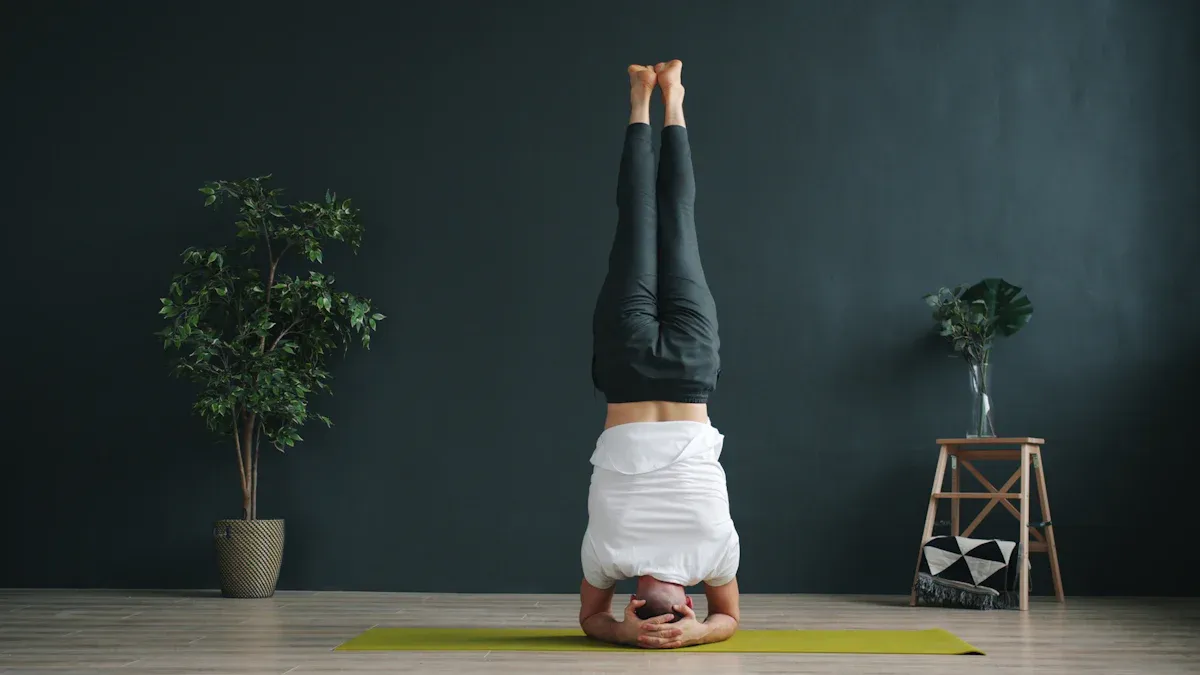
Pincha Mayurasana, also known as the Feathered Peacock Pose, provides remarkable benefits for both your body and mind. This pose not only strengthens your shoulders but also improves balance and enhances focus. Understanding how to do it is essential, so preparing for Pincha Mayurasana is crucial. You want to ensure your body is ready to support you as you practice the steps involved. Remember, mastering the pincha-mayurasana-feathered-peacock-pose-how-to-do-it-benefits-steps takes time and patience. Embrace the journey, and enjoy every step along the way!
Key Takeaways
-
Always warm up before attempting Pincha Mayurasana. Use poses like Dolphin and Shoulder Openers to prepare your body.
-
Focus on maintaining proper alignment. Keep your forearms parallel and engage your core to enhance stability and prevent injuries.
-
Incorporate props like blocks and straps. They provide support and help you maintain proper form while practicing the pose.
-
Practice consistently. Aim for 2 to 3 sessions a week to build strength and confidence in your practice.
-
Be patient with yourself. Mastery takes time, so enjoy the journey and celebrate your progress.
Preparation for Pincha Mayurasana
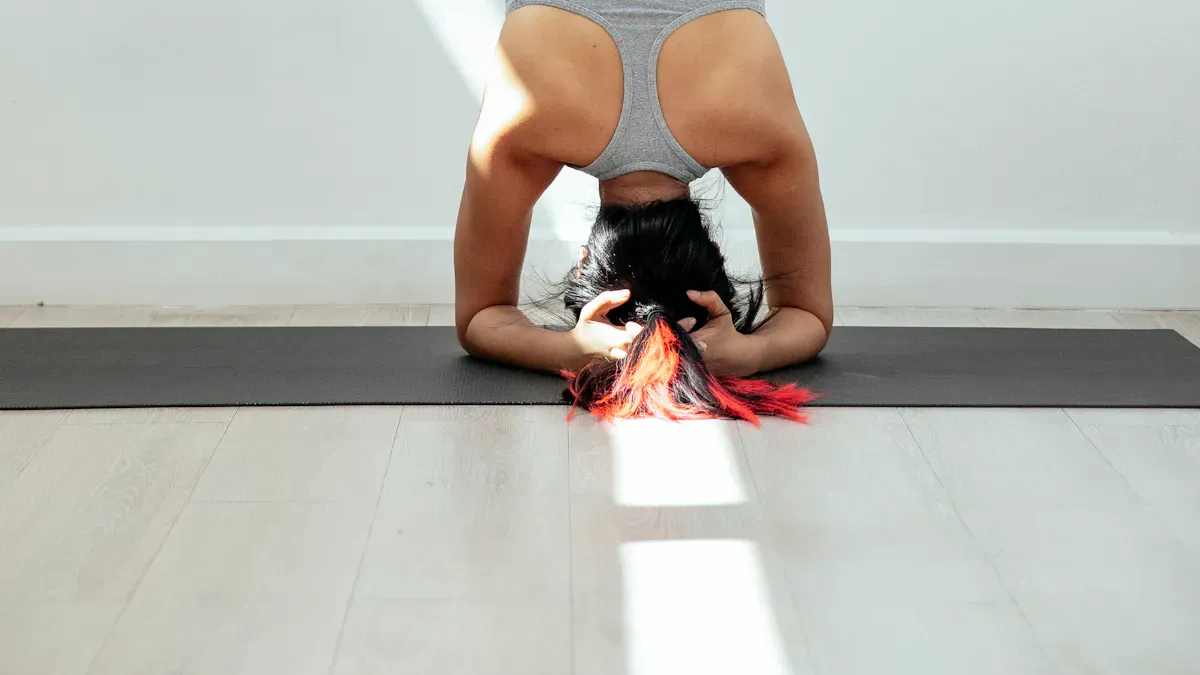
Image Source: pexels
Warm-Up Poses
Before diving into Pincha Mayurasana, warming up your body is essential. Proper warm-up poses prepare your shoulders and wrists, making it easier to achieve balance and stability. Here are some recommended warm-up poses:
-
Dolphin Pose: This pose builds strength in your shoulders. Start in Downward Facing Dog, drop to your forearms, and walk your toes toward your face. Focus on lifting your chest to create space in your shoulder girdle.
-
Shoulder Openers: These poses enhance flexibility and relaxation. Consider incorporating:
-
Cow Face Arms: Use a strap if needed to bind your arms behind your back. Breathe deeply into your shoulders to release tension.
-
Eagle Arms: Perform a full or half bind, lifting your elbows in line with your shoulders. This creates space in your upper back and helps you prepare for the pose.
-
Warming up not only helps prevent injuries but also enhances your overall performance in the pincha-mayurasana-feathered-peacock-pose-how-to-do-it-benefits-steps.
Strength and Flexibility
Strength and flexibility are crucial for mastering Pincha Mayurasana. You need to engage several muscle groups, including your core, arms, and shoulders. Here are some exercises to help you build the necessary strength:
-
Surya Namaskars: These sun salutations warm up your entire body.
-
Low Plank: This strengthens your core and arms.
-
Dynamic Movements: Transitioning from low plank to high plank and then to Downward Facing Dog builds endurance.
-
Dolphin Pose: As mentioned earlier, this pose is excellent for shoulder strength.
-
Cow-Face Pose: This helps open your shoulders.
-
Push-Ups: These build upper body strength.
-
Boat Pose: This engages your core effectively.
-
Chair Pose: This strengthens your legs and core.
-
Warrior Poses: These enhance overall body strength and stability.
-
Triangle Pose: This improves flexibility in your legs and hips.
Before attempting Pincha Mayurasana, ensure you meet these flexibility benchmarks:
-
Build a strong foundation in your arms.
-
Open your heart without overarching your back.
-
Work on melting stiffness in your upper back and shoulders.
-
Engage your pelvic core (Mula Bandha) by hugging your shins toward the midline and spiraling your upper inner thighs inward.
-
Draw your tailbone toward your heels to connect your lower belly to your spine.
By focusing on these warm-up poses and strength-building exercises, you’ll set yourself up for success in mastering Pincha Mayurasana. Remember, preparation is key!
Pincha Mayurasana: How to Do It
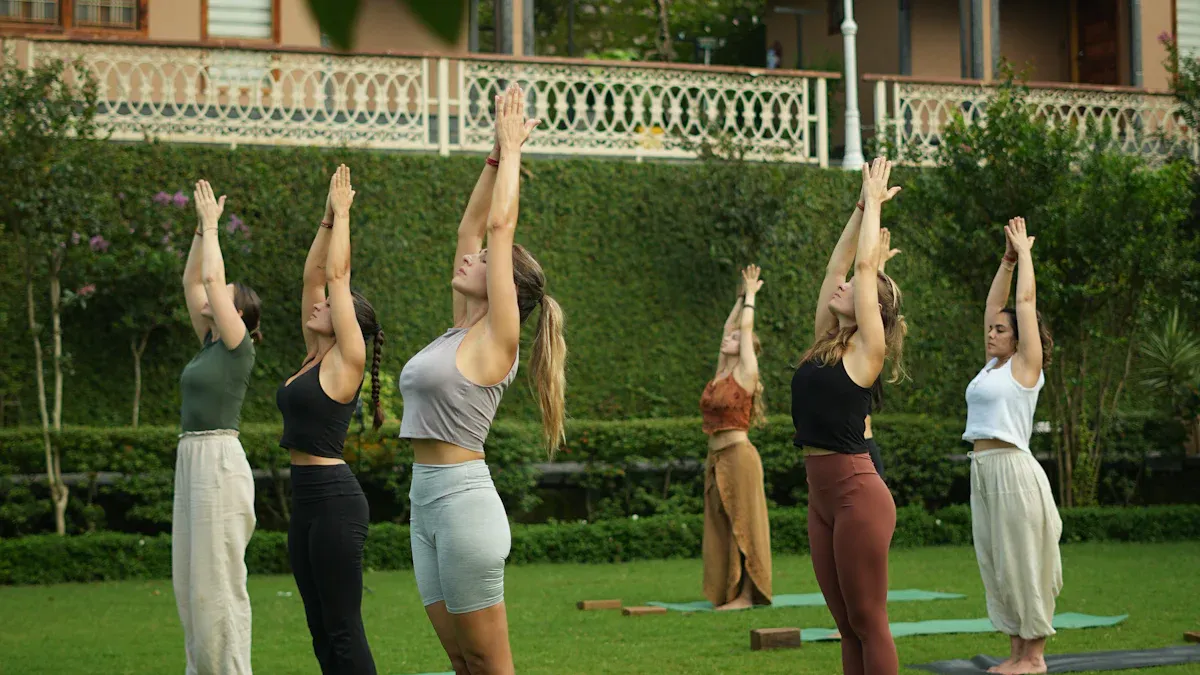
Image Source: unsplash
Step-by-Step Instructions
Getting into Pincha Mayurasana can feel challenging, but breaking it down into steps makes it manageable. Follow these instructions to guide you through the process:
-
Class Opening: Begin in Virasana or Vajrasana. This position helps you set up a neutral pelvis, which is essential for balance.
-
Warm Up: Incorporate Cat/Cow and Downward Dog. These poses prepare your shoulders and body for the work ahead.
-
Peak Pose: Transition into Forearm Stand. You can use props like a shoulder-width strap and a block for extra support.
-
Stages: Start with Sphinx Pose, then move to Dolphin Pose. Once comfortable, practice Dolphin with one leg lifted before attempting the full pose at the wall.
-
Cool Down: Finish with counterposes such as Baddha Konasana and Seated Twists. These help release the muscles you've worked.
Finding Balance
Achieving balance in Pincha Mayurasana requires focus and alignment. Here are some tips to help you maintain stability:
-
Keep your forearms parallel. This enhances stability and prevents your elbows from splaying out.
-
Broaden your shoulders. This avoids sinking and compressing the shoulder joint, which can lead to injuries.
-
Engage your entire core. This action protects your spinal column and prevents overextension.
-
Activate your hands and feet. This improves balance and stability in the pose.
To further enhance your balance, consider these techniques:
-
Dolphin Pose: This pose opens your shoulders and trains your hands and elbows to ground effectively.
-
Cow Face Pose arms: This technique helps open your shoulders and teaches breath control while holding the pose.
-
Shoulder opener using a chair: This method continues to open your shoulders and emphasizes proper alignment and strength.
Remember, mastering the pincha-mayurasana-feathered-peacock-pose-how-to-do-it-benefits-steps takes time. Be patient with yourself as you practice these steps and tips.
Common Mistakes in Pincha Mayurasana
Misalignment Issues
Misalignment is a common pitfall when practicing Pincha Mayurasana. If your body isn’t aligned correctly, you risk injury and won’t achieve the full benefits of the pose. Here are some common misalignment issues and their potential risks:
| Misalignment Type | Potential Risk |
|---|---|
| Elbows too wide | Risk of shoulder joint injury |
| Inactive upper back muscles | Increased chance of injury due to lack of support |
To avoid these issues, focus on keeping your forearms parallel and engaging your upper back muscles. This alignment helps distribute your weight evenly and protects your shoulders. Remember, proper alignment is key to a safe and effective practice.
Overexertion
Overexertion can also lead to problems in Pincha Mayurasana. Many beginners push themselves too hard, which can cause strain and fatigue. If you find yourself feeling exhausted or in pain, it’s time to take a step back. Here are some recovery strategies to help you bounce back:
-
Develop a regular yoga practice for rehabilitation and prevention.
-
Start with basic poses and progress to complex ones as your strength improves.
-
Practice consistently and moderately rather than infrequently and intensely.
-
Incorporate breathing techniques and mindfulness.
-
Focus on proper alignment to avoid stress on your shoulders.
-
Use props like blocks and straps for support.
Additionally, consider incorporating shoulder-strengthening routines twice a week. Use bands or weights that match your current strength level. Focus on specific movements to build stability in your shoulder joint.
By being mindful of these common mistakes, you can enhance your practice and enjoy the journey toward mastering Pincha Mayurasana. Remember, it’s all about patience and progress!
Tips for Stability and Improvement
Breathing Techniques
Breathing plays a vital role in maintaining stability during Pincha Mayurasana. Here are some effective techniques to help you stay grounded:
-
Press your forearms firmly into the mat and grip the block with your hands.
-
Spread your fingers wide and press down through your fingertips.
-
Engage your shoulders by drawing them away from your ears and pressing your shoulder blades towards your spine.
-
Breathe deeply and steadily, focusing on maintaining your alignment.
By concentrating on your breath, you can enhance your focus and balance. This connection between breath and movement helps you stay calm and centered as you practice the pincha-mayurasana-feathered-peacock-pose-how-to-do-it-benefits-steps.
Using Props
Props can be your best friends when practicing Pincha Mayurasana. They provide support and enhance safety, especially for beginners. Here’s a quick look at some common props and their benefits:
| Prop Type | Function | Safety Enhancement |
|---|---|---|
| Yoga Blocks | Bring the floor closer, support weight, and enforce alignment. | Help maintain proper alignment and reduce the risk of injury. |
| Yoga Belt | Maintains form and stability, especially in inversions. | Keeps forearms parallel in Pincha Mayurasana, preventing instability. |
| Yoga Chair | Provides sturdy support in inversions. | Protects the neck and creates space in shoulder-supported inversions. |
| Blankets/Bolsters | Cushions sensitive areas and provides a comfortable support base. | Protects joints and enhances comfort during practice. |
| Wall Yoga Ropes | Offers stability and support for inversions. | Reduces fear of falling, allowing focus on building strength and confidence. |
Using props not only supports appropriate alignment but also decreases pressure on vulnerable joints. They help you build strength and confidence safely, making poses more accessible for gradual development.
Remember, regular practice is key. Focus on foundational poses like Dolphin holds and Forearm planks to build strength. Embrace the fear of falling, trust your body, and enjoy the journey!
Mastering Pincha Mayurasana takes time and practice, but you can do it! Here are some key steps to remember:
-
Warm Up: Always start with poses that open your shoulders and build strength.
-
Practice Balance: Focus on keeping your forearms parallel and engaging your core.
-
Use Props: Don’t hesitate to use blocks or a wall for support.
As you practice, you'll notice benefits like improved balance, stronger shoulders, and reduced stress. Remember, progress is a journey. Share your experiences and questions in the comments below! 🌟
FAQ
What is Pincha Mayurasana?
Pincha Mayurasana, or Feathered Peacock Pose, is an inversion that strengthens your shoulders, improves balance, and enhances focus. It requires practice and patience to master.
How long should I hold the pose?
Start by holding Pincha Mayurasana for 10 to 15 seconds. As you gain strength and confidence, gradually increase the duration to 30 seconds or more.
Can beginners practice this pose?
Yes! Beginners can practice Pincha Mayurasana with proper preparation. Focus on building shoulder strength and flexibility through warm-up poses before attempting the full pose.
What if I can't balance in the pose?
If you struggle with balance, practice against a wall for support. You can also use props like blocks to help stabilize your body as you build strength.
How often should I practice to improve?
Aim to practice Pincha Mayurasana 2 to 3 times a week. Consistent practice will help you build strength, flexibility, and confidence in the pose.
See Also
Beginner-Friendly Yoga Poses: Your Questions Answered Here
Discover Anjali Mudra: A Beginner's Guide to Yoga
Essential Yoga Basics: A Beginner's Introduction
Kundalini Yoga Explained: A Comprehensive Beginner's Guide
Mastering Handstand Stability: Iyengar Yoga Basics with Carrie